

Bringing a new puppy into your life is exciting, but it can also feel overwhelming. You want to give your furry friend the best start, but where do you begin?
This guide is packed with simple puppy tips and tricks that will make training easier and help your puppy grow into a happy, well-behaved dog. Whether you’re a first-time owner or adding a new member to your family, these practical tips are designed just for you.
Keep reading to discover how small changes can create a big difference for both you and your puppy.
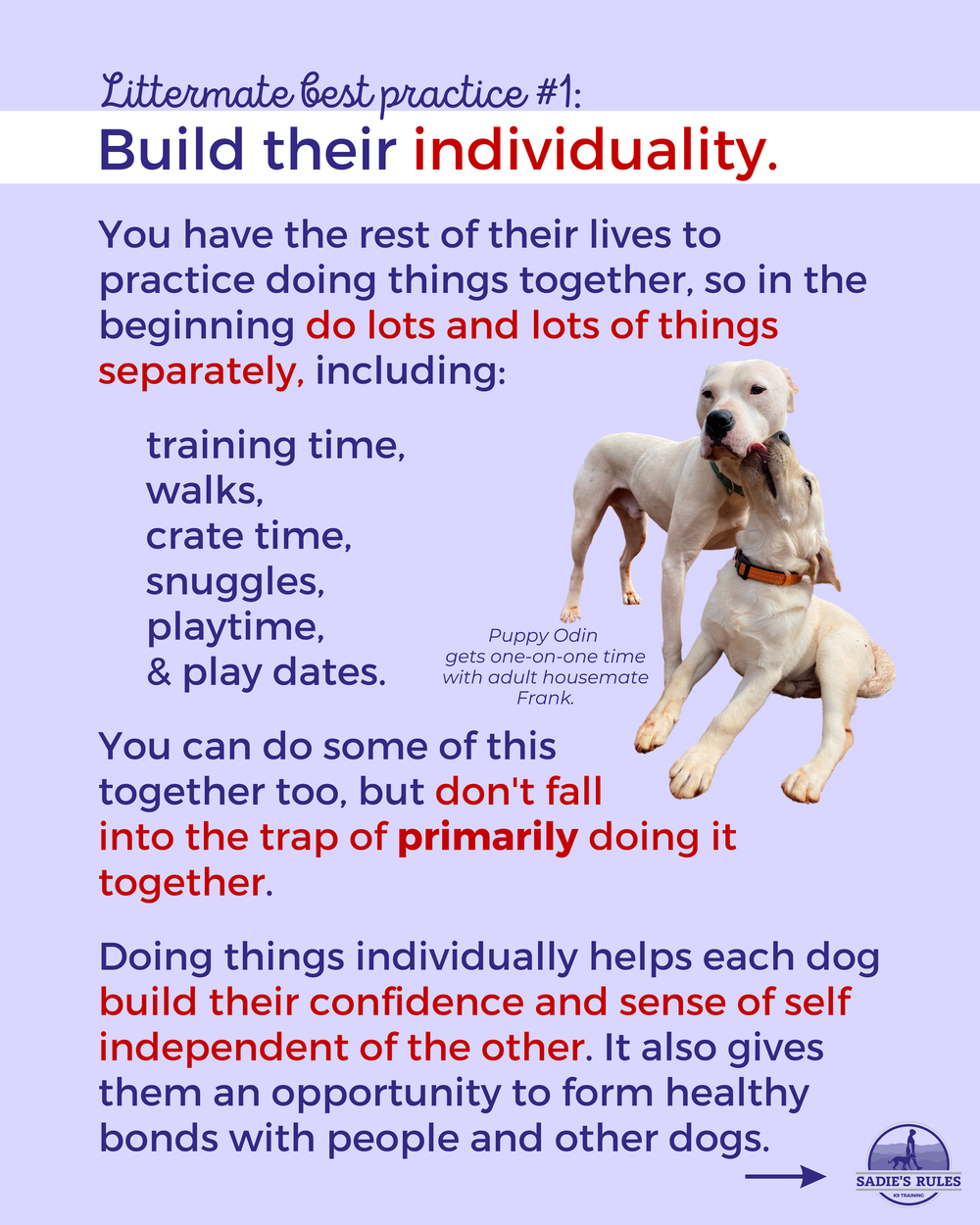
Credit: www.sadiesrulesk9training.com
Choosing The Right Puppy
Choosing the right puppy sets the foundation for a happy life together. This decision shapes your daily routine and your bond. A good match fits your home, lifestyle, and heart. Take time to choose well. This helps avoid future problems and builds a strong relationship with your new friend.
Selecting A Suitable Breed
Each breed has unique traits and needs. Some are active and need lots of exercise. Others are calm and enjoy quiet time. Size matters too. Small dogs fit in apartments better. Large dogs need more space to run. Think about your home and daily life. Choose a breed that fits your energy and space.
Evaluating Puppy Health
A healthy puppy looks bright and alert. Check for clear eyes and a clean nose. The coat should be shiny and soft. Watch the puppy move; it should walk without limping. Ask for health records and vaccinations. Healthy puppies adapt easier and grow strong.
Finding A Reputable Breeder
A good breeder cares for puppies and their parents. They offer clean, safe places for dogs to live. Ask about the puppy’s parents and their health. Trustworthy breeders answer questions openly. Avoid places that seem rushed or dirty. A responsible breeder helps you start well with your puppy.
Preparing Your Home
Bringing a new puppy home is exciting and requires careful preparation. Creating a safe and welcoming space helps your puppy settle quickly. Organize your home to meet your puppy’s needs and keep them safe. Start by setting up areas where your puppy feels secure and comfortable. Gather all the necessary supplies before your puppy arrives. Make sure your home is free from hazards. Proper preparation ensures a smooth transition for your puppy and peace of mind for you.
Safe Spaces For Puppies
Designate a quiet area just for your puppy. Use a crate or playpen to create this space. Add soft bedding and a few toys to keep them comfortable. This space helps your puppy feel safe and relaxed. Puppies need rest and a place to retreat. Avoid noisy or busy parts of the house for this area.
Essential Supplies
Prepare all the basics before your puppy arrives. Food and water bowls are a must. Choose bowls that are easy to clean and the right size. Buy high-quality puppy food suited to their breed and size. Stock up on chew toys and teething rings. Don’t forget a collar, leash, and ID tags. Have grooming tools like brushes and nail clippers ready. These supplies help you care for your puppy well.
Puppy-proofing Tips
Remove anything that could harm your puppy. Hide electrical cords and block off small spaces. Store cleaning products and medicines out of reach. Check for plants that might be toxic to dogs. Secure trash cans to prevent messes and dangers. Cover sharp edges on furniture. Use baby gates to keep your puppy in safe zones. Puppy-proofing protects your puppy from accidents and injury.
Training Basics
Training your puppy sets the foundation for good behavior. It builds trust and helps your pup learn rules. Starting with basics makes learning easier for both of you.
Consistency and patience are key. Short sessions work best to keep your puppy focused. Reward good behavior to encourage repeats.
Housebreaking Techniques
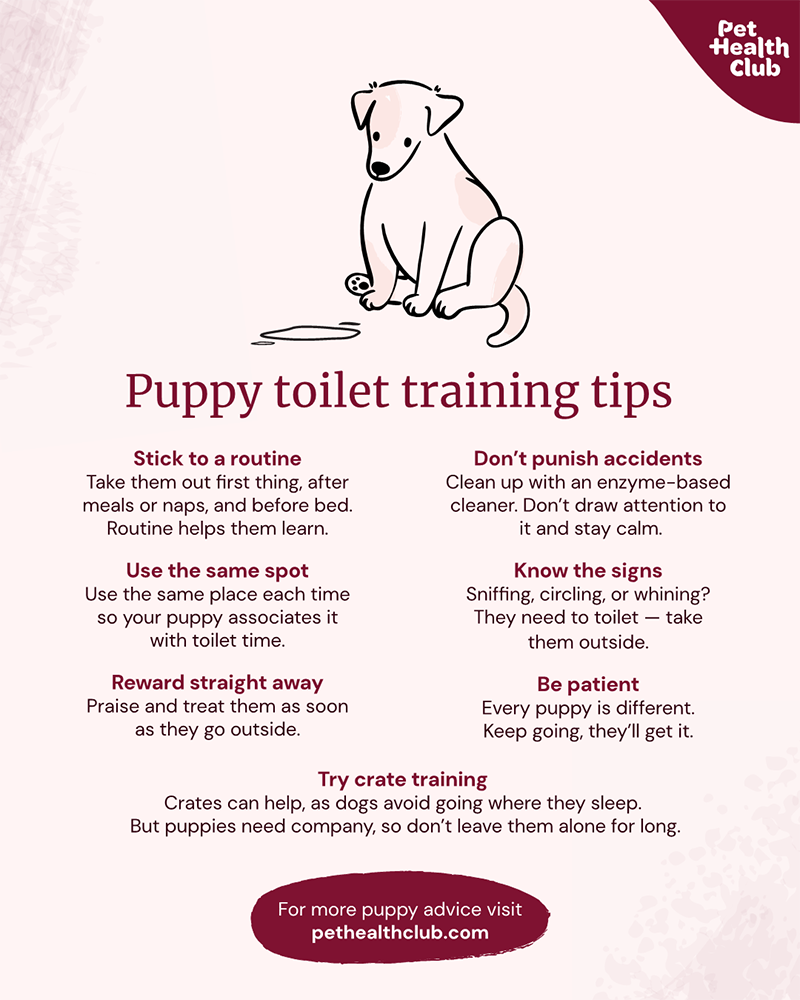
Housebreaking is the first step in training. Take your puppy outside often, especially after meals. Choose a spot and always go there. Praise your puppy when they go potty outside.
Accidents happen. Clean them well to remove smells. Avoid punishment to prevent fear. Keep a regular schedule for feeding and potty breaks.
Crate Training Benefits
Crate training gives your puppy a safe space. It helps with housebreaking and reduces anxiety. Make the crate cozy with a blanket and toys.
Never use the crate for punishment. Let your puppy explore it at their own pace. Gradually increase crate time while you are home.
Teaching Simple Commands
Start with easy commands like “sit,” “stay,” and “come.” Use treats and praise as rewards. Keep commands clear and consistent.
Practice daily in short sessions. Repeat commands calmly and wait for your puppy’s response. Be patient and celebrate small successes.

Credit: www.amazon.com
Socialization Strategies
Socialization is key for raising a happy, confident puppy. It helps them learn about the world. Social puppies grow into friendly, well-behaved dogs. Start socialization early to build good habits and reduce fear. Use gentle, positive experiences to make new things fun and safe.
Introducing New People
Let your puppy meet different people often. Include men, women, and children. Ask visitors to stay calm and quiet. Offer treats to your puppy to create good feelings. Avoid forcing your puppy to greet. Let them approach at their own pace.
Meeting Other Animals
Introduce your puppy to other dogs and pets carefully. Choose calm, friendly animals for first meetings. Keep the sessions short and positive. Use a leash for control but stay relaxed. Watch your puppy’s body language to avoid stress.
Handling Noisy Environments
Expose your puppy to common sounds like traffic and vacuum cleaners. Start with low noise levels and increase slowly. Praise and reward calm behavior. Avoid loud, scary noises at first. Help your puppy feel safe around new sounds.
Health And Nutrition
Taking care of a puppy’s health and nutrition is very important. Good health helps puppies grow strong and happy. Proper nutrition supports their energy and brain development. Paying close attention to these areas sets a solid foundation for a long life. It also helps avoid many common illnesses and health problems.
Balanced Diet Choices
Choose foods made for puppies. They have the right nutrients and vitamins. Include proteins, fats, and carbohydrates in each meal. Fresh water must always be available. Avoid giving human food or harmful snacks. Feeding at regular times helps with digestion and behavior. Watch your puppy’s weight to keep it healthy.
Regular Vet Visits
Visit the vet often for check-ups. Vets check your puppy’s growth and health. They can spot problems early. Regular visits help keep vaccinations up to date. The vet also advises on diet and exercise. Keep records of all visits and treatments. Early care saves money and worry later on.
Vaccination Schedule
Follow the vaccination schedule your vet gives you. Vaccines protect puppies from serious diseases. Start vaccinations at six to eight weeks old. Continue with boosters as the vet recommends. Missing vaccines can put your puppy at risk. Keep a vaccination record for reference. Healthy puppies are happy puppies.
Exercise And Play
Exercise and play are very important for puppies. They help puppies grow strong and healthy. Play also builds trust and friendship between you and your puppy. It keeps your puppy happy and stops bad behavior caused by boredom.
Daily Activity Ideas
Take your puppy for short walks every day. Play fetch with a small ball in a safe yard. Let your puppy run and explore new places. Try gentle tug-of-war with a soft rope toy. Change activities often to keep your puppy interested.
Safe Toys For Puppies
Choose toys made for puppies. Soft rubber toys are good for teething. Avoid toys that can break into small pieces. Pick toys that your puppy can chew safely. Clean toys often to keep your puppy healthy.
Mental Stimulation
Use simple puzzles to challenge your puppy’s mind. Hide treats in toys for your puppy to find. Teach new commands with short training sessions. Use different sounds and smells during play. Mental games tire your puppy as much as exercise.
Common Behavior Challenges
Puppies bring joy but also some challenges in behavior. These challenges can be tough for new dog owners. Understanding common problems helps manage them better. This section covers key behavior issues and how to handle them effectively.
Biting And Chewing Solutions
Puppies explore the world with their mouths. Biting and chewing are natural but must be controlled. Provide plenty of chew toys to redirect their biting. When your puppy bites hands or clothes, say “No” firmly. Offer a toy instead to teach what is okay to chew. Regular exercise helps reduce excess energy that causes biting. Praise your puppy when they chew toys, not people.
Separation Anxiety Tips
Many puppies feel scared when left alone. Signs include whining, scratching doors, and accidents inside. Start leaving your puppy alone for short times. Use a safe space with toys and water. Avoid long goodbyes to prevent stress. Leave a shirt with your scent to comfort them. Gradually increase alone time to build confidence. Calm departures and arrivals help reduce anxiety.
Excessive Barking Control
Excessive barking can annoy neighbors and owners. Identify why your puppy barks: fear, boredom, or attention seeking. Teach a “quiet” command by rewarding silence. Use distractions like toys or treats during barking. Avoid yelling, which can make barking worse. Regular walks and playtime reduce boredom-related barking. Consistency is key to controlling this behavior.
Credit: www.pethealthclub.com
Grooming Essentials
Grooming is key for a healthy, happy puppy. It keeps their coat clean and skin healthy. Grooming also helps spot health problems early. Regular care builds trust and comfort between you and your puppy.
Start grooming routines early. This helps your puppy get used to being handled. Use gentle tools made for puppies. Patience and kindness make grooming a positive experience.
Brushing And Bathing
Brush your puppy’s coat often. It removes dirt and loose hair. Brushing also stops mats and tangles. Use a soft brush for sensitive skin.
Bath your puppy only when dirty. Use warm water and mild dog shampoo. Rinse well to avoid skin irritation. Dry gently with a towel. Avoid cold or hot water.
Nail Trimming Guide
Trim nails carefully to avoid pain. Use sharp nail clippers made for dogs. Cut small bits at a time. Look for the quick, the pink area inside the nail. Avoid cutting it to stop bleeding.
Trim nails every two to three weeks. Long nails can cause discomfort and walking problems.
Dental Care Tips
Start cleaning your puppy’s teeth early. Use a soft dog toothbrush and toothpaste. Brush gently to keep gums healthy. Dental care prevents bad breath and tooth problems.
Give dental chews to help reduce plaque. Check teeth regularly for signs of trouble like bad smell or redness.
Frequently Asked Questions
How Do I Potty Train My Puppy Quickly?
Start potty training by setting a regular schedule for bathroom breaks. Take your puppy outside frequently, especially after eating or sleeping. Use positive reinforcement like treats and praise when they go outside. Consistency and patience are key to quick potty training success.
What Are The Best Toys For Puppies?
Choose toys that are durable, safe, and size-appropriate for your puppy. Chew toys, soft plush toys, and interactive puzzle toys work well. Toys help with teething, mental stimulation, and preventing boredom. Rotate toys regularly to keep your puppy engaged and happy.
How Often Should I Feed My Puppy Daily?
Feed your puppy three to four times a day, depending on their age. Puppies need frequent meals for steady energy and growth. Use high-quality puppy food and follow portion guidelines based on your puppy’s weight and breed.
When Should I Start Training My Puppy?
Begin training as soon as you bring your puppy home. Early training helps establish good habits and social skills. Use positive reinforcement and keep training sessions short, fun, and consistent for best results.
Conclusion
Training and caring for a puppy takes time and patience. Small steps each day build good habits. Play, love, and clear rules help puppies feel safe. Watch your puppy’s needs and respond kindly. Enjoy the fun moments and learn together.
Every puppy is different; trust your instincts. These tips can guide you, but your heart leads best. Puppies grow fast—cherish every moment.

