

Are you worried about dog hair all over your clothes and furniture? Or maybe you suffer from allergies that keep you from enjoying a furry friend?
Finding a dog breed that doesn’t shed much and is hypoallergenic can change everything for you. Imagine having a loyal companion without the constant cleanup or sneezing fits. You’ll discover which dog breeds fit this special category and why they might be the perfect match for your lifestyle.
Keep reading to find your ideal low-shedding, allergy-friendly dog!
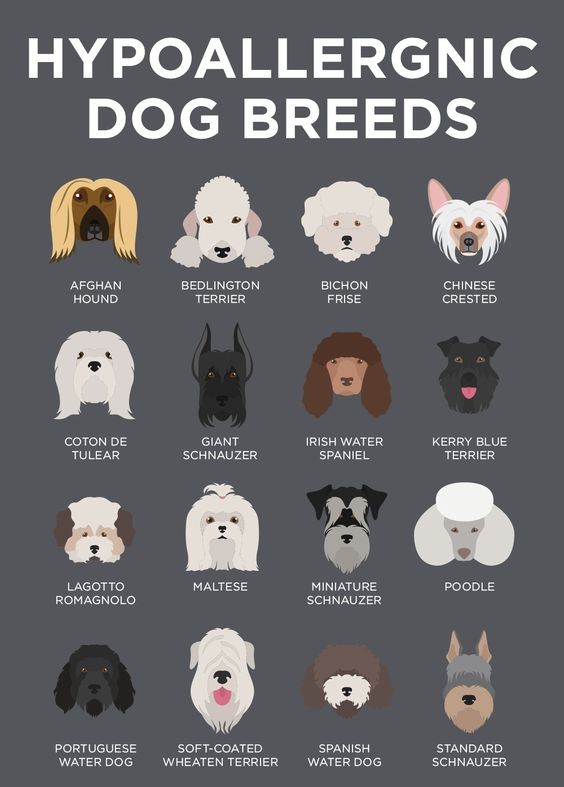
Credit: suburban-k9.com
Traits Of Low-shedding Dogs
Low-shedding dogs have certain traits that make them ideal for people with allergies or those who prefer a cleaner home. These dogs lose very little hair, which means less mess and fewer allergens. Understanding their traits can help you choose the right dog for your lifestyle.
Coat Types That Shed Less
Dogs with curly or wavy coats usually shed less than dogs with straight hair. Their hair grows continuously and falls out slowly. Breeds with hair that resembles human hair often shed less. Also, some dogs have double coats, but their undercoat does not shed much. Regular grooming helps keep shedding under control and the coat healthy.
Hypoallergenic Qualities Explained
Hypoallergenic dogs produce fewer allergens that cause reactions. They shed less hair and dander, which are common allergy triggers. These dogs often have tight curls or hair that traps dander. No dog is 100% hypoallergenic, but low-shedding breeds reduce allergy symptoms. Choosing such dogs benefits people with mild to moderate allergies.
Credit: animology.co.uk
Popular Hypoallergenic Breeds
Hypoallergenic dog breeds offer a great choice for people with allergies. These dogs shed very little or not at all. They help keep homes cleaner and reduce allergy problems. Many popular breeds fit this category. Each has unique traits and charm. Here are some well-loved hypoallergenic breeds.
Poodle Varieties
Poodles come in three sizes: standard, miniature, and toy. Their curly coats shed very little. This helps control dander in the air. Poodles are smart and easy to train. They enjoy being active and love family time. Their friendly nature makes them great pets.
Bichon Frise
Bichon Frises have soft, curly fur that rarely sheds. Their coats need regular grooming to stay healthy. These dogs are cheerful and playful. They get along well with children and other pets. Bichons make loyal companions for many homes.
Maltese Dogs
Maltese dogs have long, silky hair that sheds very little. Their gentle nature suits quiet households. They enjoy cuddles and short walks. Maltese dogs need regular brushing to avoid mats. They are small but full of personality.
Other Low-shedding Breeds
Many people want dogs that do not shed much and cause fewer allergies. Some breeds fit this need well. These dogs have hair that grows continuously and falls less. They need regular grooming to keep their coat healthy. Here are some other low-shedding breeds to consider.
Portuguese Water Dog
The Portuguese Water Dog has curly, dense hair. It sheds very little and is good for allergy sufferers. This breed loves water and is very active. They enjoy playing and need daily exercise. Their coat needs regular brushing to avoid mats. These dogs are loyal and smart, making great family pets.
Shih Tzu
The Shih Tzu has long, silky hair that sheds minimally. They have a friendly and gentle nature. These small dogs are perfect for apartments. They need regular grooming to keep their coat clean. Shih Tzus enjoy attention and love being with people. Their low-shedding coat helps reduce allergic reactions.
Yorkshire Terrier
Yorkshire Terriers have fine, silky hair that grows like human hair. They shed very little, making them ideal for allergy sufferers. These small dogs are full of energy and very playful. They need daily brushing and occasional trimming. Yorkies form strong bonds with their owners and enjoy companionship.
:strip_icc()/GettyImages-166719138-7affca77fc9346ca9e406d8ea3ed2495.jpg)
Credit: www.thesprucepets.com
Care Tips For Hypoallergenic Dogs
Hypoallergenic dogs shed very little or not at all. They need special care to stay healthy and happy. Proper care keeps their coat clean and skin healthy. It also helps reduce allergens in your home. Caring for these dogs takes a bit of effort but is worth it.
Grooming Essentials
Regular grooming is key for hypoallergenic dogs. Brush their coat often to remove dirt and loose hair. Use a brush suited to their coat type. Bath your dog every few weeks using gentle, dog-friendly shampoo. Clean their ears to prevent infections. Trim nails regularly to avoid discomfort. Check eyes for any signs of irritation. Grooming keeps your dog comfortable and cleaner indoors.
Maintaining Coat Health
Healthy skin means a healthy coat. Feed your dog balanced food rich in nutrients. Make sure they get enough water daily. Regular vet visits catch skin problems early. Use conditioners or oils if recommended by your vet. Avoid harsh chemicals or shampoos that dry out skin. Keep your dog’s living area clean and dust-free. Good coat care lowers shedding and allergen spread.
Choosing The Right Dog For Allergies
Choosing the right dog for allergies is very important for a healthy home. Not all dogs cause allergy problems. Some breeds shed less and produce fewer allergens. These dogs can fit well into homes with allergy sufferers.
Understanding how allergies work helps in picking the right dog. Some dogs may look similar but affect allergies differently. Knowing what triggers allergies helps avoid discomfort and health issues.
Assessing Allergy Triggers
Allergies to dogs come from proteins in saliva, skin, and urine. Dog hair itself is not the main cause. Shedding spreads these proteins into the air and on surfaces. Less shedding means fewer allergens in the environment.
Testing your reaction before choosing a dog helps. Spend time near the breed you want. Notice if symptoms like sneezing, itching, or watery eyes occur. This step lowers the risk of unexpected allergy problems later.
Living With Hypoallergenic Dogs
Hypoallergenic dogs shed little and produce fewer allergens. Breeds like Poodles, Bichon Frises, and Maltese are common examples. Regular grooming reduces allergens and keeps the dog healthy.
Cleaning your home often helps remove allergens. Use air purifiers and vacuum with HEPA filters. These steps make living with hypoallergenic dogs easier and more comfortable.
Frequently Asked Questions
What Dog Breeds Don’t Shed Much?
Breeds like Poodles, Bichon Frises, and Maltese shed very little. Their hair grows continuously, reducing loose fur around the house. These breeds are ideal for people seeking low-shedding pets.
Are Hypoallergenic Dogs Truly Allergy-free?
No dog is completely allergy-free. Hypoallergenic breeds produce fewer allergens, making them better for sensitive individuals. Regular grooming also helps reduce allergen spread.
Which Dogs Are Best For Allergy Sufferers?
Poodles, Portuguese Water Dogs, and Schnauzers suit allergy sufferers well. They have low shedding and produce fewer allergens. These breeds can help minimize allergic reactions.
How Often Should Hypoallergenic Dogs Be Groomed?
Hypoallergenic dogs need regular grooming, typically every 4-6 weeks. This maintains coat health and reduces dander and loose hair. Consistent grooming keeps allergens at bay.
Conclusion
Choosing a dog that doesn’t shed and is hypoallergenic can ease allergies. Breeds like Poodles, Bichon Frises, and Maltese fit well for many families. These dogs need regular grooming to stay healthy and clean. They bring joy without the hassle of constant fur around the house.
Remember, no dog is 100% allergy-free, but these breeds help reduce reactions. Enjoy the company of a loving pet with less worry about shedding. A happy home with a furry friend is possible for allergy sufferers too.


