
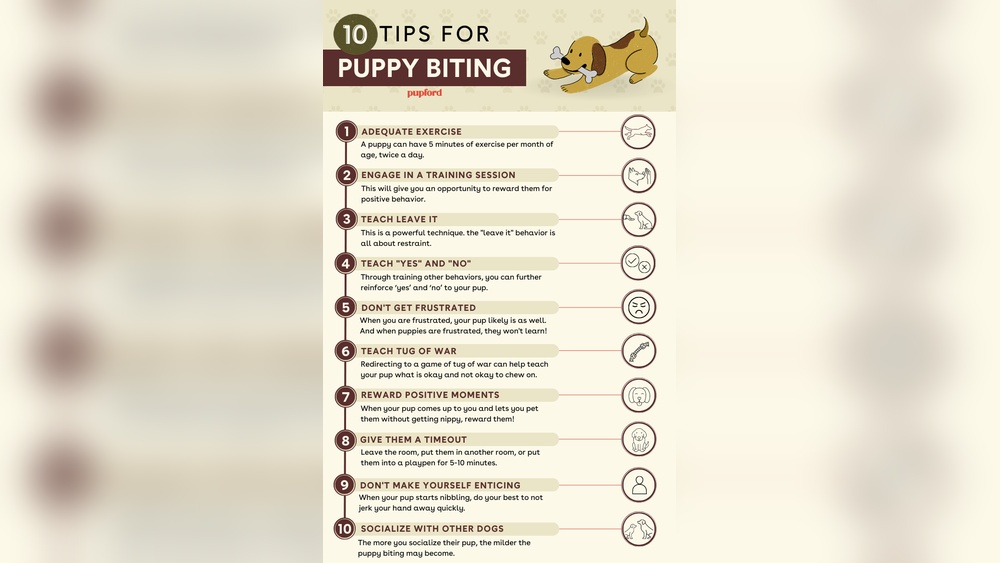
Is your puppy’s nipping driving you crazy? You’re not alone.
Those tiny teeth can feel sharp and painful, and if left unchecked, nipping can turn into a bigger problem. But don’t worry—there are simple, effective ways to stop this behavior before it becomes a habit. You’ll discover easy tips that anyone can use to teach their puppy gentle play.
Keep reading, and you’ll soon enjoy a happier, calmer puppy—and a lot less biting.
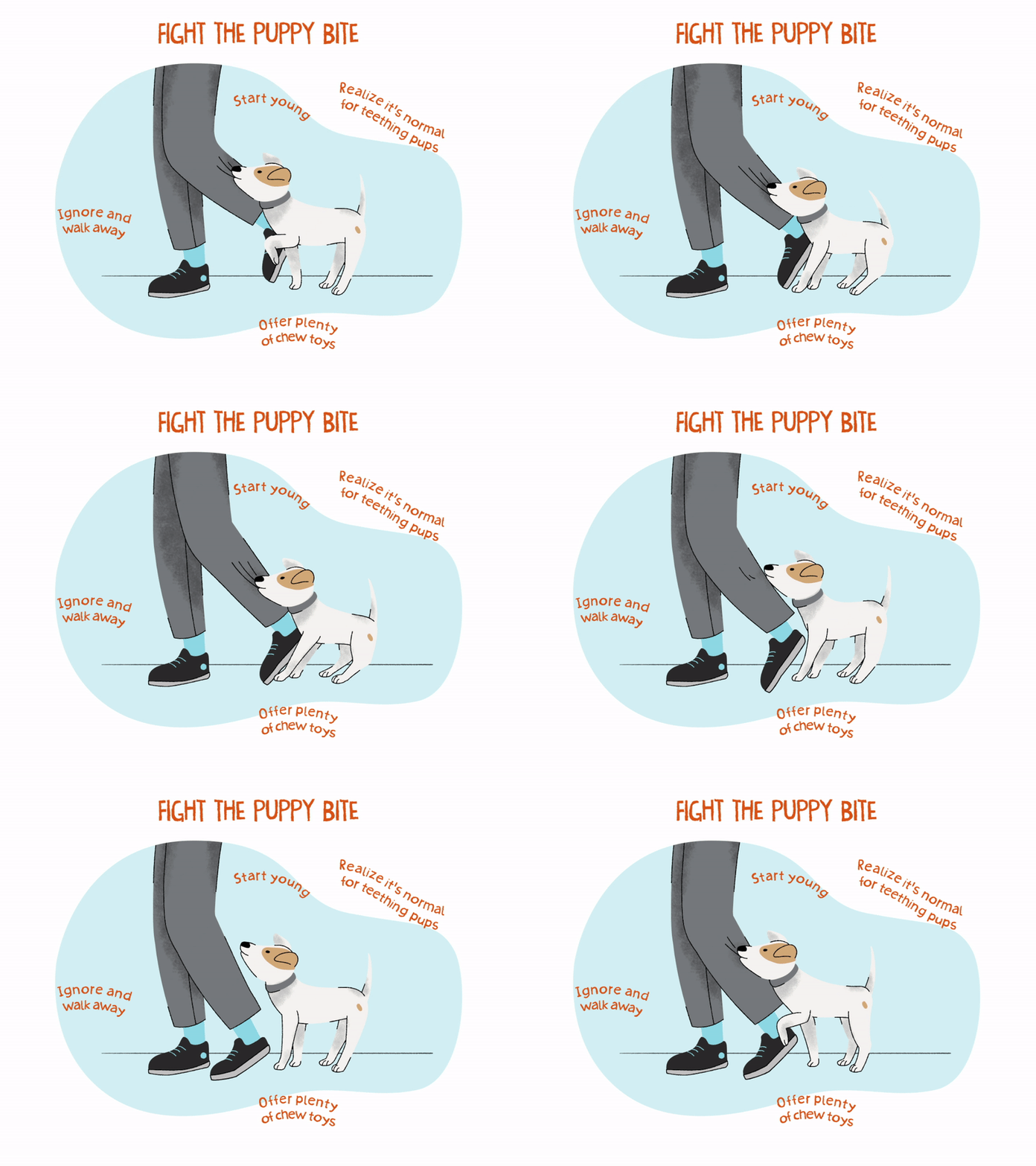
Credit: www.banfield.com
Why Puppies Nip
Puppy nipping is a common behavior that many new dog owners face. Understanding why puppies nip helps manage and reduce this habit effectively. Puppies use their mouths to learn about the world around them. This behavior is natural but needs gentle guidance.
Natural Teething Behavior
Puppies nip because they are teething. Their gums hurt as new teeth come in. Biting helps ease this discomfort. Chewing on objects or skin feels soothing to them. This phase usually lasts a few months.
Exploring With Mouth
Puppies explore their environment with their mouths. They do not have hands to touch things. Nipping helps them discover new textures and shapes. This is how they learn about their world. It is a natural way to investigate.
Seeking Attention
Sometimes puppies nip to get attention. They want to play or interact with people. Nipping can be a way to say, “Look at me!” Puppies quickly learn this behavior gets a reaction. Responding calmly helps teach them better ways to ask for attention.
Credit: www.youtube.com
Recognizing Nipping Triggers
Understanding what causes your puppy to nip is key to stopping the behavior. Puppies use nipping to explore and communicate. Recognizing the triggers helps you respond better and teach gentle play.
Different situations can cause nipping. Some happen during fun play, others when your puppy feels too excited or tired. Knowing these moments helps you stay calm and consistent.
Playtime Excitement
Puppies often nip when they feel excited during playtime. Their energy is high, and they want to interact. Nipping is a way to grab your attention and join the fun.
Watch for signs like wagging tails and jumping. These show your puppy is ready to play but might also nip. Teach them to use toys instead of your hands.
Overstimulation
Too much activity can overwhelm a puppy. Overstimulation makes them nip more because they cannot calm down. Loud noises, lots of people, or rough play can cause this.
Notice if your puppy’s eyes dart or they start biting quickly. These signs mean they need a break. Give your puppy quiet time to relax and reset.
Lack Of Exercise
Puppies need regular exercise to use up their energy. Without enough play or walks, they get restless and nip more. Nipping helps them release this built-up energy.
Daily walks and play sessions reduce nipping. A tired puppy is less likely to nip out of boredom or frustration. Keep exercise fun and consistent for best results.
Immediate Responses To Nipping
Puppy nipping can be frustrating for new dog owners. Immediate responses help teach your puppy that nipping is not okay. Quick and consistent reactions prevent bad habits from forming.
Reacting right away shows your puppy what behavior you expect. Using simple methods makes learning easier for your puppy. Here are some effective ways to respond immediately to nipping.
Using Firm Verbal Cues
Use a short, firm word like “No” or “Stop.” Say it clearly and calmly. Avoid yelling or sounding angry. Your tone should show you mean business. This helps your puppy link the word with the nipping action. Repeat consistently to build understanding.
Withdrawing Attention
Stop playing or petting your puppy immediately. Turn your back or walk away for a few seconds. This shows that nipping causes playtime to end. Puppies want attention, so losing it teaches them quickly. Keep the pause brief but clear.
Redirecting To Toys
Offer a chew toy when your puppy starts nipping. Encourage them to bite the toy instead of your hand. Praise your puppy for choosing the toy. This gives them a better outlet for biting energy. Keep toys handy to use this method fast.
:strip_icc()/dog-bite-prevention-1117453-FINAL-d2d6e8c12f164292aabbeadc7765deb2.png)
Credit: www.thesprucepets.com
Training Techniques To Reduce Nipping
Training your puppy to stop nipping requires patience and clear methods. Simple, effective techniques help your puppy learn good behavior. These training methods focus on teaching your puppy how to control their bite gently and respond well to commands.
Positive Reinforcement
Reward your puppy when they play gently. Use treats, praise, or toys to encourage good behavior. Positive reinforcement helps puppies understand what you want. Avoid punishment; it can create fear and confusion. Celebrate small wins to build trust and learning.
Consistency In Commands
Use the same words for commands every time. Simple commands like “No bite” or “Gentle” work best. Consistent commands help your puppy connect words with actions. Everyone in the family should use the same commands. This avoids mixed messages and speeds up training.
Teaching Bite Inhibition
Teach your puppy to control the strength of their bite. If they nip too hard, say “Ouch” loudly and stop play. This shows the puppy that biting hurts. Let them calm down before resuming play. With time, your puppy learns to bite softly or not at all.
Environmental Adjustments
Changing your puppy’s environment can help reduce nipping. Puppies bite less when they have the right space and tools. Small changes at home can make a big difference. These adjustments keep puppies busy and calm, lowering the chance of nipping out of boredom or stress.
Try these tips to create a better setting for your puppy’s behavior.
Providing Chew Toys
Chew toys keep puppies’ mouths busy and healthy. Puppies love to bite and chew. Giving them safe toys stops them from biting hands or furniture. Choose toys that are soft and made for puppies. Rotate toys often to keep your puppy interested and engaged.
Creating Calm Spaces
Quiet areas help puppies relax and feel safe. Loud noises and too many people can make puppies anxious. Set up a cozy corner with a bed and toys. This calm space lets your puppy rest and calm down. A relaxed puppy nips less and learns better.
Scheduling Regular Exercise
Exercise helps puppies burn energy and stay calm. Tired puppies are less likely to nip. Take your puppy for walks and play outside daily. Use games like fetch to keep your puppy active. Regular activity improves behavior and strengthens your bond.
When To Seek Professional Help
Knowing when to seek professional help is key to managing puppy nipping. Some biting habits need expert attention. Early action prevents problems from growing worse. Professionals can guide you with the right training techniques.
Persistent Aggressive Biting
A puppy that bites hard and often shows signs of aggression. This behavior can harm people and other pets. If biting does not improve with your efforts, get professional advice. Aggressive biting needs careful handling to keep everyone safe.
Behavioral Consultations
Trainers and behaviorists understand puppy biting deeply. They identify causes and create plans to stop it. Professionals teach you how to react to nipping. This support helps you and your puppy build trust and good habits.
Puppy Socialization Classes
Socialization helps puppies learn manners from other dogs. Classes expose puppies to new people and pets in a safe place. Proper socialization reduces fear and biting. Group settings teach puppies to play gently and respect others.
Frequently Asked Questions
How Can I Stop My Puppy From Nipping?
Redirect your puppy’s biting to chew toys immediately. Consistently reward gentle play and use firm “no” commands. Avoid rough play that encourages nipping.
Why Do Puppies Nip During Playtime?
Puppies nip to explore and learn bite inhibition. It’s natural behavior from litter interactions. Training helps them understand gentle play limits.
When Should I Start Training To Stop Puppy Nipping?
Begin training as soon as you bring your puppy home. Early guidance helps prevent nipping habits from developing into aggression.
Are Chew Toys Effective Against Puppy Nipping?
Yes, chew toys provide a safe outlet for biting urges. They distract puppies from nipping human skin and promote healthy chewing habits.
Conclusion
Stopping puppy nipping takes patience and consistency. Teach your puppy gentle play and use clear commands. Always reward good behavior to encourage learning. Remember, puppies explore with their mouths, so guide them kindly. Practice these tips every day for best results.
Soon, your puppy will learn to play softly. Enjoy building a strong, loving bond with your furry friend. Keep calm, stay patient, and watch your puppy grow well-behaved.


