Your puppy’s teething stage can be both exciting and challenging. You might be wondering how to ease their discomfort and protect your belongings from those sharp little teeth.
This guide will give you simple, effective tips to help your puppy feel better and keep your home safe. Keep reading to discover easy ways to support your teething puppy and enjoy this special time together.
Credit: www.fetchpet.com
Signs Of Teething In Puppies
Teething is a natural part of a puppy’s growth. It can be a tough time for both puppies and owners. Recognizing the signs helps you care better for your puppy. Knowing what to expect makes this phase easier to handle.
Common Behaviors To Watch
Puppies often chew more during teething. They bite toys, furniture, and even fingers. Drooling increases as their gums get sore. Some puppies may be restless or whine more. You might notice a loss of appetite sometimes. These behaviors are normal and show teething is happening.
Age When Teething Starts
Teething usually begins around three weeks old. At this time, baby teeth start to come in. Most puppies have a full set by eight weeks. Then, the adult teeth begin to replace baby teeth. This process starts at about three months old.
Duration Of The Teething Phase
The teething phase lasts several months. From the start of adult teeth coming in until they finish. Typically, it ends around six to seven months old. During this time, expect chewing and biting to continue. Patience and proper care are key.
Safe Chew Toys For Teething Pups
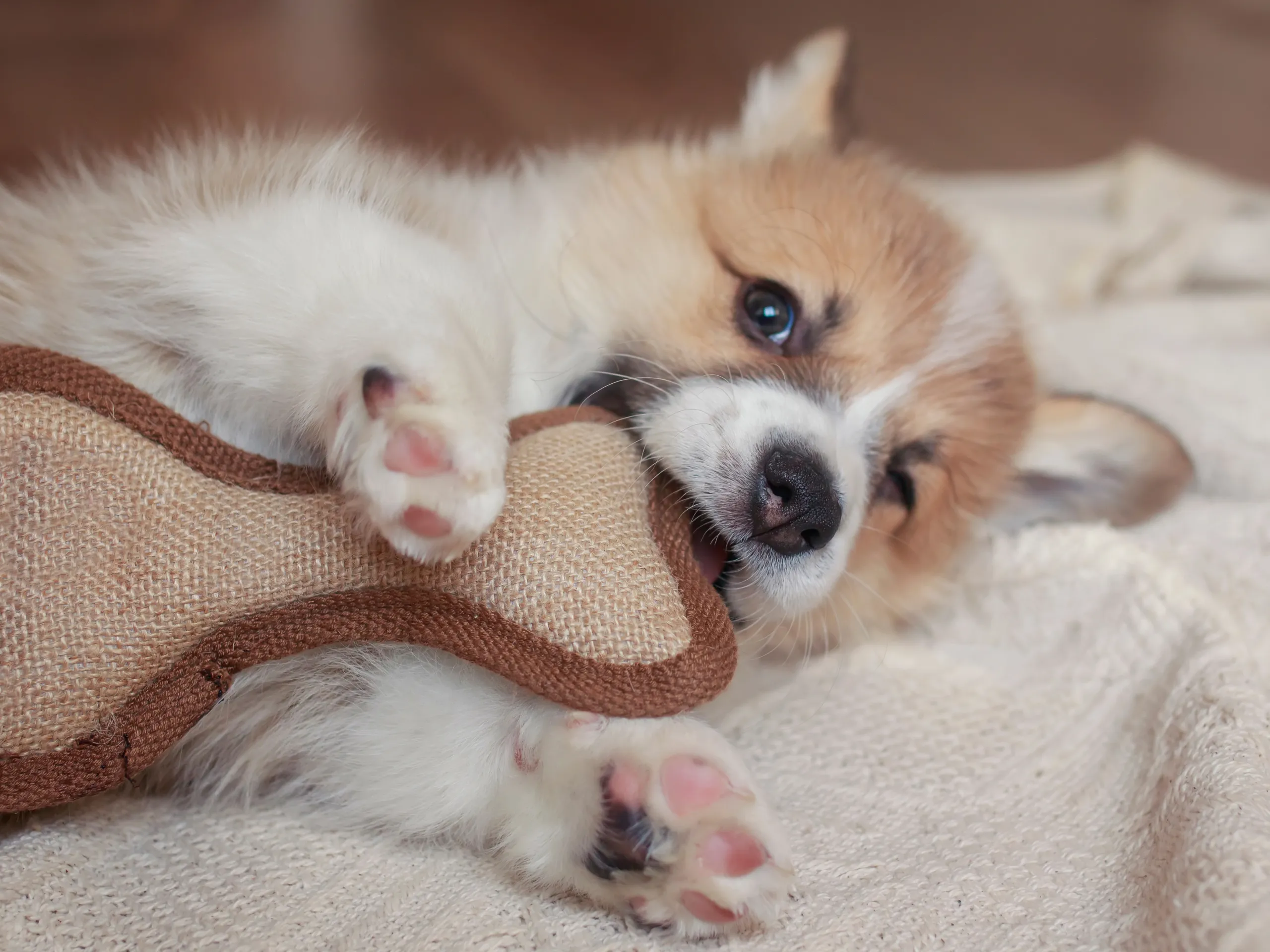
Teething is a tough time for puppies and their owners. Puppies need safe chew toys to soothe sore gums. The right toys help stop destructive chewing and protect your belongings. Choose toys that are gentle on puppy teeth but strong enough to last.
Best Materials For Chew Toys
Look for toys made from soft rubber or nylon. These materials are tough but not too hard for puppy teeth. Natural rubber toys offer good bounce and comfort. Some toys have grooves to clean teeth while chewing. Avoid toys with sharp edges or small parts that can break off.
Diy Chew Toy Ideas
Make simple chew toys at home with safe items. Freeze a wet washcloth for a cooling chew toy. Tie strips of fleece or old t-shirts into knots. Use clean, thick carrot sticks for a crunchy treat. Always watch your puppy to avoid choking hazards.
Toys To Avoid
Stay away from toys that can splinter or break easily. Hard bones and antlers may crack puppy teeth. Small or soft toys can cause choking. Avoid toys with harmful chemicals or dyes. Do not give your puppy anything sharp or breakable to chew on.
Home Remedies To Ease Discomfort
Teething is a tough time for puppies and their owners. Puppies feel pain and need relief. Home remedies can help ease their discomfort safely. These simple methods calm sore gums and keep puppies happy.
Cold Items To Soothe Gums
Cold items help reduce swelling and numb pain. Use a clean, damp washcloth chilled in the fridge. Let your puppy chew on it for a few minutes. You can also freeze dog-safe chew toys. Avoid anything too hard to protect their teeth.
Gentle Gum Massages
Massaging your puppy’s gums can ease pain and increase blood flow. Use a clean finger or soft cloth. Rub the sore spots gently in small circles. Do this for a few minutes twice a day. It helps your puppy feel comforted and cared for.
Using Teething Gels Safely
Teething gels can numb pain but must be safe for puppies. Choose gels made for dogs only. Apply a small amount on the gums using a finger or cotton swab. Avoid human gels as they may harm your puppy. Always follow the product instructions carefully.
Credit: npicpet.com
Training Tips During Teething
Training a puppy during teething can be challenging but rewarding. Puppies bite more during this phase because their gums hurt. Training helps guide their behavior and protects your belongings. It also builds good habits early on.
Patience and consistency are key. Use simple commands and calm tones. Make training sessions short to keep your puppy’s attention. Focus on teaching what is allowed and what is not. This sets a strong foundation for your puppy’s future.
Redirecting Biting Behavior
When your puppy bites, redirect their attention to a toy. Offer a chew toy instead of your hand or furniture. This teaches them what is okay to bite. Praise your puppy when they chew the right object. Avoid using your hands as toys to stop biting habits.
Positive Reinforcement Techniques
Reward good behavior with treats or gentle praise. Use small treats that your puppy enjoys. Give rewards immediately after they follow a command. This helps them connect actions with rewards. Ignore bad behavior instead of punishing harshly. Positive reinforcement builds trust and encourages learning.
Setting Boundaries
Set clear rules for your puppy during teething. Decide which areas and items are off-limits. Be consistent with these rules every day. Use firm but kind commands to say “no” or “leave it.” Boundaries help your puppy feel secure and understand limits.
When To Consult A Veterinarian
Teething is a normal part of a puppy’s growth. Most puppies handle it well. Some need extra care and attention. Knowing when to see a vet helps keep your puppy safe and comfortable. Watch for signs that go beyond normal teething issues. Quick action can prevent serious problems.
Signs Of Infection Or Problems
Swollen gums that stay red or bleed need a vet’s check. Pus or bad smell from the mouth is not normal. If your puppy stops eating or drinks less, it could be pain or infection. Watch for fever or lethargy. These signs mean the puppy may need medical help.
Persistent Discomfort Issues
Teething pain usually lasts a few days. If your puppy cries or chews nonstop for weeks, something is wrong. Constant discomfort might mean broken teeth or oral sores. A vet can find the cause and suggest treatment. Long-term pain harms your puppy’s well-being and growth.
Professional Teething Products
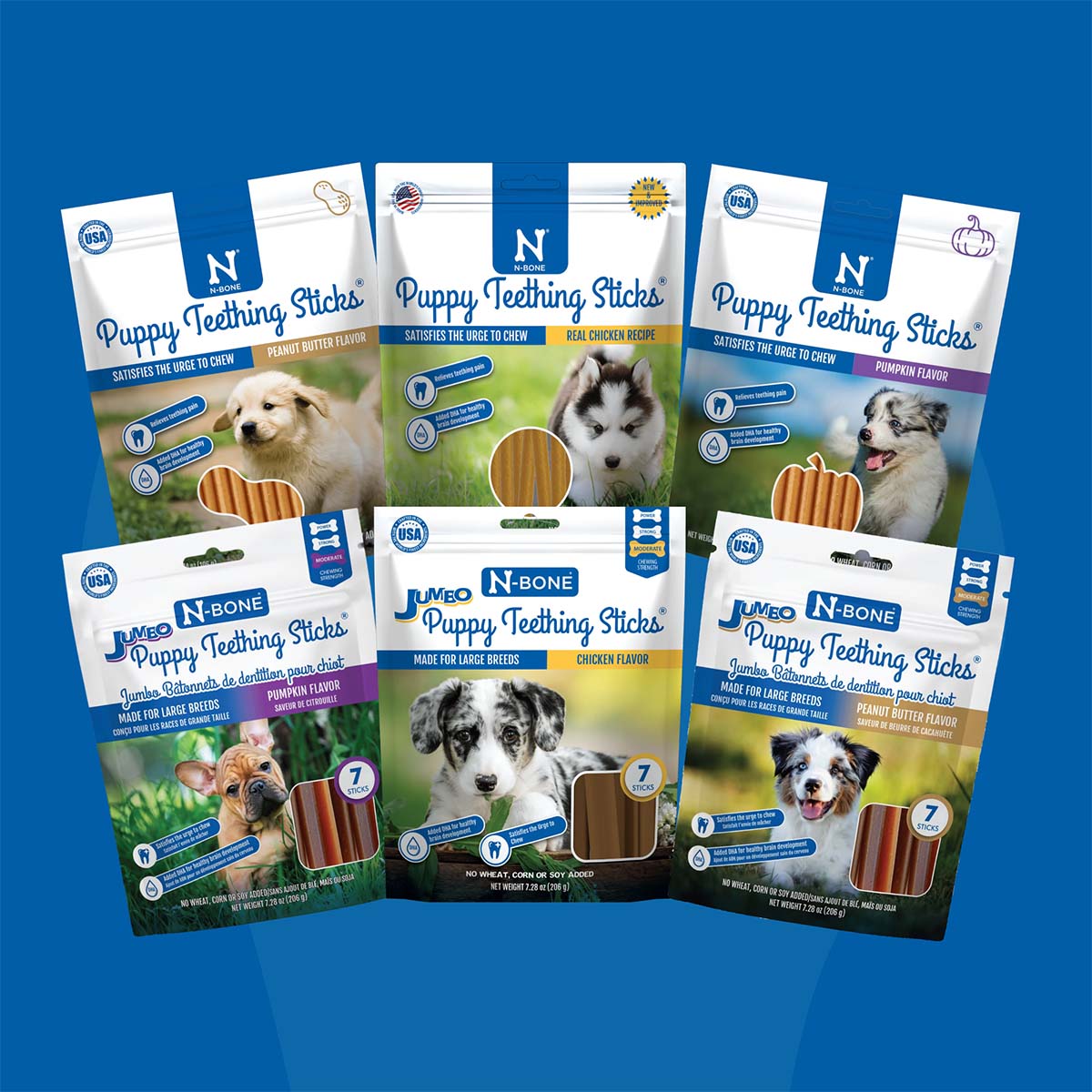
Some teething toys and gels need vet approval. A vet can recommend safe products for your puppy. Avoid items that may hurt gums or cause choking. Professional products often soothe pain and help teeth come in properly. Using the right tools supports healthy teething and comfort.

Credit: www.visco-foam.com
Frequently Asked Questions
How Long Does Teething Last In Puppies?
Puppy teething typically lasts from 3 to 6 months. During this time, baby teeth fall out and adult teeth grow. Proper chew toys can help ease discomfort and protect your belongings.
What Are Signs My Puppy Is Teething?
Common signs include excessive chewing, drooling, irritability, and swollen gums. Puppies may also lose appetite temporarily. Recognizing these helps you provide comfort and appropriate care.
What Are Safe Chew Toys For Teething Puppies?
Choose durable, non-toxic rubber or nylon toys designed for teething. Avoid small, breakable toys that can be swallowed. Chew toys soothe gums and prevent destructive chewing habits.
How Can I Relieve My Puppy’s Teething Pain?
Offer cold chew toys or damp washcloths chilled in the fridge. Gentle gum massages with a clean finger can also help. Always supervise to ensure safety during relief efforts.
Conclusion
Teething can be tough for puppies and owners alike. Gentle care helps ease their discomfort. Provide safe chew toys and keep an eye on them. Patience and love make this phase easier. Remember, teething does not last forever. Soon, your puppy will have strong, healthy teeth.
Enjoy the bonding time during this stage. Stay calm and consistent in your approach. Your puppy will thank you with a happy, wagging tail. Keep these tips in mind for a smooth teething journey.