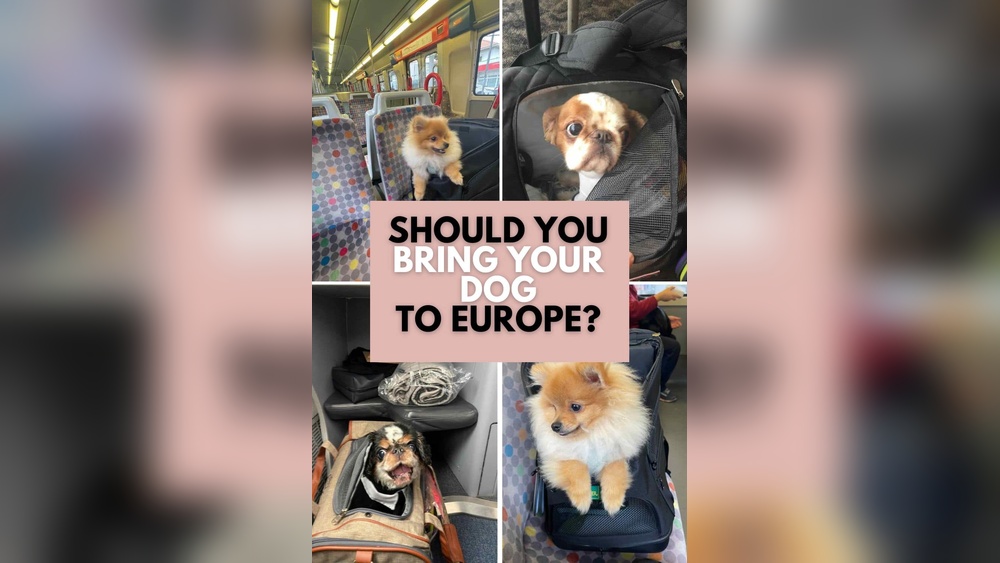
Planning a trip to Europe with your dog? You’re probably wondering how to make the experience smooth and fun for both of you.
Traveling with a furry friend can bring extra joy, but it also means facing unique challenges. From paperwork to pet-friendly places, there’s a lot to consider before you go. Keep reading to discover simple tips and essential advice that will help you and your dog enjoy every moment of your European adventure.
Preparing Your Dog For Travel
Preparing your dog for travel in Europe requires careful planning. Ensuring your pet’s health and safety makes the journey smooth. Start early to avoid last-minute stress. This section guides you through key steps to get your dog ready.
Health Checks And Vaccinations
Visit the vet for a full health check. Confirm your dog is fit to travel. Vaccinations must be up to date. Rabies shots are essential for most countries. Keep a record of all vaccinations. This helps at border checks and airports. Treat your dog for fleas and ticks before the trip.
Microchipping And Identification
Microchip your dog with an ISO-compliant chip. This is mandatory in many European countries. The chip must be registered with your contact details. Attach an ID tag with your phone number to the collar. This helps in case your dog gets lost. Double-check that all information is correct and current.
Travel Documents And Pet Passports
Obtain a pet passport if possible. It contains all health and vaccination records. This document speeds up border crossings. Carry your vet’s contact details and health certificates. Some countries may require additional paperwork. Check the entry rules for each country you visit. Keep all documents in a safe, accessible place.
Choosing Dog-friendly Destinations
Choosing dog-friendly destinations in Europe makes travel easier and more fun. Many places welcome pets with open arms. This means your dog can join you on adventures without stress. Finding spots that allow dogs helps you plan better. It also keeps your furry friend happy and safe.
Top Pet-friendly Cities In Europe
Some cities in Europe are very kind to dogs. Amsterdam offers many parks and pet-friendly cafes. Berlin has wide open spaces and dog-friendly public transport. Barcelona features beaches and walking paths where dogs are allowed. These cities often have hotels and restaurants welcoming pets. Exploring urban spots with your dog becomes a joy here.
Nature Spots And Outdoor Adventures
Europe has many natural places perfect for dogs. The Swiss Alps provide trails where dogs can run free. In Scotland, you find vast moors and lochs to explore. The Black Forest in Germany offers shaded paths and fresh air. Nature spots let dogs enjoy exercise and new smells. Outdoor adventures create special memories for you both.
Beaches And Parks Welcoming Dogs
Many European beaches allow dogs during certain seasons. The coast of Portugal has sandy shores where dogs can play. In France, some beaches have specific dog zones. Parks in cities like London and Paris often welcome pets. These places give dogs space to run and swim. They are perfect for relaxing days outdoors with your dog.
Transportation Tips With Your Dog
Traveling with a dog in Europe needs careful planning, especially about transportation. Knowing the rules and tips helps make the trip smooth. Pets have special needs during travel. Comfort and safety come first. This section covers how to travel with your dog by plane, train, bus, and car.
Flying With Your Pet
Most airlines allow small dogs in the cabin. Check the airline’s pet policy before booking. Use an airline-approved carrier that fits under the seat. Label the carrier with your contact details. Larger dogs usually fly in the cargo hold. Book a direct flight to reduce stress. Keep your dog calm with familiar toys or blankets. Avoid feeding your dog right before the flight. Hydration is important but do not give too much water.
Train And Bus Travel Rules
Rules vary across European countries and companies. Many trains allow dogs for free or a small fee. Dogs often need to wear a muzzle on buses and trains. Keep your dog on a short leash. A comfortable carrier or blanket helps your dog settle. Avoid busy travel times to reduce stress. Always check specific company rules before traveling. Some buses do not allow pets at all.
Driving And Road Trip Essentials
Cars offer flexibility and comfort for your dog. Use a dog seatbelt, crate, or barrier for safety. Stop every two hours for bathroom and water breaks. Never leave your dog alone in a parked car. Pack your dog’s food, water, and favorite toys. Bring a leash and waste bags. Plan routes with pet-friendly stops and accommodations. Keep your dog cool and comfortable during the drive.
Finding Pet-friendly Accommodation
Finding a place to stay with your dog in Europe can be easy and fun. Many places welcome pets and make your trip comfortable. Knowing where to find these spots helps you plan better. This section guides you through the best pet-friendly accommodations. Choose what fits your travel style and your dog’s needs.
Hotels And Hostels Accepting Dogs
Many hotels in Europe allow dogs. Some have special rooms just for guests with pets. Hostels also welcome dogs, often at a low cost. Check the rules about size and breed before booking. Bring your dog’s bed or blanket to make them feel at home. Staff usually appreciate pets and give helpful tips.
Vacation Rentals And Apartments
Renting an apartment or a house is a great choice. These places give more space for your dog to move. Many owners accept pets and list their homes as pet-friendly. Look for places with a yard or nearby parks. A kitchen helps you prepare meals for both of you. Book early to secure the best spots.
Camping And Outdoor Stays
Camping is perfect for active dogs who love nature. Many campgrounds in Europe accept dogs. You can find spots near lakes, forests, or mountains. Make sure to follow campground rules about pets. Bring a leash and clean up after your dog. Outdoor stays create great memories for you and your dog.
Packing Essentials For Your Dog
Packing for your dog is key to a smooth trip across Europe. Dogs need special items to stay happy and healthy. Prepare well to avoid stress and keep your dog comfortable. Focus on basics like food, comfort, and safety. Each item has a role in your dog’s travel experience.
Food And Water Supplies
Bring enough food for the whole trip. Carry your dog’s regular food to prevent stomach issues. Pack portable bowls for food and water. A collapsible water bowl saves space and is easy to use. Always have fresh water available during travel. Treats are great for rewarding good behavior on the road.
Comfort Items And Toys
Familiar items help dogs feel safe in new places. Pack your dog’s favorite blanket or bed. Toys keep your dog entertained and calm. Chew toys reduce anxiety during long trips. Small, lightweight toys are easier to carry. Comfort items remind your dog of home.
Safety Gear And First Aid
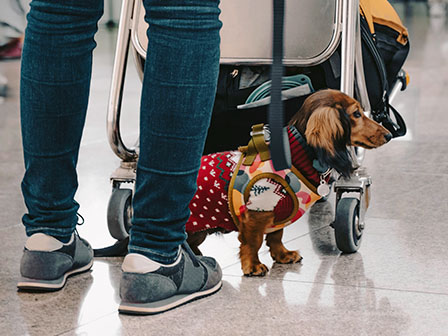
Use a sturdy leash and collar with ID tags. A harness offers better control during walks. Carry a dog first aid kit for emergencies. Include bandages, antiseptic wipes, and tweezers. Know the location of nearby vets in your travel area. Safety gear protects your dog and gives peace of mind.
Credit: www.iberia.com
Managing Dog Behavior On The Road
Traveling with a dog in Europe can be exciting but also challenging. Managing your dog’s behavior on the road is key to a smooth trip. Dogs may feel anxious or stressed in new places. Training and socializing help them adapt quickly. This section covers practical tips to keep your dog calm and happy during travel.
Dealing With Anxiety And Stress
Many dogs feel nervous in unfamiliar settings. Signs include whining, shaking, or pacing. Create a calm space in the car or hotel room. Bring favorite toys and blankets for comfort. Take regular breaks to let your dog stretch and relax. Use gentle praise and stay calm yourself. This helps your dog feel safe and secure.
Training Tips For Travel
Train your dog to enjoy travel early on. Practice short trips to build confidence. Teach basic commands like “sit,” “stay,” and “come.” Use positive reinforcement with treats or praise. Make travel a fun experience, not a punishment. Consistent training helps your dog behave well in new places.
Socializing In New Environments
Expose your dog to different sights and sounds. Visit parks, busy streets, and pet-friendly cafes. Let your dog meet other dogs and people calmly. Watch for signs of fear or aggression. Keep social interactions positive and brief at first. Socializing helps your dog adjust and enjoy travel more.
Local Laws And Regulations
Traveling with a dog in Europe means following local laws carefully. Each country has rules to keep dogs and people safe. Knowing these rules helps you avoid trouble and enjoy your trip.
Leash And Muzzle Requirements
Many places in Europe require dogs to be on a leash in public areas. Some countries ask for muzzles on certain breeds or in crowded spots. Always carry a leash and a muzzle to be ready. Rules vary by city and park, so check before you visit.
Restricted Areas And Breed Bans
Some areas do not allow dogs, such as beaches or nature reserves. Certain breeds may be banned or need special permits. These rules protect people and wildlife. Research local restrictions to find pet-friendly spots for your dog.
Waste Disposal Rules
Cleaning up after your dog is a must in Europe. Many cities have fines for not picking up waste. Carry bags and dispose of them in bins. Keeping places clean shows respect and keeps your dog welcome.
Health And Emergency Care Abroad
Traveling with a dog in Europe means planning for health and emergencies. Dogs can get sick or hurt just like people. Knowing what to do keeps your trip safe and fun. Prepare for health needs before you go and have a plan for emergencies. This helps you stay calm and act fast.
Finding Veterinarians Nearby
Research vets near your stay. Use apps or websites to find clinics. Write down their addresses and phone numbers. Some vets speak English, which helps communication. Call ahead to check their hours and services. Keep this information handy on your phone or paper.
Pet Insurance Options
Pet insurance covers unexpected health costs. Check if your insurance works abroad. Some companies offer special travel plans. Choose a plan with emergency coverage. Compare prices and what each plan covers. Carry your insurance card and contact details with you.
Handling Emergencies
Stay calm during an emergency. Know the local emergency number for vets. Have a first aid kit for your dog. Learn basic first aid for pets before traveling. If your dog is hurt, get help fast. Share your dog’s medical history with the vet. Keep emergency contacts ready, including your vet at home.
Enjoying Activities Together
Traveling with your dog in Europe opens many chances to enjoy time together. Sharing activities builds a strong bond. It also makes the trip fun for both you and your pet. Europe offers many options where dogs are welcome. From cozy cafes to lively festivals, your dog can join the adventure.
Dog-friendly Cafes And Restaurants
Many cafes and restaurants in Europe welcome dogs. Some provide water bowls and special treats. Outdoor seating areas often allow pets to relax with owners. These spots offer a chance to rest and enjoy local food. You can savor European flavors while your dog rests nearby. It’s a great way to include your pet in daily moments.
Outdoor Activities And Sports
Europe has beautiful parks, beaches, and hiking trails perfect for dogs. Your dog can run, swim, and explore nature freely. Many places have dog-friendly sports like agility courses or fetch zones. These activities keep your dog active and happy. They also give you fresh air and exercise. Enjoying the outdoors together makes your trip memorable.
Events And Festivals For Pets
Some European cities host events just for pets and their owners. Dog parades, pet fairs, and competitions happen throughout the year. These events offer fun ways to meet other pet lovers. They often include games, contests, and pet-friendly food stalls. Joining a festival creates joyful memories for you and your dog. It’s a unique experience that celebrates your pet’s presence.

Credit: www.execpets.co.uk

Credit: www.rac.co.uk
Frequently Asked Questions
What Documents Are Needed For Travelling With A Dog In Europe?
You need a valid pet passport, microchip ID, and up-to-date vaccinations. Some countries may require a rabies blood test or tapeworm treatment. Always check specific country entry requirements before travel to avoid delays.
Are Dogs Allowed On European Public Transport?
Many European countries allow dogs on trains and buses with a ticket or muzzle. Rules vary by country and transport provider. Small dogs often travel free in carriers, while larger dogs may require a ticket or leash.
How To Find Dog-friendly Accommodation In Europe?
Use pet-friendly booking websites or filter options on major hotel platforms. Many hotels, B&Bs, and vacation rentals welcome dogs but check policies on size, fees, and amenities beforehand. Booking early ensures availability during peak seasons.
Can I Travel With My Dog On European Flights?
Yes, but airline policies differ. Small dogs usually fly in the cabin; larger dogs travel in the cargo hold. Book in advance, provide a suitable carrier, and check health certificates and vaccination records required by the airline.
Conclusion
Travelling with a dog in Europe can be fun and smooth. Plan your trip well and follow the rules. Pack your dog’s essentials and keep them comfortable. Take breaks during long journeys for rest and play. Enjoy the beautiful places and create happy memories together.
Each country may have different pet laws, so check before you go. Your dog will love the adventure as much as you do. Safe travels and happy tails!