

Are you looking to give your dog the best nutrition possible but don’t know where to find reliable information on nutritionally complete dog food? You want to make sure your furry friend gets all the essential nutrients for a healthy and happy life.
But with so many options and conflicting advice out there, it’s easy to feel overwhelmed and unsure. You’ll discover exactly where to get trustworthy, clear, and helpful information to choose the right food for your dog. Keep reading, because the health and happiness of your pet depend on the choices you make today.
Key Nutrients In Complete Dog Food
Complete dog food provides all the nutrients dogs need for good health. It combines different ingredients to support energy, growth, and body functions. Understanding the key nutrients helps pet owners choose the right food and keep their dogs healthy.
Proteins And Amino Acids
Proteins build and repair muscles, skin, and organs. Dogs need high-quality protein from meat, fish, or eggs. Amino acids are the building blocks of protein. Some amino acids are essential and must come from food. They help with growth, immune health, and energy.
Essential Fats
Fats provide energy and keep the skin and coat healthy. Omega-3 and Omega-6 are vital fats dogs cannot make on their own. These fats reduce inflammation and support brain and heart health. Healthy fats also help absorb fat-soluble vitamins.
Vitamins And Minerals
Vitamins support the immune system and help cells work properly. Important vitamins include A, D, E, and B-complex. Minerals like calcium, phosphorus, and zinc strengthen bones and teeth. They also help muscles, nerves, and blood stay healthy.
Carbohydrates And Fiber
Carbohydrates give dogs quick energy. Sources include rice, oats, and vegetables. Fiber helps digestion and keeps the stomach healthy. It also helps control blood sugar and supports weight management.
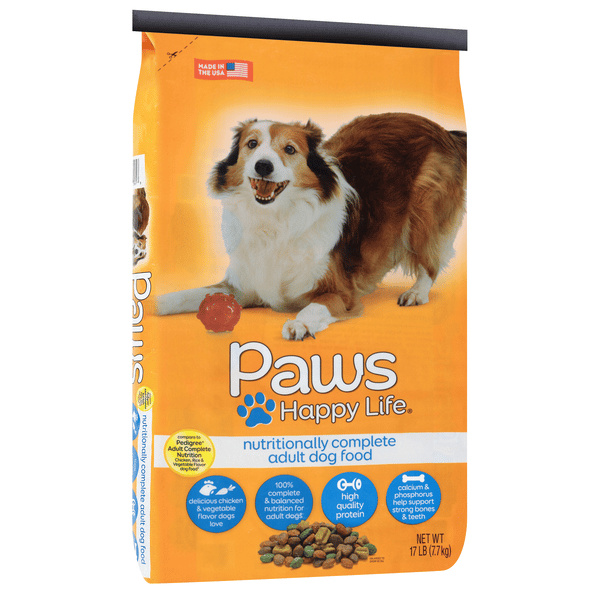
Credit: www.hy-vee.com
Reading Dog Food Labels
Reading dog food labels helps you choose the best nutrition for your dog. Labels show what is inside the food and if it meets your dog’s needs. Understanding labels keeps your dog healthy and happy.
Labels give clear facts about ingredients, nutrients, and safety. Knowing how to read them saves time and money. It also helps avoid harmful or low-quality foods.
Ingredients List
The ingredients list shows all items used in the food. They are listed from the most to the least amount. Look for real meat, vegetables, and whole grains. Avoid foods with too many fillers or artificial additives.
Ingredients like chicken, beef, or fish should be first. This means your dog gets more protein. Healthy fats and fiber sources are also important for energy and digestion.
Guaranteed Analysis
The guaranteed analysis tells the minimum and maximum nutrient levels. It shows protein, fat, fiber, and moisture percentages. This helps compare foods and check if they match your dog’s needs.
High protein supports muscles and energy. Fat provides essential fatty acids and fuel. Fiber helps with digestion. Moisture is the water content in the food.
Nutritional Adequacy Statement
This statement confirms the food meets dog nutrition standards. Look for phrases like “complete and balanced.” It means the food has all essential nutrients in the right amounts.
Statements may refer to AAFCO or other trusted groups. This assures safety and quality. Feeding such food supports your dog’s growth and health.
Trusted Sources For Nutritional Information
Finding accurate information about nutritionally complete dog food is key for your pet’s health. Trusted sources guide you to make safe and informed choices. They provide facts based on research and experience.
Rely on experts who understand dog nutrition well. They can explain ingredients and nutritional needs clearly. This ensures your dog gets balanced meals for growth and energy.
Veterinarian Recommendations
Veterinarians know dogs’ dietary needs best. They assess your dog’s health and suggest suitable food types. Their advice is based on science and clinical experience. Follow their guidance for food that supports your dog’s well-being.
Pet Nutrition Experts
Pet nutrition experts study animal diets and nutrition closely. They write articles, books, and guides on healthy dog food. Their insights help you understand complex ingredients simply. Trust their knowledge to choose food that meets all nutritional requirements.
Reputable Pet Food Brands
Reputable pet food brands invest in research and quality control. They follow strict standards to ensure complete nutrition. Look for brands that share detailed ingredient lists and feeding instructions. These brands offer transparency and reliability for your dog’s diet.
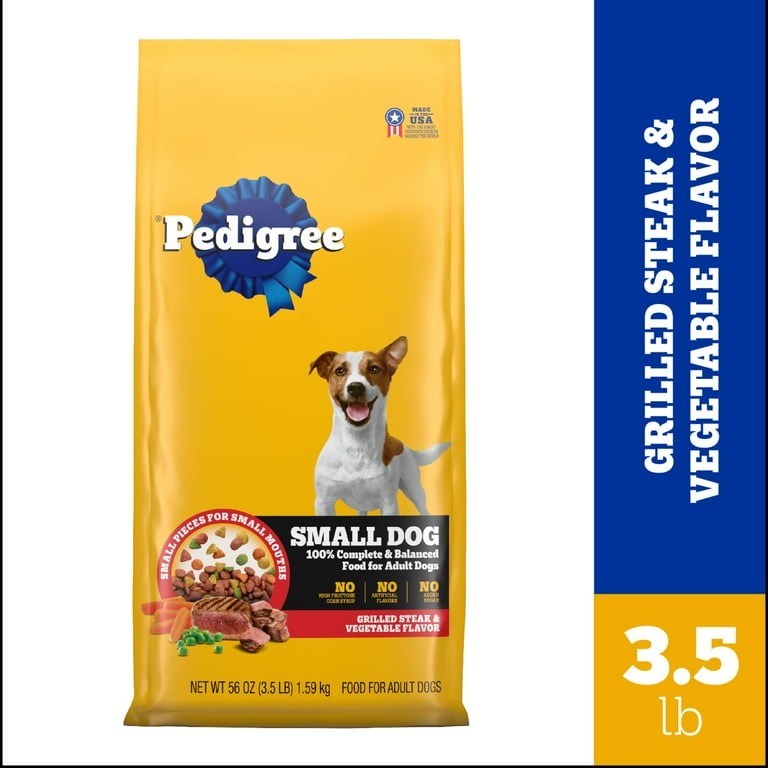
Credit: www.walmart.com
Researching Nutritionally Complete Dog Food
Researching nutritionally complete dog food is important for your pet’s health. It helps you find food that meets all their needs. Understanding the quality and safety of dog food takes time and effort. Reliable information guides you to make the best choice for your dog’s diet.
Scientific Studies And Publications
Scientific studies show how well dog foods meet nutritional standards. Researchers test ingredients and nutrient levels. These studies help verify if a food supports your dog’s health. Look for research from trusted universities or animal health experts. Journals and publications provide facts, not opinions.
Industry Certifications
Certifications show that a dog food meets safety and quality rules. Organizations like AAFCO set nutrition standards for pet foods. A certified product follows strict guidelines. It proves the food is complete and balanced. Check labels for these marks before buying.
Customer Reviews And Feedback
Customer reviews share real experiences with dog foods. They tell you how dogs react to the food. Reviews can highlight taste, digestion, and health effects. Pay attention to comments about allergies or picky eaters. Honest feedback helps you understand the food’s value.
Customizing Dog Food For Specific Needs
Customizing dog food for specific needs helps ensure your pet gets the right nutrition. Each dog is unique, with different requirements based on many factors. Tailoring their diet supports better health and happiness. Understanding these factors guides you in choosing or making the best food.
Breed And Size Considerations
Different breeds have different nutritional needs. Small breeds burn energy faster and need more calories per pound. Large breeds require nutrients that support joint health and bone strength. Tailoring food by breed and size helps your dog stay active and strong.
Age And Life Stage
Puppies need extra protein and fats for growth. Adult dogs require balanced nutrients to maintain health. Senior dogs benefit from food that supports digestion and joint care. Adjusting food based on age keeps your dog healthy at every stage.
Health Conditions
Some dogs have special health needs like allergies or kidney issues. Food with limited ingredients can reduce allergy symptoms. Dogs with kidney problems need lower protein and phosphorus levels. Custom diets help manage these conditions and improve your dog’s quality of life.
Common Myths And Misconceptions
Many people have wrong ideas about what makes dog food truly complete and healthy. These myths can confuse pet owners and lead to poor choices. Clear facts help you feed your dog the right food for its health and happiness.
Homemade Vs. Commercial Food
Some think homemade food is always better than store-bought. Homemade meals can lack important vitamins and minerals. Commercial dog food is made to meet strict nutrition rules. It often has a balanced mix of nutrients dogs need every day.
Grain-free Diets
Grain-free food is popular but not always needed. Dogs can digest grains well. Grain-free diets do not suit every dog. Some may even cause health problems. It is best to follow a vet’s advice about grains.
Raw Food Diets
Raw food diets seem natural but carry risks. Raw meat can have harmful bacteria. Cooking food kills these bacteria and protects dogs. Also, raw diets may miss key nutrients. Proper balance is hard to achieve without expert help.
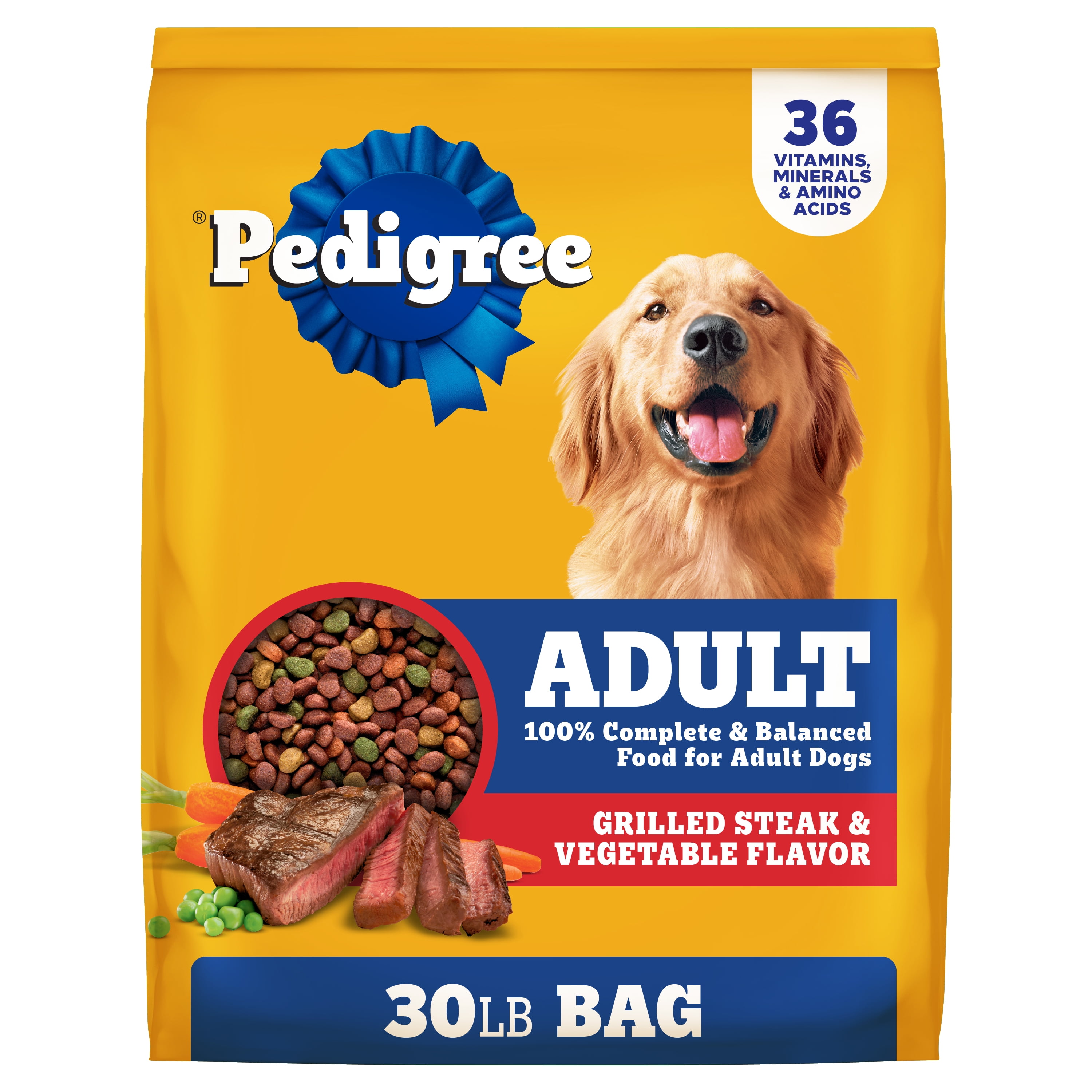
Credit: www.walmart.com
Frequently Asked Questions
Where Can I Find Reliable Information On Nutritionally Complete Dog Food?
You can find reliable information on websites of veterinary schools, pet nutritionists, and reputable pet food brands. Government agencies like the FDA and AAFCO also provide trustworthy guidelines and standards for dog food nutrition.
What Ingredients Ensure Dog Food Is Nutritionally Complete?
Look for proteins like chicken or lamb, carbohydrates such as rice or barley, and essential fats. The food should include vitamins, minerals, and amino acids to meet your dog’s daily nutritional needs fully.
How Do I Verify Dog Food Nutritional Claims?
Check for AAFCO approval on the packaging, which confirms the food meets nutritional standards. Also, review ingredient lists and consult veterinary professionals for personalized recommendations.
Are Homemade Diets Nutritionally Complete For Dogs?
Homemade diets can be complete if properly balanced with all essential nutrients. Consult a veterinary nutritionist to design recipes that ensure your dog receives adequate nutrition.
Conclusion
Finding reliable information on nutritionally complete dog food takes time and care. Check labels carefully for essential nutrients. Visit trusted websites and consult with veterinarians for advice. Reading reviews from other dog owners helps too. Always choose food that suits your dog’s specific needs.
Proper nutrition keeps dogs healthy and happy. Stay informed and make smart choices for your pet’s diet.


