If you have a new puppy, you’ve probably noticed some chewing, drooling, or fussiness lately. That’s because your puppy is teething, and it can be a tricky time for both of you.
But don’t worry—knowing the right tips can make this phase easier and less stressful. You’ll discover simple, effective ways to soothe your puppy’s sore gums and protect your belongings from those sharp little teeth. Keep reading, and you’ll feel confident helping your puppy through teething with ease.
Credit: npicpet.com
Signs Of Puppy Teething
Teething is a natural phase in a puppy’s growth. It usually starts around three weeks old and lasts until about six months. During this time, puppies lose their baby teeth and grow adult teeth. Recognizing the signs of teething helps you provide comfort and care. Watch closely for changes in your puppy’s mouth and behavior.
Common Symptoms To Watch
Puppies often chew on objects more than usual. Their gums may look red or swollen. Drooling can increase, sometimes with a bit of blood. You might see tiny teeth falling out. Some puppies may have mild mouth pain or discomfort. These signs usually last several weeks as teeth come in.
Behavioral Changes In Puppies
Teething can make puppies restless and irritable. They may cry or whine more often. Sleep patterns could change, with frequent waking. Chewing on furniture or shoes is common. Puppies might want extra attention and comfort. Understanding these behaviors helps you stay patient and supportive.

Credit: www.visco-foam.com
Safe Chew Toys For Puppies
Teething is a tough time for puppies. Their gums hurt as new teeth come in. Safe chew toys help soothe their pain. These toys protect their teeth and keep them busy. Choosing the right toys is very important. The wrong ones can hurt your puppy or cause choking. Understanding what makes a chew toy safe helps you pick the best option.
Best Materials For Teething Relief
Soft rubber is gentle on puppy gums. It lasts long and cleans teeth while chewing. Nylon toys made for puppies are strong and safe. They help reduce chewing on furniture or shoes. Natural materials like untreated wood or rubber are good choices. Avoid toys that splinter or break easily. Frozen toys or ones you cool in the fridge provide extra relief. They numb the gums and reduce swelling fast.
Avoiding Harmful Toys
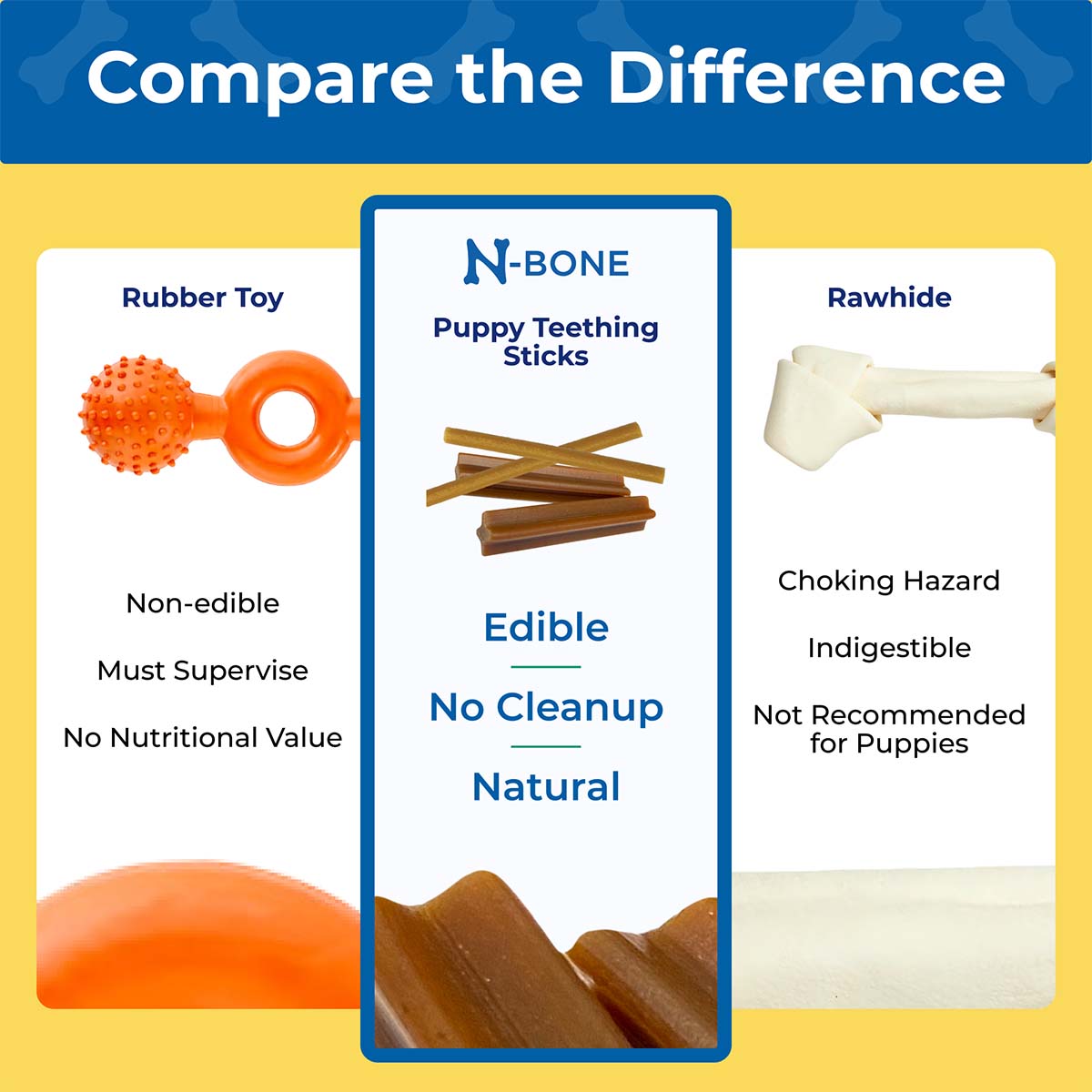
Steer clear of small toys your puppy can swallow. Hard plastic or toys with sharp edges cause injury. Avoid toys with toxic paint or chemicals. Rawhide can choke or upset your puppy’s stomach. Stay away from toys that break into small parts. These parts can block your puppy’s throat. Always check toys for damage and throw away broken ones. Supervise your puppy while chewing to keep them safe.
Home Remedies To Soothe Pain
Puppy teething can be tough for both pets and owners. Puppies feel discomfort as their new teeth grow. Home remedies can help ease their pain safely. These simple methods calm puppies and keep them happy.
Cold Compresses And Frozen Treats
Cold helps reduce swelling and numb pain. Use a clean cloth soaked in cold water. Gently press it on your puppy’s gums for a few minutes. Frozen treats are another great option. Freeze a damp washcloth or a soft toy. Let your puppy chew on it carefully. The cold soothes their sore gums quickly.
Gentle Massage Techniques
Massaging the gums helps improve blood flow and relieve pain. Wash your hands well before starting. Use your finger to rub the gums softly. Do this in small circles around the sore spots. Keep the pressure light to avoid hurting your puppy. This simple touch offers comfort and relaxation during teething.
Maintaining Oral Hygiene
Maintaining oral hygiene is key for a healthy puppy. It helps prevent bad breath, gum disease, and tooth problems. Starting good habits early makes cleaning easier as your puppy grows. Regular care keeps their mouth fresh and pain-free during teething.
Brushing Tips For Puppies
Begin brushing your puppy’s teeth gently. Use a soft-bristled toothbrush made for dogs. Brush in small circles for about 30 seconds. Focus on the front and back teeth. Make brushing a calm, fun time with praise and treats. Start slowly and increase brushing time each day.
Choosing Puppy-friendly Toothpaste
Pick toothpaste made especially for puppies. These have safe, mild ingredients and flavors puppies enjoy. Never use human toothpaste, which can harm your puppy. Puppy toothpaste helps fight plaque and keeps breath fresh. Use a small amount on the toothbrush for best results.
Diet Adjustments During Teething
Teething can be a tough time for puppies. Their gums feel sore, and chewing becomes a way to ease the pain. Changing their diet helps them stay comfortable and healthy. Soft foods make eating easier during teething. Proper nutrients support strong teeth and overall health.
Soft Food Options
Soft foods are gentle on sore gums. Wet puppy food works well. You can also soak dry kibble in warm water. This softens the food and makes chewing easier. Cooked vegetables like carrots or sweet potatoes can be mashed. These options keep your puppy eating without pain.
Nutritional Support For Healthy Teeth
Vitamins and minerals help build strong teeth. Calcium and phosphorus are key for dental health. Look for puppy foods rich in these nutrients. Omega-3 fatty acids reduce gum inflammation. Protein supports tissue repair during teething. Balanced nutrition speeds up healing and keeps teeth strong.
Credit: npicpet.com
When To See The Vet
Teething is a natural part of a puppy’s growth. Most puppies handle it well. Sometimes, teething may cause problems. Knowing when to see the vet helps protect your puppy’s health. Early care can prevent pain or infection from getting worse.
Signs Of Infection Or Complications
Watch for swollen or red gums that do not improve. Pus or bad smell from the mouth shows infection. Your puppy may refuse to eat or drink. Excessive drooling or bleeding gums needs attention. Fever and lethargy are signs of illness. These signs mean a vet visit is needed quickly.
Professional Teething Advice
Vets can check if teething is normal or if there is a problem. They may suggest safe chew toys to ease pain. A vet can teach how to keep your puppy’s mouth clean. Sometimes, medicine helps reduce pain or treat infections. Trusting a vet’s advice keeps your puppy healthy and happy.
Frequently Asked Questions
What Are The Signs Of Puppy Teething?
Puppies may chew excessively, drool more, and have swollen gums. They might also be irritable and bite more during teething. Recognizing these signs helps you provide proper care and comfort to your puppy.
How Can I Soothe My Puppy’s Teething Pain?
Offer cold chew toys or frozen treats to reduce gum discomfort. Gentle gum massages can also help. Avoid hard objects that might damage teeth. Providing safe chew options soothes pain and prevents destructive chewing.
When Does Puppy Teething Usually Start And End?
Puppy teething generally begins around 3 weeks old and lasts until 6 months. Baby teeth fall out as adult teeth grow in. Monitoring this timeline helps you manage your puppy’s dental health effectively.
What Types Of Toys Are Best For Teething Puppies?
Durable, soft rubber chew toys are ideal for teething puppies. They relieve gum pain without harming developing teeth. Avoid small or hard toys that pose choking hazards or damage teeth.
Conclusion
Teething can be tough for puppies and their owners. Use safe chew toys to ease discomfort. Keep an eye on your puppy’s gums and teeth. Regular cleaning helps prevent problems later on. Patience and care make this stage easier. Remember, teething is temporary and will soon pass.
Enjoy the time with your growing puppy. Small steps lead to a happy, healthy dog. Stay calm and consistent every day. Your puppy will thank you with love and trust.