

Have you ever wondered what makes toy breed dogs so special? These tiny pups pack a big personality into a small package, and understanding what a toy breed dog really is can help you decide if one is the perfect fit for your home.
Whether you’re looking for a loyal companion or a playful friend, knowing the unique traits of toy breeds will give you an edge in choosing the right dog. Keep reading to discover everything you need to know about toy breed dogs and why they might just steal your heart.
Toy Breed Characteristics
Toy breed dogs are small in size but big in personality. They have unique traits that make them special companions. Understanding their characteristics helps in caring for them better.
Size And Appearance
Toy breeds are very small. Most weigh under 7 pounds. Their height usually stays below 12 inches. They have delicate bones and fine features. Despite their size, they often look lively and alert. Their coats can be long, short, smooth, or curly. Colors vary widely among different toy breeds.
Temperament Traits
Toy breeds are friendly and loving. They enjoy being close to their owners. Many are playful and curious. Some can be bold, acting much bigger than they are. They often form strong bonds with family members. These dogs usually adapt well to apartment life. They need gentle training and socialization early on.
Common Health Concerns
Toy dogs can face health challenges. Their small size makes them prone to injuries. Dental problems are common in toy breeds. Regular teeth cleaning is important. Some may have joint issues or heart problems. Keeping them at a healthy weight helps. Frequent vet visits ensure early problem detection.

Credit: www.yahoo.com
Popular Toy Breeds
Toy breed dogs are small in size but big in personality. They fit well in apartments and small homes. These dogs need less space but still offer great companionship. Many people love toy breeds for their cute looks and lively behavior.
Here are some popular toy breeds that have captured hearts worldwide. Each breed has unique traits and care needs. Knowing about them helps in choosing the right toy dog for your lifestyle.
Chihuahua
The Chihuahua is one of the smallest dog breeds. It weighs only 2 to 6 pounds. This breed is known for its bold and confident nature. Chihuahuas are loyal and often form strong bonds with their owners. They have large eyes and ears that give them a unique look. Daily walks and playtime keep them happy.
Pomeranian
Pomeranians are fluffy and lively dogs. They usually weigh between 3 to 7 pounds. Their thick coat needs regular brushing to stay clean. These dogs are smart and enjoy learning tricks. Pomeranians like being the center of attention. They bark to alert but are friendly with family members.
Yorkshire Terrier
Yorkshire Terriers, or Yorkies, are small but brave. They weigh about 4 to 7 pounds. Yorkies have silky hair that looks like fine silk. They need regular grooming to avoid tangles. These dogs are energetic and love to explore. Yorkies are also very affectionate and protective of their owners.
Maltese
The Maltese is a gentle and playful breed. It weighs around 4 to 7 pounds. Their white, long coat requires daily care. Maltese dogs enjoy cuddling and being close to people. They are good with children and other pets. This breed adapts well to different living spaces.
Living With Toy Dogs
Living with toy dogs means enjoying their small size and big personality. These little companions fit well in apartments and small homes. They love being close to their owners and often form strong bonds. Their tiny bodies need special care to stay happy and healthy.
Exercise Needs
Toy dogs need daily exercise to stay fit. Short walks or indoor play sessions work well. They get tired faster than bigger dogs. Gentle activities help avoid injuries. Exercise also keeps their minds sharp and reduces boredom.
Grooming Tips
Grooming depends on the toy dog’s coat type. Long-haired breeds need brushing every day. Short-haired dogs require less frequent brushing. Regular nail trimming is important for small paws. Clean their ears and teeth to prevent problems. Bathing should be gentle and not too often.
Training Challenges
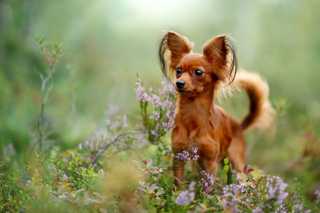
Toy dogs can be stubborn at times. They might be hard to train with distractions around. Consistency and patience work best for teaching commands. Use small treats as rewards to encourage good behavior. Early socialization helps reduce fear and aggression. Training makes living together easier and fun.
Credit: www.petfinder.com
Toy Dogs And Families
Toy breed dogs bring joy to many families. Their small size makes them easy to handle. Families often wonder if these dogs fit well with children, other pets, and home types. Understanding these factors helps families choose the right toy dog.
Suitability For Children
Toy dogs are gentle and friendly. They usually enjoy playing with kids. Small size means children must be careful and gentle. These dogs can get hurt by rough play. Supervised interaction keeps both safe and happy. Toy dogs teach kids responsibility and kindness.
Interaction With Other Pets
Toy dogs often get along with other pets. They like company but may feel scared around big animals. Proper introductions are important. Calm pets help toy dogs feel safe. Playtime with other pets can be fun and social. Always watch their behavior to avoid problems.
Ideal Living Environments
Toy dogs fit well in small homes and apartments. They do not need large yards. These dogs enjoy indoor play and short walks. Quiet environments suit their gentle nature. Families in busy cities find toy dogs perfect. Their small size makes travel easier too.
Choosing The Right Toy Breed
Choosing the right toy breed dog takes thought and care. These small dogs bring joy, but each has unique needs. Knowing your lifestyle helps find the best match. Some toy breeds need lots of attention, while others are more independent. Consider your daily routine and home space. This helps ensure a happy life for both you and your new pet.
Lifestyle Considerations
Think about your daily activities and how much time you spend at home. Toy breeds need exercise and playtime, even if small. Some dogs enjoy calm days, others need more action. Your home size matters too. Small apartments suit tiny, quiet breeds better. If you travel a lot, choose a dog that handles change well. This keeps your pet safe and happy.
Allergy-friendly Options
Many people worry about allergies when choosing a dog. Some toy breeds shed less, causing fewer allergies. Breeds like the Maltese or Bichon Frise have hair that grows, not sheds. This reduces dander, which triggers allergies. Still, no dog is fully hypoallergenic. Spend time with a breed before deciding. This helps you see how your body reacts.
Adoption Vs. Breeders
Deciding where to get your toy breed is important. Adoption shelters have many small dogs needing homes. These pets are often healthy and well cared for. Adopting saves a life and costs less. Breeders offer specific breeds and puppies with papers. Choose breeders who care about health and temperament. Research both options to find a dog that fits your needs.
)
Credit: lyka.com.au
Frequently Asked Questions
What Defines A Toy Breed Dog?
A toy breed dog is a small-sized dog bred primarily for companionship. These dogs usually weigh under 7 pounds and have distinct, delicate features. They are known for their friendly nature and suitability for apartment living, making them popular pets worldwide.
Are Toy Breed Dogs Good For Apartments?
Yes, toy breed dogs are ideal for apartments due to their small size. They require less space and exercise compared to larger breeds. Their compact nature makes them easy to manage indoors, fitting well into urban lifestyles and smaller living environments.
How Long Do Toy Breed Dogs Live?
Toy breed dogs typically have a lifespan of 12 to 16 years. Their smaller size contributes to their longer life expectancy compared to larger breeds. Proper care, nutrition, and regular vet visits can help maximize their healthy years.
What Are Common Health Issues In Toy Breeds?
Toy breeds often face dental problems and fragile bones. They can also be prone to heart issues and hypoglycemia. Regular veterinary check-ups and preventive care are essential to catch and manage these health concerns early.
Conclusion
Toy breed dogs bring joy with their small size and big hearts. They fit well in apartments and busy homes. These dogs need love, care, and regular exercise. Their friendly nature makes them great companions. Choosing a toy breed means having a loyal, playful friend.
Small but full of life. Perfect for many families and lifestyles. Understanding their traits helps you give the best care. Toy breeds offer happiness in a tiny package. A wonderful choice for dog lovers everywhere.


