

Are you curious about which dog breeds are often labeled as aggressive? Understanding this can help you make smarter choices, whether you’re thinking about adopting a dog or just want to stay safe around certain breeds.
Some dogs have a reputation that might surprise you, and knowing the facts can protect you and your loved ones. Keep reading to discover which breeds are considered aggressive and what that really means for you.

Credit: www.planetdeadly.com
Common Aggressive Dog Breeds
Some dog breeds have a reputation for being more aggressive than others. This reputation comes from their history, strength, and behavior patterns. Understanding these breeds helps owners manage and train their dogs better. Aggression in dogs often depends on training and environment, not just breed.
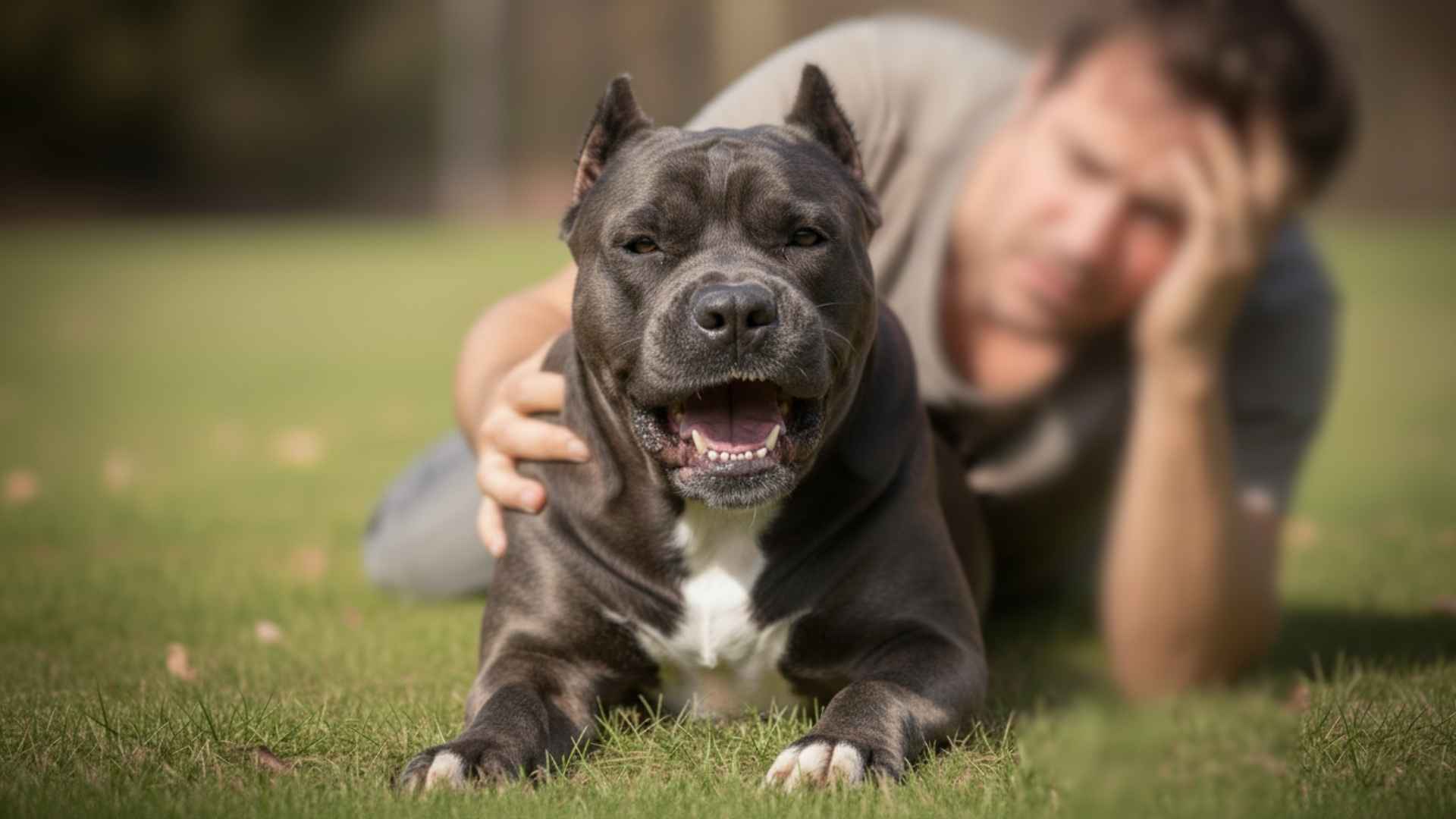
Pit Bulls
Pit Bulls are strong and muscular dogs. They were originally bred for bull-baiting and fighting. This history contributes to their aggressive reputation. Proper training and socialization can reduce aggressive tendencies. Many Pit Bulls are friendly and loyal pets.
Rottweilers
Rottweilers are large and powerful dogs. They were used as guard dogs and herders. Their protective nature can sometimes seem aggressive. Early training is important to control their behavior. Rottweilers often form strong bonds with their families.
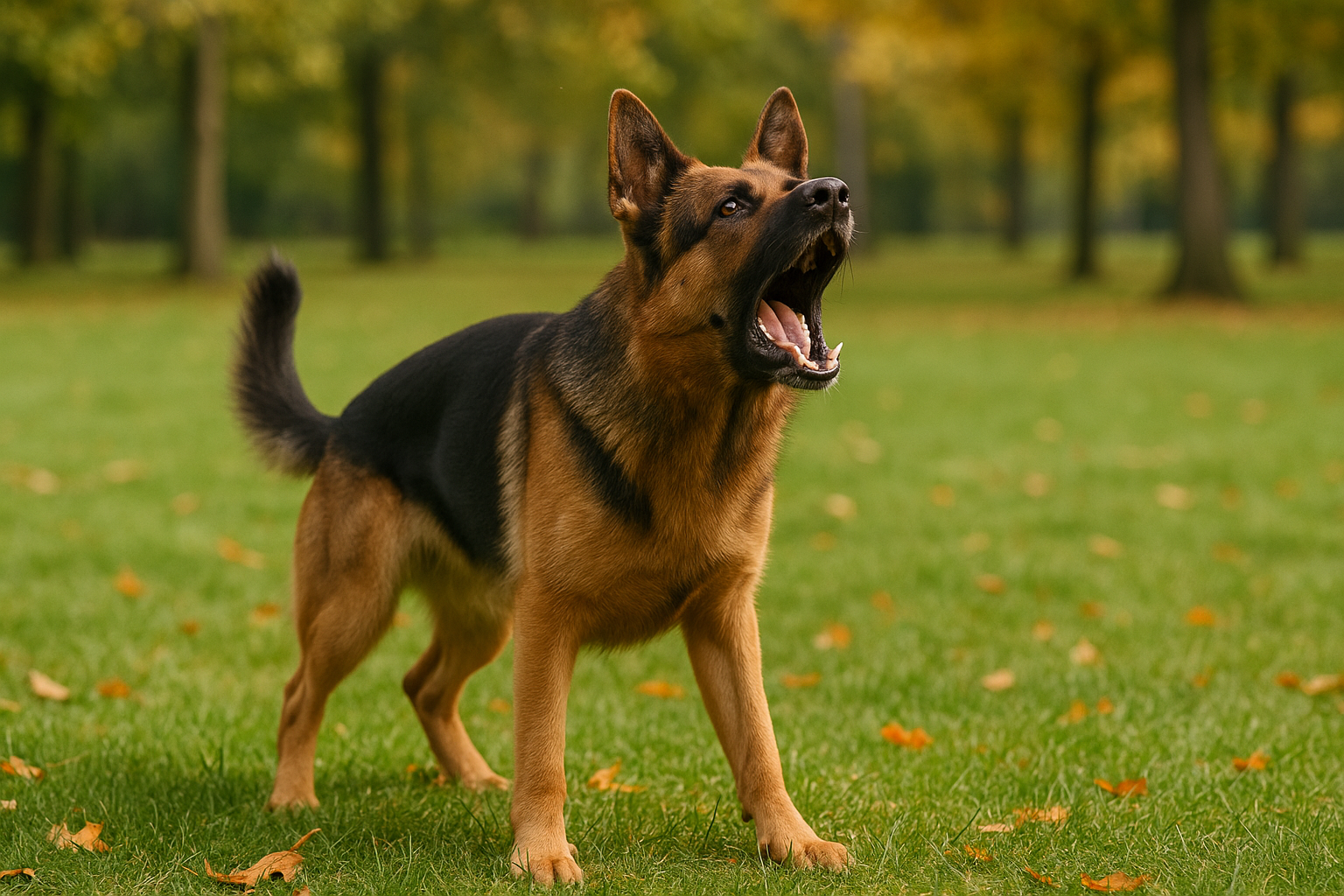
German Shepherds
German Shepherds are smart and alert dogs. They are often used in police and military work. Their high energy and protective instincts can lead to aggression. Training helps them focus and obey commands. These dogs are very loyal and obedient.
Doberman Pinschers
Dobermans are fast and intelligent dogs. They have a reputation for being fierce protectors. They require firm and consistent training. Without guidance, they may show aggressive behavior. Dobermans are very loyal to their owners.
Chow Chows
Chow Chows have a strong and independent nature. They can be stubborn and wary of strangers. This breed may show aggressive behavior if not socialized early. They need patient training and clear boundaries. Chow Chows are known for their loyalty and courage.
Credit: www.herberttrial.com
Factors Influencing Aggression
Aggression in dogs is a complex behavior influenced by many factors. Understanding these helps identify why some breeds may act aggressively. It is not just about the breed itself but a mix of genetics, training, environment, and health. Each factor plays a key role in shaping a dog’s behavior.
Genetics And Breed Traits
Some dog breeds have traits linked to protection and guarding. These traits come from their genetic background. Genetics can make certain breeds more alert or defensive. Still, genetics alone does not make a dog aggressive. It sets a base, but behavior depends on other influences too.
Training And Socialization
Training shapes how a dog behaves around people and other animals. Proper socialization helps dogs feel safe and less anxious. Poor training or lack of socialization can lead to fear and aggression. Early and consistent training is important for all breeds.
Environment And Upbringing
The environment affects a dog’s mood and reactions. Dogs raised in stressful or violent homes may become aggressive. Calm and loving homes encourage friendly behavior. How a dog is treated impacts its trust and fear levels.
Health Issues
Health problems can cause pain and discomfort in dogs. Pain may lead to sudden aggressive reactions. Some illnesses affect the brain and behavior directly. Regular vet check-ups help prevent aggression linked to health issues.
Misconceptions About Aggressive Breeds
Many people believe some dog breeds are naturally aggressive. This idea causes fear and unfair treatment of certain dogs. Misunderstandings about aggressive breeds come from several places. These ideas do not always match the truth about dogs. Understanding these misconceptions helps us treat all dogs fairly and safely.
Media Influence
News often shows stories about dog attacks. They usually name specific breeds. This makes those breeds look dangerous all the time. Media focuses on attacks, not on kind or calm dogs. This creates a false image of some breeds as always aggressive. People start to fear these dogs without knowing the full story.
Breed-specific Legislation
Some places have laws against certain dog breeds. These laws ban or limit owning these breeds. The idea is to keep people safe. But these laws do not consider the dog’s training or behavior. They punish dogs for their breed alone. This causes problems for good dogs and owners. It also does not stop dog attacks completely.
Individual Dog Behavior
Every dog is different. A dog’s behavior depends on training, care, and environment. Even so-called aggressive breeds can be gentle and loving. Bad behavior often comes from neglect or abuse. Responsible owners can raise any breed to be friendly. Judging dogs only by their breed misses the real story.
Signs Of Aggressive Behavior
Understanding signs of aggressive behavior in dogs helps keep everyone safe. Aggression can show in many ways. Recognizing these signs early can prevent problems. Watch closely for changes in how a dog acts or looks. These clues tell a lot about the dog’s feelings.
Body Language
Body language is a clear sign of aggression. Dogs may raise their hackles, making their hair stand up. They might stiffen their body and hold their tail high or low. A direct stare or showing teeth signals discomfort or threat. Ears pinned back or leaning forward also warn of aggression. Watch for sudden movements or tense muscles.
Vocalizations
Sounds from a dog often reveal its mood. Growling is a common sign of aggression or warning. Barking loudly or sharply may mean the dog feels threatened. Snarling combines growling with showing teeth. Some dogs snap or yelp as a sign of fear or pain. Pay attention to changes in tone or volume.
Triggers To Watch For
Certain situations can trigger aggressive behavior. Dogs may act aggressive when protecting their food or toys. Fear of strangers or new places can cause aggression. Pain or illness sometimes makes dogs snap or bite. Rough handling or sudden movements might provoke a reaction. Knowing these triggers helps avoid risky moments.
Preventing Aggression In Dogs
Preventing aggression in dogs is key to having a happy pet and a safe home. Aggressive behavior can cause serious problems. Taking steps early can help your dog grow calm and friendly. Training and care shape how dogs act around people and other animals.
Early Socialization
Start socializing your dog as soon as possible. Introduce them to different people and animals. New experiences reduce fear and aggression. A well-socialized dog feels more comfortable and less threatened. This helps them stay calm in many situations.
Consistent Training
Train your dog with clear and steady rules. Dogs need to know what is allowed. Use simple commands and repeat them daily. Consistent training builds trust and respect. It helps your dog understand how to behave.
Positive Reinforcement
Reward good behavior with treats and praise. Positive reinforcement encourages your dog to repeat good actions. Avoid punishment, which can cause fear and aggression. Be patient and kind while training. This method builds a strong bond with your dog.
Safe Environment
Create a calm and safe space for your dog. Avoid loud noises and sudden movements. Provide a comfortable place for rest and play. A safe environment lowers stress and aggressive reactions. Your dog will feel secure and relaxed.
Credit: worldanimalfoundation.org
Handling Aggressive Dogs Safely
Handling aggressive dogs safely requires careful steps and patience. It is important to stay calm and in control. Understanding the dog’s behavior helps reduce risks and keeps everyone safe.
Safety means knowing when to seek help, what causes the aggression, and how to react during tense moments. These points guide you to handle aggressive dogs with care and respect.
Professional Help
Experts like dog trainers or behaviorists can guide you properly. They know how to read dog signals and teach safe handling. Trust their advice to improve your dog’s behavior and reduce aggression.
Never try to fix aggressive behavior alone. Professionals use methods that keep you and the dog safe. Their experience is key to managing difficult situations.
Avoiding Triggers
Every aggressive dog has specific triggers. These can be loud noises, strangers, or sudden movements. Identifying these triggers lowers chances of aggressive episodes.
Keep the dog away from these triggers as much as possible. Create a calm and safe environment. This helps the dog feel secure and less likely to act out.
Managing Aggressive Episodes
Stay calm during an aggressive episode. Avoid sudden actions that may worsen the situation. Speak softly and use slow movements to soothe the dog.
Do not punish the dog. This may increase fear or anger. Focus on removing the dog from the trigger and giving space to calm down.
Frequently Asked Questions
What Dog Breeds Are Commonly Labeled Aggressive?
Breeds like Pit Bulls, Rottweilers, and Doberman Pinschers often get labeled aggressive. However, behavior depends on training and socialization.
Why Are Some Dog Breeds Seen As Aggressive?
Some breeds have protective instincts and strong guarding traits. Without proper training, this can be misunderstood as aggression.
Can Aggressive Behavior Be Changed In Dogs?
Yes, with consistent training, socialization, and positive reinforcement, many aggressive behaviors can be managed or reduced.
Are All Dogs Of Aggressive Breeds Dangerous?
No, not all dogs of these breeds are dangerous. Individual temperament and upbringing play a major role.
Conclusion
Aggression in dogs often depends on training and environment. Breed alone does not decide behavior. Many so-called aggressive breeds can be gentle and loyal pets. Proper care and socialization help reduce aggression risks. Understanding dog behavior helps owners keep everyone safe.
Always meet a dog before adopting or buying. Responsible ownership matters more than breed labels. Every dog deserves respect and a chance to show love. Choose a dog that fits your lifestyle and needs.


