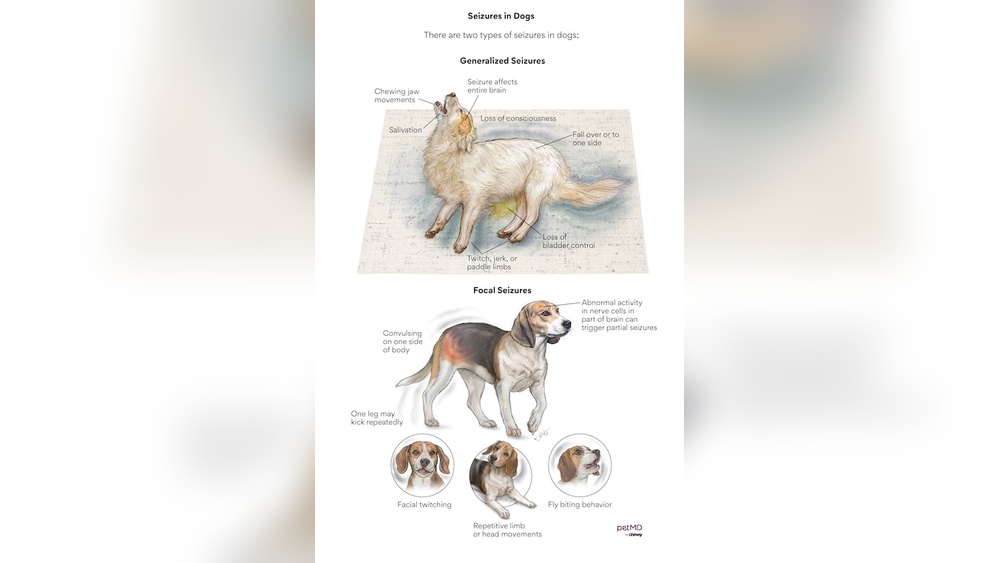
Training your dog to use a pee pad can save you time, stress, and endless cleaning. Imagine having a simple, reliable way for your dog to do their business indoors without accidents ruining your floors.
Whether you live in an apartment, face bad weather, or have a puppy still mastering house training, teaching this skill can make life easier for both you and your furry friend. In this guide, you’ll discover clear, step-by-step tips that anyone can follow to help your dog learn quickly and confidently.
Ready to make potty time hassle-free? Let’s get started!

Credit: www.holistapet.com
Choosing The Right Pee Pad
Choosing the right pee pad is the first step to successful training. The right pad helps your dog learn faster and keeps your home clean. Not all pee pads are the same. Picking the best one makes a big difference.
Material And Size Options
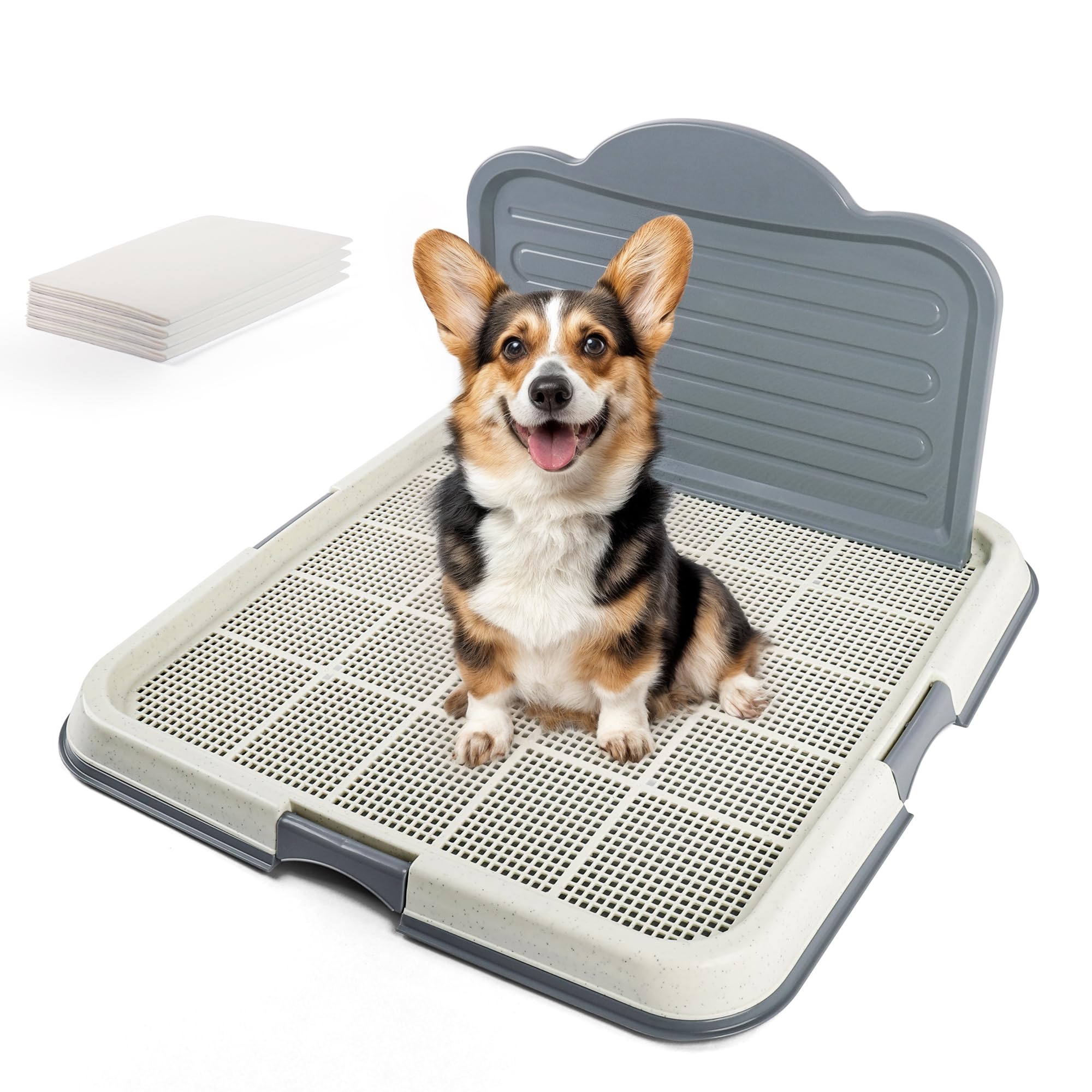
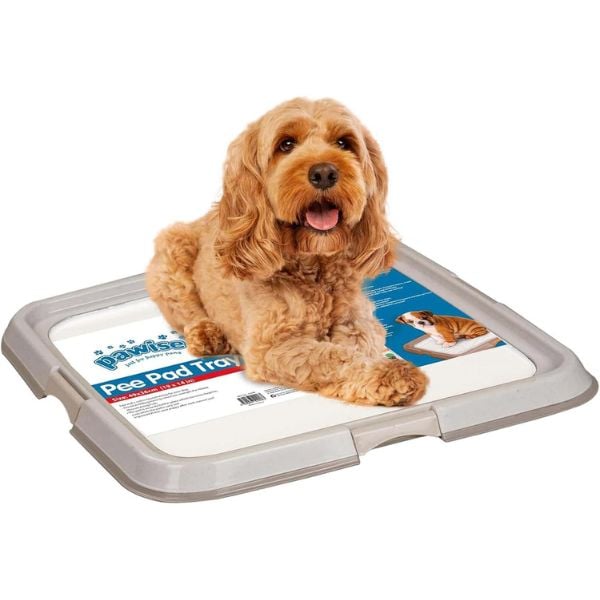
Pee pads come in different materials like cloth and disposable types. Disposable pads are easy to use and throw away. Cloth pads can be washed and reused. Choose a size that fits your dog’s breed. Small dogs need smaller pads. Bigger dogs require larger pads to avoid messes.
Absorbency Features
Good absorbency stops leaks and keeps floors dry. Look for pads with multiple layers for better soak-up. Some pads have a waterproof backing to protect floors. The faster the pad soaks, the less smell it holds. This helps keep your home fresh.
Placement Tips
Place the pad in a quiet, easy-to-reach spot. Avoid high-traffic areas to keep your dog comfortable. Make sure the spot stays the same during training. This helps your dog find the pad easily. Change the pad regularly to keep the area clean.
Preparing Your Dog For Training
Preparing your dog for pee pad training is the first step to success. This phase helps your dog understand what you expect. It also builds good habits that make training easier. Observing your dog and creating a routine are key parts.
Recognizing Signs Of Needing To Go
Watch your dog closely. Look for signs like sniffing the floor or circling. These show your dog needs to pee. Catching these signs early helps you guide your dog to the pee pad. Acting quickly prevents accidents. Your dog will learn where to go faster.
Setting A Consistent Schedule
Create a regular bathroom schedule. Take your dog to the pee pad at the same times daily. After meals, naps, and playtime are good moments. Consistency helps your dog know when to go. Stick to the schedule to build strong habits. A steady routine makes training smoother and quicker.
Introducing The Pee Pad
Introducing a pee pad to your dog is the first step in indoor potty training. It helps your dog learn where to go when outside is not an option. The key is to make the pad a positive and familiar spot. Start by placing the pad in a quiet, easy-to-reach area. Let your dog get used to its presence without pressure. This creates a calm environment for learning.
Patience and consistency are important. Your dog will explore and understand the pad’s purpose over time. Use simple commands and gentle guidance to encourage use. The goal is to build trust and comfort with the new routine.
Encouraging Exploration
Allow your dog to sniff and check the pee pad freely. Avoid forcing your dog onto the pad. Use toys or treats nearby to attract attention. Praise your dog for any interest shown. Exploration helps your dog connect the pad with positive experiences. This step builds curiosity, not fear.
Using Positive Reinforcement
Reward your dog immediately after it uses the pee pad. Use treats, gentle petting, or kind words. Positive reinforcement makes your dog want to repeat the action. Avoid punishment for accidents outside the pad. Keep rewards consistent and timely. This method strengthens good habits quickly.
Guiding Your Dog During Training
Guiding your dog during pee pad training requires patience and clear signals. Dogs learn best when they understand what you expect from them. This section helps you provide gentle direction and stay calm through the process. Teaching your dog to use a pee pad takes time, but steady guidance makes it easier.
Leading Them To The Pad
Take your dog to the pee pad often, especially after meals and naps. Use a calm voice to call your dog and gently lead them toward the pad. Praise your dog when they step on or near the pad. Rewarding good behavior encourages them to repeat it. Consistent trips to the pad build a habit. Watch for signs your dog needs to go and guide them quickly. Stay close until they use the pad correctly.
Handling Accidents Calmly
Accidents happen during training. Avoid yelling or punishment as it may scare your dog. Clean the area thoroughly to remove smells that invite repeat accidents. Calmly take your dog to the pee pad right after an accident. Praise them when they use the pad next time. Patience and calm reactions keep your dog confident. Training is a learning process for both of you.
Maintaining Cleanliness And Hygiene
Keeping the area around the pee pad clean is very important. A clean space helps your dog feel comfortable and encourages good habits. It also prevents bad smells and germs from spreading. Cleanliness and hygiene protect your home and your pet’s health.
Regular Cleaning Routines
Clean the pee pad area every day. Use mild soap and warm water to wipe the floor. Avoid harsh chemicals that can harm your dog. Wash your hands after cleaning. This stops germs from spreading. Keep a small trash bin nearby for used pads. Empty it often to avoid bad smells.
Replacing Pads Effectively
Change the pee pad as soon as it is wet. Wet pads lose their scent, which confuses your dog. Remove the old pad carefully to avoid spills. Place a fresh pad in the same spot. This keeps your dog’s routine clear. Store new pads in a dry, clean place. This keeps them fresh and ready to use.
Troubleshooting Common Issues
Training a dog to use a pee pad can have some bumps along the way. Common problems may slow progress or cause frustration. Recognizing these issues helps you respond quickly and keeps training on track. Understanding why your dog struggles allows you to adjust your approach for better results.
Dealing With Pad Avoidance
Some dogs avoid the pee pad entirely. They might step around it or refuse to go near. This often happens if the pad smells strange or is placed in a noisy spot. Try moving the pad to a quiet, low-traffic area. Keep the pad clean and fresh. Praise your dog for any interest shown in the pad. Use treats to encourage your dog to approach and stand on it. Patience is key when your dog fears the pad.
Managing Inconsistent Behavior
Dogs may use the pad sometimes but not always. This inconsistency can confuse you and your dog. Watch for patterns in accidents, such as certain times or places. Stick to a regular schedule for bathroom breaks. Reward your dog immediately after successful pad use. Avoid punishment after accidents; it can cause fear. Reinforce positive behavior gently and consistently. Consistency builds trust and good habits over time.
Transitioning Away From Pee Pads
Transitioning away from pee pads is a key step for many dog owners. It helps your dog learn to go outside instead. This change takes time and patience. You must guide your dog carefully during this process.
Start by slowly reducing your dog’s dependence on pee pads. This will make the shift easier for both of you. Keep your dog’s routine consistent to avoid confusion.
Moving To Outdoor Potty Training
Take your dog outside to the same spot each time. Use a leash to guide your dog there. Wait quietly until your dog finishes. Praise your dog with kind words and gentle pets. This builds positive habits and encourages outdoor potty use.
Go outside often, especially after meals and naps. These times are when dogs usually need to go. Be patient if your dog does not go at first. Keep trying and stay calm.
Gradual Reduction Techniques
Start by placing the pee pad near the door. Move the pee pad a little closer to the outside each day. This helps your dog learn the path to go outside. Slowly reduce the size of the pee pad over time.
Offer treats and praise when your dog uses the outdoor spot. This rewards good behavior and builds trust. Avoid rushing the process. Consistency will help your dog adjust smoothly.
Credit: www.amazon.com
Credit: www.caninejournal.com
Frequently Asked Questions
How Long Does It Take To Train A Dog With A Pee Pad?
Training usually takes 1 to 3 weeks with consistent effort. Puppies may need more time. Patience and positive reinforcement speed up learning.
What Is The Best Location For Placing A Pee Pad?
Place the pee pad in a quiet, accessible area with low foot traffic. Avoid noisy or busy spots to reduce distractions and encourage use.
How Often Should I Change The Pee Pad During Training?
Change the pee pad immediately after use to maintain cleanliness. Regular replacement helps prevent odors and encourages your dog to use the pad consistently.
Can Adult Dogs Learn To Use Pee Pads Effectively?
Yes, adult dogs can learn pee pad training with patience and clear guidance. Consistent routines and rewards improve success rates in adult dogs.
Conclusion
Training a dog to use a pee pad takes time and patience. Stay consistent with your routine every day. Praise your dog often to encourage good habits. Watch for signs your dog needs to go. Keep the pee pad clean and in the same spot.
Small steps lead to great progress. Your dog will learn with love and care. Enjoy the process and celebrate each success. This simple training can make life easier for both of you.