If you love spending time outdoors and want a furry companion to join your adventures, choosing the best dog breed for hiking is key. Your dog should be energetic, strong, and ready to explore nature by your side.
But with so many breeds out there, how do you find the perfect match for your hiking trips? Keep reading, and you’ll discover which dogs will keep up with you on the trail, stay healthy, and bring you endless joy on every hike.
Your next great hiking partner is waiting!
Traits Of Ideal Hiking Dogs
Choosing the right dog breed for hiking means knowing what traits help dogs enjoy and handle trails. Ideal hiking dogs have qualities that make them strong, obedient, and healthy. These traits support long walks and tough paths. Understanding these traits helps you pick a dog that matches your outdoor adventures.
Physical Endurance
Hiking dogs need good stamina. They should run or walk for hours without getting tired. Strong muscles and good lung capacity help dogs keep up. Dogs with thick coats may struggle in hot weather. A dog that can handle rough paths and steep climbs is best.
Temperament And Trainability
A calm and friendly nature is important. Hiking dogs meet other people and animals. They must listen well to commands. Easy-to-train dogs learn rules faster on trails. A dog that stays close and follows orders keeps safe.
Size And Weight Considerations
Medium to large dogs carry their weight well on hikes. Small dogs may tire quickly or get hurt on rough ground. Very big dogs can struggle on narrow paths. Choose a size that fits the trail and your pace.
Health And Longevity
Healthy dogs enjoy longer hikes and live longer. Avoid breeds with common joint or heart problems. Regular vet checks keep dogs fit for hiking. A long-living dog shares many adventures with you.
Credit: www.akc.org
Top Dog Breeds For Hiking
Hiking with a dog brings joy and adventure. Some dog breeds are naturally better suited for hiking. They have stamina, strength, and love for the outdoors. Choosing the right breed can make your hikes safer and more fun.
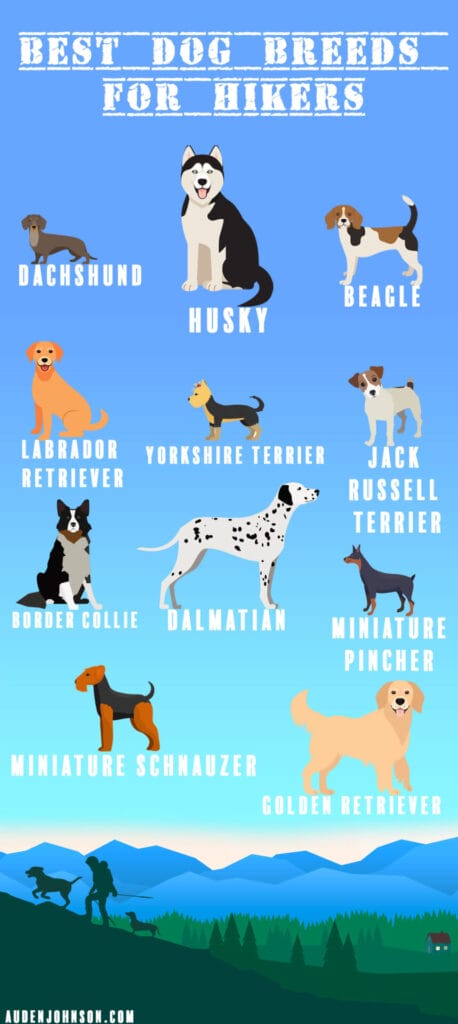
Here are some of the top dog breeds for hiking. Each breed has unique traits that fit well with different hiking styles and environments.
Border Collie
Border Collies are smart and quick. They have great energy and love to run. Their agility helps them handle rough trails. These dogs enjoy long walks and learning new commands.
Siberian Husky
Siberian Huskies have strong legs and great endurance. They were bred for pulling sleds in cold climates. Their thick fur protects them in cold weather. They enjoy running and exploring wide spaces.
Australian Shepherd
Australian Shepherds are active and alert. They have a strong work drive and love moving. Their stamina makes them perfect for long hikes. They also enjoy being close to their owner.
Labrador Retriever
Labradors are friendly and tough. They have strong bodies and swim well. These dogs enjoy exploring and have lots of energy. They adapt well to different weather conditions.
Vizsla
Vizslas are lean and fast. They have great endurance and love running. Their short coat is easy to care for. They bond closely with their owners and enjoy every adventure.
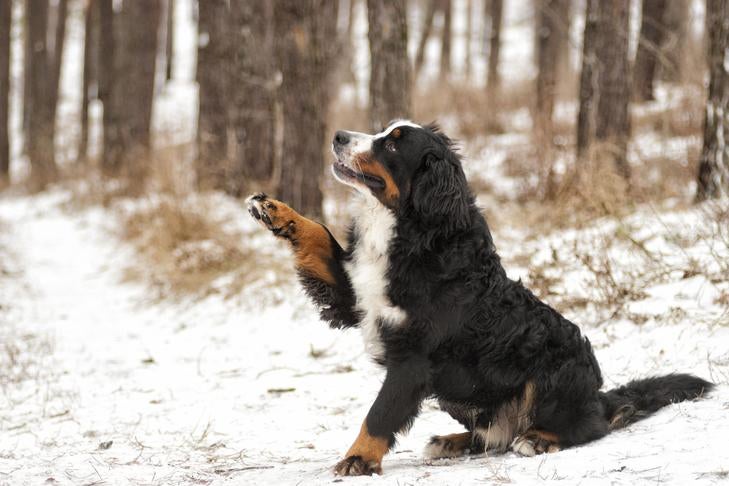
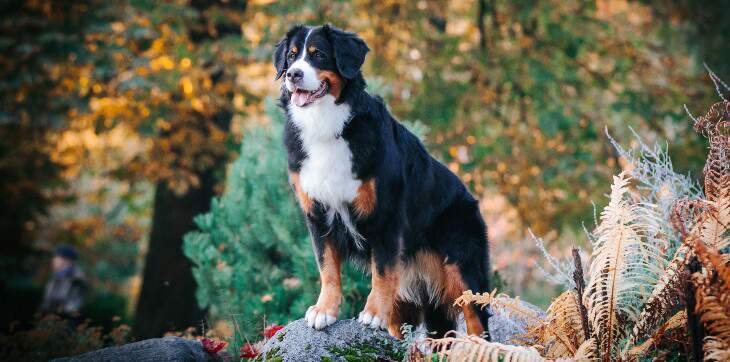
Bernese Mountain Dog
Bernese Mountain Dogs are large and strong. They handle cold weather well with their thick fur. These dogs enjoy steady walks and carrying light packs. They are calm but love being active outdoors.
Rhodesian Ridgeback
Rhodesian Ridgebacks are powerful and brave. They have good speed and endurance. Their short coat suits warm climates. They are loyal and enjoy exploring new trails with you.
Preparing Your Dog For Hiking
Preparing your dog for hiking takes effort and care. Hiking is fun but can be tough for dogs without practice. Start early to build your dog’s strength and skills. This preparation keeps your dog happy and safe on trails. It also makes the hike more enjoyable for both of you.
Training Tips
Teach your dog basic commands like “come,” “stay,” and “heel.” Practice walking on a leash to avoid pulling. Use short hikes to build stamina slowly. Reward good behavior with treats or praise. Socialize your dog with other people and animals. This helps prevent fear or aggression on trails. Train your dog to ignore distractions like wildlife or loud noises.
Gear And Equipment
Choose a comfortable harness or collar for control. Bring a sturdy leash for safety. Pack a dog backpack if your dog can carry light items. Use booties to protect paws from rough terrain. Carry a first aid kit for minor injuries. Reflective gear helps keep your dog visible. Always bring waste bags to clean up after your dog.
Nutrition And Hydration
Feed your dog a balanced meal before hiking. Avoid heavy food right before the hike to prevent stomach upset. Bring enough water for you and your dog. Use a collapsible bowl for easy drinking. Offer water breaks every 20 to 30 minutes. Pack some healthy snacks to keep energy levels high. Monitor your dog for signs of dehydration or hunger.
Safety Precautions
Check the weather before heading out. Avoid hiking in extreme heat or cold. Keep your dog on leash to prevent getting lost. Watch for signs of fatigue or injury. Avoid areas with dangerous wildlife or plants. Carry your dog’s ID tag and microchip info. Know the nearest vet location in case of emergencies. Stay on marked trails to protect your dog and the environment.
Trail Etiquette With Dogs
Hiking with your dog can be a great experience. It builds a strong bond and keeps both of you active. Following trail etiquette helps keep the environment safe and enjoyable for everyone. Respect for nature and other hikers is very important. Here are key points to remember when hiking with your dog.
Leash Rules
Many trails require dogs to be on a leash. This rule keeps your dog close and prevents accidents. It also protects wildlife and other hikers. Use a leash that is strong and comfortable. Always carry a leash, even if the trail allows off-leash walking. Be ready to leash your dog when needed.
Respecting Wildlife
Wild animals live in hiking areas. Your dog should not chase or disturb them. Keep your dog calm and close to avoid scaring animals. Avoid areas with nesting birds or fragile plants. Protecting wildlife helps keep the trail safe and natural. Watch your dog carefully near any wildlife signs.
Cleaning Up After Your Dog
Always clean up your dog’s waste. Carry waste bags and use them properly. Leaving waste on the trail harms the environment and other hikers. Dispose of waste in designated bins or take it with you. This simple act shows respect for nature and others on the trail.
Adapting To Different Hiking Conditions
Hiking with your dog means facing many types of weather and paths. Dogs need to adjust to these changes to stay safe and happy. Some breeds handle heat well, while others prefer cold. Rough trails can challenge paws and joints. Understanding how to help your dog adapt makes hiking better for both of you.
Hot Weather Tips
Keep walks early or late to avoid the midday heat. Bring plenty of water for you and your dog. Watch for signs of overheating like heavy panting or drooling. Use a cooling vest or wet towel to help your dog stay cool. Avoid hot pavement that can burn paws.
Cold Weather Considerations
Choose a dog breed with a thick coat for winter hikes. Use dog booties to protect paws from ice and salt. Keep your dog moving to maintain body heat. Offer breaks in sheltered spots to avoid wind chill. Dry your dog well after the hike to prevent chills.
Handling Rough Terrain
Check your dog’s paws for cuts or bruises after rough trails. Use paw wax or booties to protect against sharp rocks. Keep your dog close to avoid slips or falls. Train your dog to step carefully on uneven ground. Carry a small first aid kit for emergencies.
Credit: audenjohnson.com
Credit: www.cadetpet.com
Frequently Asked Questions
What Is The Best Dog Breed For Hiking?
The best hiking dog breeds are active, sturdy, and have high endurance. Popular choices include Labrador Retrievers, Australian Shepherds, and Siberian Huskies. These breeds handle various terrains well and enjoy long outdoor adventures, making them perfect companions for hiking enthusiasts.
How To Choose A Hiking Dog Breed?
Choose a hiking dog breed based on size, energy level, and terrain. Consider breeds with strong stamina, good health, and a love for outdoor activity. Match the dog’s temperament to your hiking style to ensure a safe, enjoyable experience for both of you.
Are Small Dog Breeds Good For Hiking?
Small dog breeds can hike, but their endurance and strength are limited. They may struggle with long distances or rough terrain. Consider small breeds with high energy and toughness, like Jack Russell Terriers, for shorter and less demanding hikes.
Do All Hiking Dogs Need Special Training?
Yes, hiking dogs need basic obedience and trail training. They should respond to commands, stay close, and handle distractions. Proper training ensures safety and a better hiking experience in various environments and conditions.
Conclusion
Choosing the right dog breed makes hiking more fun and safe. Active breeds enjoy long walks and rough trails. They have the energy to keep up with you. Small dogs may struggle on tough paths. Bigger breeds often handle rough terrain better.
Training your dog helps in any hiking trip. Always bring water and snacks for both. Enjoy nature together and build a strong bond. A good hiking dog becomes a loyal companion. Start with breeds known for endurance and friendliness. Happy trails with your furry friend!