

Training a deaf dog may seem challenging at first, but with the right approach, you can build a strong bond and teach your furry friend just like any other dog. If you’ve ever wondered how to communicate and train a dog that can’t hear, you’re in the right place.
This guide will give you simple, effective tips that work. Imagine the joy of seeing your dog respond happily to your commands—even without sound. Keep reading, and you’ll discover easy ways to make training clear, fun, and rewarding for both you and your dog.
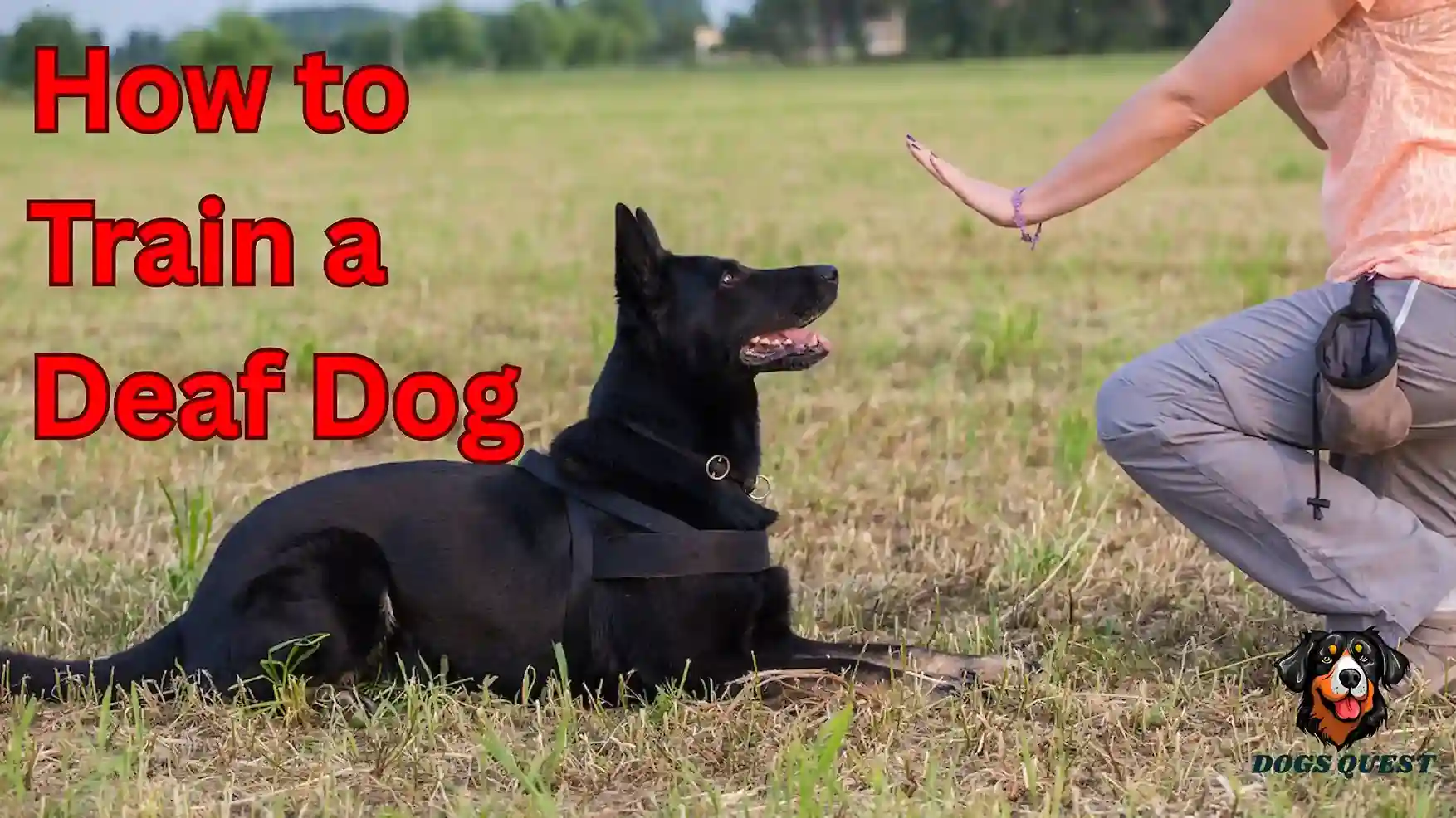
Credit: dogsquest.com
Preparing For Training
Training a deaf dog needs careful preparation. The right start makes learning easier. It builds trust and keeps your dog calm. Prepare to make training clear and fun.
Choosing The Right Environment
Pick a quiet place without many distractions. A calm room or fenced yard works well. This helps your dog focus on your signals. Avoid noisy areas that might confuse your dog.
Gathering Necessary Tools
Use visual aids like hand signals or light cues. A flashlight or a flag can help get your dog’s attention. Treats and toys motivate your dog to learn. Keep tools simple and easy to use.
Setting Realistic Goals
Start with small, clear commands like sit or come. Use short training sessions of five to ten minutes. Be patient and celebrate small successes. Goals should match your dog’s pace and ability.

Credit: www.youtube.com
Establishing Communication
Training a deaf dog starts with clear communication. Without sound, your dog relies on other signals to understand you. Establishing effective communication builds trust and helps your dog learn commands. Use simple, consistent methods that your dog can easily recognize. This section explores three ways to communicate with your deaf dog.
Using Visual Cues
Visual cues are hand signals or body movements your dog can see. Choose signals that are easy to remember and distinct. Show the cue clearly before your dog performs a command. Reward your dog when it responds correctly to the visual cue. Practice regularly to help your dog connect the signal with the action.
Incorporating Touch Signals
Touch signals use gentle taps or pats to get your dog’s attention. A light tap on the shoulder can signal focus or a command. Use different touches for different actions to avoid confusion. Always combine touch with visual cues at first. This method helps your dog feel connected and aware during training.
Employing Vibrations
Vibrations can alert your dog without sound. Use a vibrating collar or tap the ground near your dog. Start with soft vibrations to avoid startling your dog. Pair vibrations with visual or touch signals during training. This technique helps your dog notice commands even from a distance.
Basic Commands Training
Training deaf dogs requires patience and clear communication. Basic commands help build trust and safety. Teaching simple commands like sit, stay, come, and heel sets a strong foundation. Using hand signals makes understanding easier for your dog. Consistent practice with rewards encourages good behavior. Here is how to start training your deaf dog with basic commands.
Teaching Sit And Stay
Start with the “sit” command by showing a hand signal. Hold your palm up, like a stop sign. Gently guide your dog’s bottom down. Praise and reward your dog immediately. Repeat this several times a day in short sessions.
Next, teach “stay” by asking your dog to sit first. Show the palm signal and take a small step back. Wait a few seconds, then return and reward. Gradually increase the distance and time before giving treats.
Training Come And Heel
For “come,” use a clear waving hand signal. Call your dog’s name and make the signal. Reward your dog when it comes to you quickly. Practice in quiet, safe areas to avoid distractions.
Teaching “heel” means your dog walks beside you calmly. Use a hand signal pointing down at your side. Reward your dog for staying close during walks. Stop walking if your dog pulls and use the signal again.
Introducing Hand Signals
Hand signals replace verbal commands for deaf dogs. Keep signals simple and consistent. Use open palms, pointing fingers, or waving motions. Show the signal clearly before expecting a response.
Practice signals often and reward your dog’s correct actions. Patience and repetition help your dog learn faster. These signals become your dog’s new way to understand commands.

Credit: www.amazon.com
Positive Reinforcement Techniques
Training deaf dogs requires patience and clear signals. Positive reinforcement helps them learn faster. It builds trust and encourages good behavior. Rewarding your dog makes training fun and effective. Rewards show your dog what you want.
Using Treats Effectively
Treats are powerful motivators for deaf dogs. Use small, tasty treats that your dog loves. Give a treat right after your dog follows a command. This helps your dog connect the action with the reward. Avoid giving treats too often to keep them special.
Praise And Affection
Dogs understand praise through your tone and touch. Use gentle petting, belly rubs, or a soft voice. Smile and make eye contact to show approval. Praise helps build a strong bond. It makes your dog feel safe and happy.
Consistency In Rewards
Be consistent with your rewards to avoid confusion. Always reward the same behavior in the same way. Use the same signals and gestures every time. Consistency helps your dog learn faster and stay focused. It creates clear rules your dog can follow easily.
Managing Challenges
Training a deaf dog comes with unique challenges. These challenges need patience and clear strategies. Managing them well helps your dog learn better. It also builds trust between you and your pet.
Dealing With Distractions
Distractions can confuse deaf dogs easily. They cannot hear sounds that help other dogs focus. Use visual signals like hand signs or lights. Train in quiet places at first. Slowly add distractions as your dog improves. Keep your dog’s attention with treats or toys.
Handling Frustration
Both you and your dog may feel frustrated. Your dog may not understand commands quickly. Stay calm and patient during training sessions. Take breaks if your dog seems stressed. Use gentle touches to comfort your dog. Celebrate small successes to keep motivation high.
Adapting Training Methods
Standard training methods may not work for deaf dogs. Replace voice commands with clear hand signals. Use vibrations or tapping to get your dog’s attention. Be consistent with your signs and cues. Teach one command at a time. Change your approach based on your dog’s response.
Advanced Training Tips
Training deaf dogs takes patience and creativity. Once basic commands are learned, move to advanced training. This helps your dog stay safe and happy. Advanced training also builds a stronger bond between you and your pet.
Teaching Complex Commands
Use clear hand signals for complex commands. Break commands into small steps. Reward your dog with treats or pets for each success. Repeat often and stay consistent. Keep sessions short to hold your dog’s attention. Practice in different places to help your dog learn well.
Socializing With Other Dogs
Socializing helps deaf dogs feel calm and confident. Introduce your dog to friendly dogs slowly. Watch for signs of stress or fear. Use hand signals to guide your dog during play. Reward good behavior with treats or praise. Regular social time improves your dog’s mood and skills.
Using Technology Aids
Technology can support training for deaf dogs. Vibrating collars alert your dog without sound. Flashing lights can signal commands or warnings. Some apps provide visual cues or training tips. Choose devices that are safe and comfortable for your dog. Test tools in quiet areas before using outside.
Maintaining Long-term Progress
Maintaining long-term progress in training a deaf dog is essential for lasting success. Consistency and patience keep your dog confident and well-behaved. Training does not end after the first few lessons. It needs ongoing effort and care every day.
Regular Practice Sessions
Practice helps your dog remember commands and behaviors. Short, frequent sessions work best. Keep sessions fun and positive. Use clear hand signals and gentle touches. Repeat exercises often to strengthen learning. Consistent practice builds trust and understanding.
Monitoring Behavior Changes
Watch your dog closely for changes in behavior. Look for signs of confusion or stress. Note any new habits or reactions. Tracking these changes helps you adjust training. Early attention prevents bad habits from forming. Stay alert and respond quickly.
Adjusting Training As Needed
Every dog learns differently and may need changes. Change your approach if progress slows. Try new signals or rewards to keep interest. Adapt training to your dog’s age and health. Flexibility improves results and keeps your dog engaged. Keep learning with your dog every day.
Frequently Asked Questions
How Do You Communicate With A Deaf Dog Effectively?
Use hand signals and visual cues to communicate clearly. Consistency in signals helps your dog understand commands better. Positive reinforcement, like treats and praise, encourages good behavior. Ensure eye contact to get your dog’s attention before signaling.
What Training Methods Work Best For Deaf Dogs?
Positive reinforcement and clicker training are highly effective. Use clear hand signals combined with treats or toys. Avoid loud verbal commands; focus on visual and tactile cues. Patience and repetition are key to success.
Can Deaf Dogs Learn Basic Obedience Commands?
Yes, deaf dogs can learn commands like sit, stay, and come. Use consistent hand signals paired with rewards to teach them. Training might take longer, but with patience, they respond well. Visual communication is essential for obedience training.
How Do I Get My Deaf Dog’s Attention Safely?
Use gentle touch or vibrations to get their attention. Flashing lights or waving hands can also alert your dog. Avoid startling them with sudden movements or loud noises. Building trust helps your dog respond calmly to attention signals.
Conclusion
Training deaf dogs takes patience and clear signals. Use hand signs and body language often. Consistency helps your dog learn faster. Reward good behavior with treats or praise. Stay calm and positive during training sessions. Deaf dogs can live happy, full lives.
Trust builds a strong bond between you. Keep practicing daily for best results. Your effort makes a big difference. Enjoy the special connection you create.


