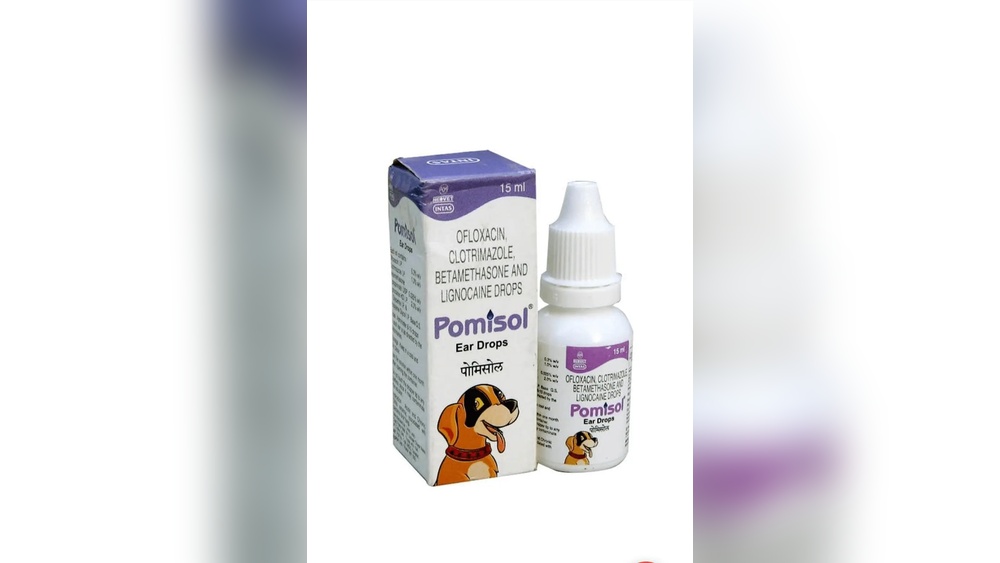
If your dog is scratching their ears or shaking their head more than usual, it might be an ear infection. Finding the best ear drops for dog ear infection can make all the difference in helping your furry friend feel comfortable again.
You want a solution that works quickly, is safe, and easy to use. You’ll discover top-rated ear drops that vets recommend and learn how to choose the right one for your dog’s needs. Keep reading to protect your pup’s health and bring them relief fast.
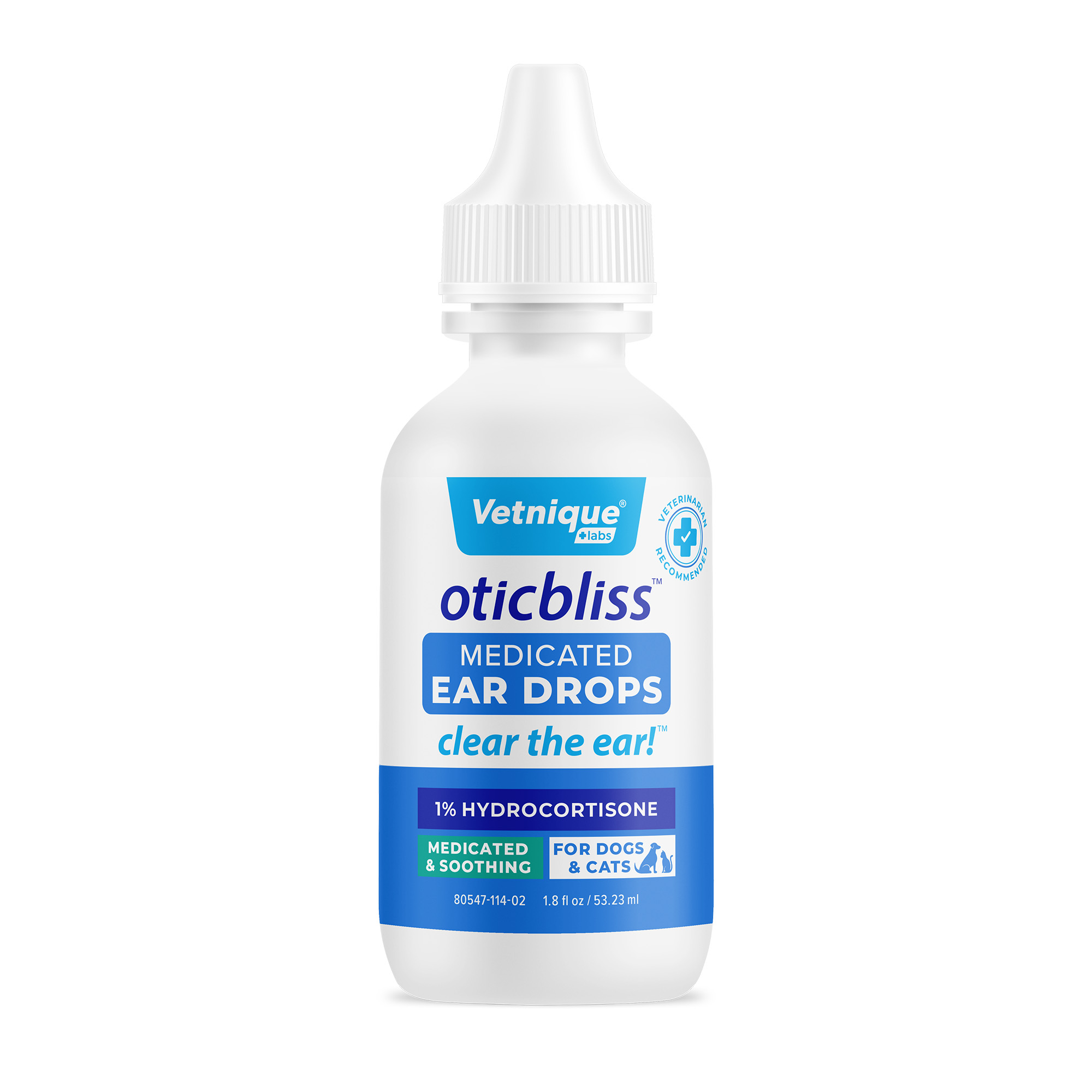
Credit: vetnique.com
Common Causes Of Dog Ear Infections
Dog ear infections are common and can cause pain and discomfort. Understanding the causes helps in preventing and treating them effectively. Ear infections often result from several factors that affect your dog’s ear health. Knowing these causes can guide you to choose the best ear drops and care routines.
Bacterial Infections
Bacteria thrive in warm, moist areas like dog ears. They cause redness, swelling, and foul odor. Bacterial infections often follow an injury or excess moisture. Untreated infections can worsen quickly and cause serious problems.
Yeast Overgrowth
Yeast is a natural part of the ear’s environment. Overgrowth happens when the balance is disturbed. Yeast infections cause itching, dark discharge, and a strong smell. They often occur after antibiotic use or in dogs with allergies.
Allergies And Irritants
Allergies trigger inflammation and irritation in the ear canal. Common allergens include pollen, dust, and certain foods. Irritants like dirt and water also cause ear problems. Allergic dogs often scratch and shake their heads frequently.
Symptoms To Watch For
Knowing the symptoms of a dog ear infection helps you act fast. Early detection can prevent serious problems. Watch your dog closely for any unusual signs.
Signs Of Discomfort
Your dog may shake its head often. Scratching or rubbing the ears is common. Whining or showing pain when touching the ear can also occur. These behaviors show your dog feels discomfort.
Changes In Ear Appearance
Look for redness inside the ear. Swelling or a bad smell may be present. Sometimes you see discharge or crusts. The ear might look dirty even after cleaning. These are clear signs of infection.
Behavioral Indicators
Your dog might act restless or tired. Loss of appetite can happen. Sometimes dogs hide or avoid being touched. Changes in behavior often mean your dog is not well.
Types Of Ear Drops For Dogs
Dog ear infections need proper care and treatment. Ear drops help treat these infections effectively. Different types of ear drops target specific causes of the infection. Choosing the right type is important for fast healing.
Antibiotic Drops
Antibiotic drops fight bacterial infections in dog ears. They kill harmful bacteria causing pain and swelling. Vets often prescribe these drops for bacterial ear infections. Using them correctly stops the infection from spreading.
Antifungal Drops
Antifungal drops treat yeast or fungal infections in ears. These infections make the ear itchy and smelly. The drops stop fungal growth and clear the infection. They are gentle but strong enough to heal the ear.
Anti-inflammatory Drops
Anti-inflammatory drops reduce swelling and pain in the ear. They soothe irritation caused by infections or allergies. These drops help dogs feel more comfortable quickly. Often, they are used along with antibiotics or antifungals.

Credit: www.amazon.com
Top Effective Ear Drops On The Market
Choosing the right ear drops for your dog’s ear infection is important. The market offers many options that help clear infections and ease discomfort. Some products come from vets, some are natural, and others you can buy without a prescription. Each type serves a purpose and can help your dog feel better fast.
Here are some of the top effective ear drops available. These products are trusted by pet owners and professionals alike. Understanding the options helps you pick the best care for your dog’s ears.
Vet-recommended Brands
Veterinarians suggest ear drops that fight bacteria and fungi safely. These brands often contain ingredients that reduce swelling and pain. Examples include products with antibiotics and anti-inflammatory agents. Many vets prefer drops that clean the ear canal gently and treat infections quickly. Using vet-recommended drops ensures a safe and effective treatment.
Natural Remedies
Natural ear drops use plant-based ingredients to soothe infections. They often contain oils like tea tree, chamomile, or aloe vera. These drops help reduce itching and inflammation without harsh chemicals. Natural remedies work well for mild infections or as a follow-up treatment. They provide a gentle way to support your dog’s ear health.
Over-the-counter Options
Over-the-counter ear drops are easy to find at pet stores or online. These products help clean ears and fight mild infections. They often combine antiseptics and cleaners to remove dirt and wax. OTC drops work best for early signs of infection or routine care. Always read the label and use as directed to keep your dog safe.
How To Apply Ear Drops Safely
Applying ear drops to your dog can seem tricky. Doing it safely helps the medicine work well. It also keeps your dog calm and comfortable. Follow these easy steps to apply ear drops correctly.
Preparing Your Dog
Choose a quiet place with few distractions. Have all the supplies ready: ear drops, cotton balls, and treats. Gently hold your dog’s head to avoid sudden moves. Speak softly to comfort your dog. Check the ear for dirt or discharge. Clean the outer ear carefully with a cotton ball. Avoid using cotton swabs inside the ear canal.
Step-by-step Application
Shake the ear drop bottle well before use. Lift your dog’s ear flap to expose the ear canal. Hold the dropper close but do not touch the ear. Squeeze the prescribed number of drops into the ear canal. Gently massage the base of the ear to spread the drops. Let your dog shake its head to clear excess liquid. Wipe away any drops that fall outside the ear.
Tips To Keep Your Dog Calm
Stay calm and patient throughout the process. Use a soothing voice and gentle touch. Offer treats before and after applying drops. Take breaks if your dog seems stressed. Try wrapping smaller dogs in a towel for security. Praise your dog often to build trust. Practice regularly to make it easier over time.
When To See A Veterinarian
Knowing when to see a veterinarian is important for your dog’s ear infection. Some infections heal with home care, but others need expert help. Acting early can stop the infection from getting worse. Watch your dog closely and trust your instincts. Below are key signs that show it’s time to visit the vet.
Signs Of Severe Infection
Severe ear infections cause strong pain and swelling. Your dog may shake its head hard or scratch the ear often. There might be pus or a bad smell from the ear. Redness and heat around the ear are common. If your dog shows these signs, see a vet quickly.
Persistent Symptoms
Symptoms that last more than a few days need veterinary care. Continuous itching or discharge means the infection is not healing. Home treatments may not be enough in this case. A vet can provide stronger medicine and advice. Do not wait too long to get help.
Complications To Avoid
Untreated ear infections can cause serious problems. The infection might spread to the inner ear or brain. This can cause balance issues or severe pain. Long-term damage to the ear canal is possible. Early veterinary care helps prevent these risks and keeps your dog safe.
Preventing Future Ear Infections
Preventing future ear infections in dogs is key to their comfort and health. Regular care helps avoid pain and costly vet visits. Simple habits can keep your dog’s ears clean and healthy. This section covers practical tips to stop infections before they start.
Regular Cleaning Tips
Clean your dog’s ears gently and often. Use a vet-approved ear cleaner. Avoid cotton swabs inside the ear canal. Wipe only the outer ear with a soft cloth or cotton ball. Check ears weekly for dirt or bad smell. Early cleaning stops infections from growing.
Diet And Allergy Management
Food allergies can cause ear infections. Feed a balanced diet with quality ingredients. Watch for signs like itching or redness. Talk to your vet about allergy testing. Change food if allergies are found. A good diet supports healthy skin and ears.
Routine Vet Checkups
Visit the vet regularly for ear exams. Early detection helps treat problems faster. Your vet can recommend the best ear drops. They can also check for underlying issues. Keep up with vaccinations and parasite control. Routine care keeps ears free from infection.
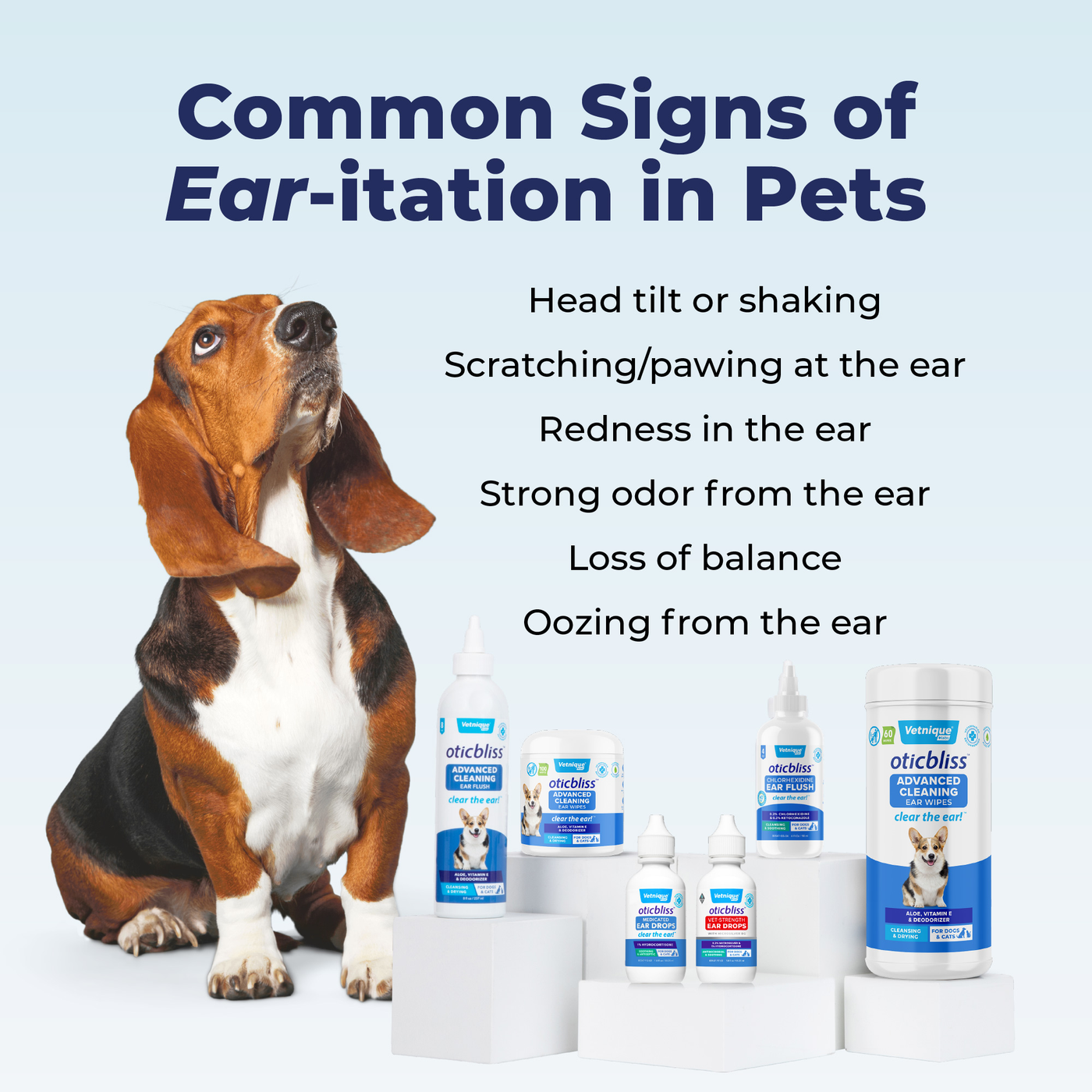
Credit: redtek.ir
Frequently Asked Questions
What Are The Best Ear Drops For Dog Ear Infections?
The best ear drops for dog ear infections contain antibacterial and antifungal agents. Look for vet-approved brands with ingredients like chlorhexidine or miconazole. These help reduce infection and soothe irritation effectively.
How Do Ear Drops Treat Dog Ear Infections?
Ear drops deliver medication directly to the infected area. They fight bacteria, fungi, and inflammation. This speeds up healing and relieves discomfort in your dog’s ear canal.
Can I Use Human Ear Drops For My Dog’s Infection?
Human ear drops are not recommended for dogs. They may contain harmful ingredients or incorrect dosages. Always use ear drops formulated specifically for canine ear infections.
How Often Should I Apply Ear Drops To My Dog?
Typically, apply ear drops 1-2 times daily as directed by your vet. Consistent application ensures the infection clears quickly and prevents recurrence.
Conclusion
Choosing the right ear drops helps your dog heal faster and feel better. Always follow the vet’s advice for safe use and best results. Clean your dog’s ears gently and regularly to avoid infections. Watch for signs of discomfort or worsening symptoms.
Early care prevents serious problems and keeps your pet happy. Good ear care means a healthier, more comfortable dog every day.