If your dog struggles with stomach issues, you know how hard it is to watch them uncomfortable or in pain. Choosing the right food can make a huge difference in their health and happiness.
But with so many options out there, how do you find the best dog food for dogs with gastrointestinal problems? This guide will help you understand what to look for and why certain ingredients matter. Keep reading to discover how you can support your furry friend’s digestion and give them the relief they deserve.
Causes Of Gastrointestinal Issues In Dogs
Gastrointestinal problems are common in dogs and cause discomfort. These issues affect their stomach, intestines, and digestion. Understanding the causes helps in choosing the right dog food.
Some dogs suffer from chronic stomach upset. Others have sudden digestive troubles. Identifying the root cause improves their health and comfort.
Common Digestive Disorders
Dogs often face conditions like gastritis, colitis, and pancreatitis. These disorders cause vomiting, diarrhea, and pain. They may result from infections or inflammation in the digestive tract.
Intestinal parasites also disrupt digestion. They lead to nutrient loss and weight problems. Some dogs develop food allergies that irritate their gut lining.
Dietary Triggers
Certain foods can upset a dog’s stomach. Fatty, spicy, or rich foods cause indigestion. Sudden diet changes may also lead to digestive issues.
Some dogs react badly to grains or dairy. Food intolerances cause gas, bloating, and diarrhea. Feeding a bland, gentle diet often eases symptoms.
Other Contributing Factors
Stress and anxiety affect digestion in dogs. They can cause stomach cramps and irregular bowel movements. Exposure to toxins or spoiled food also harms the digestive system.
Age and breed play a role too. Older dogs have weaker digestion. Certain breeds are prone to gastrointestinal problems.
:strip_icc()/purina-one-smartblend-sensitive-systems-formula-natural-adult-dog-food-15f33410d5ea44599b242abb3e1469ed.jpg)
Credit: sowelancaster.org
Key Nutrients For Sensitive Stomachs
Dogs with sensitive stomachs need special nutrients in their food. These nutrients help ease digestion and reduce stomach upset. Choosing the right dog food can improve your pet’s health and comfort.
Easily Digestible Proteins
Proteins are essential for your dog’s body. For sensitive stomachs, proteins should be easy to digest. Common options include chicken, turkey, and fish. These proteins break down quickly in the stomach. This reduces the risk of stomach irritation and helps your dog absorb nutrients better.
Fiber And Prebiotics
Fiber supports healthy digestion and bowel movements. Soluble fiber soothes the stomach and slows digestion. Prebiotics feed good bacteria in the gut. These bacteria improve digestion and boost immunity. Look for dog food with natural fiber sources like pumpkin or chicory root.
Vitamins And Minerals
Vitamins and minerals keep your dog’s body strong. Vitamin A supports the immune system. B vitamins help with energy and digestion. Minerals like zinc and iron aid healing and blood health. Balanced vitamins and minerals help maintain overall well-being in dogs with sensitive stomachs.
Top Dog Food Types For Gi Health
Choosing the right food supports dogs with gastrointestinal problems. Certain dog food types help ease digestion and reduce stomach upset. They provide gentle nutrition that protects sensitive tummies. These foods often contain special ingredients to soothe the gut and improve overall health.
Prescription Diets
Prescription diets are made by veterinarians for dogs with GI issues. These foods have balanced nutrients and easy-to-digest ingredients. They often include added fiber to support gut health. Your vet may recommend them to control symptoms like diarrhea or vomiting. Feeding prescription diets helps manage chronic digestive problems safely.
Limited Ingredient Formulas
Limited ingredient formulas use fewer ingredients to lower allergy risks. They avoid common irritants that can trigger stomach problems. These foods usually contain one protein and one carbohydrate source. This simplicity helps identify and reduce food sensitivities. Dogs with sensitive stomachs often do well on limited ingredient diets.
Grain-free Options
Grain-free options remove grains that may cause inflammation or gas. They rely on alternative carbs like potatoes or peas. Grain-free foods suit dogs with grain intolerance or allergies. These diets can improve digestion and reduce discomfort. Choose grain-free products with high-quality ingredients for best results.
Best Brands For Dogs With Gi Problems
Choosing the right dog food brand matters for dogs with gastrointestinal problems. These dogs need gentle, easy-to-digest ingredients. Some brands focus on calming the stomach and improving digestion. Others offer special formulas made with limited ingredients. The goal is to reduce discomfort and support gut health.
High-quality Commercial Brands
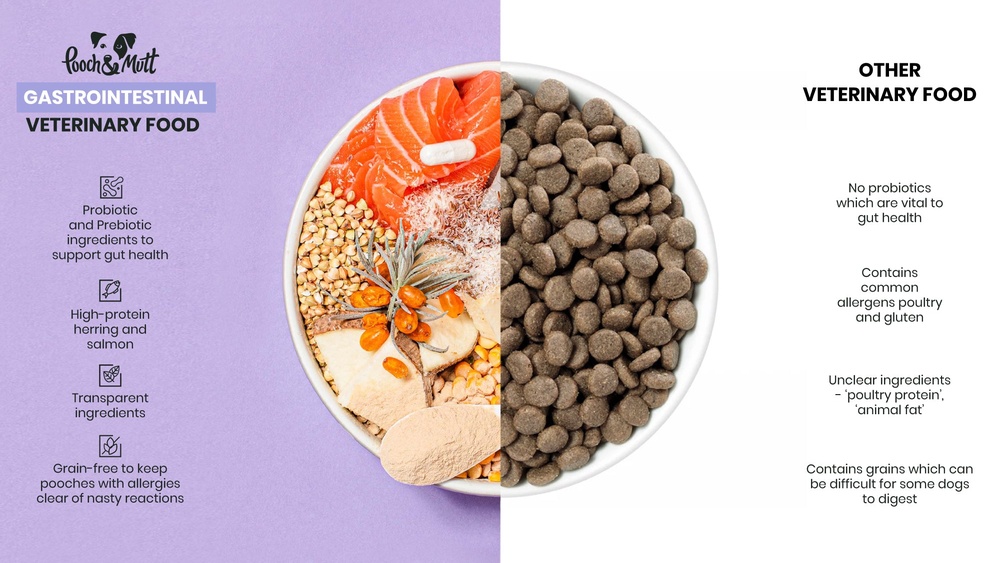
Many commercial brands create dog food for sensitive stomachs. These products often include fiber and probiotics. Fiber helps regulate digestion. Probiotics support good bacteria in the gut. Brands like Hill’s Science Diet and Blue Buffalo offer options with these benefits. They use natural ingredients and avoid common irritants. These foods are easy to find in stores or online.
Veterinary Recommended Choices
Veterinarians suggest special diets for dogs with GI issues. Prescription foods like Royal Canin Gastrointestinal and Purina Pro Plan Veterinary Diets are popular. These brands contain balanced nutrients and are tested for digestive health. Vets recommend them to manage symptoms like diarrhea or vomiting. These foods help heal the gut lining and reduce inflammation.
Affordable And Effective Options
Good dog food doesn’t have to be expensive. Brands like Nutro and Wellness offer gentle formulas at lower prices. They use simple ingredients that support digestion. These options work well for many dogs with mild GI problems. Affordable choices make it easier to maintain a healthy diet long term.
Homemade Diets And Supplements
Homemade diets and supplements can help dogs with gastrointestinal problems feel better. Preparing food at home lets you control ingredients. This reduces the chance of stomach upset. Supplements can support digestion and improve nutrient absorption. Together, they create a gentle diet for sensitive dogs.
Simple Recipes For Sensitive Dogs
Choose lean meats like chicken or turkey. Cook them well to avoid bacteria. Add plain rice or sweet potatoes for easy digestion. Include boiled carrots or green beans for fiber. Avoid spices, onions, and garlic. Serve small portions several times a day. This keeps your dog’s stomach calm and happy.
Probiotics And Digestive Enzymes
Probiotics add good bacteria to the gut. They help balance your dog’s digestive system. Digestive enzymes break down food into nutrients. Both improve digestion and reduce gas or bloating. Use supplements made for dogs only. Follow the dosage instructions carefully to avoid problems.
When To Consult A Vet
Persistent diarrhea or vomiting needs a vet’s attention. Weight loss or blood in stool is serious. Sudden changes in appetite or behavior are warning signs. A vet can recommend special diets or medications. Always check before starting homemade diets or supplements. Professional advice ensures your dog’s safety and health.
:strip_icc()/Spruce-best-dog-food-for-allergies-4173781-024027f06d344cd8acf7267d38694fa3.jpg)
Credit: www.tda-int.org
Tips For Transitioning To New Food
Changing your dog’s food needs care and patience. Dogs with stomach issues are sensitive to sudden changes. A smooth switch can help avoid upset tummies. These tips will guide you through a safe food change.
Gradual Introduction
Start by mixing a small amount of new food with the old. Increase the new food bit by bit over 7 to 10 days. This slow change helps your dog’s stomach adjust. Sudden switches can cause diarrhea or vomiting. Patience is key to a smooth transition.
Monitoring Digestive Response
Watch your dog closely during the switch. Check for signs like loose stools or vomiting. Also, note any changes in appetite or energy. If your dog shows strong reactions, slow down the transition. Sometimes, a slower pace allows better adaptation.
Adjusting Portions And Frequency
Feed smaller meals more often during the transition. This reduces stress on the digestive system. Gradually, move to the regular meal size and schedule. Portion control supports healthy digestion and nutrient absorption. Keep meals consistent to avoid confusion.

Credit: www.visco-foam.com
Frequently Asked Questions
What Ingredients Help Dogs With Gastrointestinal Problems?
Ingredients like pumpkin, rice, and chicken are gentle on digestion. Probiotics and fiber also support gut health and reduce inflammation.
Can Grain-free Dog Food Improve Digestion Issues?
Grain-free diets may help some dogs with allergies or sensitivities. However, consult a vet to avoid nutrient imbalances or other risks.
How To Choose Dog Food For Sensitive Stomachs?
Look for limited ingredients, high digestibility, and added probiotics. Avoid artificial additives, fillers, and common allergens like corn or soy.
Is Homemade Dog Food Better For Digestive Health?
Homemade meals can be beneficial if balanced properly. Always consult a vet to ensure all nutritional needs are met safely.
Conclusion
Choosing the right food can ease your dog’s stomach troubles. Gentle ingredients help reduce discomfort and improve digestion. Always pick diets rich in fiber and low in fat. Consult your vet to find the best option for your dog. Watch how your dog reacts to new food closely.
Patience and care make a big difference in recovery. Feeding your dog properly supports a happier, healthier life. Small changes can lead to big improvements in health. Keep your dog comfortable and enjoy more good days together.