
Training your dog can be both exciting and challenging. But choosing the right collar makes all the difference in how quickly your furry friend learns.
You want a collar that’s safe, effective, and comfortable for your dog. You’ll discover the best collar to train a dog—one that helps you build trust and get great results. Keep reading to find out which collar suits your dog’s needs and makes training easier for both of you.
Types Of Training Collars
Training collars help guide dogs to behave better. They come in different types. Each collar works in its own way. Choosing the right one depends on the dog’s needs and the training style. Understanding the types can make training easier and safer.
Flat Collars
Flat collars are the most common type. They are simple and comfortable. These collars have a buckle or snap closure. They hold ID tags and attach to a leash. Flat collars work well for basic training and daily walks. They do not correct bad behavior directly.
Martingale Collars
Martingale collars offer more control without choking. They tighten slightly when the dog pulls. This prevents the dog from slipping out. Martingales are good for dogs with narrow heads. They are gentle and safe for sensitive dogs. Trainers often use them for leash training.
Prong Collars
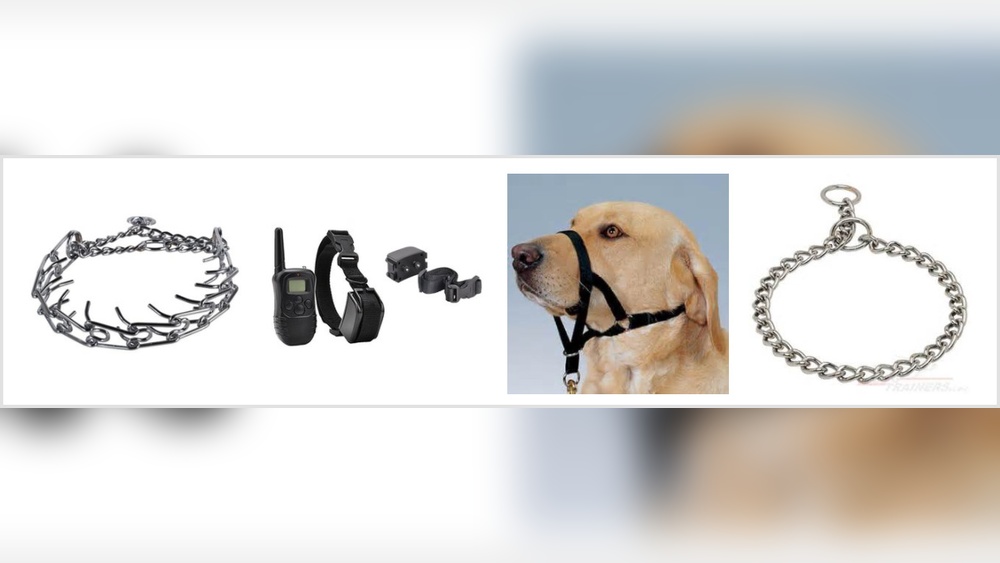
Prong collars have metal prongs inside. They apply pressure around the neck when pulled. This mimics a mother dog’s correction. Prong collars require careful use to avoid injury. They work best with experienced trainers. Proper fitting and timing are very important.
Shock Collars
Shock collars deliver mild electric stimulation. They discourage unwanted behavior quickly. These collars often have adjustable levels of intensity. Shock collars can cause fear if misused. Use with caution and follow expert advice. They are controversial and not for all dogs.
Head Collars
Head collars fit around the dog’s nose and neck. They guide the head gently to control pulling. Head collars help teach loose leash walking. Dogs cannot pull hard because the head turns. They take time for dogs to get used to. Patience and positive reinforcement improve results.
:strip_icc()/sps-dexil-training-collar-alisa-healy-18-e839d407c94d41409afc67d02f1986a3.jpeg)
Credit: www.thesprucepets.com
Factors To Consider
Choosing the best collar for dog training requires careful thought. Several key factors affect how well the collar works. These factors also help keep your dog safe and comfortable. Understanding these points makes training easier and more effective.
Consider your dog’s unique needs. The collar should match your dog’s size, breed, and personality. Think about what you want to achieve with training. Safety and comfort are very important. The material and strength of the collar matter too.
Dog Size And Breed
Different dogs need different collars. Small breeds need lightweight collars that do not hurt their necks. Large dogs need stronger collars that can hold their weight. Some breeds have thick necks or sensitive skin. The collar should fit well and not cause pain.
Training Goals
Your training goals guide collar choice. Use a gentle collar for basic obedience. For behavior correction, a more controlled collar may help. Some collars teach dogs to stop pulling. Others help with barking or leash training. Match the collar to your training needs.
Safety And Comfort
Safety is the top priority. The collar should not choke or injure your dog. Comfort helps your dog wear it longer without stress. Choose collars with soft padding or smooth edges. Avoid collars that cause irritation or rubbing. Check your dog often during training.
Durability And Material
Durability matters for active dogs. Strong materials last longer and resist damage. Nylon and leather are common and sturdy options. Metal parts should be rust-resistant and secure. The collar must hold up to pulling and outdoor use. Pick a collar built to last.
Top Collars For Puppy Training
Choosing the right collar helps your puppy learn good behavior. The best collars provide comfort and control. They support training without causing harm or stress. Puppies need collars that fit well and adjust as they grow. Below are some top collars designed for puppy training.
Gentle Options
Soft collars protect a puppy’s sensitive neck. Nylon and leather materials offer comfort and durability. Gentle collars reduce pulling without pain. They help puppies get used to wearing a collar early. Some have padded designs to avoid skin irritation. These collars encourage positive training experiences for young dogs.
Adjustable Features
Adjustable collars grow with your puppy. They provide a secure fit without being too tight. Adjustable straps make it easy to change size as needed. This feature prevents the collar from slipping off or causing discomfort. Collars with quick-release buckles add safety. This flexibility supports long-term training success.
Best Collars For Adult Dogs
Choosing the best collar for adult dogs is important for effective training. Adult dogs need collars that fit well and suit their training goals. The right collar helps teach commands and control behavior. It also keeps dogs safe during walks and training sessions.
Some collars work well for strong dogs. Others fit special training needs like stopping pulling or barking. Understanding different collars helps pick the best one for your dog’s size and personality.
Strong And Effective Choices
Strong collars give control for large or energetic dogs. Nylon and leather collars are durable and long-lasting. They resist wear and tear from daily use. Metal buckle collars add extra security and strength.
Martingale collars are great for dogs that pull or slip out. They tighten slightly when the dog pulls, but stay comfortable. This type helps train without hurting the dog. Avoid collars that cause pain or fear.
Specialized Training Needs
Some adult dogs need collars made for specific behaviors. Head halters guide the dog’s head for better control. They reduce pulling and make walks calmer.
Anti-bark collars use harmless sounds or vibrations to stop barking. They train dogs to be quieter without punishment. Remote training collars help teach commands at a distance. Use these with care and positive methods.
How To Use Training Collars Safely
Training collars can help teach dogs good behavior. Using them safely protects your dog from harm. Proper use builds trust between you and your pet. Follow key steps to ensure safe training.
Proper Fit And Adjustment
Fit the collar snugly but not too tight. You should fit two fingers between collar and neck. Check the collar often for comfort and wear. Adjust the collar as your dog grows or gains weight. A loose collar can slip off or cause injury.
Training Techniques
Use positive reinforcement along with the collar. Reward your dog with treats or praise for good behavior. Apply gentle corrections instead of harsh ones. Keep training sessions short and consistent. Always stop training if your dog shows stress or fear.
Avoiding Common Mistakes
Do not leave the collar on all day. Avoid using the collar for punishment only. Do not pull or jerk the leash harshly. Never use a collar on a very young puppy. Watch your dog closely to prevent discomfort or injury.
Credit: www.outdoorlife.com
Expert Tips For Effective Training
Training a dog takes more than just choosing the right collar. Success depends on how you use the tools and your approach. Expert tips can guide you to train your dog well and build a strong bond.
Focus on clear methods and gentle teaching. This helps your dog learn faster and stay happy during training sessions.
Consistency And Patience
Dogs learn best when you are consistent. Use the same commands and rules every day. This helps your dog understand what you want. Be patient if your dog does not get it right away. Training takes time. Small steps lead to big progress.
Positive Reinforcement
Reward your dog for good behavior. Use treats, praise, or play to encourage learning. Positive reinforcement makes your dog want to listen. Avoid punishment, as it can cause fear and confusion. Celebrate small wins to keep training fun.
Combining Tools And Methods
Use the right collar with good training techniques. A gentle collar can help control your dog safely. Combine it with voice commands and hand signals. This mix helps your dog learn better. Remember, tools alone do not train your dog. Your actions and words matter most.
:strip_icc()/sps-dexil-training-collar-alisa-healy-12-b9f92454a75a4bb08aac3862b8abbb7e.jpeg)
Credit: www.thesprucepets.com
Frequently Asked Questions
What Is The Best Collar Type For Dog Training?
The best collar for training depends on your dog’s size and behavior. Flat collars are good for basic training. Martingale collars prevent slipping for dogs with narrow heads. For advanced training, consider a head halter or a gentle leader.
Are Shock Collars Safe For Dog Training?
Shock collars can be controversial and may cause stress or fear. Use them only under professional guidance. Positive reinforcement methods are safer and more effective for long-term training success.
How To Choose The Right Size Training Collar?
Measure your dog’s neck accurately before purchasing a collar. The collar should fit snugly but allow two fingers between collar and skin. Proper sizing ensures comfort and effective training without injury.
Can Training Collars Help With Leash Pulling?
Yes, certain collars like martingale or head halters can reduce leash pulling. They give you better control and help teach your dog proper walking behavior. Consistent training and patience are essential.
Conclusion
Choosing the best collar helps your dog learn better. A good collar fits well and feels comfortable. It guides your dog without causing pain. Training takes time and patience every day. Stay calm and keep practicing small steps. Your dog will understand and behave soon.
Enjoy the bond that training builds with your pet. Keep safety and kindness as your top goals. The right collar supports happy and healthy training.


