
Bringing a new puppy into your home is exciting, but doing it when you already have a dog can feel overwhelming. You want both dogs to feel happy, safe, and loved.
How do you make sure they become friends, not rivals? You’ll discover simple, practical tips that help your new puppy and your current dog get along from day one. Keep reading, and you’ll learn how to create a peaceful, joyful home for everyone.
Credit: easternpassagevet.ca
Preparing Your Home
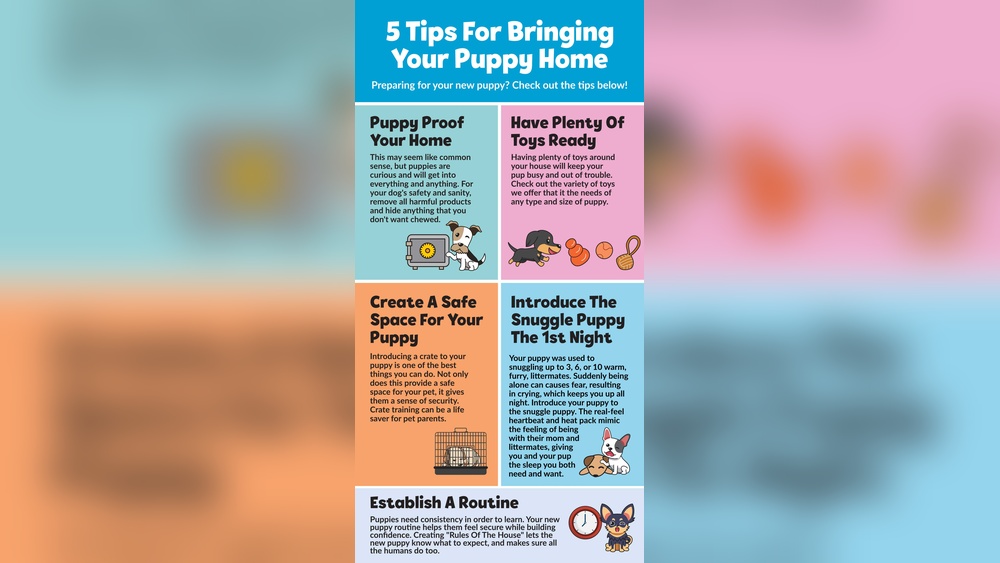
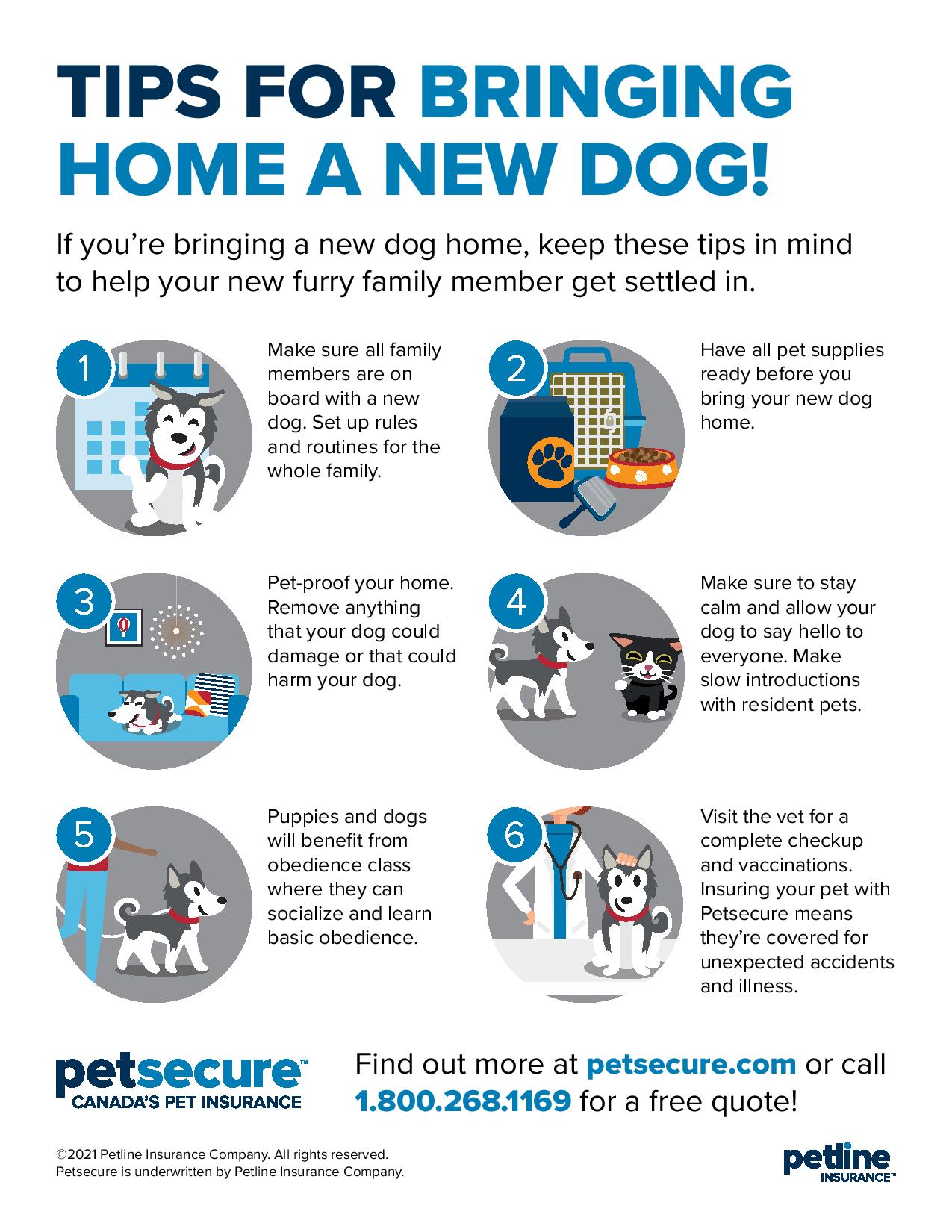
Preparing your home is the first step to a smooth introduction between your new puppy and your current dog. Setting up the right environment helps both pets feel safe and comfortable. This preparation can reduce stress and avoid conflicts. It also makes the transition easier for everyone.
Create Separate Spaces
Give each dog its own area to rest and eat. Separate spaces prevent fights over food or toys. Use baby gates or crates to keep them apart at first. Let them explore each other’s space slowly and carefully. This helps build trust and respect between dogs.
Gather Supplies
Have all necessary items ready before the puppy arrives. Get food bowls, beds, toys, and leashes for both dogs. Use separate bowls to avoid jealousy. Choose safe toys that suit each dog’s size and play style. Being prepared shows care for both pets.
Puppy-proof The Area
Remove anything dangerous or valuable from the puppy’s reach. Hide wires, small objects, and toxic plants. Check for spots where the puppy could get stuck or hurt. Secure trash cans and cleaning supplies. A safe space helps keep your puppy and dog healthy.

Credit: www.youtube.com
Introducing Dogs Safely
Introducing a new puppy to your current dog needs care and planning. Safe introductions help both dogs feel calm and happy. Taking small steps reduces stress and stops fights. Follow these simple tips to make the meeting smooth and safe.
Choose Neutral Territory
Meet on ground that belongs to neither dog. A park or quiet street works well. Neutral places stop your current dog from feeling protective. Both dogs can explore and sniff freely. This reduces tension and helps them relax.
Keep Initial Meetings Short
Start with brief meetings, just a few minutes. Watch how dogs act and stay close. If they seem calm, allow a little more time. End the meeting before either dog gets tired or upset. Short times build trust without pressure.
Observe Body Language
Look for signs like wagging tails or relaxed ears. These mean dogs feel good and safe. Watch for growling, stiff bodies, or raised hackles. These signs show stress or anger. Step in quickly if you see these signals to stop trouble.
Managing First Interactions
Introducing a new puppy to your existing dog requires careful handling. Managing their first interactions sets the tone for their future relationship. It helps avoid stress and possible conflicts. Patience and control are key during this phase.
Use Leashes For Control
Keep both dogs on leashes during their first meeting. This gives you control over their movements. You can separate them quickly if needed. Leashes help prevent sudden lunges or chasing. It also makes the dogs feel safer in a new situation.
Encourage Positive Behavior
Reward calm and friendly actions with treats and praise. This teaches dogs that good behavior brings rewards. Avoid punishing nervous or shy behavior. Instead, gently guide them toward relaxed interaction. Positive reinforcement builds trust between dogs and owners.
Intervene When Necessary
Watch the dogs closely for signs of stress or aggression. Step in if one dog becomes too rough or scared. Use a calm voice and gentle touch to separate them. Avoid yelling or harsh actions that increase tension. Early intervention prevents problems from escalating.
Establishing Routines
Bringing a new puppy home can be exciting and challenging. Establishing routines helps both dogs adjust well. Routines create a sense of security and reduce stress. Dogs thrive on predictability and clear expectations. Setting routines early makes life easier for everyone. Consistency is key to building a peaceful home.
Separate Feeding Times
Feed your new puppy and older dog separately. This prevents food guarding and fights over food. Choose quiet spots for each dog’s meal. Watch them closely during feeding times. Separate feeding also helps monitor each dog’s eating habits. It ensures the puppy gets enough food without competition.
Individual Attention
Give each dog time alone with you daily. One-on-one attention strengthens your bond with both dogs. It prevents jealousy and rivalry. Play, cuddle, or train each dog separately. This helps the new puppy feel safe and loved. The older dog stays confident and valued too.
Consistent Training
Train both dogs using the same commands and rules. Consistency helps dogs understand what you expect. Reward good behavior with treats and praise. Address bad behavior calmly and firmly. Training sessions should be short and fun. Both dogs learn patience and respect through routine training.
Handling Behavioral Challenges
Bringing a new puppy home with another dog can create some behavioral challenges. Dogs may feel unsure or upset with the change. Managing these behaviors early helps keep peace at home. It also builds a good relationship between your pets. Watch closely and act with care.
Understanding what your dogs need and feel is key. Be patient and consistent. This section gives simple tips to handle common issues. These tips help both dogs feel safe and happy.
Recognize Signs Of Stress
Stress shows in many ways. Your dog may bark more or hide often. Look for yawning, lip licking, or pacing. These signs mean your dog feels uneasy. Puppies may whine or refuse to eat. Notice changes in behavior quickly. Early action stops problems from growing.
Address Jealousy
Jealousy can cause fights or bad behavior. Give both dogs equal attention and treats. Avoid favoring one dog over the other. Create separate spaces for each dog to rest. Let them meet in calm, controlled ways. Praise good behavior to build trust.
Seek Professional Help
Sometimes, problems need expert advice. A trainer or behaviorist can guide you. They teach ways to improve dog interactions. Don’t wait if issues get worse. Professional help saves stress for you and your dogs.
Building A Lasting Bond
Bringing a new puppy home when you already have a dog takes patience. Building a lasting bond between them is important for peace in your house. It helps both dogs feel safe and loved. This bond grows with care and good habits. Small actions every day make a big difference. Here are some tips to help your dogs connect and enjoy each other’s company.
Encourage Playtime Together
Playtime helps dogs learn to trust and have fun. Choose toys that both dogs like. Let them chase, tug, or fetch side by side. Watch their body language to keep play friendly. Short play sessions work best at first. This time builds happy memories and stronger ties.
Reinforce Positive Interactions
Notice when the dogs share or stay calm near each other. Praise them with gentle words or treats. This teaches them good behavior is rewarded. Avoid scolding for minor mistakes. Instead, guide them with patience. Positive reinforcement helps dogs feel safe and eager to cooperate.
Celebrate Progress
Every small step counts. Celebrate when the dogs rest close or share space. Smile, give treats, or offer extra attention. These moments show the dogs they are doing well. Progress may be slow but steady. Enjoy each success to keep motivation high.

Credit: www.aplecclassiques.cat
Frequently Asked Questions
How To Introduce A New Puppy To Your Existing Dog?
Introduce them in neutral territory to avoid territorial behavior. Keep both dogs on leashes. Allow brief, supervised interactions. Reward calm behavior with treats. Gradually increase their time together while monitoring their reactions closely.
What Are The Signs Of Dog Jealousy To Watch For?
Look for growling, snapping, or blocking access to you or resources. Excessive barking or destructive behavior can also indicate jealousy. Early detection helps manage and reduce conflicts between your dogs.
How To Manage Feeding Times With Two Dogs?
Feed dogs separately to prevent food guarding. Use separate bowls and spaces. Supervise during meals to avoid conflicts. Establish consistent feeding routines to help both dogs feel secure.
When Should I Seek Professional Help For Dog Introductions?
If dogs show persistent aggression or fear after multiple attempts, consult a professional. A trainer or behaviorist can provide tailored strategies to ensure safe, peaceful coexistence.
Conclusion
Bringing a new puppy home with another dog takes patience and care. Give both pets time to adjust and feel safe. Watch their body language and step in if needed. Create separate spaces for each dog to relax. Keep routines steady to reduce stress for everyone.
Praise good behavior to build trust between dogs. Small steps lead to a happy, peaceful home. Enjoy the journey of growing your furry family together.


