
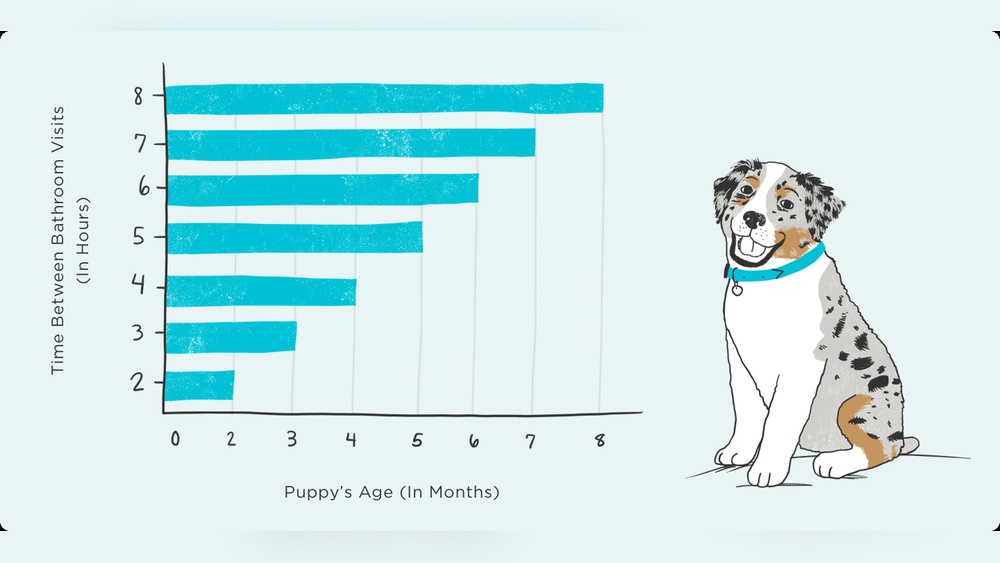
If you’re a dog owner or soon will be, you’re probably wondering: When do dogs get potty trained? You want your furry friend to learn quickly and avoid those messy accidents at home.
Knowing the right time to start and what to expect can save you frustration and help build a strong bond with your dog. Keep reading, because understanding the potty training timeline will make this essential skill easier for both you and your pet.
Credit: www.akc.org
Dog Potty Training Timeline
Potty training a dog follows a clear timeline that helps pet owners set realistic goals. Understanding this timeline makes the process smoother and less stressful. Each dog learns at its own pace, but most follow similar stages.
Age To Start Training
Puppies can start potty training at about 8 weeks old. At this age, they begin to understand basic commands and routines. Starting early builds good habits that last a lifetime. Young puppies need frequent bathroom breaks to avoid accidents.
Typical Training Duration
Most dogs take between 4 to 6 months to fully potty train. Some may learn faster, while others need more time. Consistency and patience speed up the process. Regular schedules and praise help dogs learn quickly.
Factors Affecting Timing
Several factors change how fast a dog potty trains. Breed size matters; smaller dogs usually take longer. Age and previous experiences also affect learning speed. Health issues can slow progress, so check with a vet if problems arise.
Signs Your Dog Is Ready
Knowing when your dog is ready for potty training makes the process easier. Dogs show clear signs before they can start learning. Watch your dog’s actions and body to see if they are ready. These signs help you begin training at the right time.
Behavioral Cues
Your dog may start to sniff the floor or circle before going potty. They might pause and seem restless or anxious. Some dogs head to the door or a specific spot. These behaviors mean your dog knows they need to go. Paying attention to these cues helps you act quickly.
Physical Development
Puppies usually start potty training between 12 and 16 weeks old. By this age, their bladder muscles grow stronger. They can hold their urine longer than before. A dog that can control its bladder is ready to learn. Watch for steady growth and less frequent accidents.
Response To Commands
Your dog should start to understand simple words like “sit” or “come.” They listen and follow basic instructions. This shows they can learn potty training commands too. Teaching words like “go potty” becomes easier when your dog listens well. Good response means your dog is ready for training steps.
Effective Training Techniques
Potty training a dog can be a smooth process with the right methods. Using effective training techniques helps dogs learn faster. Patience and consistency are key to success. Understanding simple methods makes training easier for both you and your dog.
Crate Training Benefits
Crate training helps dogs feel safe and secure. Dogs naturally avoid soiling their sleeping area. A crate teaches dogs to hold their bladder. It also creates a clear space for rest. Use the crate only for short periods at first. This prevents fear or anxiety from developing.
Consistent Scheduling
Set a regular schedule for bathroom breaks. Take your dog outside after meals and naps. Consistent timing helps dogs know when to go. It reduces accidents inside the house. Keep the schedule the same every day. Dogs learn best with routine and predictability.
Positive Reinforcement
Praise and treats work well to encourage good behavior. Reward your dog immediately after they go outside. This helps them connect the action with the reward. Avoid punishment for accidents to prevent fear. Positive reinforcement builds trust and motivates your dog.

Credit: www.youtube.com
Common Challenges
Potty training a dog can be tricky. Many owners face common challenges during this process. Knowing these problems helps you stay calm and patient. It also makes training easier and faster.
Accidents And How To Handle Them
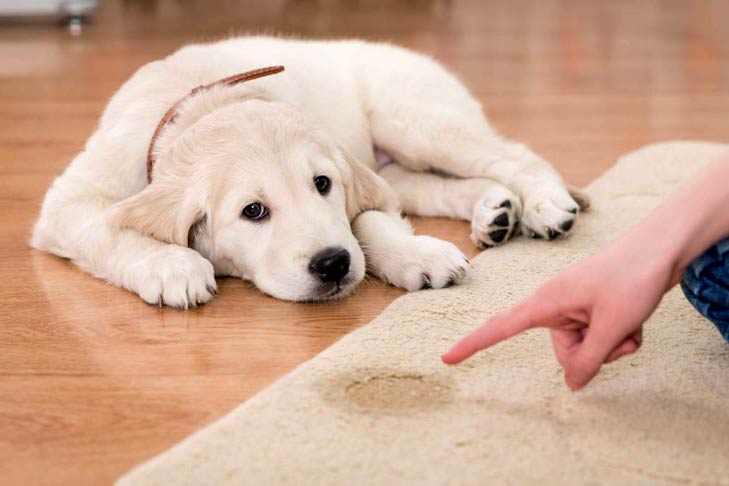
Accidents happen often during potty training. Dogs are learning new habits. Clean the spot well to remove smells. This stops dogs from going there again. Avoid punishment. It confuses dogs and slows learning. Instead, gently guide your dog to the right spot.
Dealing With Regression
Sometimes dogs forget their training. Changes in routine or stress cause this. Stay consistent with training and schedules. Give extra praise when your dog does well. Avoid getting angry or frustrated. Be patient and keep training sessions short and positive.
Addressing Anxiety Issues
Anxiety can cause potty problems. Dogs may hesitate or have accidents. Create a calm environment during training. Use a soft voice and gentle touch. Give breaks and chances to relax. If anxiety continues, consider talking to a vet or trainer for help.
Tools And Products
Potty training a dog requires patience and the right tools. Using proper products can make the process smoother and faster. These tools help guide your dog and keep your home clean.
Best Training Pads
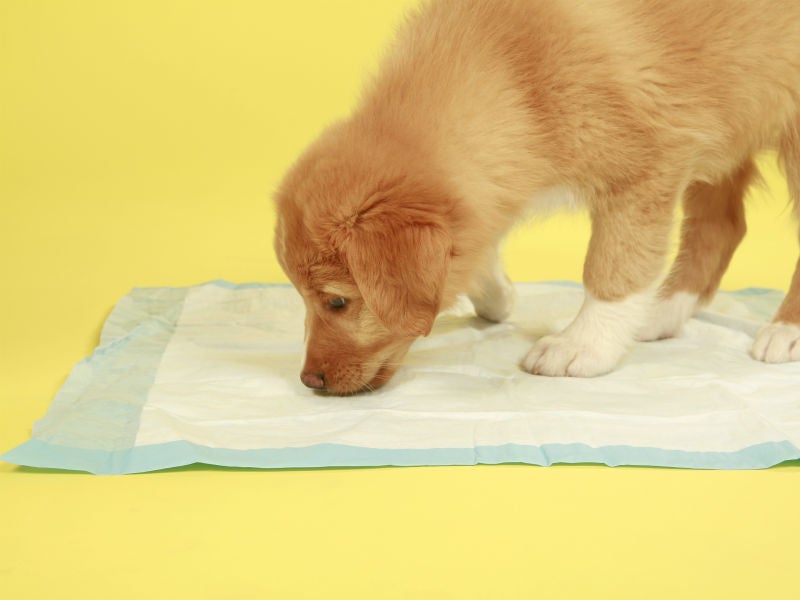
Training pads are useful for puppies that stay indoors. They absorb urine and keep floors dry. Choose pads with strong absorbency and leak-proof layers. Some pads have scents that attract dogs to use them. Replace pads often to maintain cleanliness and smell.
Cleaning Solutions
Accidents happen during training. Cleaning solutions remove odors and stains quickly. Use enzyme cleaners to break down urine molecules. This stops dogs from returning to the same spot. Avoid harsh chemicals that can harm pets or damage floors.
Helpful Accessories
Accessories like clickers and treat pouches aid training. Clickers help mark good behavior with a clear sound. Treat pouches keep rewards handy for quick praise. Gates and playpens limit your dog’s space safely. This control helps dogs learn where to go.
Tips For Different Dog Breeds
Different dog breeds learn potty training at various speeds. Their size, temperament, and energy affect training methods. Adjust your approach based on your dog’s breed for better results.
Small Breeds
Small dogs have tiny bladders. They need frequent bathroom breaks, often every hour. Use small, easy-to-clean potty pads indoors. Praise them warmly for success. Consistency is key for small breeds.
Large Breeds
Large dogs hold their bladder longer. They may take longer to potty train. Create a regular outdoor schedule to avoid accidents. Use clear commands and gentle guidance. Large breeds respond well to patience and routine.
Mixed Breeds
Mixed breeds can vary in size and behavior. Observe your dog’s habits closely. Combine techniques used for small and large breeds. Stay patient and consistent. Mixed breeds often adapt quickly with steady training.
Credit: www.akc.org
Frequently Asked Questions
When Do Puppies Usually Start Potty Training?
Puppies typically start potty training between 12 and 16 weeks old. Early training helps them learn faster. Consistency and patience are essential for success during this period.
How Long Does It Take To Fully Potty Train A Dog?
Potty training a dog usually takes 4 to 6 months. The exact time depends on breed, age, and consistency in training. Regular routines speed up progress.
What Are Common Signs A Dog Is Potty Trained?
A potty-trained dog will wait to go outside, signal when needing to go, and rarely have accidents indoors. They understand where it’s appropriate to relieve themselves.
Can Adult Dogs Be Potty Trained Effectively?
Yes, adult dogs can learn potty training with patience and consistency. Training might take longer than with puppies but is definitely achievable.
Conclusion
Potty training a dog takes time and patience. Puppies usually start learning between 8 to 16 weeks old. Consistency helps dogs understand where to go. Reward good behavior to encourage them. Expect accidents; it’s part of the process. Every dog learns at its own pace.
Stay calm and keep training sessions short. Soon, your dog will know the right place to potty. This makes life easier for both of you. Keep practicing, and success will come.

