Are you wondering when to switch your puppy from puppy food to adult dog food? Feeding your puppy the right food at the right time is crucial for their growth and health.
If you switch too early, your puppy might miss out on essential nutrients. Wait too long, and you could be overfeeding or causing weight issues. You’ll discover exactly when and how to make this important change smoothly. Keep reading to ensure your furry friend gets the best start in life!
Puppy Nutrition Basics
Puppy nutrition is important for healthy growth. Feeding the right food helps puppies build strong bones and muscles. It supports their energy needs and keeps their immune system strong. Understanding basic puppy nutrition helps you choose the best diet. This ensures puppies grow into healthy adult dogs.
Different life stages need different nutrients. Puppies need more calories and proteins than adult dogs. Their food should help with brain development and overall health. Knowing what to feed and when is key to good puppy care.
Growth Stages And Dietary Needs
Puppies grow fast in the first year. Their diet changes as they grow. Newborn puppies rely on their mother’s milk. After weaning, they need solid food with high energy. Between 8 weeks and 6 months, puppies need extra protein and fat. This supports rapid growth and development.
After six months, growth slows down. Their diet should adjust to less energy but still enough nutrition. Feeding adult dog food too early can cause nutrition gaps. Puppies need special food until they finish growing.
Key Nutrients For Puppies
Protein is essential for muscle and tissue growth. Puppies need more protein than adult dogs. Fat provides energy for active puppies. It also helps absorb vitamins.
Calcium and phosphorus build strong bones and teeth. Puppies need the right balance of these minerals. Vitamins like A, D, and E support vision, bone health, and immunity. Omega-3 fatty acids help brain and eye development.
Water is also vital. Puppies must stay hydrated for good health.
Differences Between Puppy And Adult Food
Puppy food and adult dog food serve different purposes. Puppies grow fast and need special nutrition to support their bones and muscles. Adult dogs need food that helps them maintain their weight and health. Understanding the differences between these foods helps pet owners feed their dogs right.
Nutrient Composition
Puppy food has more protein and fat. These nutrients support quick growth and energy. Adult dog food has less protein and fat. It focuses on keeping the dog healthy without extra calories.
Calorie Requirements
Puppies burn more energy than adult dogs. Their food has more calories to meet this need. Adult dogs need fewer calories to avoid weight gain. Their food is balanced for steady energy.
Texture And Size Variations
Puppy food often comes in smaller pieces. It is softer to help puppies chew easily. Adult dog food is harder and bigger. It helps clean teeth and suits larger jaws.
Signs Your Puppy Is Ready For Adult Food
Knowing when to switch your puppy to adult dog food is important. Puppies need the right nutrients to grow strong. Feeding them adult food too early or too late can cause problems. Watch for clear signs that show your puppy is ready. These signs help you make the best choice for their diet.
Age Milestones
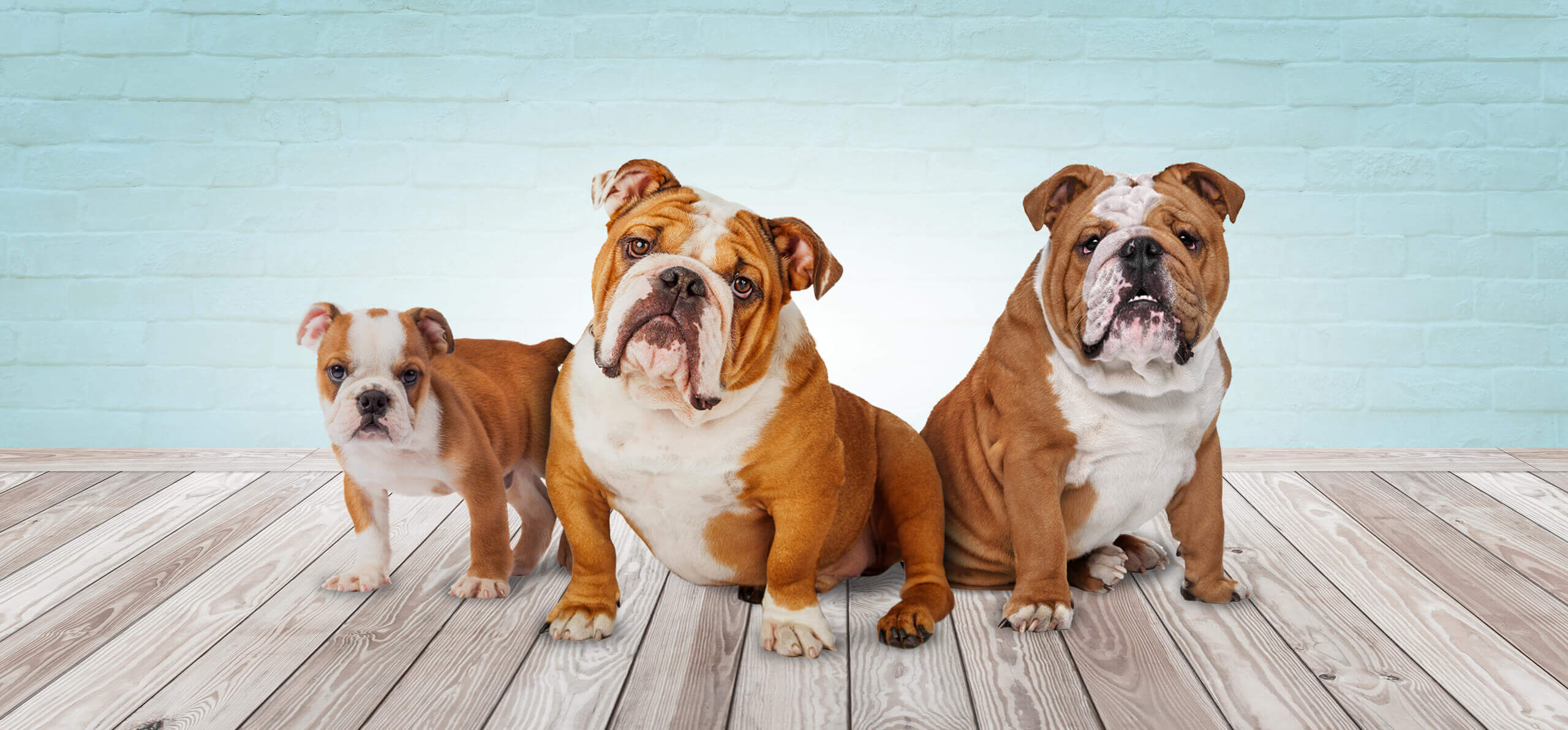
Puppies usually start adult food around one year old. Small breeds may switch a bit earlier, at nine to ten months. Larger breeds often need puppy food longer, up to 12-18 months. Age is a simple guide but not the only one to trust.
Weight And Size Indicators
Your puppy’s size shows readiness for adult food. When they reach about 80% of their full adult weight, it might be time. Growth slows down and bones harden. This means their body can handle adult nutrition well.
Behavioral And Health Signs
Healthy puppies ready for adult food eat less often. They may show less hyperactivity after meals. Their stools become firmer and regular. Coat looks shiny and skin feels smooth. These signs suggest good health and readiness for change.
Credit: www.bluebuffalo.com
Transitioning To Adult Dog Food
Transitioning your puppy from puppy food to adult dog food is an important step. This change supports their growth and health as they mature. Doing it carefully helps avoid stomach problems and ensures they get the right nutrients. A smooth transition sets the stage for a healthy adult dog.
Gradual Food Mixing Techniques
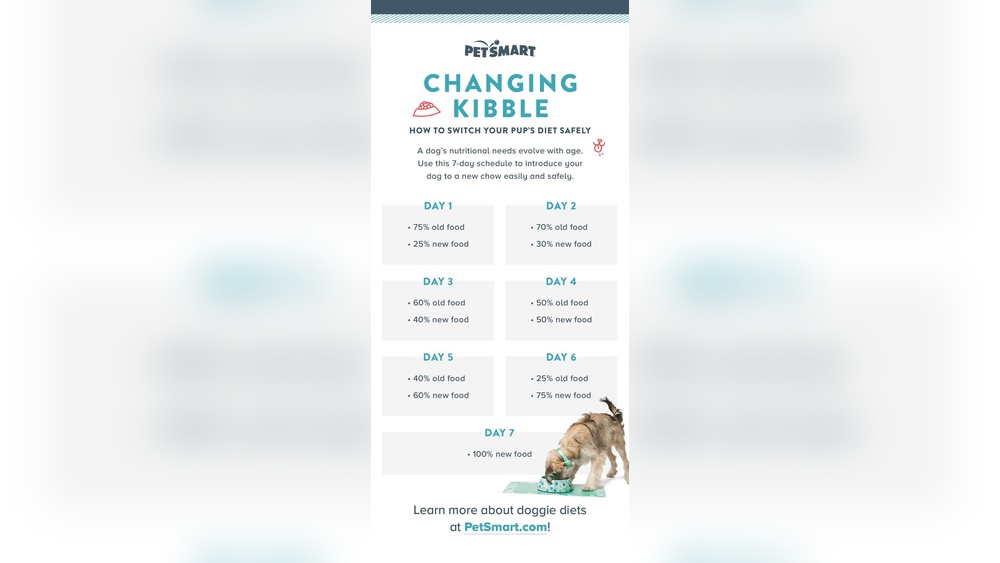
Start by mixing a small amount of adult food with puppy food. Increase the adult food portion slowly over 7 to 10 days. This helps your puppy’s stomach adjust to the new diet. Avoid switching foods suddenly, as it may cause upset stomach or diarrhea.
Monitoring Digestive Health
Watch your puppy’s stools and appetite during the transition. Firm, regular stools show good digestion. Soft or loose stools mean you should slow the switch. Keep an eye on any vomiting or lack of appetite. These signs need attention and possibly a slower change.
Adjusting Portion Sizes
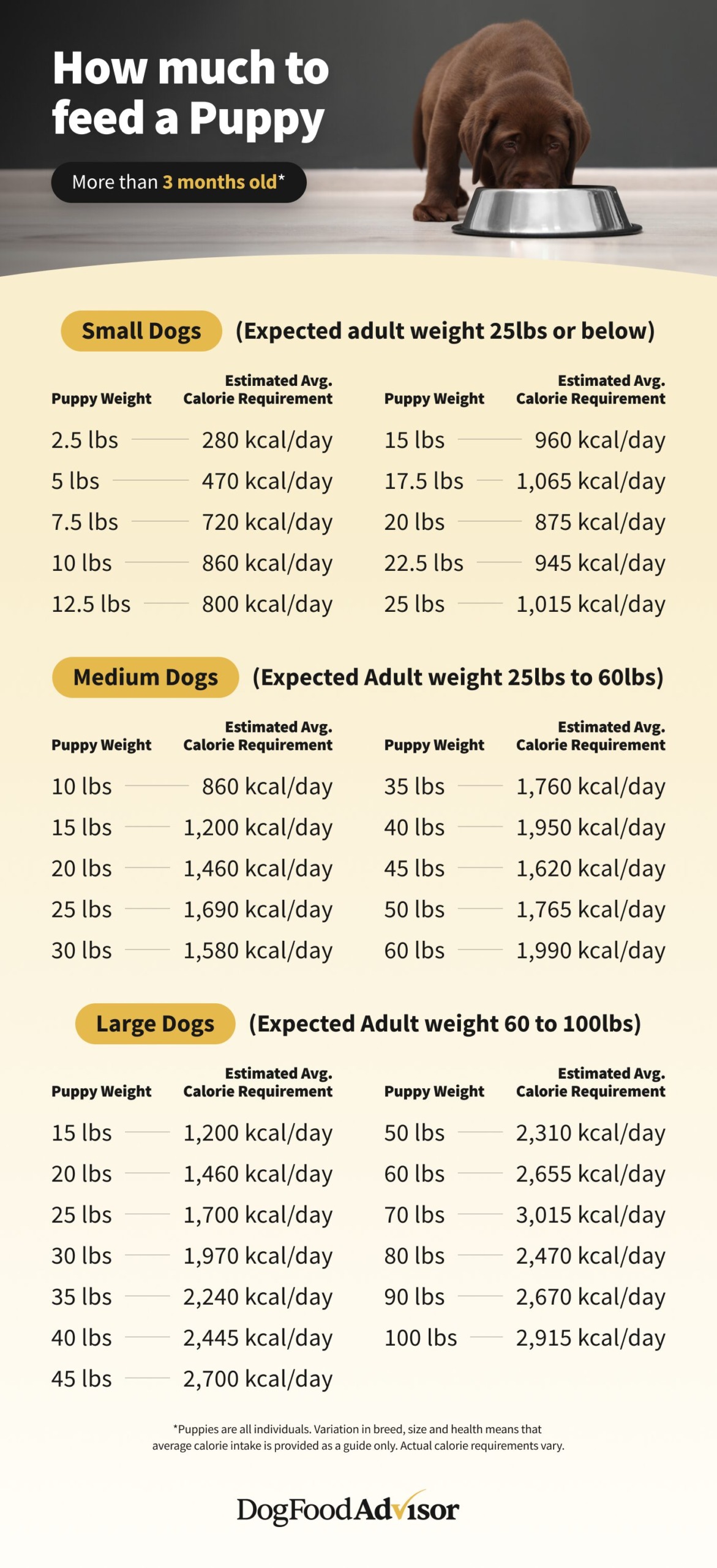
Adult dogs eat less food per pound than puppies. Reduce portion sizes as you switch to adult food. Follow the feeding guidelines on the dog food package. Adjust amounts based on your dog’s activity and weight. Proper portions help keep your dog healthy and fit.
Risks Of Early Or Late Transition
Transitioning puppies to adult dog food at the right time is crucial. Changing their diet too early or too late can cause problems. Puppies have special nutritional needs that support their fast growth. Feeding them adult food too soon can lead to missing key nutrients. Waiting too long to switch can also cause issues with health and digestion.
Potential Nutritional Deficiencies
Puppies need extra protein, fat, and calories to grow well. Adult dog food usually has fewer nutrients. Feeding it too early can cause lack of energy and poor muscle growth. Puppies might also miss out on vitamins and minerals essential for bones and teeth. This can weaken their immune system and make them sick more often.
Impact On Growth And Development
Growth slows if puppies do not get proper nutrition. Early adult food can stunt bone and joint development. Late switching may cause digestive troubles as puppies outgrow their food. Both early and late transitions can lead to weight problems. Healthy growth depends on the right food at the right time.
Long-term Health Effects
Feeding adult food too soon may cause long-term health problems. Weak bones and joints can lead to arthritis later in life. Delayed transition might cause obesity or poor digestion habits. Poor nutrition in puppyhood can affect lifespan and quality of life. Proper timing supports a strong, healthy adult dog.
Veterinarian Recommendations
Veterinarians play a key role in deciding when to start feeding puppies adult dog food. They assess the puppy’s growth, breed, and health before making recommendations. Following their advice helps ensure your puppy gets the right nutrients at the right time. This avoids problems like poor growth or digestive issues.
Personalized Feeding Plans
Every puppy is unique. Vets create feeding plans tailored to each puppy’s needs. These plans consider breed size, activity level, and health status. For example, large breeds may switch to adult food later than small breeds. Personalized plans help puppies grow strong and healthy.
When To Seek Professional Advice
Consult your vet before changing your puppy’s diet. Watch for signs like slow growth, weight loss, or digestive trouble. These signs mean you should get expert advice quickly. Vets guide you on the best time and type of adult food. This keeps your puppy safe and healthy.
Special Considerations
Feeding puppies adult dog food requires special care. Not all puppies grow or develop the same way. Some need extra attention based on their breed, health, or diet type. These factors affect when and how to switch their food.
Breed-specific Needs
Large breeds grow slower than small breeds. They need food with controlled calcium and calories. This helps avoid bone problems later. Small breeds mature faster and may switch to adult food sooner. Knowing your puppy’s breed helps set the right feeding time.
Puppies With Health Issues
Puppies with health problems need special diets. Some conditions require vet-approved food formulas. These foods support growth and recovery. Always ask your vet before changing food for sick puppies. Proper nutrition helps them stay strong and heal well.
Homemade Vs. Commercial Foods
Homemade meals can be healthy but need balance. Missing nutrients may slow growth or cause illness. Commercial foods are made to meet puppy needs. They contain vitamins, minerals, and protein in right amounts. Choose carefully based on your puppy’s health and diet preferences.
Credit: www.dogfoodadvisor.com

Credit: www.poochandmutt.co.uk
Frequently Asked Questions
When Is The Right Age To Feed Puppies Adult Dog Food?
Puppies can start eating adult dog food at about 12 months old. This timing ensures they receive proper nutrients for growth. However, large breeds may need adult food later, around 18 months, due to slower development.
Can Feeding Adult Dog Food Too Early Harm Puppies?
Yes, feeding adult dog food too early can harm puppies. Adult food lacks essential nutrients like higher protein and fat needed for puppy growth. This can lead to poor development, weak bones, and health issues.
How To Transition Puppies From Puppy To Adult Dog Food?
Transition slowly over 7-10 days by mixing adult food with puppy food. Gradually increase adult food amount while reducing puppy food. This helps avoid digestive upset and allows puppies to adjust to new taste and texture.
What Signs Show Puppies Are Ready For Adult Dog Food?
Signs include reaching near adult size, stable energy levels, and controlled growth rate. Puppies also start eating less frequently and show improved digestion. Consult your vet to confirm readiness before switching foods.
Conclusion
Puppies need the right food to grow strong and healthy. Switching to adult dog food too early can cause problems. Wait until your puppy is about one year old. Watch their size, energy, and health closely. Talk with your vet before changing their diet.
A smooth change helps your dog adjust well. Feeding the right food supports a long, happy life. Careful timing makes a big difference for your puppy’s health. Keep their needs in mind and feed them with love.