Are you wondering if it’s okay to feed your adult dog puppy food? You might think puppy food is just extra nutritious, but is it really safe or even healthy for your adult dog?
What if feeding the wrong food could harm your dog’s health or cause unexpected problems? Keep reading to find out the surprising truth and learn how to make the best choice for your furry friend’s diet. Your dog’s well-being depends on it!
Credit: companionpethospital.com
Nutritional Differences Between Puppy And Adult Food
Adult dog food and puppy food serve different needs. Puppy food supports growth and development. Adult dog food maintains health and energy. Understanding their nutritional differences helps choose the right diet for your dog.
Calorie Content And Energy Needs
Puppy food has more calories than adult dog food. Puppies need extra energy to grow strong. Adult dogs require fewer calories to avoid weight gain. Feeding puppy food to an adult dog can cause obesity.
Protein And Fat Levels
Puppy food contains higher protein and fat. These nutrients support muscle and brain development. Adult dog food has moderate protein and fat. Too much protein or fat may upset an adult dog’s digestion.
Vitamin And Mineral Variations
Puppy food has added vitamins and minerals for growth. Calcium and phosphorus levels are higher to build bones. Adult dog food balances these nutrients for maintenance. Excess vitamins and minerals can harm adult dogs over time.

Credit: www.iams.com
Potential Risks Of Feeding Puppy Food To Adults
Feeding an adult dog puppy food might seem harmless. Puppy food is rich in nutrients and calories. But giving it to adult dogs can cause problems. Their bodies have different needs than puppies. Puppy food is designed to support growth, not maintenance. This mismatch can lead to health risks for adult dogs.
Weight Gain And Obesity
Puppy food has more calories and fat than adult dog food. Adult dogs eating puppy food can gain weight quickly. Extra calories that are not burned turn into fat. Obesity increases the risk of joint pain and heart issues. Overweight dogs may also have trouble moving and staying active.
Digestive Issues
Adult dogs can have trouble digesting puppy food. The higher fat content can upset their stomachs. Symptoms include diarrhea, vomiting, or gas. Sudden diet changes also disturb the digestive system. Consistent feeding of puppy food may lead to chronic digestive problems.
Long-term Health Concerns
Continuous feeding of puppy food can harm adult dogs over time. Excess nutrients strain the liver and kidneys. Imbalanced diets may affect the dog’s immune system. Long-term health issues like diabetes and heart disease can develop. Feeding the right food for their age helps dogs live longer, healthier lives.
Situations When Puppy Food Might Be Appropriate
Puppy food is usually rich in nutrients to support growth and energy. This makes it different from adult dog food, which balances nutrients for maintenance. Yet, there are certain situations where feeding puppy food to an adult dog might help. These cases often involve special health needs or high energy use. Understanding these situations can guide better feeding choices for your dog.
Recovery From Illness Or Surgery
After illness or surgery, dogs need extra nutrients to heal. Puppy food has more protein and calories, which can support faster recovery. It helps rebuild muscles and tissues. A vet may suggest puppy food to meet these needs temporarily. This food can give the energy a recovering dog requires.
High Energy Demands
Some adult dogs have very active lifestyles or work roles. Dogs like hunting, herding, or agility training burn many calories. Puppy food offers more fat and protein to fuel this activity. It helps keep their energy levels up throughout the day. Feeding puppy food can meet these higher demands safely for a time.
Senior Dogs With Specific Needs
Older dogs sometimes lose weight or muscle mass. They may also have trouble eating large meals. Puppy food’s rich nutrients can help maintain their strength. It provides easy-to-digest energy and proteins. Vets might recommend it if a senior dog needs extra support in these ways.
How To Transition Between Puppy And Adult Food
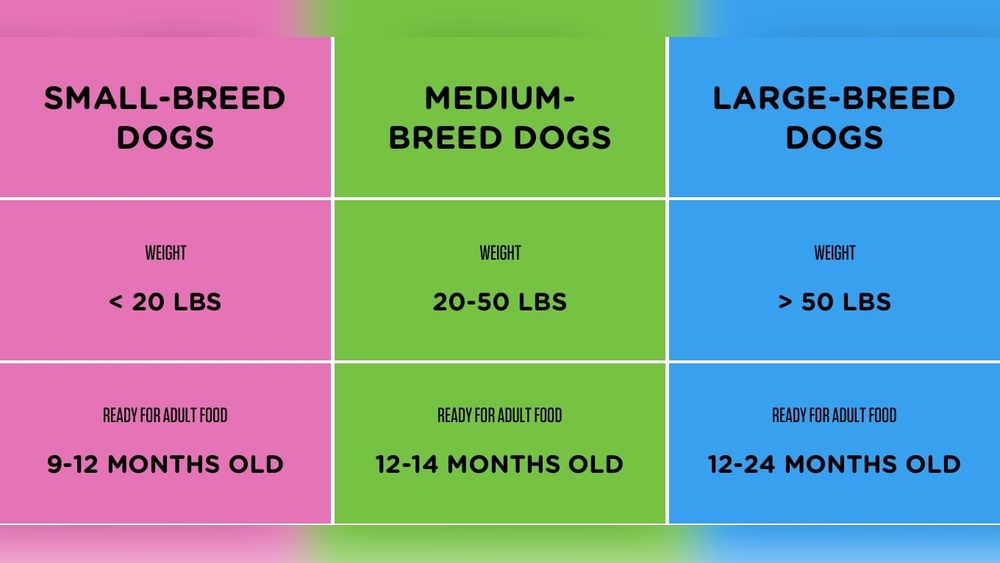
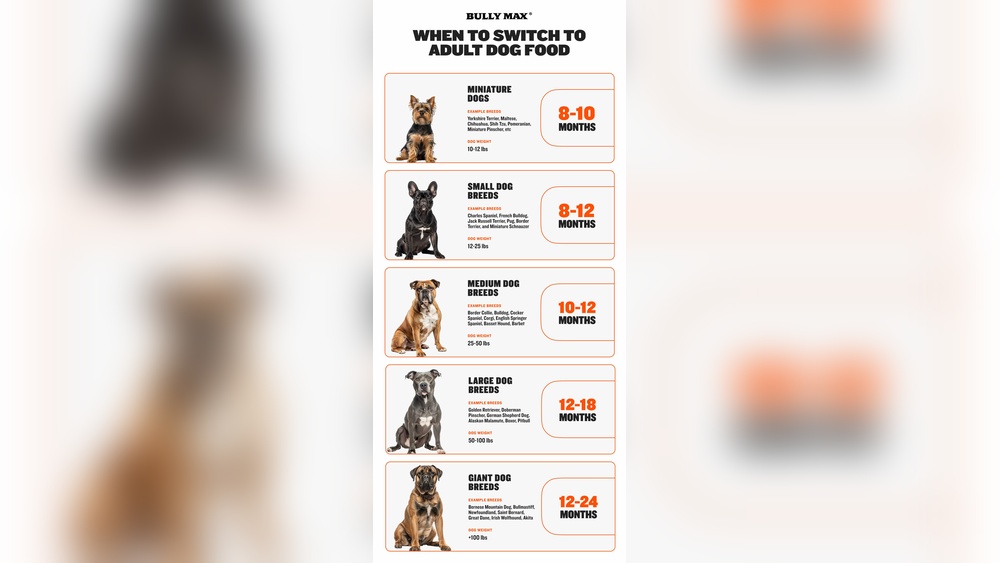
Switching your dog from puppy food to adult food needs care and patience. A sudden change can upset their stomach. A smooth transition helps your dog adjust well. It also supports their health during this change.
Gradual Switching Techniques
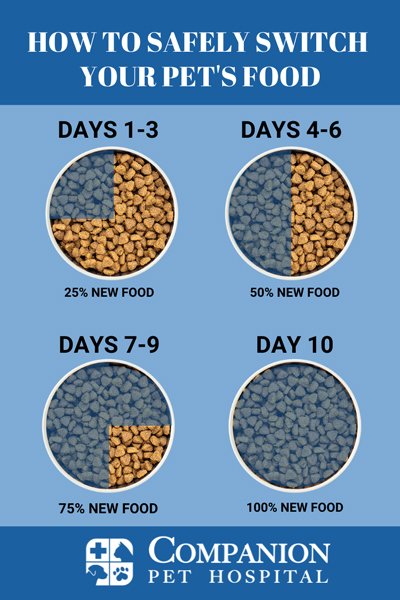
Start by mixing a small amount of adult food with puppy food. Increase the adult food gradually over 7 to 10 days. This slow change helps your dog’s stomach adapt. Watch the food ratio carefully each day. Avoid switching all at once to prevent digestive issues.
Monitoring Your Dog’s Response
Observe your dog’s behavior and stool during the switch. Look for signs of discomfort or allergies. Loose stools or vomiting may mean the change is too fast. If your dog seems fine, continue the gradual increase. Consistent monitoring ensures a healthy transition.
Consulting A Veterinarian
Your vet can guide you on the best food for your dog’s age and health. They can suggest the right time to switch foods. Ask about any special dietary needs your dog might have. Professional advice makes the transition safer and smoother.
Alternatives To Puppy Food For Adult Dogs
Choosing the right food for adult dogs is important for their health. Puppy food has more calories and nutrients meant for growing dogs. Adult dogs need different nutrition to stay healthy and active. There are many options besides puppy food that suit adult dogs well. These alternatives provide balanced nutrition without overfeeding or causing weight gain.
Specialized Adult Formulas
Adult dog foods are made to meet the needs of mature dogs. They have the right amount of protein, fat, and vitamins. These formulas support healthy weight and energy levels. Some brands offer food for small or large breeds with specific nutrient blends. These choices help maintain strong muscles and a healthy coat. Feeding adult formulas prevents excess calories and nutrient imbalance.
Homemade Balanced Diets
Preparing homemade meals lets you control ingredients and freshness. A balanced diet includes lean meats, vegetables, and grains. You must include sources of protein, fiber, and healthy fats. Avoid harmful foods like onions, garlic, and chocolate. Consult a vet or pet nutritionist to ensure meals meet all needs. Homemade food can be tasty and healthy for adult dogs.
Supplements And Additives
Supplements can fill gaps in a dog’s diet. Fish oil helps support a shiny coat and joint health. Probiotics improve digestion and nutrient absorption. Vitamins like E and C boost immunity. Use supplements only if needed and recommended by a vet. They work best with a balanced diet, not as a main food source.

Credit: www.becopets.com
Frequently Asked Questions
Is It Safe To Feed Adult Dogs Puppy Food?
Feeding adult dogs puppy food occasionally is generally safe. However, puppy food has higher calories and nutrients meant for growth. Long-term feeding may cause weight gain and nutritional imbalance in adults. Always consult a vet before changing your dog’s diet.
What Happens If An Adult Dog Eats Puppy Food?
Adult dogs eating puppy food may gain excess weight due to extra calories. Puppy food is richer in fats and proteins, which can upset digestion. Occasional feeding is okay, but regular feeding can lead to health issues like obesity.
Can Adult Dogs Digest Puppy Food Properly?
Adult dogs can digest puppy food, but it’s richer and harder to process. Puppy formulas have more fats and proteins for growing pups, which may strain an adult dog’s metabolism. Balanced adult dog food is better suited for their digestive needs.
How Long Can Adult Dogs Eat Puppy Food?
Adult dogs should not eat puppy food for extended periods. Short-term feeding is fine, but long-term use can lead to obesity and nutrient imbalance. Switch back to adult dog food as soon as possible for optimal health.
Conclusion
Feeding puppy food to an adult dog is not ideal. Adult dogs need different nutrients than puppies. Too many calories can cause weight gain. Puppy food may upset their stomachs. Choosing the right food helps keep dogs healthy. Always check with your vet before changing diets.
A balanced diet supports your dog’s energy and growth. Remember, adult dogs thrive best on adult dog food. Keep your furry friend happy and strong with proper nutrition.