Are you planning a trip and wondering if your furry friend can join you on the train? You’re not alone.
Many pet owners ask, “Do trains allow dogs? ” The answer isn’t always simple, and knowing the rules beforehand can save you stress and surprises. You’ll discover what different train companies say about traveling with dogs, what you need to prepare, and how to make the journey smooth for both you and your pet.
Keep reading to find out everything you need to know before booking your next train ride with your dog.

Credit: metrophiladelphia.com
Train Policies On Dogs
Train travel with dogs requires knowing specific rules. Each train company sets its own policies. These policies cover which dogs are allowed and how to bring them onboard. Understanding these rules helps avoid problems during the trip.
Dogs are welcome on many trains, but rules vary. Following the correct procedures makes the journey smooth for both owners and pets.
Types Of Trains And Their Rules
Different trains have different rules for dogs. Local trains often allow small dogs for free. Long-distance trains may require a ticket for your dog. Some high-speed trains ban pets altogether. Always check the train type before booking. Rules can depend on the train’s company and route.
Size And Breed Restrictions
Many trains limit the size of dogs allowed. Small dogs usually must fit in a carrier. Larger dogs might need a muzzle and leash. Some breeds face restrictions due to safety concerns. Knowing these limits helps avoid denied boarding.
Booking Requirements For Pets
Some trains require advance booking for dogs. You may need to buy a separate ticket. Others ask for health certificates or ID tags. Booking early secures your pet’s spot. Always confirm rules with the train company before travel.
Preparing Your Dog For Train Travel
Traveling by train with your dog can be a smooth and pleasant experience. Proper preparation helps your pet feel calm and safe. Start planning early to avoid stress on travel day. Focus on health, comfort, and familiarity with the trip.
Health Checks And Vaccinations
Visit the vet for a full health check before travel. Make sure your dog is up to date on vaccinations. Ask the vet about any travel-specific health advice. Healthy pets handle travel better and avoid risks. Carry a copy of medical records for the journey.
Choosing The Right Carrier
Pick a carrier that fits your dog comfortably. The carrier should be well-ventilated and secure. Measure your dog to find the right size. The pet must stand, turn, and lie down inside. Soft, padded carriers offer extra comfort during the trip.
Familiarizing Your Dog With Travel
Help your dog get used to the carrier at home. Let your pet explore it freely before the trip. Practice short rides to reduce travel anxiety. Use treats and praise to create positive associations. Familiar sounds and smells make travel less scary.
Onboard Etiquette For Dogs
Traveling by train with your dog can be a smooth and pleasant experience. Good onboard etiquette helps everyone enjoy the trip. Dogs should behave well and respect other passengers. Owners need to keep their pets calm and clean during the journey. Following simple rules makes the trip safe and comfortable for all.
Leash And Behavior Guidelines
Keep your dog on a leash at all times. A short leash works best in crowded spaces. Dogs should stay close to their owners. Avoid loud barking or aggressive behavior. Train your dog to sit or lie down quietly. Respect other passengers’ space and comfort. Friendly dogs make the trip nicer for everyone.
Handling Accidents And Cleanliness
Bring bags to clean up after your dog. Always pick up waste immediately. Carry a small towel or wipes for spills. Cleanliness keeps the train environment fresh. Inform train staff if an accident happens. Good hygiene shows respect for others. It prevents problems and keeps the trip pleasant.
Keeping Your Dog Calm And Comfortable
Bring your dog’s favorite blanket or toy. This helps them feel safe and relaxed. Offer water during longer trips to keep them hydrated. Speak softly to calm nervous dogs. Avoid feeding your dog heavy meals before travel. Calm dogs reduce stress for everyone on board.
Popular Pet-friendly Train Services
Many train services welcome dogs on board. Traveling with pets has become easier. Several popular train operators offer pet-friendly options. These services help pet owners plan trips without stress. Knowing which trains allow dogs can save time and effort.
Pet-friendly train services vary by region and company. Some trains have special programs for animals. Booking tips can help ensure a smooth journey for pets. Below are key points about popular pet-friendly train services.
Regional And National Train Operators
Many regional and national train companies allow dogs. Small pets often travel free or for a small fee. Larger dogs may need a ticket or must travel in a carrier. Some operators set rules on pet size and behavior. Checking each company’s pet policy is important before booking.
Special Pet Travel Programs
Some train companies offer special programs for pets. These may include pet tickets or reserved spaces. Programs can include guidelines to keep pets safe and comfortable. Staff may provide water bowls or pet-friendly areas. These programs improve the travel experience for pets and owners.
Booking Tips For Pet Passengers
Book tickets early to secure space for your dog. Inform the train company about your pet when reserving. Use a comfortable carrier or leash to control your dog. Bring water and treats to keep your dog calm. Review all pet rules before your trip to avoid issues.
Alternatives To Train Travel With Dogs
Traveling with dogs on trains may not always be possible or convenient. Many pet owners seek other ways to travel safely with their dogs. Several options exist that can suit different needs and distances. This section explores alternatives to train travel with dogs. It highlights benefits and tips for cars, bus and ferry rules, and air travel considerations.
Car Travel Benefits And Tips
Cars offer great control and comfort for dog travel. Dogs can move freely and rest during stops. You can pack all essentials without limits. Keep your dog safe with a harness or crate. Plan regular breaks for bathroom and exercise. Never leave your dog alone in a parked car. Use a sunshade to protect against heat. Bring water and familiar toys to reduce stress.
Bus And Ferry Pet Policies
Buses and ferries sometimes allow dogs on board. Rules vary by company and route. Small dogs often ride in carriers under seats. Larger dogs may need a muzzle or leash. Fees may apply for pets on buses or ferries. Check the pet policy before booking tickets. Prepare your dog for the journey to avoid trouble. Bring waste bags and water for convenience. Respect other passengers by keeping dogs calm.
Air Travel Considerations For Dogs
Flying with dogs requires careful planning and preparation. Airlines set strict rules for pet travel. Small dogs may fly in the cabin under the seat. Larger dogs usually travel in the cargo hold. Book your dog’s spot early to ensure availability. Use a well-ventilated and comfortable crate. Visit the vet for a health check and vaccinations. Arrive at the airport early for smooth check-in. Monitor your dog’s condition after the flight.

Credit: dogfriendlytravel.com
Legal And Safety Considerations
Traveling with dogs on trains requires attention to legal and safety rules. These rules protect pets, owners, and other passengers. Understanding these rules helps ensure a smooth trip for everyone. Always check the train company’s pet policies before booking tickets.
Travel Documentation For Pets
Many train companies ask for pet documents. These may include vaccination records and a health certificate. Some places require proof of rabies shots. Carry documents in case staff ask during the trip. Without papers, your dog might not be allowed on board.
Liability And Insurance
Owners are responsible for their dogs on trains. This means controlling your pet at all times. Some companies require pet insurance or liability coverage. It protects you if your dog causes harm or damage. Check if your insurance covers travel with pets.
Emergency Preparedness
Plan for emergencies before the train ride. Bring a leash, water, and pet food. Know the nearest vet locations along the route. Keep a pet first-aid kit ready. Stay calm and act quickly if your dog feels sick or scared.
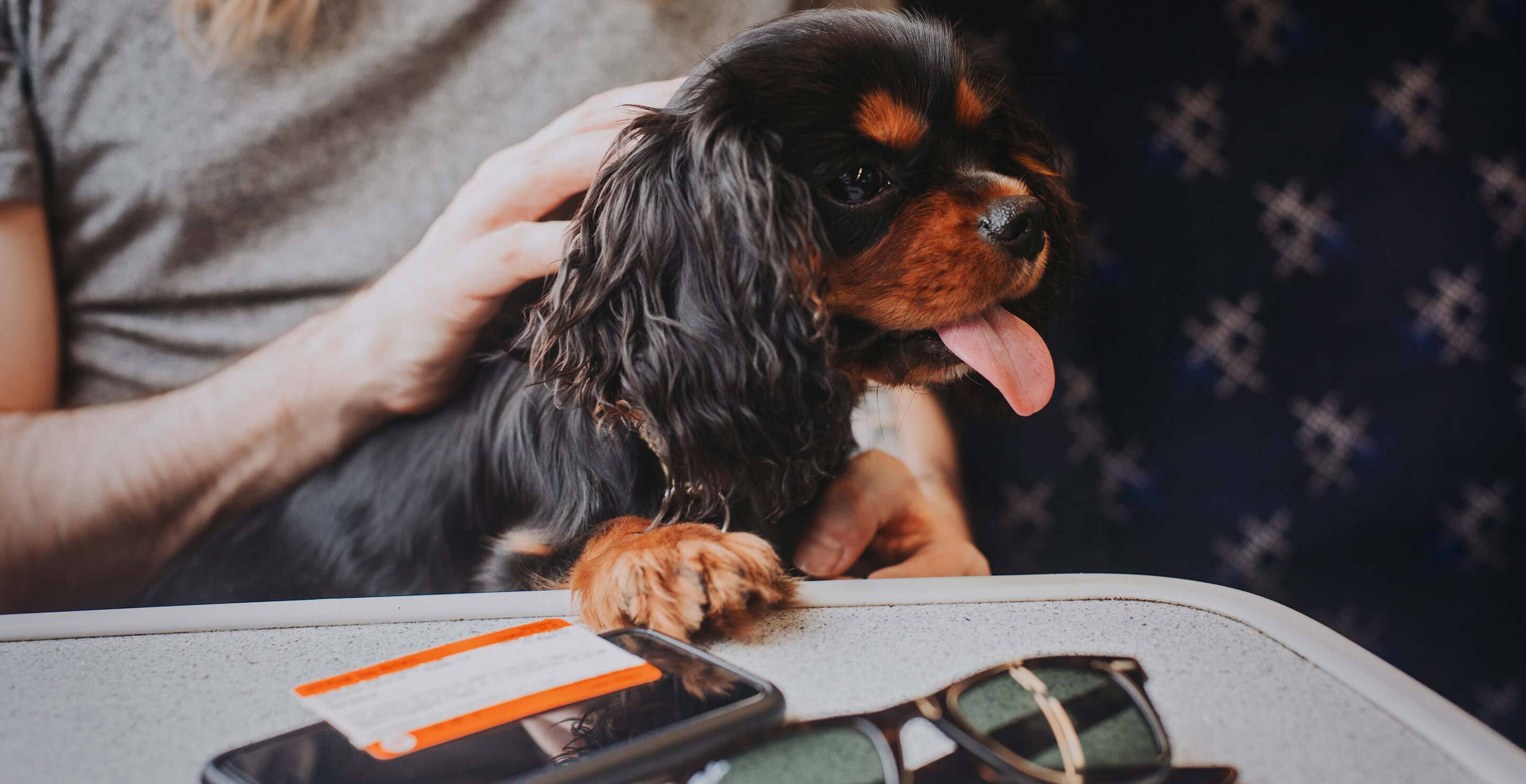
Credit: www.thetrainline.com
Frequently Asked Questions
Can I Bring My Dog On A Train?
Yes, most trains allow dogs onboard. Policies vary by train company and route. Small dogs often travel free in carriers. Larger dogs may require a ticket or additional fees.
Are There Size Restrictions For Dogs On Trains?
Yes, many trains restrict dog size. Small dogs usually must stay in carriers. Larger dogs might need a muzzle or leash. Always check specific train rules before traveling.
Do I Need To Book In Advance For My Dog?
Booking policies differ by train service. Some require advance notice for pets. Others accept dogs without pre-booking. It’s best to confirm with your train provider before your trip.
Are There Extra Fees For Traveling With Dogs?
Many train companies charge extra for dogs. Fees depend on dog size and route. Some allow small dogs free in carriers. Check the train’s pet policy for exact costs.
Conclusion
Trains often allow dogs, but rules can differ by company. Small dogs may travel for free or with a ticket. Larger dogs usually need a leash and sometimes a muzzle. Always check the train company’s pet policy before booking. Bring water and a carrier for your dog’s comfort.
A calm pet makes the journey better for everyone. Traveling with dogs can be easy with some planning. Enjoy your trip together and stay safe on the rails.