
Are you wondering if your puppy can eat adult dog food? It’s a question many pet owners ask, especially when you want the best for your furry friend.
Feeding the right food is crucial for your puppy’s growth and health. Choosing the wrong diet might seem harmless but can affect their development in ways you don’t expect. Keep reading to discover what you need to know to keep your puppy happy, healthy, and strong.
Your puppy’s future depends on it!
Puppy Vs Adult Dog Food
Puppies and adult dogs have very different needs. Their food must match these needs to keep them healthy. Feeding the wrong food can cause problems in growth and energy.
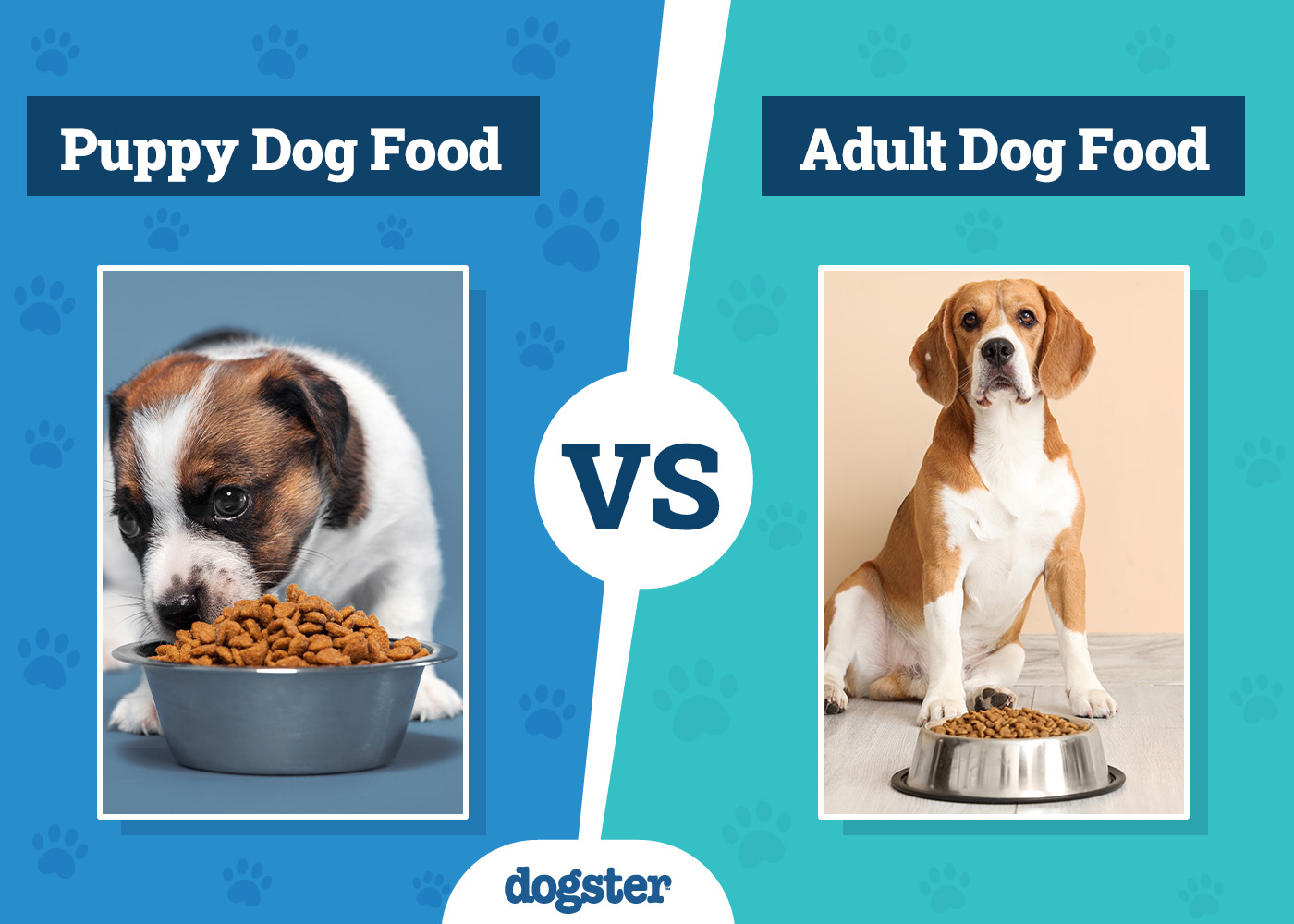
Puppy food supports fast growth and high energy. Adult dog food helps maintain health and weight. Understanding these differences helps you choose the right food for your dog.
Nutritional Differences
Puppy food has more protein and fat than adult food. These nutrients help build strong muscles and a healthy coat. Adult dog food has balanced nutrition for maintenance, not growth. Vitamins and minerals vary to support their different life stages.
Calorie Needs
Puppies need more calories per pound of body weight. They use this energy to grow and play. Adult dogs need fewer calories to avoid weight gain. Their activity level is usually lower than puppies.
Growth Requirements
Puppies require food that supports bone and brain growth. Calcium and DHA are important in puppy diets. Adult dogs need food that keeps their body strong and healthy. Their growth phase is complete, so nutrition focuses on upkeep.
Risks Of Feeding Adult Food To Puppies
Feeding adult dog food to puppies carries several risks. Puppies need special nutrition to grow strong and healthy. Adult food does not meet these needs. This can cause problems in their development and health.
Nutrient Deficiencies
Puppies require more protein, fat, and certain vitamins than adult dogs. Adult food often lacks these essential nutrients. This can lead to poor growth and weak muscles. Deficiencies may also affect their immune system, making puppies more prone to illness.
Digestive Issues
Adult dog food has different fiber and fat levels. Puppies’ digestive systems are sensitive and not ready for these changes. Feeding adult food may cause stomach upset, diarrhea, or constipation. These issues can make puppies uncomfortable and slow their growth.
Long-term Health Effects
Improper nutrition during puppyhood can cause lasting problems. Bone and joint development may suffer without the right nutrients. This can lead to arthritis or mobility problems later in life. Early diet mistakes can also affect heart and organ health over time.
When Adult Dog Food Might Be Okay
Puppies need special nutrition to grow strong and healthy. Usually, puppy food fits their needs best. Still, some situations allow adult dog food to be okay for puppies.
Understanding these cases helps you make better feeding choices. Let’s explore when adult dog food might work for your puppy.
Age Thresholds
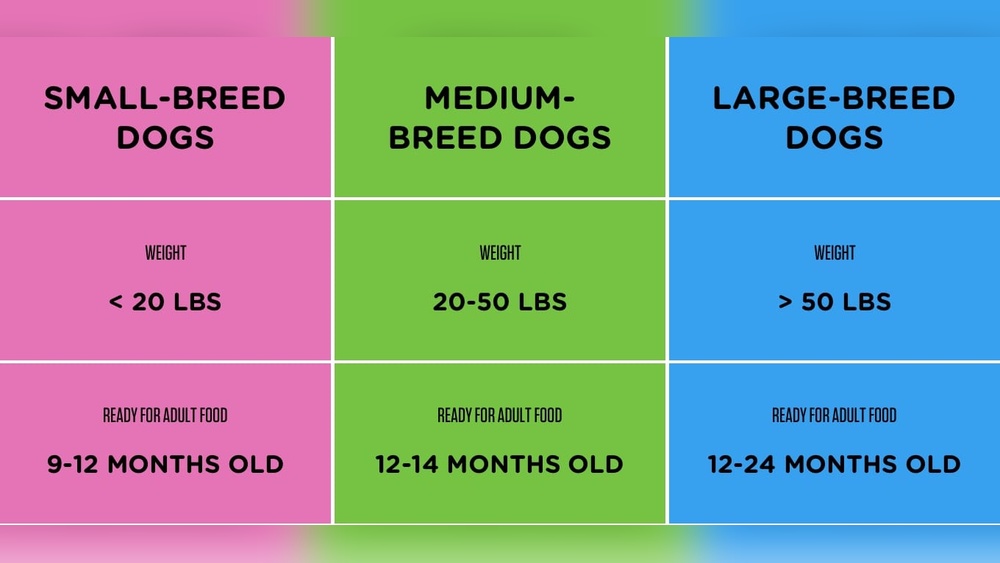
Puppies grow fast in the first year. Most need puppy food until about 12 months old. Large breeds may need it longer, up to 18 months.
After this time, their growth slows. Switching to adult dog food can be safe. It supports maintenance, not rapid growth.
Special Dietary Needs
Some puppies have health issues. They may need specific diets not available in puppy food. Adult dog food sometimes offers better options for allergies or sensitivities.
In rare cases, a vet might suggest adult food for better nutrient balance. Always watch your puppy’s health during any diet change.
Veterinarian Recommendations
Veterinarians guide feeding based on each puppy’s needs. They may approve adult dog food if it meets nutrition needs. This advice ensures your puppy stays healthy and active.
Follow your vet’s guidance closely. They know what suits your puppy best.
Credit: companionpethospital.com
Choosing The Right Puppy Food
Choosing the right food for your puppy is very important. Puppies need food that helps them grow strong and healthy. Their bodies and brains develop fast. The right food gives them energy and the nutrients they need. Adult dog food is not made for puppies. It does not have the vitamins and minerals puppies need to grow well. Feeding the right puppy food helps avoid health problems later.
Key Ingredients To Look For
Protein is very important for puppies. It helps build muscles and tissues. Look for meat, chicken, or fish as the first ingredient. Fat is also needed for energy and brain growth. Healthy fats come from fish oil or chicken fat. Vitamins and minerals like calcium help puppies build strong bones. DHA is a special nutrient for brain and eye development. Avoid foods with too many fillers like corn or wheat.
Reading Labels
Check the label to see if the food is for puppies. It should say “complete and balanced” for growth. Look at the ingredient list. The first few ingredients are the main parts of the food. Avoid foods with too many artificial colors or preservatives. The guaranteed analysis shows protein, fat, and fiber amounts. Puppies need higher protein and fat than adult dogs. Serve food that matches your puppy’s size and breed.
Top Puppy Food Brands
Some brands are known for good puppy food. They use quality ingredients and follow safety rules. Brands like Blue Buffalo, Royal Canin, and Hill’s Science Diet offer puppy formulas. These foods meet nutritional needs for different breeds and sizes. Choose a brand with good reviews and vet recommendations. Always introduce new food slowly to avoid stomach upset.
Transitioning From Puppy To Adult Food
Transitioning your puppy from puppy food to adult dog food is an important step. It affects your dog’s health and growth. The change should happen carefully to avoid stomach upset and ensure your dog gets the right nutrients.
This transition is not just about switching food types. It involves timing, gradual changes, and reading your puppy’s signals. Each dog grows at its own pace, so watch closely and adjust accordingly.
Timing The Switch
Puppies usually switch to adult food between 9 and 12 months old. Small breeds may need the change earlier, at around 9 months. Larger breeds can wait longer, sometimes up to 12 months or more. The timing depends on your dog’s size and breed.
Gradual Change Steps
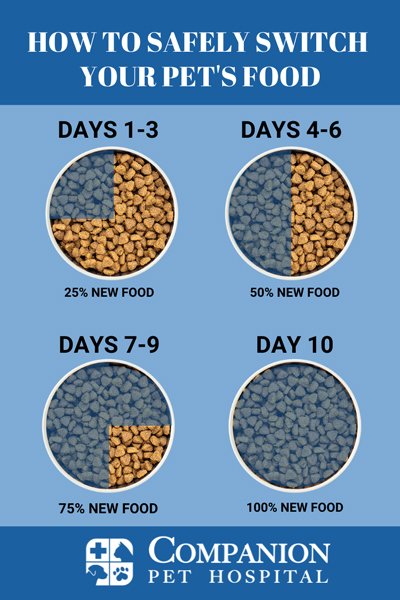
Start mixing a small amount of adult food with puppy food. Increase the adult food amount slowly over 7 to 10 days. This helps the puppy’s stomach adjust. Sudden changes can cause diarrhea or vomiting. Patience is key during this process.
Signs Puppy Is Ready
Your puppy shows signs it is ready for adult food. It may stop growing as fast or lose interest in puppy food. Teeth might look bigger and stronger. Energy levels can change too. Watch for these signs to know the right time to switch.
Homemade Vs Commercial Puppy Food
Puppy owners often wonder whether homemade or commercial food is better. Both choices have pros and cons. Understanding these helps you feed your puppy well. The right diet supports growth and health. This section compares homemade meals with commercial puppy food.
Benefits Of Homemade Meals
Homemade meals let you control ingredients. You can choose fresh, natural foods. This reduces additives and preservatives. Homemade food can suit picky eaters. You can adjust meals for allergies or sensitivities. Many owners enjoy making food for their pets. It creates a stronger bond between pet and owner.
Risks Of Homemade Diets
Homemade diets may lack important nutrients. Puppies need balanced vitamins and minerals for growth. Missing nutrients can cause health problems. Cooking errors can reduce food quality. It takes time and knowledge to prepare right meals. Without guidance, homemade food can harm puppies.
Balancing Nutrition
Balanced nutrition is key for puppy health. Consult a vet or pet nutritionist for advice. They help create recipes that meet puppy needs. Commercial foods are made to be balanced. Homemade meals must include protein, fats, and carbs. Vitamins and minerals must also be included. Regular check-ups ensure your puppy grows strong.
Common Myths About Puppy Feeding
Puppy feeding has many myths that confuse pet owners. These myths can lead to poor choices in diet. Understanding the facts helps keep puppies healthy and growing well. Here are some common myths about feeding puppies.
Feeding More For Faster Growth
Some believe feeding puppies more food makes them grow faster. This idea is not true. Overfeeding can cause obesity and health problems. Puppies need balanced meals, not extra food. Growth depends on nutrition quality, not quantity.
Using Adult Food To Save Money
Many think adult dog food works for puppies to save money. Adult food lacks key nutrients puppies need. Puppies require more protein and fat for growth. Feeding adult food to puppies can cause poor development. Proper puppy food supports healthy bones and muscles.
Puppies Can Eat Anything Dogs Eat
People assume puppies can eat all foods adult dogs eat. Puppies have sensitive stomachs and special needs. Some adult dog foods may upset puppies or cause allergies. Puppies need food made for their age and size. Feeding the right food helps avoid digestive issues.
Credit: gentledogtrainers.com.au
Credit: www.dogster.com
Frequently Asked Questions
Can Puppies Eat Adult Dog Food Safely?
Puppies should not eat adult dog food exclusively. Adult formulas lack essential nutrients for growth. Puppy food supports bone and brain development. Feeding adult dog food to puppies may cause deficiencies and slow growth.
When Can Puppies Switch To Adult Dog Food?
Most puppies can switch to adult dog food around one year old. Large breeds may switch later, around 18 months. Transition gradually over 7-10 days to avoid digestive upset. Consult your vet for breed-specific guidance.
Why Is Puppy Food Better Than Adult Dog Food?
Puppy food contains higher protein, fat, and calories. It supports rapid growth and energy needs. Adult dog food has balanced nutrients for maintenance, not growth. Feeding puppies adult food can hinder proper development and immune support.
What Risks Come From Feeding Puppies Adult Dog Food?
Feeding puppies adult dog food risks nutrient deficiencies. Puppies may not get enough calcium, protein, and fat. This can lead to weak bones and poor muscle growth. It may also cause digestive issues and lower immunity.
Conclusion
Puppies need special food to grow strong and healthy. Adult dog food lacks some nutrients puppies require. Feeding adult food too early can cause health problems. Always choose food made for puppies during their growth phase. Consult your vet for the best diet advice.
A good diet helps your puppy stay happy and active. Keep their meals balanced and suitable for their age. This way, your puppy will have a bright, healthy future.


