

Are you wondering if your 9-month-old dog can eat adult dog food? It’s a common question many dog owners face as their puppy grows.
You want to make sure your furry friend gets the right nutrition at every stage. Feeding the wrong food can affect their health, energy, and growth. You’ll discover when it’s the right time to switch to adult dog food and what to watch out for.
Keep reading to give your dog the best care possible!
Nutritional Needs Of A 9 Month Old Dog
The nutritional needs of a 9 month old dog are unique and important. At this stage, your dog is no longer a tiny puppy but not fully grown either. Proper nutrition supports healthy growth and strong bones. It also helps maintain energy and overall health.
Choosing the right food is key to meeting these needs. The diet should provide enough protein, fat, vitamins, and minerals. These nutrients help your dog grow properly and stay active.
Growth And Development Stages
At 9 months, dogs are in late puppyhood or early adolescence. Growth slows down but continues steadily. Bones and muscles become stronger. The brain also develops more during this time.
Energy needs remain high, but not as high as in younger puppies. Your dog needs a balanced diet to support these changes. Proper nutrients help prevent joint problems and support healthy weight.
Differences Between Puppy And Adult Diets
Puppy food has more calories and nutrients than adult food. It contains extra protein and fat to fuel growth. Also, it has higher levels of calcium for strong bones.
Adult dog food usually has fewer calories and less fat. It focuses on maintaining health rather than building it. Feeding adult food too soon may cause nutrient shortages.
Choosing between puppy and adult food depends on your dog’s breed and size. Large breeds may switch to adult food later. Small breeds might change sooner. Consult your vet for the best advice.

Credit: shop.bullymax.com
Risks Of Feeding Adult Dog Food Early
Feeding adult dog food to a 9-month-old puppy carries risks. Puppies need special nutrition to grow strong. Adult food does not always meet these needs. Early feeding of adult food can cause health problems.
Potential Nutritional Deficiencies
Puppies require more protein, fat, and calories than adults. Adult dog food often has lower levels of these nutrients. This can lead to poor muscle development and low energy. Some vitamins and minerals important for puppies may be missing. Deficiencies can weaken the immune system and cause illness.
Impact On Growth And Health
Puppies grow rapidly during their first year. Proper nutrition supports bone and joint development. Adult food lacks the right balance for this growth. Feeding adult food early can cause stunted growth or weak bones. Long-term health problems may develop, affecting quality of life.
When To Transition To Adult Dog Food
Knowing when to switch your dog from puppy food to adult dog food is important for their health. The right timing supports their growth and energy needs. Transitioning too early or too late can cause problems. Watch for signs that your dog is ready for adult food. Follow a clear timeline for a smooth change.
Signs Your Dog Is Ready
Your dog may show signs of slowing growth. Their body shape changes from puppy to adult look. Teeth become stronger and adult teeth fully grow in. Energy levels become more steady, less hyperactive. Appetite changes to match adult food portions. These signs mean your dog can start eating adult food.
Recommended Transition Timeline
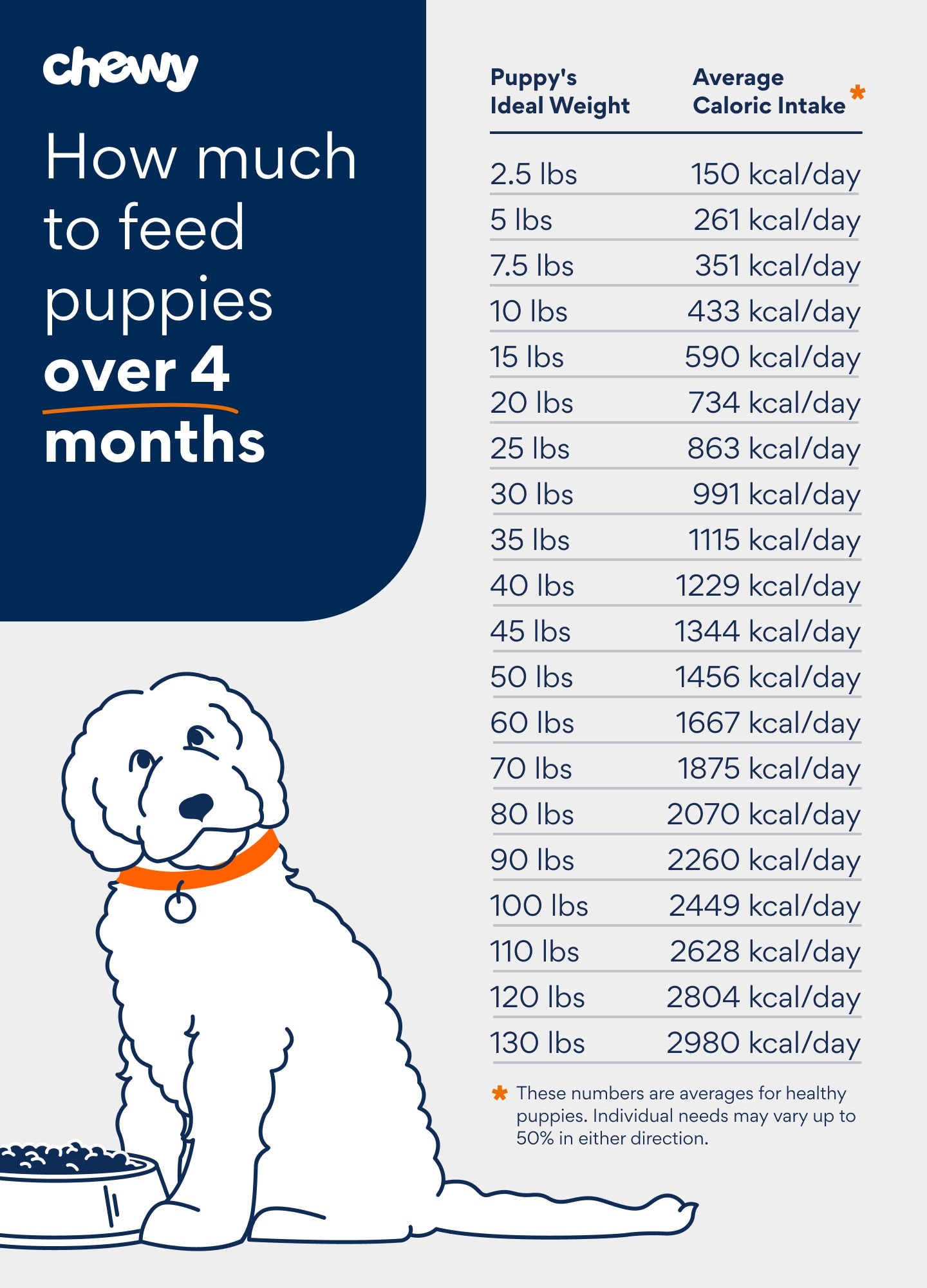
Most dogs switch to adult food between 9 and 12 months old. Small breeds may switch closer to 9 months. Large breeds might stay on puppy food longer, up to 12 months. Gradually mix adult food with puppy food over 7 to 10 days. This helps your dog adjust without stomach upset. Monitor your dog’s weight and energy during the change.
Credit: www.chewy.com
Choosing The Right Adult Dog Food
Choosing the right adult dog food is important for your 9-month-old dog’s health. The food should meet their changing nutritional needs. At this age, dogs start to need different nutrients than puppies. Selecting the proper food supports healthy growth and energy levels. The right diet helps keep your dog active and strong.
Not all adult dog foods are the same. Some are made for small breeds, others for medium or large breeds. Quality ingredients make a big difference in your dog’s health. Understanding what to look for helps you pick the best food for your dog.
Key Ingredients To Look For
Protein is very important for muscle development and energy. Look for foods with real meat like chicken, beef, or fish as the first ingredient. Healthy fats provide energy and keep the coat shiny. Ingredients like omega-3 and omega-6 fatty acids are good choices.
Carbohydrates supply energy and fiber aids digestion. Whole grains, sweet potatoes, and vegetables are good sources. Avoid foods with fillers like corn, wheat, or soy. These offer little nutrition and can cause allergies.
Vitamins and minerals support overall health. Foods enriched with vitamins A, E, and B-complex help keep your dog strong. Calcium and phosphorus are essential for bone development, especially in growing dogs.
Special Considerations For Medium And Large Breeds
Medium and large breeds have specific nutritional needs. They grow quickly and need nutrients that support strong bones and joints. Look for foods with glucosamine and chondroitin. These ingredients help maintain joint health and mobility.
Large breed dogs also require controlled calcium levels to avoid bone problems. Foods made for large breeds balance calcium and phosphorus carefully. Protein levels should be moderate to prevent strain on growing bones.
Energy needs vary. Large breeds may need more calories but not too many to avoid rapid weight gain. Choose adult dog food made for their size to keep them healthy and fit.
Tips For A Smooth Food Transition
Changing your 9-month-old dog’s food needs care. A smooth switch helps your dog adjust well. Sudden changes can upset their stomach. Careful steps keep your dog happy and healthy.
Follow these tips to make the change easy. Watch your dog closely during the transition. Small steps work best for new food habits.
Gradual Mixing Techniques
Start by mixing a small amount of adult food with puppy food. Use about 25% adult food and 75% puppy food. Keep this mix for three days. Then, change to half adult and half puppy food. After three more days, use 75% adult food and 25% puppy food. Finally, feed only adult dog food. This slow change helps your dog’s stomach adjust.
Monitoring Your Dog’s Reaction
Watch your dog for any signs of discomfort. Look for vomiting, diarrhea, or loss of appetite. Check if your dog acts tired or shows unusual behavior. Small changes are normal, but severe signs need attention. If problems appear, slow down the transition. Consult a vet if issues last more than two days.
Consulting Your Veterinarian
Deciding if a 9-month-old dog can eat adult dog food needs careful thought. Each dog grows at a different rate and has unique needs. Consulting a veterinarian offers guidance tailored to your dog’s health and growth stage. Experts help choose the right diet to support healthy development and avoid nutrition problems.
Personalized Advice
Veterinarians assess your dog’s breed, size, and activity level. They suggest food types and amounts that match your pet’s needs. This advice helps keep your dog strong and energetic. Personalized feeding plans prevent overfeeding or underfeeding risks.
Addressing Specific Health Concerns
Some dogs may have allergies or digestive issues. Vets identify these problems early and recommend safe foods. They also monitor weight and overall health during diet changes. This care reduces risks and ensures your dog thrives on new food.

Credit: www.poochandmutt.co.uk
Frequently Asked Questions
Can A 9-month-old Dog Eat Adult Dog Food?
Yes, many 9-month-old dogs can start eating adult dog food. However, consult your vet to ensure proper nutrition during growth.
When Should I Switch My Puppy To Adult Dog Food?
Switching usually occurs around 9 to 12 months. It depends on your dog’s breed, size, and health needs.
What Are The Risks Of Feeding Adult Food Too Early?
Feeding adult food too early may cause nutritional imbalances. Puppies need more protein and calories for healthy growth.
How To Transition A 9-month-old Dog To Adult Food?
Gradually mix adult food with puppy food over 7-10 days. This helps avoid digestive upset and ensures smooth adaptation.
Conclusion
At nine months, your dog is still growing and needs proper nutrition. Adult dog food may lack some nutrients puppies require. Switching too soon can cause stomach problems or slow growth. Consult your vet before changing food types. Choose a balanced diet that supports your dog’s health.
Watch your dog’s energy and weight closely during transitions. Feeding the right food helps your dog stay happy and strong. Taking small steps ensures a smooth change to adult food. Your dog will thank you with good health and energy.


