

Have you ever caught your dog rolling all over her toys and wondered why she does it? It’s a funny and curious behavior that many dog owners notice but don’t fully understand.
You might think it’s just playfulness, but there’s more to it than meets the eye. Understanding why your dog rolls on her toys can help you connect with her better and even boost her happiness. Keep reading to discover the surprising reasons behind this quirky habit and what it means for your furry friend.
Credit: www.newsweek.com
Scent Marking Behavior
Dogs use many ways to communicate. One way is through scent marking. This is a natural behavior. It helps dogs share information about themselves. Rolling on toys is part of this behavior. It allows dogs to leave their unique smell on the object.
Leaving Their Scent
Dogs have special glands on their skin. These glands produce oils with their scent. When dogs roll on toys, these oils transfer to the toy. The toy then carries the dog’s personal smell. This scent tells other animals who owns the toy. It also comforts the dog by making the toy familiar.
Claiming Territory
Dogs use scent to mark their space. By rolling on toys, they claim ownership. This helps them feel safe and secure. Other dogs can smell the mark and understand the area is taken. This behavior is a quiet way to say, “This is mine.”
Comfort And Security
Dogs often roll on their toys to feel comfort and security. This behavior helps them relax and feel safe. Toys can become a source of calm during stressful moments. Rolling on them mimics natural instincts to create a cozy spot. This action shows how much dogs trust their environment and belongings.
Soothing Sensations
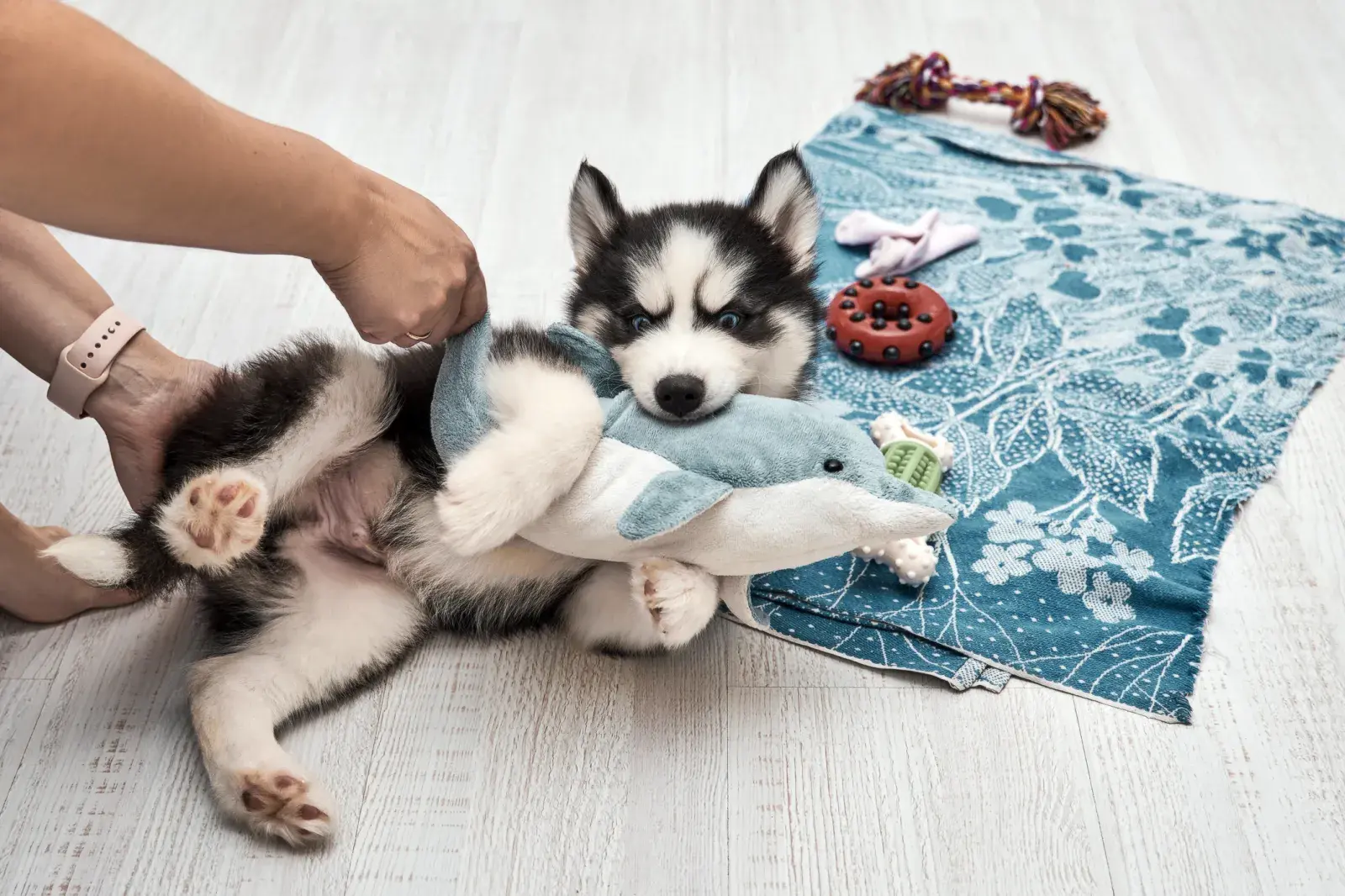
Rolling on toys gives dogs a gentle massage. The texture of the toy can feel soft and pleasant. This physical contact helps reduce anxiety and stress. It also soothes their muscles and skin. The repetitive motion calms their minds and bodies. Dogs use this to ease tension after play or rest.
Familiarity With Toys
Toys carry familiar smells that comfort dogs. These scents remind them of home and safety. Rolling on toys strengthens this connection. It creates a safe space that dogs enjoy. This habit helps dogs feel grounded and secure. Their toys become trusted friends in their world.
Playfulness And Fun
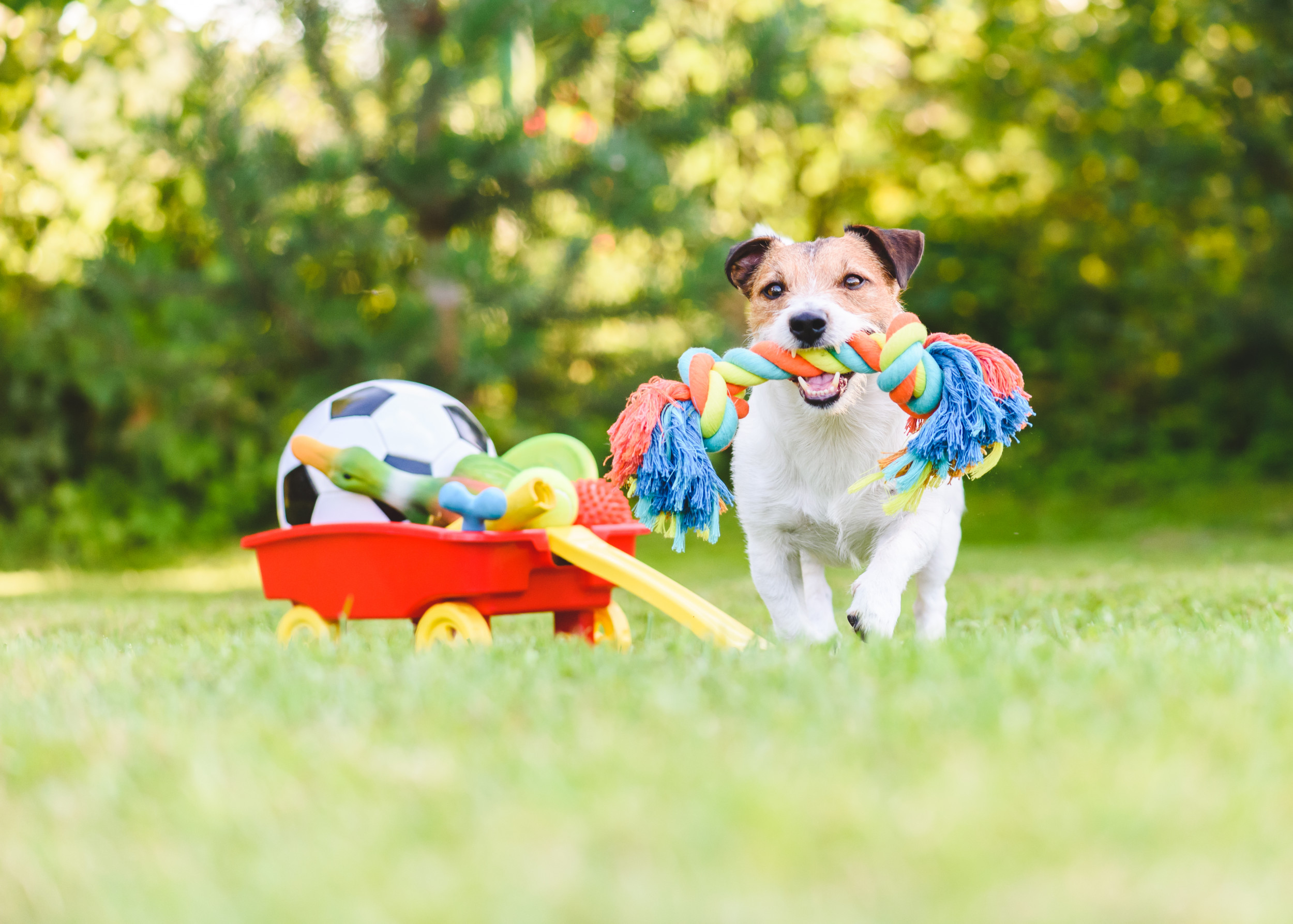
Dogs often roll on their toys to show they are happy and playful. This behavior is a way for them to enjoy their time and express joy. Rolling on toys is a sign that your dog feels safe and comfortable in her space. It also helps her connect with you through fun activities.
Understanding this playful habit can improve your bond with your dog. It shows she trusts you and wants to share good moments. Watching your dog roll on her toys can bring smiles and laughter. This simple act keeps her mind active and her body moving.
Interactive Play
Rolling on toys invites you to join the fun. It is an invitation for interactive play. Your dog wants you to throw, tug, or chase the toy with her. This back-and-forth action makes playtime exciting. It strengthens your relationship and keeps your dog happy.
Attracting Attention
Dogs roll on toys to grab your attention. This behavior signals that she wants to play or be noticed. It is her way of saying, “Look at me!” Responding to this action encourages more playful moments. It also prevents boredom and helps her feel loved.
Instinctual Drives
Dogs often roll on their toys because of deep instinctual drives. These behaviors come from their wild ancestors. Understanding these instincts helps explain why your dog acts this way. Instincts like hunting and carrying play a big role. Also, mimicking wild behavior is common in dogs. These natural urges guide many of their actions, including how they treat their toys.
Hunting And Carrying Instincts
Dogs have strong hunting instincts. They like to chase, catch, and carry things. Toys become stand-ins for prey. Rolling on toys can feel like holding or shaking prey. This action keeps their instincts sharp and satisfied. Carrying toys also shows a desire to protect or claim them. It is a way to show ownership and care.
Mimicking Wild Behavior
Wild dogs and wolves roll on objects to mark territory or cover scents. Your dog may copy this behavior. Rolling on toys lets dogs feel closer to their wild roots. It can also be a way to spread their scent. This helps them feel safe and connected. These actions are natural and part of their heritage.
Health And Physical Reasons
Dogs roll on their toys for many health and physical reasons. These actions help their bodies feel better and stay healthy. Understanding these reasons can explain your dog’s behavior.
Itch Relief
Rolling on toys can help your dog relieve itches. Toys may scratch spots your dog cannot reach with paws. This feels good and soothes irritated skin. It also helps remove dirt or loose fur. Your dog enjoys the relief from the itch.
Muscle Stretching
Dogs stretch their muscles by rolling on toys. This movement loosens tight muscles and joints. Stretching helps reduce soreness after play or rest. It keeps their body flexible and strong. Rolling is a simple way for dogs to stay active and comfortable.
Credit: www.newsweek.com
Behavioral Signals
Dogs use body language to communicate many feelings and needs. Rolling on toys is one of these signals. It shows more than just play. Understanding these behaviors helps you connect better with your dog.
Seeking Social Interaction
Dogs roll on toys to invite play or attention. This action can be a call to join in fun activities. It helps dogs build bonds with their owners and other pets. The rolling movement is friendly and shows trust. Your dog wants to share a moment with you.
Expressing Emotions
Rolling on toys can express happiness or excitement. It also shows comfort and relaxation. Sometimes, dogs roll to relieve stress or boredom. This simple act reveals how your dog feels inside. Watching these signals helps you understand your pet’s mood better.
How To Respond
Knowing how to respond when your dog rolls on her toys helps build good habits. Your reaction shapes her future behavior. Clear and calm responses work best. This approach keeps your dog happy and well-behaved.
Encouraging Positive Behavior
Praise your dog when she plays nicely with toys. Use a soft voice and gentle petting. Offer treats to reward calm, gentle play. This shows her the right way to enjoy toys. Repeating this helps her learn good behavior fast.
Redirecting Unwanted Actions
If your dog rolls roughly or chews toys too hard, gently stop her. Offer a different toy better suited for rough play. Use a calm, firm voice to guide her. This teaches limits without causing fear. Consistency helps your dog understand what is okay.

Credit: www.reddit.com
Frequently Asked Questions
Why Does My Dog Roll On Her Toys Frequently?
Dogs roll on their toys to mark scent and feel comfort. It’s a natural behavior showing ownership and enjoyment. Rolling can also be a playful or calming activity for dogs.
Is Rolling On Toys A Sign Of Stress In Dogs?
Usually, rolling on toys is not stress-related. It indicates relaxation or playfulness. However, excessive rolling might suggest anxiety or discomfort, needing attention.
Do Dogs Roll On Toys To Show Affection?
Yes, dogs often roll on toys to express affection. It’s a way to bond with their favorite objects. This behavior helps dogs feel connected and secure.
Can Rolling On Toys Help Dogs With Their Scent Marking?
Absolutely. Dogs roll on toys to spread their scent. This marks territory and signals ownership to other animals. It’s an instinctive communication method.
Conclusion
Dogs roll on their toys for fun, comfort, and scent marking. This behavior helps them feel happy and safe. Sometimes, they just enjoy the texture or smell of the toy. Watching your dog do this shows she feels relaxed and playful.
Understanding this habit can deepen your bond. Keep giving her favorite toys to encourage joy. Remember, this simple act means your dog trusts her space and enjoys her time.


