Have you ever noticed your dog drooling nonstop the moment you start driving? It can be messy, frustrating, and honestly, a bit worrying.
You might wonder, “Why does my dog drool so much in the car? ” Understanding this can help you keep your furry friend calm and comfortable during rides. You’ll discover the surprising reasons behind your dog’s drooling and learn simple ways to make car trips smoother for both of you.
Keep reading—your next drive could be a lot more enjoyable!
Common Reasons For Car Drooling
Many dogs drool more than usual during car rides. This behavior can worry pet owners. Understanding the common reasons for car drooling helps manage it better. Drooling is a natural response but can signal discomfort or stress in dogs.
Motion Sickness Effects
Motion sickness is a leading cause of drooling in cars. Dogs feel dizzy or nauseous from the car’s movement. This upset stomach triggers excessive saliva production. Younger dogs and small breeds often get motion sickness. Signs include yawning, lip licking, and vomiting along with drooling.
Anxiety And Stress
Many dogs feel anxious during car rides. New places or loud noises can stress them out. Stress causes the dog’s mouth to produce more saliva. Nervous dogs may pant heavily and drool excessively. Familiarizing your dog with the car reduces anxiety over time.
Heat And Ventilation Issues
High temperatures inside the car increase drooling. Heat causes dogs to pant and drool to cool down. Poor ventilation worsens this problem by trapping warm air. Always keep windows slightly open for fresh air. Use air conditioning to maintain a comfortable temperature.

Credit: www.reddit.com
Health Conditions Linked To Drooling
Excessive drooling in dogs during car rides can signal health problems. Understanding these issues helps keep your pet safe and comfortable. Some health conditions cause more saliva production or make swallowing hard.
Dental Problems
Dental pain often leads to drooling. Infections, broken teeth, or gum disease irritate your dog’s mouth. This irritation triggers more saliva to protect the painful area. Dogs may also have bad breath or avoid chewing toys.
Nausea And Digestive Issues
Car rides can upset a dog’s stomach. Nausea causes drooling as the body reacts to discomfort. Digestive problems like acid reflux or upset stomach can also increase saliva. Watch for vomiting or restlessness along with drooling.
Oral Irritations
Foreign objects like grass or dirt can irritate the mouth. Allergies or burns from hot food cause oral discomfort too. These irritations make dogs drool more to soothe the area. Check your dog’s mouth for redness or swelling after trips.
Environmental Triggers In The Car
Many dogs drool more in the car than anywhere else. This often happens because of things in the car environment. Small changes in smells, air, and comfort can cause drooling. Understanding these triggers helps you make car rides better for your dog.
Car Smells And Chemicals
Cars have many different smells. New car smell, air fresheners, and cleaning products are common. These scents can irritate your dog’s nose and mouth. Strong smells may cause your dog to drool more. Some dogs react to the smell of plastic or leather too.
Window Position And Airflow
Airflow in the car affects your dog’s comfort. Open windows let fresh air in but can bring in wind and dust. Wind blowing in the face can cause your dog to drool. Closed windows may make the car stuffy, which also leads to drooling. The right balance of airflow helps reduce drooling.
Seat Material And Comfort
Seat materials can affect your dog’s mood. Hard or rough seats may make your dog uneasy. Soft seats feel better and help your dog relax. When your dog feels uncomfortable, drooling can increase. Choose seats that keep your dog calm and comfy.
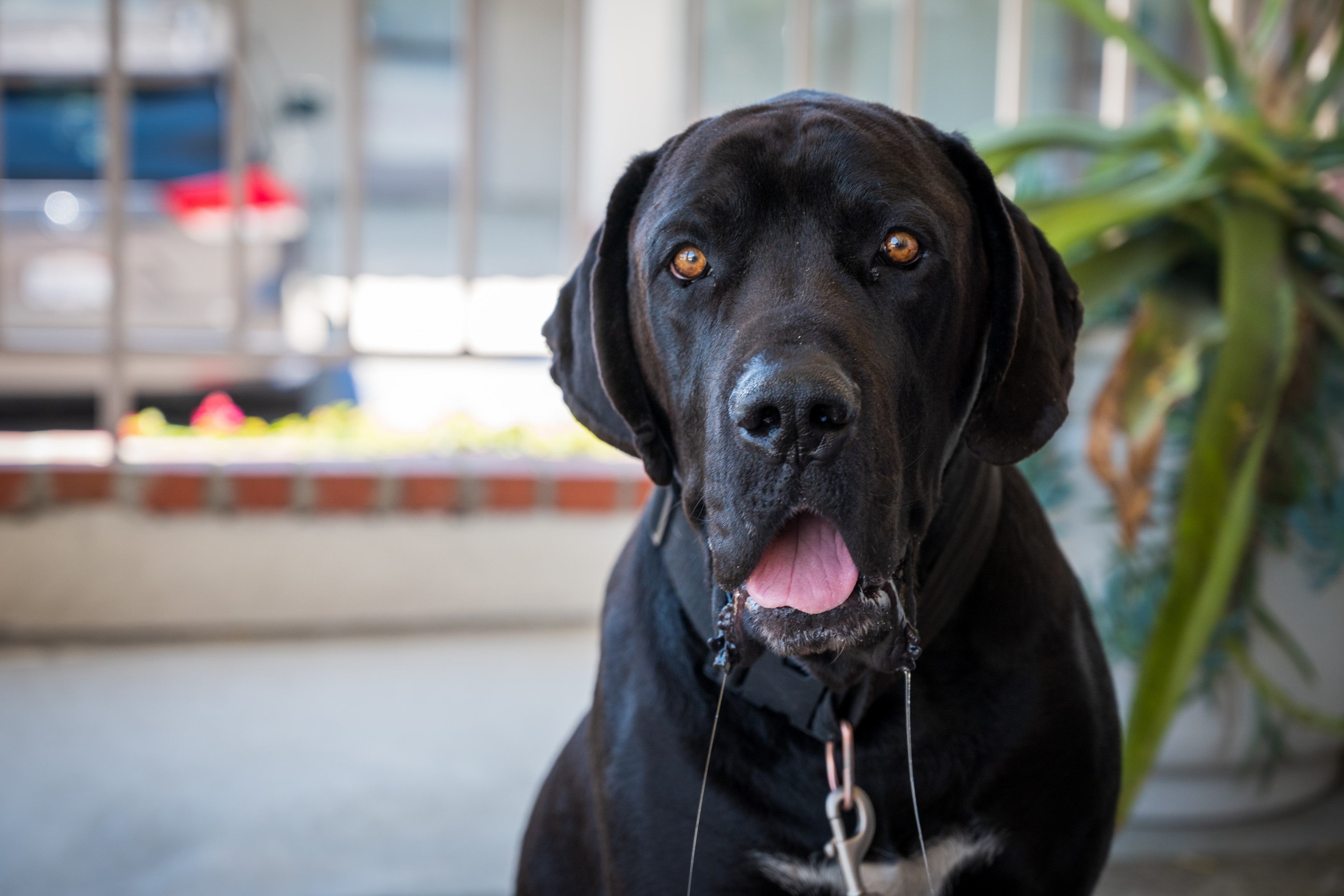
Credit: www.skipperspetproducts.com
Behavioral Factors Influencing Drool
Many dogs drool more in the car due to behavioral reasons. Their minds react to the situation in ways that cause extra saliva. Understanding these behaviors helps you calm your dog and reduce drooling.
Excitement And Anticipation
Dogs often feel excited before car rides. They may associate the car with fun trips or meeting people. This excitement triggers drooling as their bodies prepare for activity. Their mouths water, similar to humans feeling hungry or eager.
Previous Negative Experiences
Some dogs drool because of bad memories linked to car rides. If a dog once felt sick or scared in the car, it may drool out of stress. This reaction is a sign of anxiety and discomfort. It shows the dog is not relaxed during the ride.
Lack Of Familiarity With Car Rides
New or inexperienced dogs often drool more in cars. They do not understand what is happening or where they are going. This confusion causes nervousness and extra drooling. Getting your dog used to short trips can help reduce this reaction over time.
Tips To Reduce Drooling During Car Rides
Drooling in the car can make trips messy and stressful. Many dogs drool because they feel nervous or uncomfortable. Some simple steps help reduce this drooling. These tips focus on preparing your dog, making the ride cozy, and using calming methods.
Follow these ideas to keep your dog calmer and cleaner during drives.
Pre-trip Preparations
Start by taking your dog on short drives. This helps them get used to the car. Avoid feeding your dog right before the trip. A full stomach can cause more drooling. Bring water but limit how much your dog drinks before travel. Let your dog exercise before the ride. Tired dogs are less anxious and drool less.
Creating A Comfortable Space
Make the car space inviting for your dog. Use a soft blanket or bed. Secure your dog with a harness or crate. This keeps them safe and calm. Open windows a little for fresh air. Avoid loud music or sudden noises. Keep the temperature cool and steady. A cozy space lowers stress and drooling.
Using Calming Techniques
Talk to your dog in a soft voice during the drive. Gentle petting can also relax them. Try giving a favorite chew toy or treat. Some dogs respond well to calming sprays or collars. These have natural scents like lavender. Play calm music designed for dogs. These methods ease anxiety and reduce drooling.

Credit: www.reddit.com
Frequently Asked Questions
Why Does My Dog Drool More In The Car?
Dogs often drool more in cars due to motion sickness or anxiety. The unfamiliar movement can upset their stomach or cause stress, leading to excessive drooling as a natural response.
Can Car Rides Cause Dog Nausea And Drooling?
Yes, many dogs experience nausea during car rides. This motion sickness triggers drooling, vomiting, or restlessness. It’s similar to how humans feel seasick or carsick.
How Can I Reduce My Dog’s Car Drooling?
To reduce drooling, try calming your dog before trips. Use short rides for gradual acclimation. Offering water and breaks can also help ease discomfort and anxiety.
Is Excessive Drooling In The Car A Health Concern?
Excessive drooling alone usually isn’t serious but may signal motion sickness or stress. Persistent symptoms or vomiting should prompt a vet visit to rule out other health issues.
Conclusion
Drooling in the car is common for many dogs. Cars can make dogs feel nervous or excited. Some dogs get motion sickness, which leads to drooling. You can help by giving breaks and fresh air. Try to keep your dog calm and comfortable.
Over time, your dog may drool less in the car. Understanding why dogs drool helps you care better. Safe and happy car rides start with patience and care. Keep watching your dog’s behavior for signs of stress. Small changes can make big differences on trips.