

Is your dog always chasing after cars, putting themselves and others in danger? You’re not alone, and the good news is, you can stop this risky behavior.
Imagine walking your dog calmly by your side, without the stress and fear of sudden dashes into the street. You’ll discover simple, effective steps to help your dog break the habit for good. Keep reading, because your dog’s safety—and your peace of mind—depend on it.
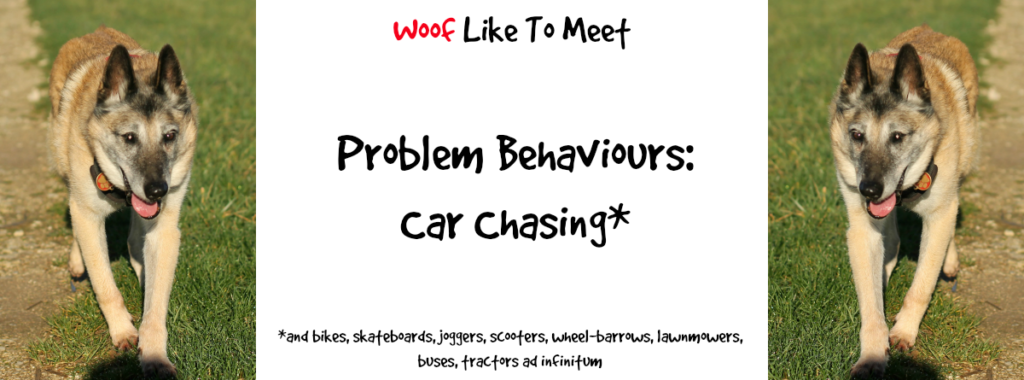
Credit: www.woofliketomeet.com
Why Dogs Chase Cars
Dogs chasing cars is a common problem for many pet owners. Understanding why dogs do this helps to manage and stop the behavior. Dogs do not chase cars just to be naughty. Several natural and learned reasons drive this action.
Instinctive Behavior
Chasing moving objects is natural for dogs. Their ancestors hunted prey, so running after fast things feels normal. Cars move quickly and trigger this instinct. It is like chasing a running animal.
Common Triggers
Cars make noise and sudden movements that catch a dog’s attention. Some dogs see cars as threats or intruders. Others want to protect their home or owner. The excitement and energy also push dogs to chase.
Risks Involved
Chasing cars is dangerous for dogs and drivers. Dogs can get hit or cause accidents. It also stresses the dog and owner. Stopping this habit improves safety and peace for everyone.

Credit: www.youtube.com
Preparing For Training
Preparing your dog for training is the first step to stop car chasing. This phase sets a strong base for success. Proper preparation makes training easier and more effective. It also helps your dog stay calm and focused during lessons.
Gathering Supplies
Start by collecting all necessary items before training sessions. Use a sturdy leash to keep control. Choose treats your dog loves for motivation. Bring a clicker if you plan to use clicker training. Have a collar or harness that fits well. Carry water for breaks, especially on warm days.
Choosing The Right Environment
Select a quiet and safe place for training. Avoid busy streets and noisy areas. A fenced yard or park with little traffic works best. Less distraction helps your dog pay attention. Train in short sessions to keep focus strong. Gradually introduce more challenging spots as your dog improves.
Setting Realistic Goals
Break the training into small, clear steps. Aim for short wins to keep motivation high. Understand your dog’s pace and limits. Focus on progress, not perfection. Celebrate small improvements to build confidence. Set daily or weekly goals that feel doable.
Basic Obedience Commands
Basic obedience commands are the foundation of good dog behavior. Teaching your dog simple commands helps control their actions. This is important for stopping your dog from chasing cars. Clear communication builds trust between you and your pet. Consistent training creates a safer environment for both of you.
Teaching Sit And Stay
Start with the “sit” command. Hold a treat close to your dog’s nose. Move your hand up, letting their head follow the treat. Their bottom will naturally lower. As soon as they sit, say “sit” and give the treat. Repeat this several times daily.
Next, add the “stay” command. Ask your dog to sit first. Show your palm and say “stay.” Step back slowly. If your dog stays, return and reward them. Increase distance and time gradually. This teaches patience and control.
Using Recall Effectively
Recall means calling your dog back to you. Use a cheerful voice and a clear word like “come.” Start training in a quiet place with few distractions. When your dog comes, reward immediately with praise or treats. Practice often and increase the challenge slowly. Reliable recall helps stop chasing behaviors quickly.
Introducing Leave It
The “leave it” command tells your dog to ignore something. Hold a treat in your closed hand. Let your dog sniff but don’t let them take it. Say “leave it.” When your dog stops trying, reward with a different treat. Practice this until your dog obeys right away. This command is useful to prevent chasing cars or other dangers.

Credit: www.youtube.com
Desensitization Techniques
Desensitization techniques help your dog feel less excited about cars. These methods teach your dog to stay calm near moving vehicles. Patience and consistency are key to success. Start slow, and reward your dog for calmness.
Controlled Exposure To Cars
Begin by exposing your dog to cars in a controlled setting. Choose a quiet street or parking lot with few cars. Let your dog watch cars from a distance. Keep your dog on a leash to maintain control. Avoid sudden movements or loud noises that might scare your dog.
Gradual Increase In Distance
Slowly decrease the distance between your dog and passing cars. Move closer only if your dog remains calm. Take small steps toward the road over several sessions. Do not rush this process. Each step builds your dog’s confidence and reduces fear or excitement.
Rewarding Calm Behavior
Give treats and praise when your dog stays calm. Use a happy voice and gentle petting to show approval. Reward your dog immediately after calm behavior. This helps your dog link calmness with positive outcomes. Avoid punishment, which can increase anxiety or excitement.
Redirecting Attention
Redirecting your dog’s attention helps stop car chasing. It changes their focus from cars to something fun or rewarding. This method uses positive distractions to guide your dog’s energy and curiosity away from danger.
Redirecting attention needs patience and practice. Each dog responds differently. Finding the right distraction can make training easier and safer.
Using Toys And Treats
Toys and treats catch your dog’s eye quickly. Hold a favorite toy or a tasty treat. Show it before your dog notices a car. This pulls their focus toward you. It also rewards good behavior, making your dog want to listen more.
Engaging In Play
Playtime keeps your dog busy and happy. Use games like fetch or tug-of-war. Play near places where cars pass. Your dog will pay more attention to you than the road. Regular play helps burn energy, reducing the urge to chase.
Practicing Focus Exercises
Focus exercises train your dog to look at you on command. Start indoors with no distractions. Use simple commands like “look” or “watch me.” Reward your dog for making eye contact. Slowly add distractions, like a car passing by. This builds strong attention skills over time.
Leash Training Tips
Leash training is a key step to stop your dog from chasing cars. It helps you control your dog’s movements and keep them safe. Consistent practice builds good habits and reduces the urge to chase.
Proper Leash Handling
Hold the leash firmly but not too tight. Keep your hand relaxed to avoid tension. Avoid wrapping the leash around your fingers. This gives you better control and prevents injury. Always stay calm and confident during walks. Your dog picks up on your energy and follows your lead.
Using A Short Leash For Control
A short leash keeps your dog close to you. It limits their space and reduces chances of lunging. Use a leash about 4 to 6 feet long. This length gives enough freedom but keeps control. Short leashes are best near roads or busy areas. This way, you can quickly stop your dog if needed.
Practicing Loose-leash Walking
Teach your dog to walk without pulling on the leash. Stop walking if your dog pulls. Wait until the leash is slack before moving again. Reward your dog for walking beside you calmly. Loose-leash walking reduces tension and improves control. It makes walks safer and more enjoyable for both of you.
Advanced Training Strategies
Advanced training strategies help control your dog’s chasing behavior. These methods build on basic commands to improve focus and self-control. They also create strong communication between you and your dog. This leads to safer walks and fewer dangerous chases.
Clicker Training
Clicker training uses a small device that makes a clicking sound. This sound marks the exact moment your dog does something right. The dog learns to connect the click with a reward. This method helps teach your dog to stop chasing cars quickly. It improves your dog’s attention and response.
Professional Obedience Classes
Joining professional obedience classes provides expert guidance. Trainers use proven techniques to reduce chasing behavior. Classes offer a structured environment with distractions similar to real life. Your dog learns to obey commands even near moving cars. Group settings also improve social skills and calmness.
Using Remote Training Devices
Remote training devices allow you to give commands from a distance. These devices use vibrations or sounds to get your dog’s attention. They help correct chasing behavior safely without harsh punishment. Use these tools carefully and follow professional advice. They improve control during outdoor activities.
Safety Precautions
Keeping your dog safe is the top priority when stopping them from chasing cars. Safety precautions help protect your dog and others around you. Taking simple steps can prevent accidents and reduce stress for your pet.
Creating a secure environment supports training efforts. It also keeps your dog calm and focused. Safety is not just about control but also about prevention.
Avoiding Unsafe Areas
Stay away from busy streets and parking lots. These places are dangerous for dogs that chase cars. Choose quiet parks or fenced yards for walks and playtime. Avoid roads with fast-moving traffic to keep your dog safe.
Using Barriers And Fences
Install fences or gates around your yard. Barriers stop your dog from running into the street. Use tall fences that your dog cannot jump over. Keep doors and gates closed to prevent escapes.
Supervising Outdoor Time
Always watch your dog outside. Supervision helps stop chasing before it starts. Carry a leash during walks to keep control. Being alert lets you react quickly to any sudden movements.
When To Seek Professional Help
Stopping your dog from chasing cars can be tough. Sometimes, you may try many methods but see little progress. At this point, seeking professional help is smart. Professionals understand dog behavior better. They can guide you and your dog safely through this challenge.
Signs Of Persistent Chasing
Watch your dog carefully. Persistent chasing means it happens often. Your dog may run after cars every time they pass. This behavior can be dangerous and hard to control. If your dog ignores commands and keeps chasing, it is a strong sign. Also, if chasing causes stress or injuries, act quickly.
Finding A Certified Trainer
Look for trainers with proper certification. Certified trainers have proven skills and knowledge. They use safe, effective methods to change behavior. Ask for recommendations from vets or pet stores. Check reviews and credentials online. A good trainer will work with you and your dog step-by-step.
Behavioral Therapy Options
Behavioral therapy helps dogs change habits. Trainers may use reward-based training to teach new responses. Desensitization helps dogs stay calm near cars. Counter-conditioning teaches dogs to feel positive near vehicles. Therapy sessions vary based on your dog’s needs. Consistency and patience are key in all therapies.
Frequently Asked Questions
How Can I Train My Dog To Stop Chasing Cars?
Training your dog to stop chasing cars involves consistent commands and positive reinforcement. Use “stay” or “leave it” commands. Reward calm behavior with treats. Practice in controlled environments before outdoor exposure. Gradually increase distractions to improve obedience and safety.
Why Do Dogs Chase Moving Cars?
Dogs chase cars due to instinct, excitement, or boredom. The fast movement triggers their prey drive. Some dogs see cars as a threat or a game. Understanding this helps in designing effective training and management strategies to prevent chasing behavior.
What Are Safe Alternatives To Car Chasing For Dogs?
Safe alternatives include interactive toys, fetch games, and agility training. These activities satisfy your dog’s need for exercise and mental stimulation. Regular walks and playtime reduce boredom, minimizing the urge to chase cars and other dangerous objects.
When Should I Seek Professional Help For Car Chasing?
Seek professional help if your dog’s chasing is aggressive or uncontrollable. A behaviorist or trainer can assess the issue and create a tailored plan. Early intervention prevents accidents and ensures your dog’s safety and well-being.
Conclusion
Stopping your dog from chasing cars takes time and patience. Use consistent training and rewards to teach good behavior. Keep your dog on a leash near roads for safety. Exercise your dog regularly to reduce excess energy. Stay calm and firm during training sessions.
Remember, small steps lead to big changes. Your efforts will help keep your dog safe and happy. Keep trying, and never give up on your dog’s learning. Safety and trust grow together over time.


