

Are you worried about allergies but still want a furry friend by your side? Finding a dog that won’t trigger your sneezes or itchy eyes can feel like a challenge.
But don’t worry—there are dog breeds known to be hypoallergenic, meaning they cause fewer allergy problems. You’ll discover which dog breeds are kinder to your allergies and perfect for your home. Keep reading to find your ideal, allergy-friendly companion!
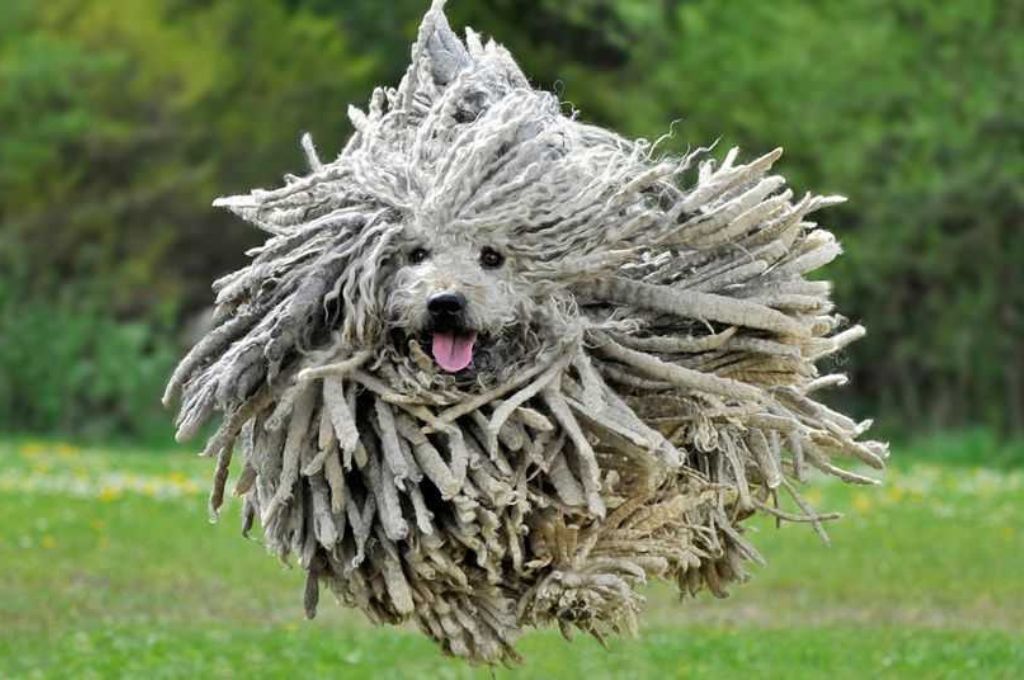
Credit: www.woofblankets.com
What Makes A Dog Hypoallergenic
Some dogs cause fewer allergies than others. These dogs are called hypoallergenic. It means they produce fewer allergy triggers. Understanding what makes a dog hypoallergenic helps in choosing the right pet.
Shedding And Dander
Shedding spreads tiny skin flakes called dander. Dander carries proteins that cause allergies. Dogs that shed less spread less dander. Breeds with tight, curly, or non-shedding coats often produce less dander. Less shedding means fewer allergy problems.
Saliva And Allergens
Dog saliva contains proteins that can trigger allergies. When dogs lick themselves or objects, saliva dries and spreads allergens. Some breeds produce fewer saliva allergens. Less allergenic saliva means fewer allergy reactions for sensitive people.
Breed Characteristics
Certain breeds have traits that reduce allergy risks. Small size limits dander and saliva spread. Hair type and growth patterns also matter. Breeds with hair like human hair often trap allergens better. These traits make a dog easier for allergy sufferers.
Top Hypoallergenic Dog Breeds
Some dog breeds shed less and cause fewer allergy problems. These breeds are called hypoallergenic dogs. They fit well in homes with allergy sufferers. Here are some top hypoallergenic dog breeds to consider.
Poodle
Poodles have curly, dense coats that trap hair and dander. They shed very little, which lowers allergens in the air. Poodles come in three sizes: standard, miniature, and toy. Their friendly nature and intelligence make them great pets.
Bichon Frise
Bichon Frises have soft, fluffy coats that do not shed much. Their hair grows continuously, so regular grooming is needed. This breed is playful and loves being around people. Bichons adapt well to apartments or houses.
Maltese
The Maltese has long, silky hair that sheds very little. Their coat requires daily brushing to prevent mats. They are gentle and good with children. Maltese dogs enjoy indoor play and quiet time with owners.
Schnauzer
Schnauzers come in three sizes: standard, miniature, and giant. Their wiry coats shed minimally and resist dirt. This breed is alert and protective, making a good watchdog. Schnauzers need regular grooming to keep their coat healthy.
Portuguese Water Dog
These dogs have curly or wavy coats that shed very little. They enjoy swimming and outdoor activities. Portuguese Water Dogs are smart and loyal companions. Their coats need frequent brushing to avoid tangles.
Small Hypoallergenic Breeds
Small hypoallergenic dog breeds are perfect for people with limited space. They shed less and produce fewer allergens. These dogs fit well in apartments or small homes. Their friendly nature makes them great companions. Here are some popular small hypoallergenic breeds.
Shih Tzu
The Shih Tzu has a long, silky coat that sheds very little. This breed needs regular grooming to prevent mats. Shih Tzus are friendly and good with children. They enjoy indoor play and short walks. Their calm personality suits many families.
Havanese
Havanese dogs have soft, curly hair that does not shed much. They are very social and love attention. Havanese adapt well to apartment living. Their playful nature keeps them active and happy. This breed is easy to train and very loyal.
Yorkshire Terrier
Yorkshire Terriers, or Yorkies, have fine hair similar to human hair. They produce fewer allergens than many dogs. Yorkies are small but full of energy. Their confident attitude makes them good watchdogs. Regular grooming keeps their coat healthy and clean.

Credit: www.reddit.com
Medium And Large Hypoallergenic Breeds
Medium and large hypoallergenic dog breeds suit active homes and allergy sufferers. They offer space to roam and play without causing allergic reactions. These breeds shed less and produce fewer allergens. Their coats need regular care to stay healthy.
Labradoodle
The Labradoodle is a mix of Labrador and Poodle. It is friendly, smart, and easy to train. Labradoodles have curly or wavy coats that shed very little. Their hypoallergenic fur helps reduce allergy symptoms. They need daily exercise and mental stimulation.
Irish Water Spaniel
Irish Water Spaniels have curly, water-resistant coats. Their fur sheds minimally and traps loose hair. This breed is energetic and loves water activities. They are intelligent and enjoy learning new commands. Regular grooming keeps their coat clean and healthy.
Basenji
Basenjis are small to medium-sized dogs with short coats. They shed very little and groom themselves like cats. This breed is curious, alert, and independent. Basenjis require daily exercise to stay happy. Their low dander makes them good for allergy sufferers.
Care Tips For Allergy Sufferers
Living with a dog can be a joy, even for allergy sufferers. Certain care tips help reduce allergens in your home. These tips focus on grooming, cleaning, and managing allergies effectively. Simple habits can make a big difference in your comfort.
Grooming Practices
Regular grooming reduces pet dander, a common allergen. Brush your dog often using a soft brush. Bathing your dog once every two weeks helps too. Use gentle, hypoallergenic shampoos to avoid skin irritation. Clean your dog’s bedding frequently to remove dust and hair. Trim nails to prevent scratches that can worsen allergies.
Home Cleaning Strategies
Keep your home free from pet hair and dander. Vacuum carpets and furniture with a HEPA filter vacuum cleaner. Mop hard floors regularly to catch dust. Wash curtains and soft furnishings often. Use air purifiers to reduce airborne allergens. Create pet-free zones, especially in bedrooms, for allergy relief.
Allergy Management
Consult your doctor for allergy advice and treatment options. Use over-the-counter antihistamines if recommended. Keep windows closed during high pollen seasons to avoid triggers. Wash your hands after touching your dog. Change clothes if your pet has been outside. Monitor allergy symptoms and adjust care routines accordingly.
Choosing The Right Hypoallergenic Dog
Choosing the right hypoallergenic dog takes careful thought. These dogs shed less and cause fewer allergies. But not all hypoallergenic breeds fit every lifestyle or personality. Picking one means matching the dog’s needs with your daily life and home.
Lifestyle Considerations
Consider your daily routine. Some breeds need lots of grooming and care. Others are low maintenance. Think about the space you have. Small apartments suit smaller dogs. Bigger breeds need room to move. Time for walks and play is key. Choose a dog that fits your time and space.
Activity Levels
Dogs have different energy levels. Some need hours of exercise each day. Others are happy with short walks. Active dogs enjoy running and playing outside. Less active dogs prefer relaxing indoors. Match the dog’s energy to your lifestyle. This keeps both happy and healthy.
Temperament Match
Each breed has its own personality. Some dogs are calm and gentle. Others are lively and curious. Think about your family and home. Children may need a patient dog. Quiet homes may suit a calm dog. Choose a dog whose temperament fits your life.

Credit: tailsofbarkley.com
Frequently Asked Questions
What Makes A Dog Breed Hypoallergenic?
Hypoallergenic dogs produce fewer allergens like dander and saliva. Their coat type often reduces allergen spread. This lowers allergic reactions in sensitive people. No dog is 100% hypoallergenic, but some breeds are better for allergy sufferers.
Which Dog Breeds Are Most Hypoallergenic?
Popular hypoallergenic breeds include Poodles, Bichon Frises, Maltese, and Schnauzers. These dogs shed less and have hair that traps dander. They suit people with mild to moderate allergies. Each breed has unique care and grooming needs.
Can Hypoallergenic Dogs Still Cause Allergies?
Yes, hypoallergenic dogs can still trigger allergies. They shed fewer allergens but do not eliminate them. Allergic reactions depend on individual sensitivity and exposure. Regular cleaning and grooming help reduce allergens further.
How To Choose A Hypoallergenic Dog Breed?
Consider allergy severity, lifestyle, and grooming ability. Research breeds with low-shedding coats and friendly temperaments. Meet dogs before adoption to test reactions. Consult allergists and breeders for advice tailored to your needs.
Conclusion
Choosing a hypoallergenic dog breed can ease allergy troubles at home. These breeds shed less and spread fewer allergens. They fit well with people who have sensitive noses. Remember, no dog is 100% allergy-free. Spending time with a dog before adopting helps to check allergies.
Each dog has its own personality and care needs. Finding the right match brings joy and comfort. A hypoallergenic pet can become a loving family member. Think about your lifestyle and allergies carefully. This way, both you and your new friend stay happy.


