Are you worried about allergies but still want a furry friend by your side? Finding a small dog breed that won’t trigger your sniffles or itchy eyes can feel like a tough challenge.
But don’t give up just yet. There are several small dog breeds known to be hypoallergenic, meaning they’re less likely to cause allergic reactions. You’ll discover which tiny pups are perfect for your home and your health. Keep reading to find the ideal small dog that fits your lifestyle and keeps allergies at bay.
Credit: bcvet.org
Hypoallergenic Dog Traits
Hypoallergenic dog traits help reduce allergic reactions in sensitive people. These dogs shed less hair and dander. Their coat type plays a big role in how much allergens they spread. Small dog breeds with these traits are popular for allergy sufferers. Understanding what makes a dog hypoallergenic helps in choosing the right pet.
What Makes A Dog Hypoallergenic
Hypoallergenic dogs produce fewer allergens. They shed little or no hair, which lowers dander spread. Dander is tiny skin flakes that cause allergies. These dogs often have hair that grows continuously. Their coats trap dander instead of releasing it into the air. Regular grooming helps keep allergens low. No dog is fully allergen-free, but some breeds come close.
Common Allergens In Dogs
Dog allergens come from skin, saliva, and urine. The main allergen is a protein called Can f 1. It is found in dog saliva and skin flakes. When dogs lick themselves, allergens spread to their fur. Allergens stick to loose hair and dust in the home. Some breeds produce less Can f 1, causing fewer allergic reactions. Cleaning and air filters can reduce allergen buildup indoors.
Top Small Hypoallergenic Breeds
Small hypoallergenic dog breeds are perfect for people with allergies. They shed less and produce fewer allergens. These dogs are also great for small homes and apartments. Below are some of the top small hypoallergenic breeds that many love.
Bichon Frise
The Bichon Frise has a soft, curly coat. It does not shed much, which helps reduce allergens. This breed is friendly and playful, making it a great family dog.
Maltese
Maltese dogs have long, silky hair that sheds very little. They are gentle and affectionate. Maltese dogs enjoy being close to their owners and are easy to train.
Shih Tzu
Shih Tzus have a dense, long coat that sheds minimally. They are calm and loving pets. Their small size makes them ideal for apartments.
Yorkshire Terrier
Yorkshire Terriers have fine, silky hair that does not shed much. They are energetic and brave. Yorkies are very loyal and love attention.
Poodle
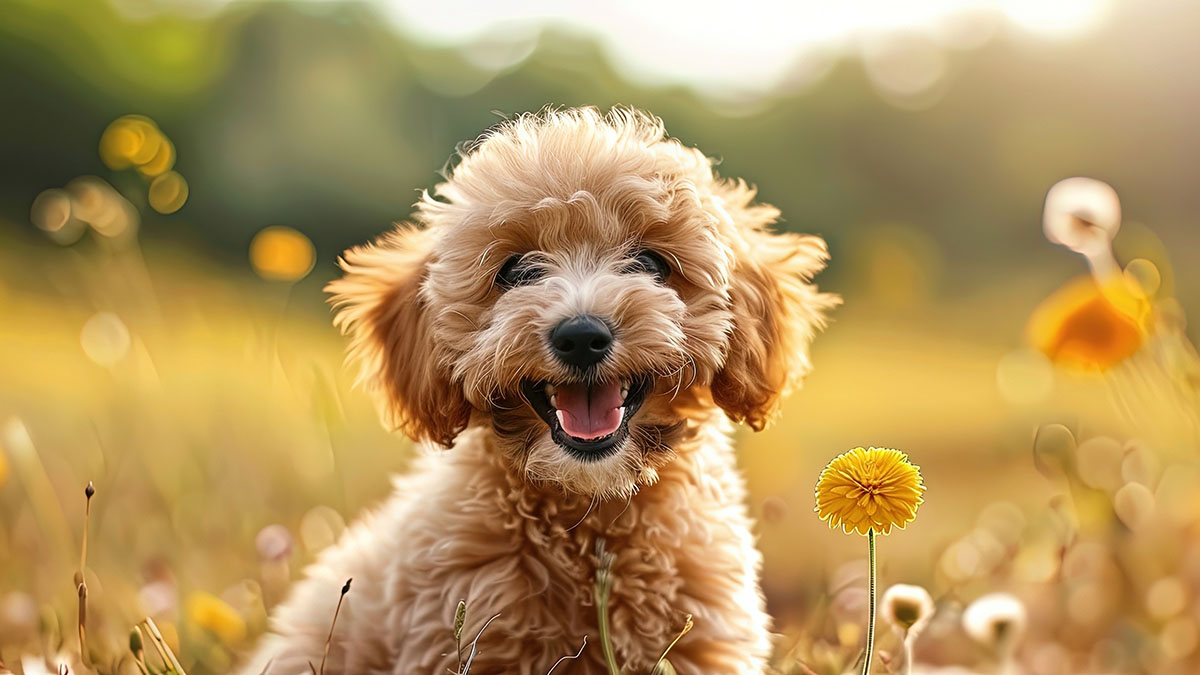
Poodles come in toy and miniature sizes that suit small homes. Their curly coats trap hair, reducing shedding. Poodles are smart and easy to train.
Havanese
Havanese dogs have soft, wavy fur that sheds very little. They are social and friendly pets. Havanese dogs enjoy playing and being around people.
West Highland White Terrier
Westies have a dense, wiry coat that sheds little. They are spirited and confident dogs. Westies adapt well to different living spaces.
Care Tips For Allergy-friendly Dogs
Taking care of allergy-friendly dogs means keeping both your pet and home clean. Small hypoallergenic breeds still shed dander and fur. Proper care reduces allergy symptoms and keeps your dog healthy. Simple steps make a big difference every day.
Grooming Practices
Brush your dog regularly to remove loose fur and dander. Use a damp cloth to wipe their coat often. Bathe your dog with gentle shampoo once a month. Clean their ears and trim nails to avoid infections. Regular grooming lowers allergens and keeps your dog comfortable.
Home Cleaning Strategies
Vacuum floors and furniture with a HEPA filter vacuum cleaner. Wash dog bedding and blankets weekly in hot water. Keep your dog out of bedrooms and off soft furniture. Use air purifiers to reduce airborne allergens. Clean hard floors often to remove pet hair and dust.
Managing Allergies Around Dogs
Wash your hands after petting your dog. Avoid touching your face during playtime. Change clothes if allergens stick to fabric. Use allergy medications as advised by your doctor. Teach family members safe ways to interact with your dog.

Credit: www.apthel.com
Choosing The Right Hypoallergenic Dog
Choosing the right hypoallergenic dog is important for a happy home. Small dog breeds that cause fewer allergies can fit many lifestyles. But not every hypoallergenic dog suits every person or family. Think about your daily life and needs before picking a dog. This helps ensure a good match and fewer problems.
Lifestyle Considerations
Consider your living space. Small dogs fit well in apartments. Some breeds need more grooming than others. Grooming time varies and affects your schedule. Think about your work hours and free time. Dogs need attention and care every day. Choose a breed that matches your activity level. Some dogs like quiet days, others need playtime.
Temperament And Activity Levels
Temperament means how a dog acts and feels. Some dogs are calm and gentle. Others are lively and playful. Pick a dog that matches your personality. Active people enjoy energetic breeds. Quiet people may prefer calm dogs. Puppies need training and patience. Adult dogs might be easier for busy owners. Know what energy level suits your home.
Health And Lifespan Factors
Small dog breeds often live longer than large dogs. Some breeds have common health problems. Learn about breed-specific health risks. Regular vet visits help keep dogs healthy. Healthy dogs make happier companions. Consider life span when choosing a dog. Be ready for many years of care. Good health care supports a strong bond.
Credit: www.wisconsindesignerdoodles.com
Frequently Asked Questions
What Defines A Dog Breed As Hypoallergenic?
A hypoallergenic dog breed produces fewer allergens like dander and saliva. These dogs reduce allergy symptoms for sensitive individuals, but no breed is 100% allergen-free. Small hypoallergenic breeds typically shed less, making them suitable for allergy sufferers.
Which Small Dog Breeds Are Best For Allergy Sufferers?
Popular hypoallergenic small breeds include the Bichon Frise, Maltese, and Poodle. These breeds shed minimally and have hair-like coats. They are ideal for people with allergies who want a small companion dog.
Are Hypoallergenic Dogs Completely Allergen-free?
No, hypoallergenic dogs are not fully allergen-free. They produce fewer allergens, but some individuals may still react. Regular grooming and cleaning help reduce allergens further, making living with these dogs easier for allergy sufferers.
How Does Grooming Affect Hypoallergenic Dog Allergens?
Frequent grooming reduces loose hair and dander, lowering allergens in the environment. Bathing and brushing hypoallergenic dogs weekly helps control allergens. Proper grooming is essential to maintain their hypoallergenic qualities.
Conclusion
Small dog breeds that are hypoallergenic make great pets for allergy sufferers. These dogs shed less and produce fewer allergens. Choosing the right breed can reduce allergy symptoms. They offer companionship without causing discomfort. Remember, no dog is 100% allergy-free.
Spend time with a dog before adopting to see how you react. Enjoy the love and joy these small dogs bring to your home.