Are you worried that your allergies might keep you from enjoying the love of a furry friend? Finding the perfect dog that won’t trigger your sneezes or itchy eyes can feel impossible.
But what if you could discover dog breeds that are truly hypoallergenic and won’t set off your allergies? You’ll learn which dogs are kinder to your sensitive nose and why they might be the best companions for you. Keep reading to find the perfect match for your home and your health.

Credit: www.womansday.com
What Makes A Dog Hypoallergenic
Some dogs cause fewer allergy problems than others. These dogs are called hypoallergenic. The term means they produce fewer allergens that trigger allergies. Understanding what makes a dog hypoallergenic helps allergy sufferers choose better pets. Hypoallergenic dogs have traits that reduce allergen spread in homes.
Low Shedding Traits
Shedding spreads tiny hair pieces and skin flakes called dander. Dogs that shed less release fewer allergens in the air. Breeds with curly or tight coats often shed less. This lowers the amount of allergens around the house. Low shedding helps reduce allergy symptoms for sensitive people.
Reduced Dander Production
Dander is the main cause of dog allergies. Some dogs naturally produce less dander on their skin. Less dander means fewer allergy triggers in the environment. These dogs keep homes cleaner and air fresher. Reduced dander production is a key hypoallergenic trait.
Protein Differences In Saliva
Dog saliva contains proteins that cause allergies. Some breeds produce less allergenic proteins in their saliva. When dogs lick themselves or furniture, fewer allergens spread. This lowers the risk of allergy flare-ups. Protein differences in saliva also affect how hypoallergenic a dog is.
Top Hypoallergenic Dog Breeds
Some dog breeds are better for people with allergies. These breeds shed less fur and dander. That makes them easier to live with. They still need care and love, just like any other dog. Here are some popular hypoallergenic dog breeds.
Poodle Varieties
Poodles come in three sizes: standard, miniature, and toy. Their curly coats trap dander, reducing allergens. Poodles are smart and easy to train. They enjoy playtime and exercise. Their friendly nature makes them great pets.
Bichon Frise
Bichon Frises have soft, curly hair that sheds little. They are cheerful and playful dogs. These dogs adapt well to apartments and small homes. Bichons need regular grooming to keep their coat clean. They love being around people.
Maltese
Maltese dogs have long, silky coats that shed very little. They are gentle and affectionate companions. Maltese dogs enjoy short walks and indoor play. Their small size makes them ideal for small spaces. They need regular brushing to avoid tangles.
Portuguese Water Dog
This breed has curly or wavy hair that sheds minimally. Portuguese Water Dogs are active and love water. They need daily exercise and mental challenges. These dogs are loyal and good with families. Grooming is important to keep their coat healthy.
Schnauzer
Schnauzers come in three sizes: giant, standard, and miniature. Their wiry coats reduce shedding and allergens. Schnauzers are alert, energetic, and protective. They need regular grooming to maintain their coat. These dogs are good watchdogs and companions.
Soft Coated Wheaten Terrier
Wheaten Terriers have soft, silky coats that shed little. They are friendly and happy dogs. These terriers enjoy playtime and socializing. Grooming keeps their coat soft and clean. They fit well into active families.
Basenji
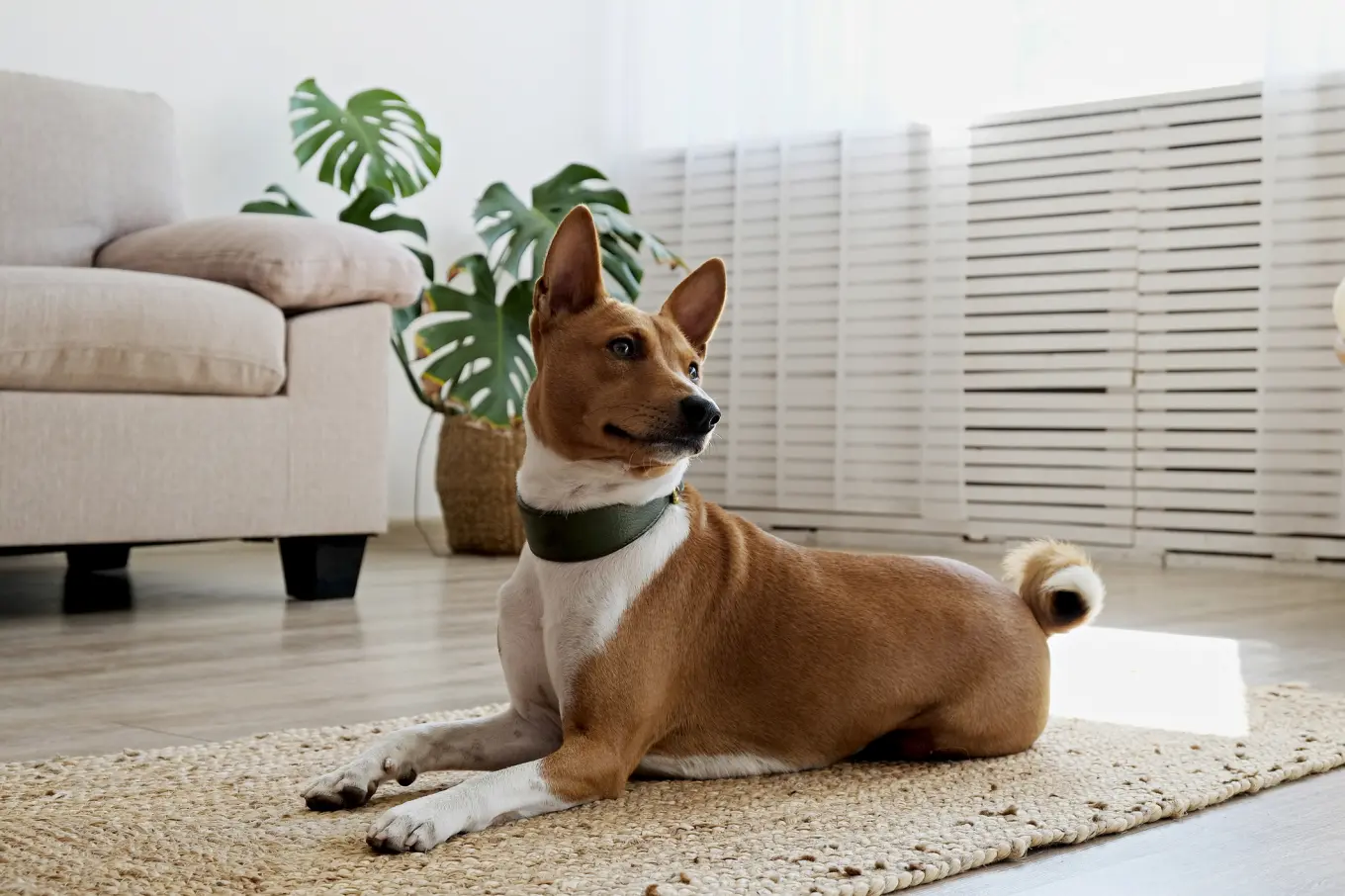
Basenjis have short, fine coats that produce minimal dander. They are quiet dogs, often called “barkless.” Basenjis are smart, curious, and independent. They need exercise and mental stimulation. Their low shedding coat helps allergy sufferers.
Breeds Often Mistaken As Hypoallergenic
Many dog breeds claim to be hypoallergenic. This means they should cause fewer allergies in people. Some breeds are often mistaken for being hypoallergenic. People choose these dogs hoping to avoid allergic reactions. Yet, these breeds can still trigger allergies in sensitive individuals. Understanding these breeds helps you make better decisions.
Labradoodle And Goldendoodle
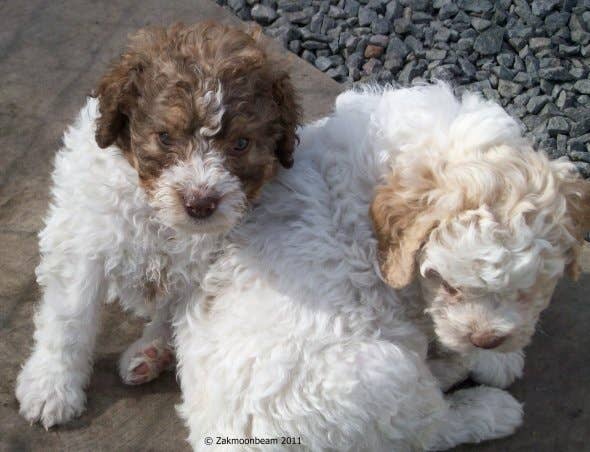
Labradoodles and Goldendoodles are popular mixed breeds. They are a mix of Poodles and Labradors or Golden Retrievers. People assume they do not shed much. This makes many think they are hypoallergenic. But these dogs still shed dander and fur. Allergy sufferers may still have reactions to them.
Yorkshire Terrier
Yorkshire Terriers have silky, fine hair. Their hair grows continuously like human hair. This trait makes many believe they cause fewer allergies. But they shed skin flakes and saliva proteins. These are common allergy triggers. So, Yorkies are not truly hypoallergenic for everyone.
Shih Tzu
Shih Tzus have long, flowing coats. Their fur looks soft and less shedding. This trait leads people to call them hypoallergenic. The truth is they shed dander like other dogs. They also drool, which can spread allergens. Shih Tzus may still cause allergic reactions.
Credit: www.newsweek.com
Managing Allergies Around Dogs
Managing allergies around dogs takes effort but is very possible. Many people love dogs but suffer from allergy symptoms. These symptoms come from proteins in dog skin flakes, saliva, and urine, not just fur. Reducing exposure to these allergens helps lessen reactions. Simple daily habits make a big difference for allergy sufferers. Focus on keeping your dog clean, your home tidy, and your air fresh.
Regular Grooming Tips
Brush your dog often to remove loose hair and dander. Use a damp cloth to wipe your dog’s coat gently. Bathe your dog regularly with a mild shampoo made for pets. Keep your dog’s bedding clean by washing it weekly. Trim your dog’s nails to avoid dirt buildup. Grooming reduces the amount of allergens your dog spreads around.
Cleaning And Air Quality
Vacuum floors and furniture with a HEPA filter vacuum cleaner. Dust surfaces using a damp cloth to catch tiny particles. Wash your dog’s toys and blankets often in hot water. Use air purifiers in rooms where your dog spends time. Open windows to let fresh air circulate daily. Clean air and surfaces lower allergen levels indoors.
Using Allergy Medications
Take allergy medicines as advised by your doctor. Antihistamines can reduce sneezing and itching. Nasal sprays help clear congestion and inflammation. Allergy shots may build tolerance over time. Keep medications handy during high allergy seasons. Medicines help control symptoms but do not replace cleaning and grooming.
Choosing The Right Dog For Allergy Sufferers
Choosing the right dog for allergy sufferers requires careful thought. Allergies vary from person to person. Some dogs cause fewer allergic reactions than others. Knowing your own allergy limits helps find a good match. This section guides you through simple steps to pick the best dog for your needs.
Personal Allergy Testing
Start with testing your reaction to dog allergens. Visit an allergist for a skin or blood test. This shows how sensitive you are to dog dander. Testing helps avoid surprises after bringing a dog home. It gives a clear idea of which breeds might be safer.
Spending Time With Breeds
Spend time around different dog breeds before deciding. Visit friends or shelters with hypoallergenic dogs. Notice any sneezing, itching, or breathing problems. This real-life exposure gives a true sense of your allergy limits. It also helps find a dog that fits your comfort level.
Considering Lifestyle And Care
Think about your daily life and how much care a dog needs. Some hypoallergenic breeds need regular grooming and baths. Others require more exercise or training time. Choose a dog that fits your schedule and energy. Proper care can reduce allergens and improve your comfort at home.
Credit: pethelpful.com
Frequently Asked Questions
What Makes A Dog Breed Hypoallergenic?
Hypoallergenic dog breeds produce fewer allergens like dander and saliva. This reduces allergic reactions in sensitive people. No breed is fully allergen-free, but hypoallergenic breeds are better for allergy sufferers.
Which Popular Breeds Are Hypoallergenic?
Common hypoallergenic breeds include Poodles, Bichon Frises, Maltese, and Schnauzers. These dogs shed less and have hair that traps dander. They suit allergy-prone individuals looking for a pet.
Are Hypoallergenic Dogs Completely Allergy-free?
No dog breed is 100% allergy-free. Hypoallergenic dogs minimize allergens but can still trigger mild reactions. Allergy severity varies by person and exposure.
How Can I Reduce Dog Allergens At Home?
Regular grooming, frequent cleaning, and HEPA air filters help reduce allergens. Bathing your dog weekly lowers dander levels. These steps improve indoor air quality for allergy sufferers.
Conclusion
Choosing a hypoallergenic dog breed can help reduce allergy problems. Breeds like Poodles and Bichon Frises shed less fur and dander. These dogs often fit well in homes with allergy sufferers. Remember, no dog is 100% allergy-free. Spend time with a breed before adopting to see how you react.
Caring for your dog’s coat regularly also helps keep allergies low. Enjoy the love and joy a dog brings, even with allergies. Your perfect hypoallergenic dog is out there, waiting for you.