Looking for a good dog breeder can feel overwhelming. You want a healthy, happy puppy that fits perfectly with your family.
But how do you know where to find someone you can trust? Choosing the right breeder is one of the most important steps you’ll take on your journey to bringing a new furry friend home. You’ll discover simple, clear ways to spot a responsible breeder.
By the end, you’ll feel confident and ready to find the dog that’s meant for you. Keep reading to learn the secrets to making the best choice for your future companion.
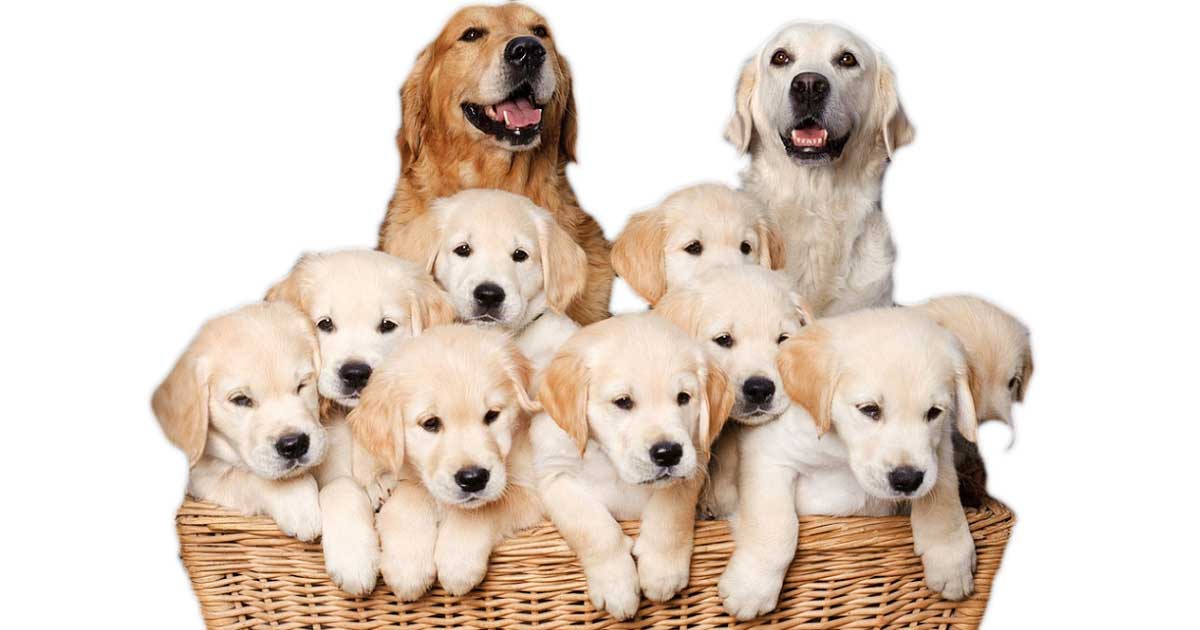
Credit: www.petbacker.com
Why Choose A Reputable Breeder
Choosing a reputable dog breeder matters a lot for your puppy’s future. Good breeders focus on health, behavior, and breed standards. They care deeply about each puppy and the breed’s well-being. This choice ensures your new friend grows strong and happy.
Health Benefits For Puppies
Reputable breeders test their dogs for genetic diseases. They avoid breeding unhealthy dogs. Puppies get vaccinations and health checks early. This lowers the risk of illness. Healthy puppies have better chances of a long life.
Ethical Breeding Practices
Ethical breeders treat dogs with respect and care. They provide clean, safe living spaces. These breeders do not overcrowd or neglect their dogs. They follow rules to protect the breed’s quality. This keeps the breed strong and pure.
Long-term Support
Good breeders offer help after you take your puppy home. They answer questions about health and training. They may take back dogs if needed. This support builds trust and shows real care. You never feel alone with a reputable breeder.
Credit: www.gooddog.com
Qualities Of A Good Dog Breeder
Finding a good dog breeder is important for the health and happiness of your future pet. Good breeders care deeply about their dogs. They follow rules and treat dogs like family. Knowing the qualities of a good breeder helps you choose wisely.
Transparency And Communication
A good breeder shares clear information about their dogs. They answer questions openly and honestly. They provide details about the puppy’s parents and background. You should feel comfortable talking to them anytime. Transparency builds trust and shows they care.
Clean And Safe Environment
Dogs must live in a clean, safe place. A good breeder keeps their area tidy and free of hazards. Puppies get enough space to play and rest. This environment helps dogs grow healthy and strong. You can see how they treat all animals around.
Proper Health Screenings
Health is a top priority for good breeders. They test dogs for common diseases and genetic problems. Records of vaccinations and vet visits are available. This ensures puppies start life healthy. Health screenings protect both dogs and new owners.
Where To Start Your Search
Starting your search for a good dog breeder can feel overwhelming. Many choices exist, and you want a healthy, happy puppy. Knowing where to begin helps you find a responsible breeder. This guide points you to trustworthy sources for your search.
Breed Clubs And Associations
Breed clubs and associations focus on specific dog breeds. They often list responsible breeders who follow ethical practices. These groups provide accurate information about breed traits and care. Contacting a breed club helps you find breeders who prioritize health and temperament.
Veterinarian Recommendations
Veterinarians meet many dog owners and breeders. They know which breeders produce healthy puppies. Asking your vet can lead you to reliable breeders in your area. Vets can also advise on health checks to expect from a good breeder.
Dog Shows And Events
Dog shows gather breeders, owners, and dogs in one place. Visiting these events lets you meet breeders face-to-face. You can see the dogs’ quality and ask questions directly. Events also show how breeders care for their dogs and puppies.
Credit: www.gooddog.com
Using Online Resources Wisely
Finding a good dog breeder online takes more than a quick search. Many breeders have websites and social media profiles. These can show you their work and how they care for dogs. Using online resources wisely helps avoid scams and bad experiences. It helps you find breeders who truly love their dogs and breed responsibly.
Evaluating Breeder Websites
A breeder’s website gives the first impression. Check if it looks professional and easy to navigate. Look for clear photos of the dogs and puppies. The site should have detailed information about the breed. Good breeders share their breeding goals and health testing. Beware of websites with little or no information about the dogs.
Checking Reviews And Testimonials
Reviews from past buyers show real experiences. Read what others say about the breeder’s service. Positive feedback often means the breeder cares about puppies. Look for mentions of good health and happy puppies. Be cautious if reviews are missing or all sound the same. Genuine testimonials help build trust.
Avoiding Red Flags
Watch out for breeders who do not answer questions clearly. Avoid those who push for quick sales or ask for large deposits upfront. Beware of sites with vague or no health guarantees. If a breeder refuses to show where puppies live, be suspicious. Trust your instincts and step away if something feels wrong.
Questions To Ask Potential Breeders
Finding a good dog breeder means asking the right questions. These questions help you know if the breeder cares for their dogs and puppies. They show how serious the breeder is about healthy and happy pets. Here are key questions to ask when you contact a breeder.
Puppy Health And Vaccinations
Ask about the puppy’s health history. Are the puppies checked by a vet? Do they have all their vaccinations? Find out if the breeder gives regular health checks. Ask about worming and flea treatments. A good breeder keeps detailed health records for each puppy.
Parent Dogs’ Background
Learn about the parent dogs. What is their temperament like? Have they been tested for genetic diseases? Ask for proof of health clearances. Knowing the parents’ background helps predict the puppy’s future health and behavior. Responsible breeders know their dogs’ family history well.
Breeding Philosophy
Ask about the breeder’s goals. Do they breed for health, temperament, or show qualities? How do they choose which dogs to breed? Find out if they care more about the puppies’ well-being than profits. A good breeder breeds with care, not just for money.
Visiting The Breeder In Person
Visiting the breeder in person is an important step when choosing a dog. It gives you a clear idea about how the dogs live and how the breeder cares for them. This visit helps you trust the breeder and understand the dogs better. Seeing everything with your own eyes can answer many questions and calm your worries.
What To Observe During The Visit
Look closely at how clean the area is. Notice if the dogs seem healthy and happy. Watch how the breeder treats the animals. Are they gentle and patient? Check if the breeder answers your questions clearly. This shows they know about their dogs and care deeply.
Meeting The Puppies And Parents
Spend time with the puppies to see their behavior. Are they playful and curious? Meet the parents if possible. Healthy parents often mean healthy puppies. Notice the parents’ temperament. Calm and friendly parents usually pass on good traits.
Assessing The Environment
The dogs’ living space should be safe and roomy. Fresh air and natural light are important. Look for clean bedding and fresh water. A good environment helps dogs grow strong and happy. Avoid places that seem dirty or cramped.
Alternatives To Traditional Breeders
Finding a dog through traditional breeders is common, but other good options exist. These alternatives can help you find a healthy, happy dog. They also support animals in need of a home. Consider these choices before deciding where to get your dog.
Rescue Organizations
Rescue organizations save dogs from shelters or bad situations. They care for dogs until they find a new family. Many breeds and sizes are available. These groups often check homes to match dogs with owners well. Choosing a rescue dog helps reduce overpopulation.
Breed-specific Rescues
Breed-specific rescues focus on one type of dog. They know the breed’s needs and health issues well. This option is great for those who want a certain breed. These rescues give special care and training to dogs. Adopting here supports groups that protect specific breeds.
Adoption Events
Adoption events bring many dogs to one place for meeting people. You can meet different dogs and ask questions. Staff and volunteers help you find a dog that suits your home. These events make adoption easier and faster. Visiting an event is a good way to find your new pet.
Frequently Asked Questions
How Can I Identify A Reputable Dog Breeder?
Look for breeders who prioritize health, temperament, and breed standards. Check for certifications, health clearances, and positive reviews.
What Questions Should I Ask A Dog Breeder?
Ask about health screenings, puppy socialization, breed history, and return policies. Responsible breeders provide clear, honest answers.
Where Are The Best Places To Find Dog Breeders?
You can find good breeders through breed clubs, veterinary recommendations, and reputable online directories. Avoid puppy mills and pet stores.
How Do I Verify A Dog Breeder’s Credibility?
Request health certificates, visit the breeding facility, and speak with previous buyers. Verified breeders prioritize transparency and care.
Conclusion
Finding a good dog breeder takes time and care. Trust breeders who love their dogs and care deeply. Ask questions, visit their homes, and see the puppies. Healthy, happy puppies show responsible breeding. Choose breeders who provide clear health records and support.
A good breeder helps you find the right dog. Your new pet deserves the best start in life. Take your time. Make a choice that feels right and safe. Your future dog will thank you.