
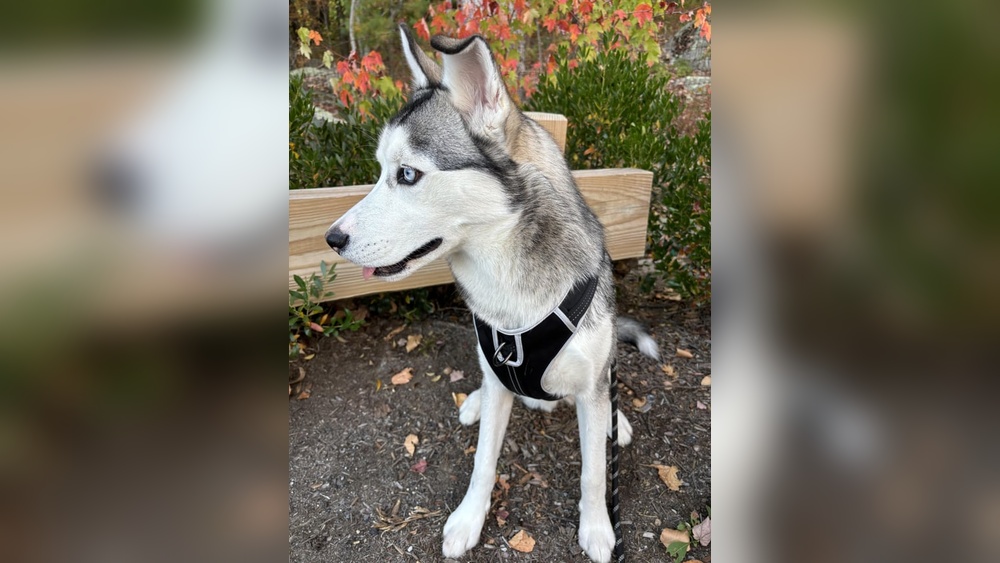
If you have a Husky, you want to make sure your furry friend stays healthy and strong. One big question many Husky owners face is: when should you switch from puppy food to adult dog food?
Getting this timing right can affect your dog’s growth, energy, and overall wellbeing. You’ll discover the key signs that show your Husky is ready for adult food and why making the switch at the right time matters more than you might think.
Keep reading to learn how to give your dog the best nutrition at every stage of life.

Credit: www.reddit.com
Growth Stages Of Huskys
Huskys grow fast and have different needs at each stage. Knowing their growth stages helps you feed them right. Each phase shapes their health and energy. Nutrition changes as they grow. Understanding these stages guides when to switch to adult dog food.
Puppy Phase
This phase lasts from birth to about six months. Huskys grow quickly and need rich, balanced food. Puppy food supports strong bones and muscles. It also helps brain development. Feeding high-quality puppy food is key for healthy growth.
Adolescence
Adolescence runs from six months to about one year. Huskys start to slow their growth. Their energy needs are still high but begin to balance out. Food must support muscle development and maintain healthy weight. Transition food slowly during this phase to avoid stomach upset.
Adulthood
Adulthood starts around one year old. Growth slows and stops. Huskys need food for maintenance and energy. Adult dog food has less fat than puppy food. It helps keep a healthy weight and strong body. Switching to adult food at this stage is important for long-term health.

Credit: www.reddit.com
Signs Your Husky Needs Adult Food
Knowing when to switch your Husky to adult dog food is important for their health. Puppies and adult dogs have different needs. Your Husky’s body and behavior will show signs when it’s time to change their diet. Watch for these signs to help your dog grow strong and stay healthy.
Physical Development Indicators
Your Husky’s size and weight give clues about their growth. When they stop growing taller and heavier, they may need adult food. Their teeth also change; baby teeth fall out and adult teeth grow in. This usually happens around six months. Strong muscles and a fuller coat show they are maturing. These physical changes mean their food should change too.
Behavioral Changes
Puppies are very active and curious. As Huskies grow, their energy may level out. They might play less and rest more. These behavior shifts signal a change in their diet needs. Adult dogs have slower metabolisms and need fewer calories. Noticing these behavior changes helps you decide when to switch food.
Nutritional Needs Shift
Puppies need more protein and fats for growth. Adult Huskies require balanced nutrients to maintain health. Their food should support joint health and keep their coat shiny. Switching too late can cause weight gain or nutrient imbalances. Choosing the right adult food helps your Husky stay fit and happy.
Age Milestones For Switching
Knowing the right time to switch your husky to adult dog food is important. This change supports their growth and health. Age milestones help guide this decision. They mark the stages when your dog needs different nutrition. Understanding these milestones ensures your husky gets the best diet at each life stage.
Typical Age Range
Most huskies switch to adult dog food between 12 and 18 months old. This range covers their final growth phase. Puppies grow fast and need puppy food with extra nutrients. By one year, many huskies slow down growth. Their energy needs change. Adult dog food has the right balance for this stage. Watch your husky’s weight and activity. These also help decide the right switch time.
Breed-specific Considerations
Huskies have unique needs compared to other breeds. They are medium-sized but very active dogs. Their metabolism stays high even after puppyhood. Some huskies might need adult food closer to 18 months. Others may be ready at 12 months. Pay attention to your dog’s size and health. Consult a vet for advice based on your husky’s growth. Breed traits can affect nutrient needs and timing.
Choosing The Right Adult Dog Food
Choosing the right adult dog food is important for your Husky’s health and happiness. Adult Huskys have different needs than puppies. Their food must support their energy, muscles, and coat. The right diet helps them stay active and strong every day.
Pay close attention to the ingredients and nutrition. This ensures your Husky gets what it needs without extra fillers or harmful additives. Quality food supports long life and good health.
Nutritional Requirements For Adult Huskys
Adult Huskys need a balanced diet with the right nutrients. Protein is key to keep their muscles strong. Look for foods with real meat as the first ingredient.
Fats provide energy and keep the coat shiny. Omega-3 and omega-6 fatty acids are best. Carbohydrates give energy but should be easy to digest.
Vitamins and minerals help with overall health. Calcium and phosphorus support bones and teeth. Fiber aids digestion and keeps the gut healthy.
Ingredients To Look For
Choose foods with whole meats like chicken, beef, or fish. These are rich in protein and easy to absorb. Vegetables such as sweet potatoes and peas add fiber and vitamins.
Healthy fats come from fish oil or flaxseed. These support the brain and coat. Natural antioxidants from fruits help boost the immune system.
Pick foods without artificial colors, flavors, or preservatives. These can cause allergies or stomach issues in Huskys.
Avoiding Common Pitfalls
Avoid foods with too many fillers like corn, wheat, or soy. These add little nutrition and may cause allergies. Steer clear of foods with by-products or unnamed meat sources.
Do not feed adult Huskys puppy food. It has too many calories and different nutrient ratios. Overfeeding can lead to obesity and joint problems.
Check for recalls or poor reviews on dog food brands. Choose trusted brands that test their products for safety.
Transitioning To Adult Food
Switching your Husky to adult dog food is an important step. It supports their health as they grow. Transitioning should be smooth to avoid stomach issues. A careful approach helps your dog adjust well to the new diet.
Gradual Switching Process
Start by mixing a small amount of adult food with puppy food. Increase the adult food portion daily over 7 to 10 days. This slow change helps your Husky’s stomach adapt. Avoid sudden switches to prevent digestion problems.
Monitoring Your Husky’s Reaction
Watch for any signs of discomfort or allergies. Check for vomiting, diarrhea, or loss of appetite. If these occur, slow down the transition or pause it. Healthy stools and good energy show the new food suits them well.
Adjusting Portions And Frequency
Adult Huskies need different food amounts than puppies. Feed smaller, balanced meals based on their weight and activity. Usually, two meals a day work best. Keep portions steady to maintain a healthy weight and energy level.
Health Benefits Of Proper Nutrition
Proper nutrition plays a key role in a Husky’s health. Switching to adult dog food at the right time helps meet their changing needs. Adult formulas support growth, energy, and overall well-being. Feeding the right food keeps your Husky strong and happy for years.
Maintaining Healthy Weight
Adult dog food helps control calorie intake better than puppy food. It has the right balance of nutrients to prevent obesity. Maintaining a healthy weight reduces the risk of heart and liver problems. It also keeps your Husky active and agile.
Supporting Joint Health
Proper adult food includes ingredients that support joints and bones. Huskys are active dogs and need strong joints to run and play. Nutrients like glucosamine and omega-3 fatty acids help reduce joint pain. This support improves mobility and comfort as your dog ages.
Enhancing Coat And Skin Quality
Adult dog food contains essential fatty acids and vitamins for skin health. A healthy coat looks shiny and feels soft to touch. Good nutrition reduces dry skin and itching problems. It also protects against allergies and infections, keeping your Husky comfortable.

Credit: www.reddit.com
Frequently Asked Questions
When Should I Switch My Husky To Adult Dog Food?
Switch your Husky to adult dog food between 12 to 18 months. This period suits most Huskys as their growth slows. Consult your vet to tailor timing based on your Husky’s health and activity level for optimal nutrition.
What Are Signs My Husky Needs Adult Food?
Signs include slowed growth, stable weight, and reduced puppy energy. If your Husky’s teeth are fully developed and they seem less hyperactive, it’s time. Always check with your vet before transitioning to adult dog food.
How To Transition Huskys To Adult Dog Food?
Gradually mix adult food with puppy food over 7-10 days. Start with 25% adult food, increasing to 100% by day ten. This helps prevent digestive upset and allows Huskys to adjust smoothly to new nutrition.
Why Is Adult Dog Food Better For Grown Huskys?
Adult dog food has balanced nutrients for maintenance, not growth. It helps maintain healthy weight, coat, and energy. Puppy food is richer and can cause weight gain if fed long-term to adults.
Conclusion
Switching to adult dog food is important for your husky’s health. Watch for signs like growth slowing and teeth development. Choose food made for adult dogs to meet their needs. Proper nutrition helps maintain energy and strong muscles. Always consult your vet for the best timing.
Keep your husky happy and healthy with the right food. A smooth change supports their active lifestyle well. Remember, good food equals a good life for your husky.


