

If you have a German Shepherd puppy, you might be wondering when it’s the right time to switch to adult dog food. Getting this timing right is important for your dog’s health and growth.
Feed them too early or too late, and you could affect their energy, development, or even cause digestive issues. You’ll discover clear signs to watch for and expert tips to make the transition smooth. By the end, you’ll feel confident about giving your GSD the nutrition they need at every stage of life.
Keep reading to find out exactly when your German Shepherd should move on to adult dog food.

Credit: www.countrymax.com
Signs Your Gsd Is Ready
Your German Shepherd is growing fast. Changing from puppy to adult needs careful attention. One big change is their food. Switching to adult dog food helps them stay healthy and strong. Watch for clear signs your GSD is ready for this change.
Knowing these signs will help you feed your dog right. This keeps their body and mind happy. Let’s explore the main clues your GSD shows when it is time for adult dog food.
Physical Growth Milestones
Your GSD’s body shows many changes as they grow. Their puppy fur may start to look thicker or coarser. Teeth begin to settle into their adult set. Muscle tone becomes more defined and strong. Your dog may reach about 80% of its adult size. These signs mean their body needs more adult nutrients.
Behavioral Changes
Watch your GSD’s actions closely. Puppies often have bursts of energy but tire quickly. Adult dogs show longer play sessions and more stamina. Your dog may become calmer and less jumpy. Their attention span grows longer during training. These changes show they are maturing and ready for adult food.
Nutritional Needs Shift
Puppies need more calories and protein for rapid growth. Adult dogs require balanced nutrition for maintenance. Your GSD’s digestive system also matures. They process food differently and need less fat. Switching food supports their new energy needs. It helps avoid weight gain and keeps joints healthy.
Ideal Age For Switching
Knowing the ideal age to switch your German Shepherd (GSD) from puppy food to adult dog food is important. This change supports healthy growth and development. Feeding the right food at the right time helps maintain energy and overall health.
Puppy Vs Adult Food Differences
Puppy food has more calories and nutrients than adult food. It supports fast growth and strong bones. Adult food has fewer calories to prevent weight gain. It focuses on maintaining health and energy levels in grown dogs. The nutrient balance changes to match the dog’s slower growth pace.
Breed-specific Considerations
German Shepherds grow at a different rate than small breeds. Large breeds like GSDs need extra care during growth. Switching too early can cause nutritional gaps. Too late can lead to obesity or health issues. Consider your dog’s size and growth speed before changing food. Monitor weight and energy closely during the transition.
Veterinarian Recommendations
Veterinarians suggest switching around 12 to 18 months. This range fits most German Shepherds’ growth stages. A vet can check your dog’s health and advise the best time. Regular check-ups help adjust diet based on your dog’s needs. Follow professional advice to keep your GSD healthy and strong.
Choosing The Right Adult Food
Choosing the right adult food for your German Shepherd is very important. It helps keep your dog healthy and strong. Adult dog food should match their age, size, and activity level. Feeding the right food supports their muscles, joints, and energy needs. It also helps prevent health problems as they grow older.
Key Nutrients For Gsds
Protein is essential for muscle health and repair. Look for foods with high-quality animal protein like chicken or beef. Healthy fats provide energy and keep the skin shiny. Omega-3 and omega-6 fatty acids support joint health and reduce inflammation. Carbohydrates give your dog steady energy. Fiber helps digestion and keeps the gut healthy. Vitamins and minerals boost the immune system and overall wellness.
Avoiding Common Ingredients
Many adult dog foods have fillers like corn, wheat, and soy. These ingredients can cause allergies or digestive problems. Avoid foods with artificial colors, flavors, or preservatives. These additives offer no health benefits and may harm your dog. Some foods contain by-products or low-quality proteins. Choose foods with clear, simple ingredient lists to ensure quality nutrition.
Top Rated Adult Dog Foods
Choose brands known for quality and safety. Look for foods made specifically for large breeds like German Shepherds. These formulas support joint health and have the right nutrient balance. Check for products with good reviews from other dog owners. Veterinary recommendations also help find reliable options. Always select foods that meet AAFCO standards for complete nutrition.
Transitioning Smoothly
Switching your German Shepherd from puppy food to adult dog food is important. This change helps meet their new health and energy needs. Doing it smoothly keeps your dog happy and healthy. Sudden changes can upset their stomach and cause problems.
Gradual Food Mixing Techniques
Start by mixing a small amount of adult food with puppy food. Increase the adult food amount slowly over 7 to 10 days. This lets your dog’s stomach adjust without trouble. Watch how your dog reacts to the new food mix.
Monitoring Digestive Health
Check your dog’s stool for any changes. Soft or runny stool can mean the food switch is too fast. Look for signs like vomiting or less energy. Contact your vet if problems continue for more than a few days.
Adjusting Portion Sizes
Adult dogs need different food amounts than puppies. Use the feeding guide on the adult dog food package. Watch your dog’s weight and activity level. Adjust portions to keep your dog fit and active. Avoid overfeeding to prevent weight gain.
Common Mistakes To Avoid
Choosing the right time and type of food for your German Shepherd (GSD) is important. Many dog owners make mistakes that can affect their pet’s health. Avoiding these common errors helps your GSD stay strong and healthy as they grow.
Switching Too Early Or Late
Switching to adult dog food too early can upset your GSD’s digestion. Puppies need extra nutrients for growth. Changing too late means your dog may miss essential adult nutrition. Watch for signs like slower growth or weight gain to know the right time.
Ignoring Food Allergies
Some GSDs react to certain ingredients in food. Ignoring allergies can cause itching, upset stomach, or ear infections. Watch your dog closely after changing food. Choose hypoallergenic or limited-ingredient diets if needed. Always consult a vet for serious reactions.
Overfeeding Risks
Feeding too much adult dog food leads to weight gain and health issues. GSDs need balanced portions based on activity and age. Overfeeding strains joints and can cause obesity. Follow feeding guidelines on the package and adjust as your dog grows.

Credit: www.amazon.com
Maintaining Long-term Health
Switching your German Shepherd Dog (GSD) to adult dog food marks a new stage in their life. This change supports their energy and health needs as they grow older. Maintaining their long-term health requires more than just the right food. Regular care and attention keep your GSD strong and happy for years.
Regular Weight Checks
Checking your GSD’s weight often helps spot health issues early. Overweight dogs face risks like joint problems and heart disease. Underweight dogs might lack vital nutrients. Use a scale or visit the vet regularly. Keep track of weight changes to adjust food amounts. This simple step protects your dog’s overall health.
Exercise And Diet Balance
Exercise and diet must work together for your GSD’s well-being. Active dogs need more calories and nutrients to stay fit. Less active dogs require fewer calories to avoid weight gain. Provide daily walks or playtime to burn energy. Match food portions with activity levels. This balance helps maintain muscle and heart health.
Signs Of Nutritional Deficiency
Watch for signs your dog lacks key nutrients. Dull coat, weak muscles, or low energy can indicate problems. Digestive issues or slow healing wounds also matter. Address these signs quickly with vet advice. Nutritional deficiencies can harm your dog’s health over time. Early care ensures your GSD stays strong and lively.
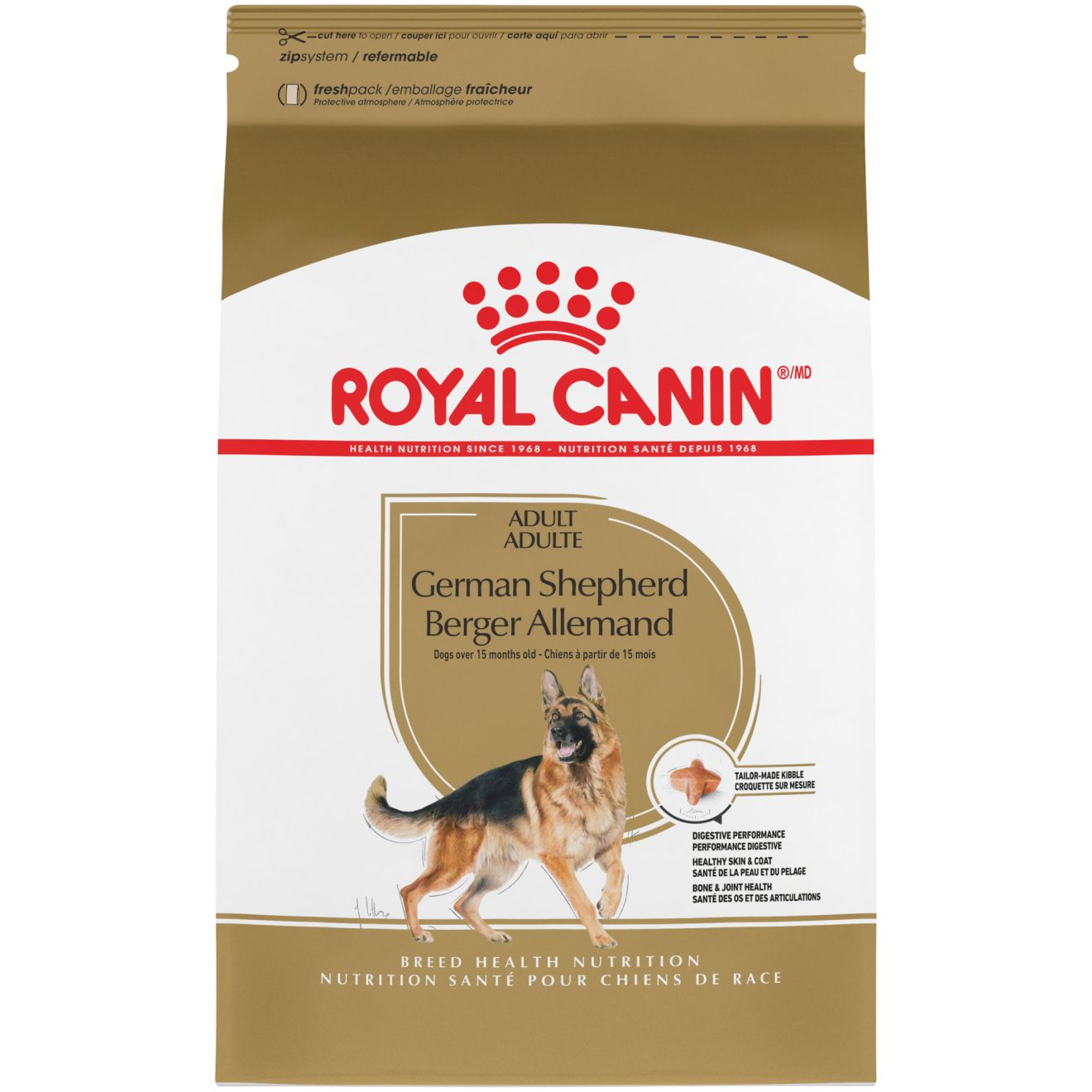
Credit: www.royalcanin.com
Frequently Asked Questions
When Should A Gsd Switch To Adult Dog Food?
German Shepherds should transition to adult dog food around 12 to 18 months. This timing supports their growth and energy needs. Consult your vet for personalized advice based on your dog’s development and activity level.
How To Know If Gsd Is Ready For Adult Food?
Signs include slowed growth, adult teeth fully developed, and stable weight. Your GSD’s energy levels and coat condition also help determine readiness. Always consult a vet before switching food types for best results.
What Are The Benefits Of Adult Dog Food For Gsds?
Adult dog food provides balanced nutrients tailored for mature German Shepherds. It supports joint health, muscle maintenance, and energy levels. Proper nutrition helps prevent obesity and promotes a healthy lifespan.
Can Switching Too Early Harm My German Shepherd?
Yes, switching too early may lead to nutrient deficiencies and growth issues. Puppies need higher protein and calories for proper development. Always wait until your GSD reaches the right age or consult a vet.
Conclusion
Switching your German Shepherd to adult dog food is important for their health. It supports their energy and growth needs as they mature. Watch for signs that they are ready to change their diet. Choose food made for adult dogs to help keep them strong.
Feeding the right food helps your dog live a happy life. Remember, every dog grows at a different pace. Stay patient and observe your dog closely. This simple step makes a big difference in their well-being.


