

Are you wondering how much food your adult dog really needs each day? Feeding your dog the right amount is crucial for their health and happiness.
Too little food can leave them hungry and weak, while too much can lead to weight gain and other problems. You’ll discover simple, clear guidelines to help you get your dog’s meals just right. Keep reading to learn how to keep your furry friend energized and thriving with the perfect portion every time.
Credit: www.bowlerspets.com
Daily Calorie Needs
Understanding your adult dog’s daily calorie needs helps keep them healthy and active. Calories fuel their body for walking, playing, and even resting. Feeding the right amount prevents weight gain or loss. Each dog’s calorie needs differ based on many factors.
Factors Affecting Calorie Requirements
Age plays a big role in calorie needs. Older dogs usually need fewer calories. Activity level matters a lot too. Active dogs burn more energy and need more calories. Breed size is important. Large breeds have different energy needs than small breeds. Health status can change calorie needs. Dogs with illnesses or on medication may need special diets. Temperature also affects calorie use. Cold weather can increase calorie needs to keep warm.
Calculating Your Dog’s Energy Needs
Start by knowing your dog’s weight in kilograms. Use a simple formula: Resting Energy Requirement (RER) = 70 x (weight in kg)^0.75. This gives the basic calories needed at rest. Next, multiply RER by an activity factor. For example, 1.2 for less active dogs, or up to 2.0 for very active dogs. This calculation helps estimate daily calorie needs. Adjust the amount based on changes in weight or activity.
Credit: www.petmd.com
Portion Sizes By Weight
Portion sizes for adult dogs depend mostly on their weight. Feeding the right amount helps keep dogs healthy and active. Overfeeding can cause weight gain. Underfeeding may lead to lack of energy and poor health. Use your dog’s weight as a guide to find the right portion size.
Small Breeds
Small dogs usually weigh under 20 pounds. They need about ¼ to ¾ cup of food daily. Divide this into two or three meals. Small breeds have fast metabolisms. Feeding smaller portions more often works well for them.
Medium Breeds
Medium dogs weigh between 20 and 50 pounds. They eat about 1 to 2 cups of food each day. Splitting this into two meals is ideal. Medium breeds require balanced portions for steady energy throughout the day.
Large Breeds
Large dogs weigh over 50 pounds. They need about 2 to 4 cups of food daily. Feed them twice a day to avoid bloating. Large breeds benefit from controlled portions to maintain healthy weight and joints.
Types Of Dog Food
Choosing the right food type for your adult dog helps keep them healthy. Different foods provide different nutrients and energy levels. Understanding each type makes feeding easier and more accurate. Below are common types of dog food and how to portion them correctly.
Dry Kibble Portions
Dry kibble is the most popular dog food type. It is easy to store and lasts long. Measure kibble portions based on your dog’s weight and activity. Most packages include feeding charts. Divide the daily amount into two meals for best digestion. Avoid free-feeding to prevent overeating and weight gain.
Wet Food Guidelines
Wet food contains more moisture than dry kibble. It appeals to picky eaters and dogs needing hydration. Feed wet food in smaller portions than dry because of its water content. Check the label for calorie information. Mix wet food with dry kibble for variety and balanced nutrition.
Raw And Homemade Diets
Raw and homemade diets allow control over ingredients. These diets require careful planning to meet nutritional needs. Portion sizes depend on protein sources and dog’s size. Consult a vet or pet nutritionist to avoid imbalances. Keep raw food fresh and handle safely to prevent bacteria.
Adjusting Food Amounts
Adjusting the amount of food for your adult dog is important. Dogs do not need the same amount of food every day. Their needs change based on many things. Feeding the right amount keeps your dog healthy and happy. It helps avoid problems like weight gain or lack of energy. Watch your dog’s behavior and body to decide if you need to change food portions.
Age And Activity Level
Older dogs often eat less than younger adults. Their energy needs drop as they age. Puppies and young adults are more active and need more food. Active dogs burn calories faster. They need extra food to stay strong and fit. Less active dogs need smaller portions. Match food amounts to how much your dog moves daily.
Health Conditions
Some health issues affect how much your dog should eat. Dogs with certain illnesses may need special diets. Talk to your vet about the right food amount. Dogs with diabetes or kidney problems often need less food. Others recovering from surgery may need more nutrients. Always adjust food based on your dog’s health needs.
Weight Management
Keeping your dog at a healthy weight is key. Overweight dogs should eat less to lose pounds safely. Underweight dogs need more food to gain strength. Measure your dog’s weight regularly. Change food portions slowly to avoid sudden changes. Balanced food and proper amounts help maintain ideal weight.
Feeding Frequency
Feeding frequency plays a key role in your adult dog’s health. Regular meal times help maintain good digestion and energy. Dogs thrive with routine, and feeding at set times supports this need. It also helps prevent overeating and obesity. Understanding how often to feed your dog makes a big difference in their well-being.
Recommended Meal Times
Most adult dogs do well with two meals per day. Feed your dog once in the morning and once in the evening. Space meals about 8 to 12 hours apart. Smaller dogs might need more frequent feeding with smaller portions. Avoid leaving food out all day to keep your dog’s eating habits healthy.
Benefits Of Scheduled Feeding
Scheduled feeding helps control your dog’s weight by limiting food intake. It supports better digestion and reduces stomach problems. Dogs with regular meals often have calmer behavior and less anxiety. It also makes it easier to notice changes in appetite or health. Feeding on a schedule builds a strong routine for your dog’s life.
Signs Of Overfeeding And Underfeeding
Knowing the signs of overfeeding and underfeeding helps keep your dog healthy. Feeding the right amount is key to avoid health problems. Both too much and too little food affect your dog’s well-being. Watch for physical changes and behavior shifts. These clues tell you if your dog’s diet needs adjustment.
Weight Gain Indicators
Rapid weight gain shows overfeeding. Your dog’s belly may look round and swollen. Fat deposits often appear around the ribs and tail base. Difficulty moving or less energy can also signal too much food. You might notice your dog panting more or resting frequently. These signs suggest cutting back on food portions.
Signs Of Nutritional Deficiency
Thin body and visible ribs point to underfeeding. Your dog might seem weak or tired easily. A dull coat and dry skin reveal lack of nutrients. Poor appetite and slow healing wounds also warn of not enough food. Watch for these signs to ensure your dog gets proper nutrition. Adjusting food amount can improve your dog’s health quickly.
Tips For Feeding Success
Feeding an adult dog the right amount of food is vital for health. Success in feeding means more than just filling the bowl. It involves careful measurement, good quality food, and watching your dog’s reaction closely.
Measuring Food Accurately
Use a measuring cup for each meal. Avoid guessing the amount. Measure dry or wet food exactly. This helps keep your dog’s weight steady. Consistent portions prevent overeating or hunger. Small changes can affect health over time.
Choosing Quality Ingredients
Pick food with real meat as the first item. Avoid fillers like corn or soy. Fresh ingredients provide better nutrition. Look for balanced meals with vitamins and minerals. Good quality food supports energy and fur health. It also improves digestion and overall wellness.
Monitoring Your Dog’s Response
Watch your dog after meals. Check for signs of hunger or fullness. Notice changes in weight or energy. Digestive issues like vomiting or diarrhea need attention. Adjust food type or amount if needed. Regular vet visits help track health too.
Credit: wellbeloved.com
Frequently Asked Questions
How Much Food Does An Adult Dog Need Daily?
Adult dogs typically need 2-3% of their body weight in food daily. This varies based on activity, breed, and metabolism. Always check your dog’s weight and adjust portions to maintain a healthy body condition.
What Factors Affect Adult Dog Food Quantity?
Factors include age, weight, activity level, metabolism, and health status. More active or working dogs need more calories. Always consult your vet for personalized feeding advice.
How To Measure The Right Portion For My Dog?
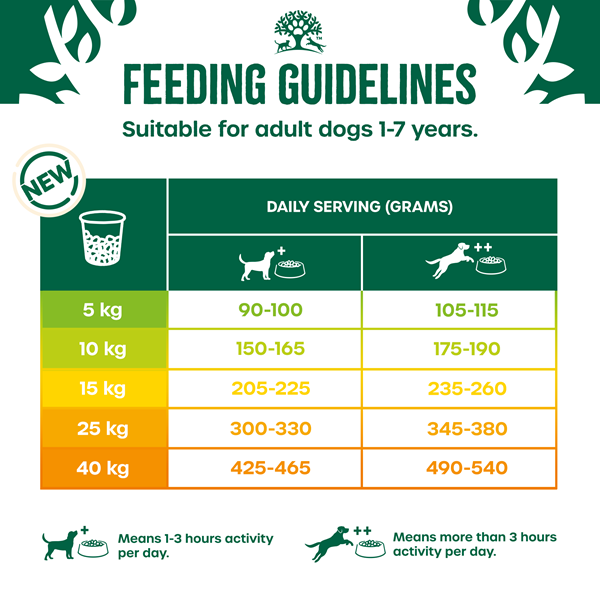
Use a kitchen scale or measuring cup to ensure accuracy. Follow feeding guidelines on your dog food packaging as a starting point. Adjust portions based on your dog’s weight and energy needs.
Can Overfeeding Harm Adult Dogs?
Yes, overfeeding can cause obesity, joint issues, and health problems. It’s crucial to feed appropriate portions and avoid excessive treats. Regular vet check-ups help monitor your dog’s weight and health.
Conclusion
Feeding your adult dog the right amount keeps them healthy and happy. Watch their weight and energy to adjust food as needed. Every dog is different, so observe their needs closely. Quality food and proper portions support a long, active life.
Regular vet visits help ensure your dog stays in good shape. A balanced diet makes all the difference in your dog’s well-being. Careful feeding shows your love in a simple, daily way.


