

Are you wondering when your playful puppy should start eating adult dog food? It’s a common question that many dog owners face.
Feeding your puppy the right food at the right time is crucial for their growth, health, and happiness. Choosing the wrong time to switch can lead to digestion problems or nutritional gaps. Keep reading to discover the perfect moment to make this important change and ensure your furry friend stays strong and healthy every step of the way.
Credit: companionpethospital.com
Puppy Growth Stages
Puppy growth happens fast and in clear stages. Each stage has unique needs and changes in diet. Knowing these stages helps you feed puppies the right food at the right time. It supports their health and development.
Newborn To Weaning
Newborn puppies depend fully on their mother’s milk. It gives all the nutrients they need. During this time, their digestive systems are very delicate. They cannot digest solid food yet. This stage lasts about four weeks.
Transition To Solid Food
At about three to four weeks, puppies start trying solid food. This process is called weaning. Start with soft, mushy food mixed with water or puppy formula. Gradually reduce milk as solid food intake increases. By eight weeks, puppies usually eat solid food well.
Growth Milestones
Between eight weeks and six months, puppies grow fast. They need more calories and nutrients than adult dogs. Puppy food is designed for this stage. It supports bone growth and strong muscles. Switching to adult food too early can cause health issues.
Differences Between Puppy And Adult Food
Puppy food and adult dog food serve different purposes. Puppies grow fast and need special nutrition. Adult dogs have slower growth and different health needs. Feeding the right food helps dogs stay healthy and happy.
Understanding the key differences helps you choose the right food at the right time. This section explains how puppy and adult foods vary.
Nutritional Needs
Puppies need more protein and fat for muscle and brain growth. Their food has higher levels of vitamins and minerals. Adult dog food has fewer calories and less protein. It focuses on maintenance, not growth.
Caloric Requirements
Puppies burn more energy playing and growing. They need more calories per pound of body weight. Adult dogs need fewer calories to prevent weight gain. Feeding adult food too early can cause nutrient gaps.
Digestibility Factors
Puppy food is easier to digest and absorb. It contains ingredients that support developing stomachs and immune systems. Adult dog food has more fiber and different nutrient balance. Puppies may struggle to get enough nutrients from adult food.
Signs Puppy Is Ready For Adult Food
Puppies grow fast. Their food needs change as they develop. Knowing the signs that a puppy is ready for adult food helps keep them healthy. This ensures they get the right nutrients at the right time. Watch your puppy closely for key changes.
These changes tell you when to switch from puppy food to adult dog food. Let’s explore the main signs to watch for.
Physical Development
Puppies start growing into their adult size by six to twelve months. Their baby teeth fall out and adult teeth come in. Muscle strength increases. Their energy levels also begin to stabilize. These changes mean their body needs different nutrients. Adult food suits their physical growth stage better.
Behavioral Changes
Puppies begin to act less hyperactive and more calm. They show better focus during training. Their eating habits can change too. They may eat less often but more at each meal. These behavior shifts signal readiness for adult food. The new diet matches their mature activity level.
Veterinary Recommendations
Your vet can guide the best time to switch food. They assess growth, weight, and health. Vets check for any special needs or diet concerns. Following a vet’s advice prevents feeding mistakes. Regular check-ups help ensure your puppy thrives on adult food.
:max_bytes(150000):strip_icc()/puppy-feeding-schedule-2-d8f6749725de477eb32756329140a85b.png)
Credit: help.sc.ug
Timing Tips For Switching Food
Switching a puppy to adult dog food is an important step. It affects their growth and health. Timing the change right helps avoid stomach problems and ensures proper nutrition. Knowing when and how to switch keeps your puppy happy and healthy.
Read on for clear tips on the best timing for this food change.
Ideal Age Range
Puppies usually start adult food between 9 and 12 months old. Small breeds may switch closer to 9 months. Large breeds might need adult food later, around 12 months. Each dog is different. Watch your puppy’s size and energy for clues.
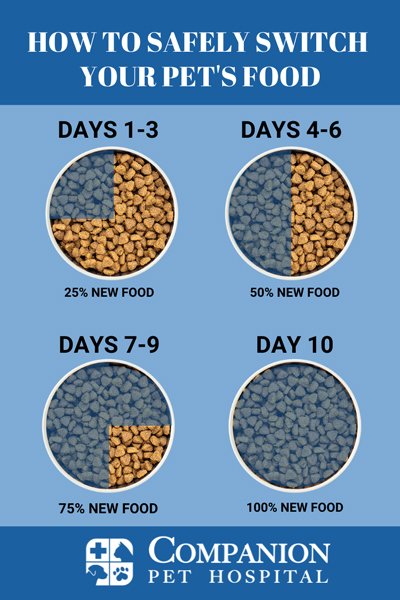
Gradual Transition Process
Switch food slowly over 7 to 10 days. Start by mixing 25% adult food with 75% puppy food. Increase adult food amount every few days. This helps your puppy’s stomach adjust. Sudden changes can cause upset stomach or diarrhea.
Monitoring For Reactions
Check your puppy’s stool and appetite daily. Watch for signs like vomiting or loose stools. If problems happen, slow the transition or pause. Healthy puppies should stay active and eat well. Contact your vet if issues continue.
Common Mistakes To Avoid
Feeding your puppy the right food at the right time is very important. Many pet owners make mistakes that can affect their puppy’s health. Knowing what to avoid can help your puppy grow strong and healthy.
Switching Too Early
Puppies need special food with more nutrients than adult dogs. Changing to adult food too soon can cause nutrient gaps. This can lead to slow growth and weak bones. Wait until your vet says your puppy is ready.
Abrupt Food Changes
Sudden changes in food can upset a puppy’s stomach. Diarrhea and vomiting are common signs. Always switch foods slowly over 7 to 10 days. Mix more new food each day until the switch is complete.
Ignoring Breed Differences
Small and large breeds grow at different rates. Large breeds need more calcium and protein for strong bones. Small breeds need food with smaller kibble size. Choose food that fits your puppy’s breed size and needs.

Credit: rheumconsultants.com
Special Considerations
Some puppies need extra care when switching to adult dog food. Their size, health, and diet needs affect the best time to change food. Understanding these special considerations helps keep your puppy healthy and happy.
Large Vs. Small Breeds
Large breed puppies grow faster and need food with balanced nutrients. Their bones and joints require special support. Small breed puppies have faster metabolisms and may need more calories. Switching food too early or late can affect growth. Follow breed-specific guidelines for the best results.
Health Issues
Puppies with health problems need tailored diets. Some may require foods low in fat or special protein sources. Switching to adult food could worsen some conditions. Always ask your vet before changing food for sick puppies. Careful monitoring during the switch is essential.
Puppies With Special Diets
Some puppies need diets for allergies or sensitivities. These diets often use unique ingredients or formulas. Switching to regular adult food might cause issues like upset stomach or skin problems. Keep special diet needs in mind and consult your vet before changing food. Consistency helps avoid health problems.
Frequently Asked Questions
When Is The Right Time To Switch Puppies To Adult Food?
Puppies should transition to adult dog food around 12 months old. Large breeds may switch closer to 18 months. This timing ensures balanced nutrition for growth and maintenance. Consult your vet for breed-specific recommendations to avoid nutritional deficiencies or excesses during this critical phase.
What Are Signs Puppies Need Adult Dog Food?
Signs include slowed growth, reduced energy needs, and less frequent meals. Puppies may also start losing their puppy teeth. These changes indicate maturity and the need for nutrient levels found in adult dog food, which supports maintenance rather than rapid growth.
Can Switching Too Early Harm Puppies?
Yes, switching too early can cause nutritional imbalances. Puppy food has higher calories and nutrients for growth. Adult food may lack these, leading to stunted growth or health issues. Always follow age guidelines or vet advice to ensure proper development.
How To Transition Puppies To Adult Dog Food Smoothly?
Gradually mix adult food with puppy food over 7-10 days. Increase adult food portion daily while decreasing puppy food. This helps avoid digestive upset and ensures puppies adjust well to new nutrition without stress.
Conclusion
Puppies grow fast and need the right food at the right time. Switching to adult dog food too early can cause problems. Wait until your puppy is about one year old or as your vet suggests. Watch their health and energy closely during the change.
Feeding the right food helps them stay strong and happy. Remember, every puppy is different. Take your time and choose wisely for a healthy future.


