

If you have a growing dog, you might wonder when it’s time to switch from puppy food to adult food. Getting this right is important for your dog’s health and energy.
Feed them too early, and they might miss out on key nutrients. Wait too long, and they could gain unwanted weight or lose vital vitamins. You’ll discover the signs to watch for and how to make the switch smoothly. Keep reading to ensure your furry friend stays happy and healthy every step of the way.
Puppy Growth Stages
Puppy growth happens fast and in clear stages. Understanding these stages helps decide the right time to switch to adult food. Each phase has unique nutritional needs. Feeding the right food supports healthy development. Let’s explore these key growth stages.
From Newborn To Weaning
Newborn puppies rely entirely on their mother’s milk. Milk provides all needed nutrients and antibodies. During this time, puppies grow quickly but cannot digest solid food. They sleep and nurse most of the day. This stage lasts about three to four weeks.
Transition To Solid Food
At around three to four weeks, puppies start trying solid food. Soft, wet puppy food is best at first. Mixing solid food with water or puppy milk helps. This phase, called weaning, takes about two weeks. Puppies learn to chew and digest new foods.
Key Growth Milestones
By eight weeks, puppies eat solid food regularly. They gain strength and energy for play and learning. Bones and muscles grow rapidly at this time. Nutrient-rich puppy food supports their development. After six months, growth slows, and adult food may be needed.
Credit: www.petsmart.com
Signs To Switch Food
Knowing the right time to switch your dog to adult food is important for their health. Puppies grow fast, and their food needs change as they develop. Certain signs show when a change is needed. These signs help you provide the right nutrients for your dog’s age and size.
Physical Development Indicators
Watch your dog’s size and weight. Puppies usually reach their adult height between 9 to 12 months. Their baby teeth fall out, and adult teeth come in. Muscle tone improves, and their coat becomes shinier. These changes mean their body needs different nutrition. Switching food at this stage supports healthy growth and maintenance.
Behavioral Changes
Puppies may become less hyperactive as they grow. They start to eat less often but in bigger amounts. Their energy levels change, needing balanced meals for stamina. You might notice changes in their digestion or appetite. These signs show their metabolism is shifting. Adult food matches these new energy and nutrient needs.
Breed And Size Considerations
Small breeds mature faster than large breeds. Small dogs often switch to adult food around 9 months. Large breeds may need puppy food longer, up to 18 months. Large breeds require food that supports joint health and slow growth. Knowing your dog’s breed helps decide the best time for food change. This ensures healthy development for every dog size.
Timing By Age And Size
Timing the switch to adult dog food depends on your dog’s age and size. Different breeds grow at different rates. Feeding the right food at the right time supports healthy growth. It also prevents health problems linked to poor nutrition.
Knowing when to change food helps you care for your dog’s needs. Each breed group has a general timeline to follow. Watch your dog’s growth and behavior to guide the transition.
Small Breeds Timeline
Small breed dogs grow quickly and reach adulthood fast. Usually, they switch to adult food between 9 and 12 months old. Small breeds have a faster metabolism. They need nutrient-dense food to support energy and health. Feeding adult food too early can cause growth problems.
Medium Breeds Timeline
Medium breeds grow slower than small breeds. Most medium dogs should change to adult food around 12 months. This timing supports their steady growth. Medium breeds need balanced nutrition for muscles and bones. Watch for signs of growth slowing before switching food.
Large And Giant Breeds Timeline
Large and giant breeds grow the slowest. Their growth phase can last until 18 to 24 months. Switching to adult food too early can harm their bone development. These breeds require special formulas with controlled calcium and calories. Wait until full growth to support healthy joints and bones.
Credit: www.gallant.com
Choosing The Right Adult Food
Switching your dog to adult food is an important step. Choosing the right food helps keep your dog healthy and active. Adult dog food has different nutrients than puppy food. These nutrients support your dog’s growth and energy at this stage.
It is important to pick a food that matches your dog’s size and breed. Some foods are made for small dogs, others for large ones. Quality ingredients help your dog stay strong and happy. Let’s explore what to look for in adult dog food.
Nutritional Needs For Adults
Adult dogs need balanced nutrition to stay healthy. They require proteins, fats, vitamins, and minerals. Proteins help keep muscles strong. Fats provide energy and support skin and coat health. Vitamins and minerals boost the immune system and bones.
Choose food that meets the daily nutritional needs of adult dogs. The right balance supports a healthy weight and good digestion. Avoid foods that lack essential nutrients or have too many fillers.
Balancing Protein And Fat
Protein and fat are the main energy sources for adult dogs. Adult dog food should have moderate protein levels. Too much protein can strain the kidneys. Fat content should also be balanced to avoid weight gain. Look for foods with clear labels about protein and fat percentages.
A good adult dog food has enough protein to maintain muscles. Fat helps with energy and keeps the coat shiny. The right balance ensures your dog stays fit and active every day.
Avoiding Common Ingredients
Many dog foods contain ingredients that may harm your dog. Avoid foods with artificial colors, flavors, or preservatives. These can cause allergies or upset the stomach. Corn, wheat, and soy are common fillers that offer little nutrition.
Check the ingredient list carefully. Look for whole foods and named protein sources, like chicken or lamb. Natural ingredients support better digestion and overall health. Choosing clean and simple foods helps your dog thrive in adulthood.
How To Transition Smoothly
Switching your dog to adult food needs care and patience. A smooth transition helps avoid stomach upset. It also ensures your dog enjoys the new food and gets proper nutrition.
Gradual Mixing Techniques
Start by mixing a small amount of adult food with puppy food. Slowly increase the adult food portion over 7 to 10 days. This slow change helps your dog’s stomach adjust. Watch how your dog reacts to each new mix.
Monitoring Digestive Health
Check your dog’s stool during the transition. Soft stools or diarrhea can mean the change is too fast. If this happens, slow down the mixing process. Keep an eye on vomiting or loss of appetite. These signs need a vet’s advice.
Adjusting Portions And Frequency
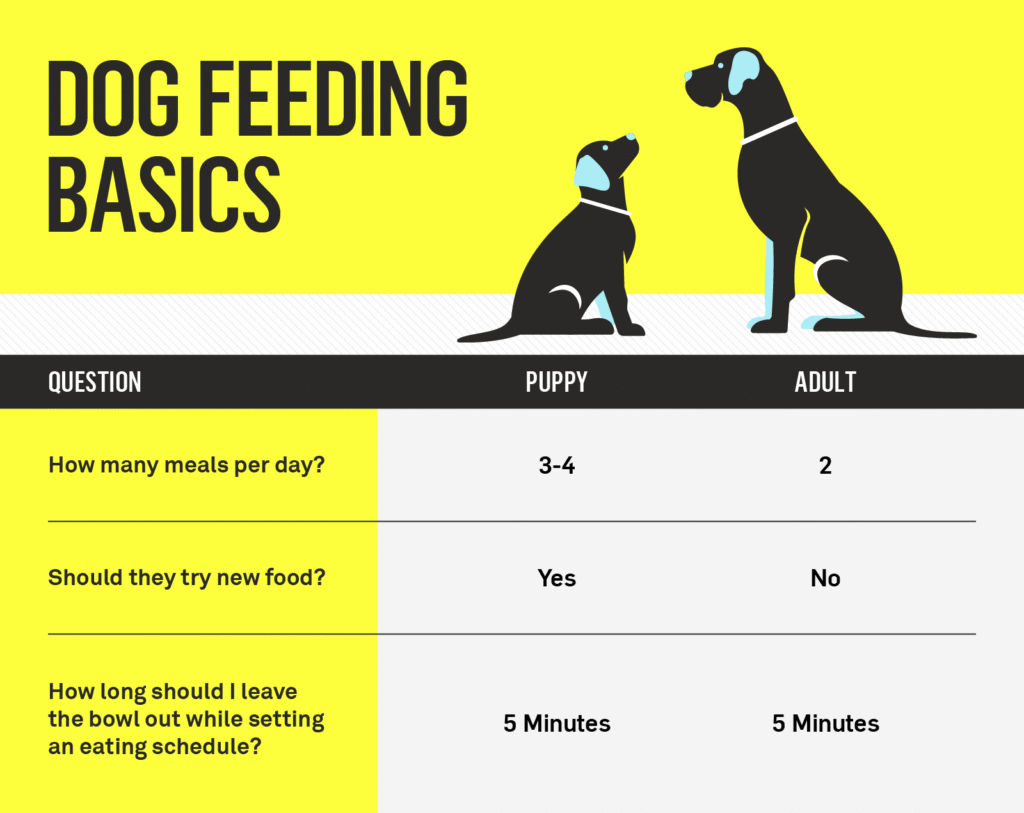
Adult dogs eat less often than puppies. Change meal amounts to fit your dog’s size and activity. Usually, two meals a day work well. Adjust portions to keep your dog at a healthy weight. Watch for hunger or leftover food to guide portion size.
When To Consult A Vet
Deciding when to switch your dog to adult food is important for their health. Sometimes, you need advice from a vet. A vet can guide you through the best time to make the change. They check your dog’s growth and health. This ensures your dog gets the right nutrition at the right time.
Health Concerns During Transition
Some dogs have health issues that affect their diet change. A vet can spot problems like allergies or digestive troubles. They help prevent stomach upset during food switch. Watching for signs like vomiting or diarrhea is key. The vet may suggest a slower food change to protect your dog’s health.
Special Dietary Needs
Dogs with special needs need extra care during diet changes. Puppies with medical conditions may need special adult food. A vet knows which food fits your dog’s needs. They can recommend diets for weight control or joint health. This advice helps your dog stay strong and healthy.
Professional Feeding Advice
Vets offer feeding tips beyond just switching food. They advise on portion sizes and meal frequency. This keeps your dog’s weight in a healthy range. Vets also suggest treats and supplements if needed. Their advice supports your dog’s overall well-being during growth.

Credit: www.purina.com
Frequently Asked Questions
When Is The Right Age To Switch Dogs To Adult Food?
Most dogs should switch to adult food around 12 months old. Large breeds may switch closer to 18-24 months. Consult your vet for breed-specific advice.
How To Tell If My Dog Needs Adult Food?
Signs include slowing growth, less energy, and changing nutrient needs. If your puppy looks full-grown, it’s time to transition to adult food.
Can Switching To Adult Food Too Early Harm Dogs?
Yes, switching too early can cause nutrient deficiencies and growth problems. Wait until your dog reaches the recommended age before changing food.
What Are The Benefits Of Adult Dog Food?
Adult dog food is formulated for maintenance, supporting healthy weight and energy. It contains balanced nutrients suited for mature dogs.
Conclusion
Choosing the right time to switch your dog to adult food matters. Most dogs change diet between one and two years old. Watch your dog’s size, energy, and health to decide. Growing puppies need special nutrients that adult food lacks.
Changing food too soon or too late can cause problems. Talk to your vet for advice on your dog’s needs. Feeding the right food helps your dog stay healthy and happy. Keep an eye on your pet’s behavior and appetite during the switch.
A smooth change supports their growth and overall well-being.


