

You want the best for your dog, especially when it comes to their diet. But how do you know the right time to switch from puppy food to adult food?
Feeding your dog the proper food at the right age is crucial for their health and happiness. If you’re unsure when to make this change, you’re not alone—and this article will guide you step-by-step. Keep reading to discover the signs your dog is ready, why timing matters, and how to make the transition smooth and safe for your furry friend.
Puppy Nutrition Basics
Puppy nutrition is key for healthy growth. Puppies need food that supports their rapid development. Choosing the right food keeps them strong and active. Understanding their nutrition helps you give the best care.
Growth And Dietary Needs
Puppies grow fast, so they need more calories than adults. Their bones and muscles develop quickly. Protein is important for building strong muscles. Fat provides energy for play and learning. Vitamins and minerals support healthy bones and the immune system. Balanced nutrition helps puppies reach their full potential.
Differences Between Puppy And Adult Food
Puppy food has more protein and fat than adult food. It also contains extra vitamins and minerals. Adult food is designed for maintenance, not growth. Feeding adult food too early can cause nutrient gaps. Puppy food supports brain development and healthy joints. Switching to adult food should happen gradually at the right time.
Signs Your Dog Is Ready
Knowing when your dog is ready to eat adult food is important for their health. Dogs show clear signs that they are growing and changing. These signs help you decide the right time to switch their diet. Watch your dog’s body and behavior closely.
Physical Development Indicators
One sign is your dog’s size. Puppies grow fast and soon look like small adults. Their baby teeth fall out and adult teeth come in. This usually happens around four to six months old. Their energy level may change as well. Their coat might become thicker and shinier. These changes show their body is ready for adult food.
Behavioral Changes
Behavior also tells a lot. Puppies start to eat less often but more at once. They may show less need for constant attention. Their play style changes and they seem more independent. They might stop chewing on everything like a young puppy. These habits mean your dog is maturing and can handle adult food.
Recommended Age To Switch
Choosing the right time to switch your dog to adult food is important for their health. Puppies need special nutrition to grow strong. Feeding adult food too early or too late can cause problems. The recommended age to switch varies by breed size. Each breed grows at a different pace. Understanding your dog’s breed helps you make the best choice.
Small Breeds Timeline
Small breed dogs grow fast and mature quickly. Most small breeds reach adulthood by 9 to 12 months. At this age, they can start eating adult dog food. Switching too early might cause them to miss key nutrients. Too late can lead to excess weight. Watch your small breed’s behavior and growth to guide your timing.
Medium And Large Breeds Timeline
Medium and large breeds take longer to grow. They often mature between 12 and 18 months. Large breeds sometimes need even more time, up to 24 months. Their bones and joints develop slowly. Feeding adult food too soon can harm their growth. Wait until your dog shows signs of maturity before switching food.
Credit: wellbeloved.com
Transitioning To Adult Food
Switching your dog to adult food is an important step in their growth. Puppies need different nutrients than adult dogs. Moving to adult food at the right time helps keep your dog healthy. This change should be smooth to avoid stomach problems. Careful planning makes the transition easier for your pet.
Gradual Food Mixing Techniques
Start by mixing a small amount of adult food with puppy food. Use about 25% adult food and 75% puppy food for the first few days. Slowly increase the adult food amount every few days. By two weeks, your dog should eat only adult food. This slow change helps your dog get used to the new taste and texture.
Managing Digestive Adjustments
Watch your dog’s stool and appetite during the switch. Some dogs may have soft stools or mild diarrhea. These issues usually go away as their body adapts. Keep fresh water available at all times. If problems last more than a week, talk to your vet. A steady transition reduces digestive discomfort and keeps your dog happy.
Common Mistakes To Avoid
Knowing when to switch your dog to adult food matters a lot. Many dog owners make common mistakes during this change. These errors can affect your dog’s health and growth. Avoiding these mistakes helps your dog stay healthy and happy.
Switching Too Early Or Late
Changing to adult food too soon can cause nutrition problems. Puppies need more calories and nutrients than adult dogs. Switching too late may lead to weight gain and digestion issues. Watch your dog’s growth and behavior to find the right time.
Ignoring Breed-specific Needs
Different breeds have different food needs. Large breeds need food that supports bones and joints. Small breeds may need more calories in less food. Using generic adult food can miss these needs. Choose food that fits your dog’s breed and size.
Credit: www.bowlerspets.com
Veterinarian Advice And Resources
Veterinarians play a key role in deciding when dogs should start eating adult food. Their advice ensures your dog’s diet supports healthy growth and development. Using trusted resources can guide you through this important change.
When To Consult A Vet
Contact a vet before switching your puppy to adult food. Puppies grow at different rates and need personalized care. Sudden changes in diet can upset digestion. A vet can check your dog’s weight and health. They help you choose the best time to switch food. Always ask about the right type of adult food. Vets also watch for allergies or sensitivities. Regular check-ups catch problems early.
Useful Tools And Guides
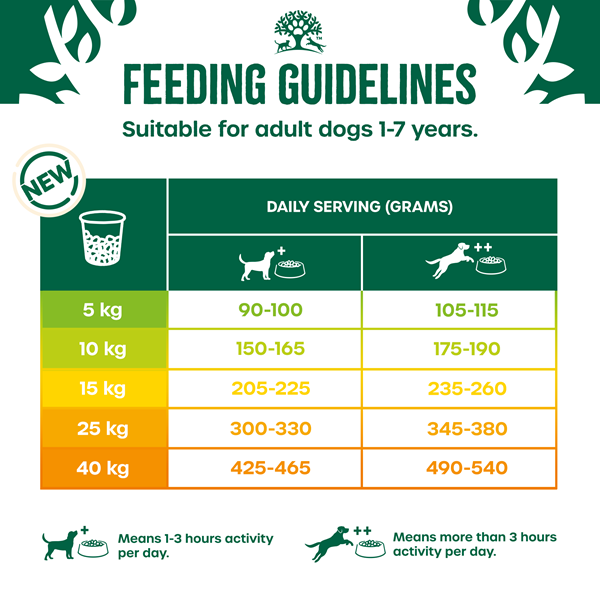
Many tools help you track your dog’s growth and diet needs. Growth charts show when puppies typically change food. Feeding guides suggest amounts based on age and weight. Some apps remind you when to change meals. Trusted websites offer detailed feeding schedules. Printables let you record your dog’s progress. These resources make feeding easier and safer. Use them to support your vet’s advice.
Credit: www.purina.com
Frequently Asked Questions
When Should Puppies Switch To Adult Dog Food?
Puppies should switch to adult dog food around 12 months old. Large breeds may transition later, about 18-24 months. This timing supports proper growth and nutritional needs for your dog’s age.
What Signs Show A Dog Is Ready For Adult Food?
Look for slowed growth and changes in energy. If your dog’s puppy coat is replaced by adult fur, it’s a good sign. Consult your vet for personalized advice before switching foods.
Can Switching To Adult Food Too Early Harm Dogs?
Yes, switching too early can cause nutritional deficiencies. Puppies need higher protein and fat levels for growth. Premature changes may lead to digestive issues or poor development.
How To Transition Dogs From Puppy To Adult Food?
Gradually mix adult food with puppy food over 7-10 days. Increase the adult food portion slowly to avoid stomach upset. This helps your dog adjust smoothly to the new diet.
Conclusion
Choosing the right time to switch your dog to adult food matters. Puppies grow fast and need special nutrition at first. Around one year old, most dogs can try adult food. Watch their weight and energy to know if it fits.
Always ask your vet if unsure. Feeding adult food too soon or too late can cause problems. Give your dog the best start for a healthy life. Simple care makes a big difference in their happiness.


