

You want the best for your furry friend, and that includes feeding them the right food at the right time. But when exactly should you switch your dog to adult food?
It’s a question many pet owners struggle with. Choosing the wrong time can affect your dog’s health and energy. You’ll discover the key signs to look for and expert tips to make the transition smooth and safe. Keep reading to ensure your dog stays happy and healthy every step of the way.
Puppy Growth Stages
Puppy growth happens fast. Each stage has unique needs and changes. Knowing these stages helps you feed your dog properly. Feeding the right food at the right time supports healthy growth and development.
From Newborn To Weaning
Newborn puppies depend fully on their mother’s milk. It gives all the nutrition they need. Their digestive systems are delicate and not ready for solid food. This stage lasts about four weeks. Puppies sleep and nurse most of the time. They grow quickly during these first weeks.
Transition To Solid Food
At about three to four weeks, puppies start exploring solid food. Soft, moist puppy food works best. Mixing dry food with water or puppy formula helps. This transition is slow and gradual. Puppies still need mother’s milk but eat less. By eight weeks, most puppies eat only solid food.
Growth Milestones
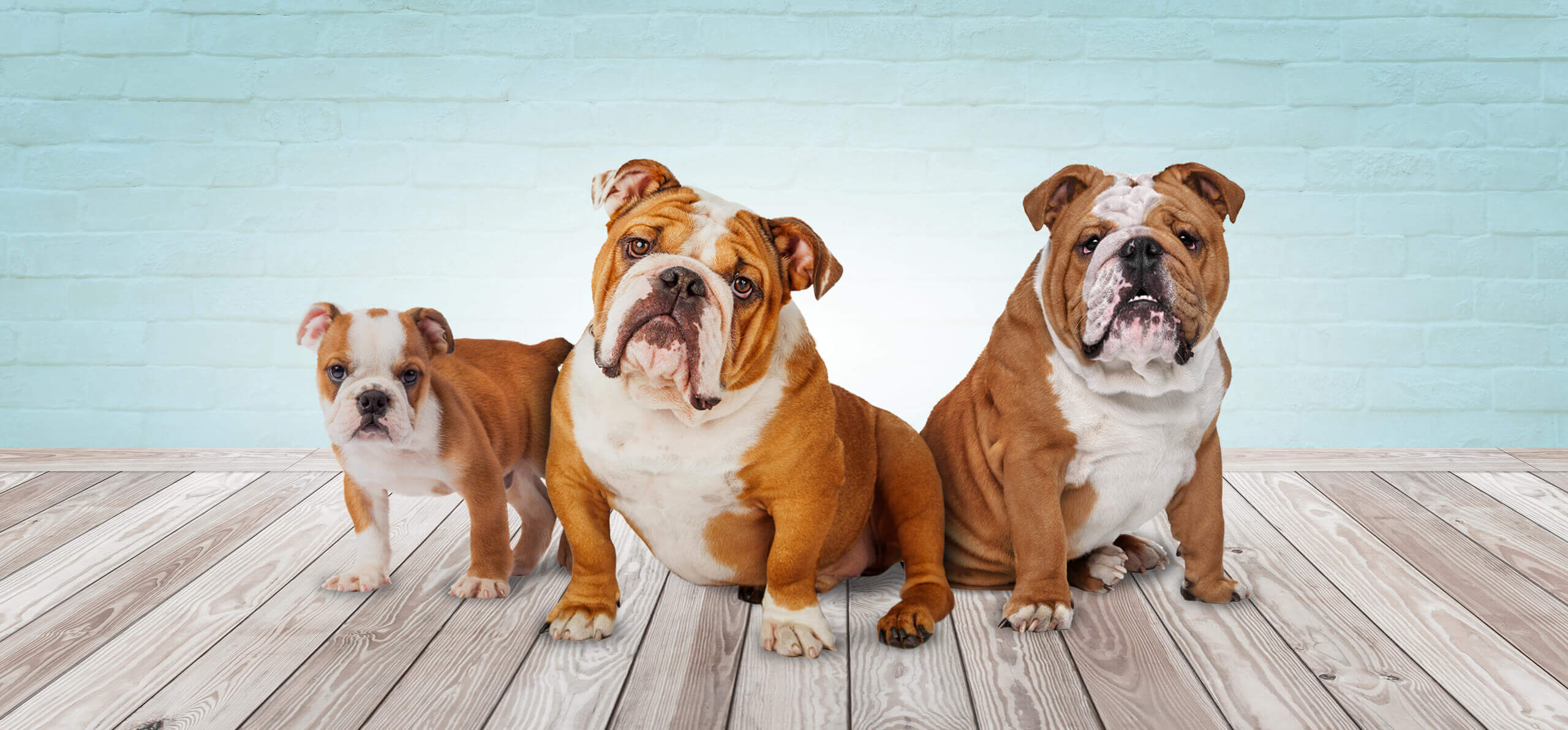
Puppies grow in size and strength rapidly. Their teeth come in around three to six weeks. Energy levels increase with play and exploration. By six months, many puppies look like small adults. Feeding shifts from puppy food to adult food around this time. Growth slows, but nutrition remains crucial for health.
Credit: www.bluebuffalo.com
Signs To Switch To Adult Food
Knowing the right time to switch your dog to adult food is important for their health. Puppies need special nutrition to grow strong. But as they grow older, their needs change. Watch for signs that show your dog is ready for adult food. These signs help you make the switch safely and at the right time.
Physical Development
One sign is your dog’s physical growth. Puppies reach most of their adult height by six to twelve months. Their teeth also change from sharp puppy teeth to stronger adult teeth. Muscle and bone growth slows down. When your dog looks less like a puppy and more like an adult, it is time to change their food.
Behavioral Changes
Puppies are often very active and hungry. Their energy levels may drop as they grow older. Adult dogs eat less and rest more. If your dog is calmer and does not need food as often, adult food suits them better. Watch how your dog acts to decide the right time to switch.
Breed And Size Considerations
Different breeds grow at different speeds. Small breeds mature faster and need adult food sooner. Large breeds take longer to grow and need puppy food longer. Know your dog’s breed to decide when to switch. Size matters when choosing the right food for your dog’s growth stage.
Timing By Dog Size
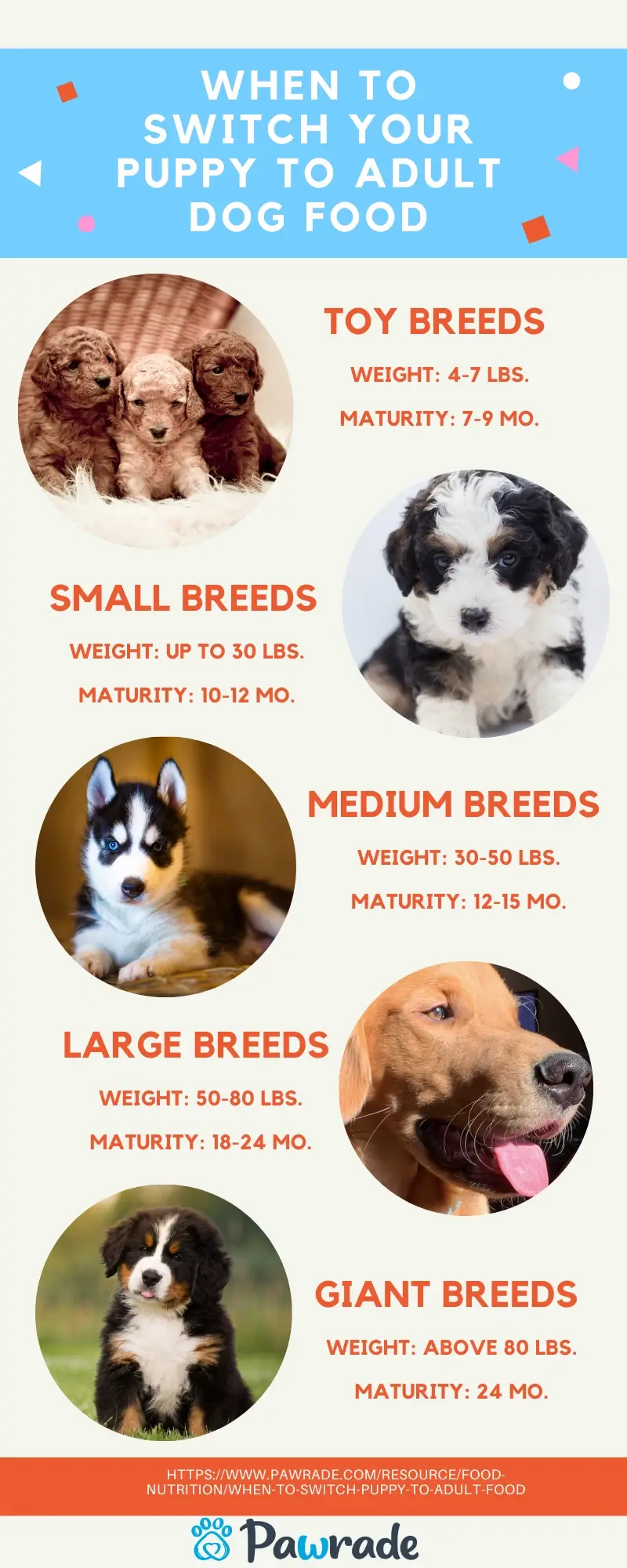
Feeding adult dog food at the right time depends largely on your dog’s size. Dogs grow at different rates, so their nutritional needs change too. Smaller dogs mature faster, while bigger dogs take longer to grow fully. Feeding adult food too early or too late can affect their health and energy.
Understanding the right timing by dog size helps you support your pet’s growth and wellbeing. Here’s a clear guide based on small, medium, and large breeds.
Small Breeds
Small breed dogs grow quickly. Most reach their adult size by 9 to 12 months. Switching to adult food around this time is best. Their metabolism is fast, so adult food supports steady energy. Puppy food after this stage may cause weight gain.
Medium Breeds
Medium breeds grow a bit slower. They usually mature by 12 to 15 months. Transitioning to adult food during this period works well. It helps maintain healthy bones and muscles. Keeping them on puppy food too long can lead to excess calories.
Large And Giant Breeds
Large and giant breeds grow the slowest. They can take 18 to 24 months to fully mature. Feeding adult food too early may harm their bone development. Use specially formulated puppy food until they reach this age. Then, switch to adult food for balanced nutrition.

Credit: greencoreelectronics.com
Nutritional Differences
Understanding the nutritional differences between puppy and adult dog food helps you feed your dog correctly. Puppies need specific nutrients to grow strong and healthy. Adult dogs need a different balance to maintain their health and energy. Feeding the right food at the right age supports your dog’s well-being.
Puppy Vs Adult Food Ingredients
Puppy food has more protein to support muscle growth. It also contains extra fats for energy. Vitamins and minerals are higher in puppy food to help bone development. Adult dog food has fewer calories and fat. It focuses on maintaining weight and health. Ingredients in adult food suit a stable, less active body.
Caloric Needs
Puppies burn more calories because they grow fast. Their food must provide enough energy for their active lives. Adult dogs burn fewer calories and need less energy. Too many calories can cause weight gain in adults. Feeding adult food too early may not meet a puppy’s calorie needs.
Nutrient Balance
Puppies need more calcium and phosphorus for strong bones. Adult dogs need balanced nutrients to avoid health problems. Protein and fat levels are lower in adult food. Fiber helps adult dogs with digestion. Nutrient balance changes as your dog grows, so feeding the right food is important.
Transitioning Tips
Transitioning your dog from puppy food to adult food requires care. Sudden changes can upset their stomach. Follow these tips to make the switch smooth and safe.
Gradual Food Changes
Start mixing a small amount of adult food into puppy food. Increase the adult food portion slowly over 7 to 10 days. This helps your dog adjust to the new taste and texture. Sudden switches can cause refusal to eat or digestive problems.
Monitoring Health
Watch for signs of discomfort or illness during the change. Check your dog’s energy, appetite, and stool quality daily. If you notice vomiting, diarrhea, or lethargy, slow down the transition. Consult your vet if problems last more than a few days.
Avoiding Digestive Issues
Feed smaller, frequent meals during the transition period. Avoid giving treats that might confuse digestion. Keep fresh water available at all times. A steady routine helps maintain good digestion and prevents upset stomachs.
Credit: labiosthetique.ee
Special Cases
Some dogs need special care when changing to adult food. Their age, health, or breed can change the right time. This section helps you understand these special cases.
Senior Dogs
Older dogs have different nutrition needs. They may need food with fewer calories. Protein levels might also change to keep muscles strong. Start senior dog food around seven years old. Watch their weight and energy to adjust food choices.
Dogs With Health Conditions
Some dogs have health problems that affect feeding. Kidney or liver issues often need special diets. Allergies may require limited ingredient foods. Talk to a vet before switching food. The vet can suggest the best food timing and type.
Mixed Breed Timing
Mixed breed dogs vary in size and growth speed. Small breeds mature faster than large breeds. Large mixed breeds may need adult food later, around 12 to 18 months. Watch your dog’s growth and energy to decide the right time.
Consulting Your Vet
Deciding when to switch your dog to adult food can be confusing. Every dog grows differently. Their health needs change as they age. Talking with your vet helps you make the right choice. Vets provide expert advice based on your dog’s health and breed. They watch for signs that your dog is ready for adult food. This guidance keeps your pet healthy and happy during growth.
Personalized Advice
Vets offer advice made just for your dog. They consider breed, size, and activity level. Puppies of large breeds may need adult food later. Small breeds often switch earlier. Your vet checks your dog’s weight and growth rate. This helps decide the best time to change food. Personalized advice protects your dog’s health and energy.
Regular Checkups
Regular vet visits track your dog’s progress. These visits check weight, teeth, and coat health. Vets spot issues that affect nutrition. They ensure your dog is growing well. During checkups, vets update feeding plans. Regular care helps your dog thrive through all life stages.
Adjusting Diet Over Time
Your dog’s diet needs change as they grow. Vets help adjust food type and amount. They suggest changes to prevent weight problems. Sometimes, special diets are needed for health issues. Follow your vet’s advice to keep your dog fit. Adjusting diet over time supports long, healthy life.
Frequently Asked Questions
When Should I Switch My Puppy To Adult Dog Food?
You should start feeding adult dog food when your puppy reaches about 80% of its expected adult size. This usually happens between 9 to 12 months but can vary by breed.
Why Is Timing Important For Feeding Adult Dog Food?
Proper timing ensures your dog gets the right nutrients for growth. Feeding adult food too early or late can cause nutritional imbalances or weight issues.
How Do I Transition My Dog To Adult Food Safely?
Gradually mix adult food with puppy food over 7 to 10 days. This helps prevent digestive upset and allows your dog to adjust smoothly to the new diet.
Are There Breed Differences In Switching To Adult Food?
Yes, small breeds often switch earlier (around 9 months), while large breeds may start later (up to 12-18 months) due to slower growth rates.
Conclusion
Feeding your dog adult food depends on their age and size. Most dogs switch around one year old, but big breeds need more time. Watch their growth and energy to guide you. Talk to your vet for the best advice.
Changing food too fast can upset their stomach. Take it slow and watch your dog’s health. Proper nutrition helps them stay strong and happy. Remember, every dog is different. Care and patience make all the difference.


