

Are you thinking about breeding your dog or getting a puppy with breeding rights? Understanding what breeding rights mean is crucial before you make any decisions.
These rights can affect your control over the dog’s future, your responsibilities, and even your finances. If you want to protect yourself and your dog, you need to know exactly what breeding rights involve. Keep reading to discover everything you should know about breeding rights for dogs and how they might impact you.
Breeding Rights Basics
Breeding rights are a key part of dog ownership and breeding. They define who can breed a dog and under what terms. Understanding these basics helps avoid confusion and protects both buyers and breeders.
This section explains what breeding rights mean, who holds them, and how they are set up.
Definition Of Breeding Rights
Breeding rights allow a person to mate their dog to produce puppies. These rights control if and how a dog can be used for breeding. They often come with rules or agreements between the dog owner and the breeder.
These rights ensure the dog’s breed quality and health standards stay protected. They also help manage the number of puppies produced from a particular dog.
Who Holds Breeding Rights
Usually, the dog’s breeder holds the breeding rights first. If you buy a dog with breeding rights, you then gain those rights. Sometimes, breeders sell a dog but keep the breeding rights themselves.
In other cases, both parties share breeding rights under specific terms. Clear agreements prevent disputes about who can breed the dog.
How Breeding Rights Are Established
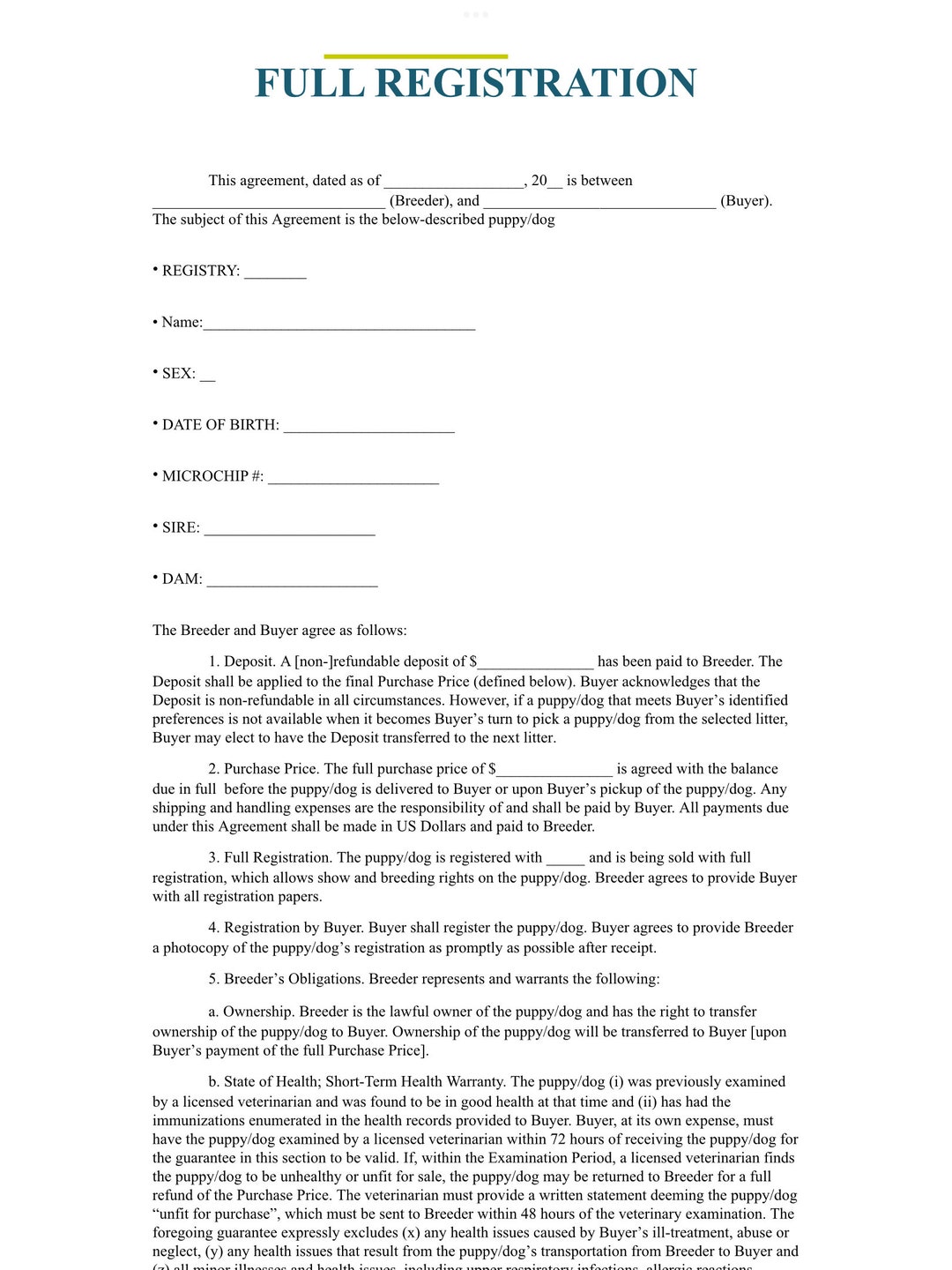
Breeding rights are set by a written contract or agreement. This document states who can breed the dog and any conditions involved. It may include limits on the number of litters or require health checks.
These agreements protect the dog’s welfare and the breeder’s interests. They also guide new owners on responsible breeding practices.
Legal Aspects
The legal aspects of breeding rights for dogs cover important rules and agreements. These help protect both the dog owner and the breeder. Understanding these legal parts stops future problems and confusion. It also ensures fair treatment and clear responsibilities.
Contracts And Agreements
Contracts are written papers that explain breeding rights clearly. They state who can breed the dog and under what terms. These agreements include details about fees, number of litters, and care conditions. Both parties must sign to agree. This protects each side’s interests and avoids disputes.
Ownership Vs Breeding Rights
Ownership means having full control of the dog. Breeding rights allow someone to use the dog for breeding only. A person can own the dog but give breeding rights to another. These rights can be shared or separated by contract. Knowing the difference helps prevent legal issues.
Common Legal Issues
Disagreements often arise over breeding rights. Problems include unclear contracts or broken agreements. Some breeders may breed more than allowed. Others may not care for the dog properly. Legal problems can lead to court cases or losing rights. Clear contracts and honest communication reduce these risks.
Breeding Rights In Dog Shows
Breeding rights in dog shows are important for dog owners and breeders. These rights decide who can breed a dog that has competed in shows. Understanding these rights helps maintain the quality and purity of dog breeds. It also protects the dog’s value and reputation in the show world.
Impact On Registration
Breeding rights affect how dogs are registered with kennel clubs. Only dogs with clear breeding rights can produce puppies with official papers. This registration proves the puppy’s breed and purity. Without breeding rights, puppies might not get proper papers. This can lower their value and recognition in dog communities.
Role In Championship Titles
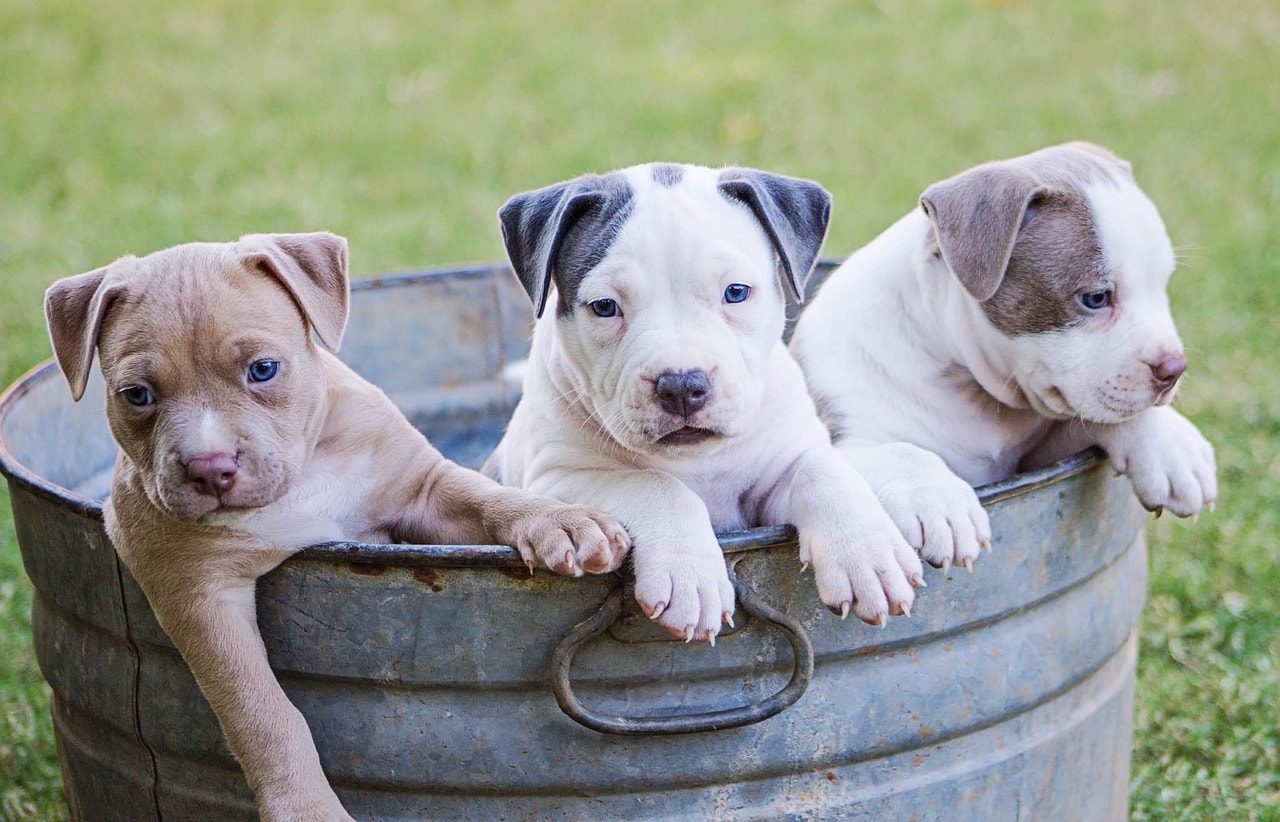
Breeding rights also link to championship titles. Winning dogs often get special breeding rights attached to their titles. These rights show that the dog has strong genetics and good traits. Breeders want these dogs to improve their breeding lines. Championship titles with breeding rights add prestige to the dog and breeder.
Credit: www.dogster.com
Responsibilities Of Breeding Rights Holders
Breeding rights holders carry important duties. They must ensure the well-being and quality of the dogs. These responsibilities help maintain healthy and happy dogs. They also protect the breed’s future and reputation.
Health And Welfare Standards
Breeders must keep dogs healthy and safe. Regular veterinary check-ups are essential. Vaccinations and parasite control protect dogs from illnesses. Proper nutrition and clean living spaces promote well-being. Socializing dogs helps them develop good behavior. Responsible breeding avoids passing genetic diseases. Caring for puppies includes proper feeding and warmth. Monitoring dogs for signs of stress or illness is vital.
Record Keeping And Documentation
Accurate records are a breeder’s best tool. They track each dog’s health history and lineage. Documentation helps prove breeding rights and dog ownership. Keeping vaccination and medical records is mandatory. Records of mating dates and puppy births are necessary. These documents support ethical breeding practices. They also aid in resolving any disputes. Well-kept records build trust with buyers and clubs.
Transferring And Selling Breeding Rights
Transferring and selling breeding rights for dogs involves giving someone else permission to breed a dog. This process often happens between dog owners and breeders. It can include a written agreement that states who can breed the dog and under what conditions. Understanding this process protects both parties and ensures the dog’s lineage stays clear.
Clear communication is key. Both sides should agree on terms like fees, number of litters, and responsibilities. Proper documentation helps avoid confusion later. Breeding rights can be valuable, so careful handling is important.
Negotiation Tips
Start with a clear idea of what you want. Set limits on the number of litters allowed. Discuss payment terms openly. Write down all agreements to avoid misunderstandings. Be fair but firm. Listen to the other party’s needs. Make sure both sides feel comfortable with the deal. Keep the dog’s health and well-being as a priority.
Potential Pitfalls To Avoid
Never skip a written contract. Avoid vague terms that cause confusion. Watch out for unrealistic promises about breeding results. Do not ignore the dog’s health records. Avoid agreements without clear financial terms. Be cautious of transferring rights without proper registration. Don’t let emotions drive decisions. Plan for what happens if something goes wrong.
Credit: bestfriends.org
Benefits And Challenges
Breeding rights for dogs offer both benefits and challenges. These rights allow owners or breeders to mate their dogs and sell puppies with permission. Understanding both sides helps in making smart decisions.
Advantages For Owners And Breeders
Breeding rights can bring extra income. Owners may sell puppies at a higher price because they have legal permission. Breeders build reputation by offering quality dogs with clear rights.
Rights also help control the breeding process. Owners decide which dogs to mate, improving the breed’s health and traits. This control supports better care and responsible breeding.
Breeding rights protect the dog’s lineage. They ensure puppies come from known parents. This information is important for future buyers and breeders.
Common Challenges Faced
Managing breeding rights can be complex. Contracts need clear terms about who owns the puppies and breeding permission. Misunderstandings may cause disputes between owners and breeders.
Breeding dogs requires time, money, and knowledge. Owners must handle health checks, vaccinations, and care for the mother and puppies. This responsibility can be overwhelming.
Not all puppies will sell quickly. Owners risk financial loss if demand is low. Sometimes, unexpected health problems increase costs.
Credit: www.etsy.com
Frequently Asked Questions
What Are Breeding Rights For Dogs?
Breeding rights allow a dog owner to breed their dog with others. These rights are often part of a sale agreement. They define if and how the dog can be used for breeding purposes.
Why Are Breeding Rights Important In Dog Sales?
Breeding rights protect breeders and buyers legally. They ensure clear ownership and control over a dog’s breeding use. This prevents unauthorized breeding and preserves the dog’s lineage quality.
Can Breeding Rights Be Transferred To A New Owner?
Yes, breeding rights can be transferred if specified in the contract. The new owner gains permission to breed the dog. This transfer must be agreed upon by both parties.
How Do Breeding Rights Affect Dog Ownership Costs?
Owning breeding rights can increase costs due to care and breeding expenses. It may also bring financial benefits if puppies are sold. Understanding rights helps owners budget properly.
Conclusion
Breeding rights for dogs define who can breed the dog. They protect the owner’s interests and set clear rules. Understanding these rights helps avoid confusion and disputes. They ensure responsible breeding and care for the puppies. Always read and agree on breeding rights before buying a dog.
This keeps relationships honest and fair for everyone involved. Knowing breeding rights supports healthy and happy dogs too. It matters for both buyers and breeders alike.


