

If you want your dog to live a long, happy, and healthy life, understanding their nutritional needs is key. Just like you, your dog needs the right balance of nutrients to stay strong and energetic every day.
But what exactly does your dog’s diet require? Knowing this can help you make smarter choices when it comes to feeding, prevent health problems, and even improve your dog’s mood and behavior. Keep reading to discover the essential nutrients your furry friend needs and how you can provide them with the best diet possible.
Your dog will thank you for it!
Key Nutrients For Dogs
Dogs need a balanced diet to stay healthy and active. Key nutrients support their growth, energy, and body functions. Each nutrient plays a special role in keeping dogs strong and happy. Understanding these nutrients helps you feed your dog the right way.
Proteins And Amino Acids
Proteins build and repair body tissues. Dogs use proteins for muscles, skin, and fur. Amino acids are the building blocks of proteins. Some amino acids are essential and must come from food. Good protein sources include meat, fish, and eggs.
Fats And Fatty Acids
Fats provide energy and help absorb vitamins. Fatty acids support brain and skin health. Omega-3 and Omega-6 are important fatty acids. Dogs need fats for a shiny coat and healthy cells. Sources include fish oil, chicken fat, and seeds.
Carbohydrates And Fiber
Carbohydrates supply energy for daily activities. Fiber helps with digestion and bowel health. Whole grains, vegetables, and fruits offer carbs and fiber. Proper fiber keeps the dog’s stomach comfortable. Balance is key to avoid weight gain.
Vitamins And Minerals
Vitamins support the immune system and help heal wounds. Minerals build strong bones and teeth. Calcium, phosphorus, and zinc are vital minerals for dogs. Fruits, vegetables, and meat provide many vitamins and minerals. Deficiencies can cause health problems.
Water Requirements
Water is essential for all body functions. It keeps dogs hydrated and helps regulate temperature. Dogs need fresh water every day. During hot weather or exercise, water needs increase. Always provide clean water to maintain health.
Credit: www.sydney.edu.au
Nutritional Needs By Life Stage
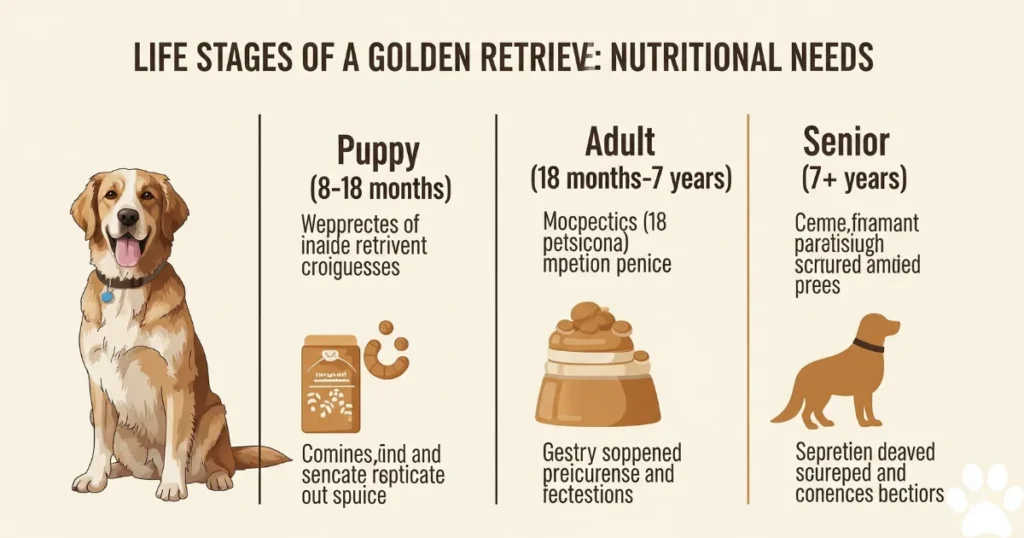
Dogs need different nutrients at each stage of life. Their bodies grow and change. Nutritional needs shift to support these changes. Feeding your dog right helps keep them healthy and active. Understanding what to feed at each life stage is important.
Puppy Nutrition
Puppies grow fast and need extra energy. Protein is key for strong muscles and bones. Puppies need more calories than adult dogs. Vitamins and minerals help develop their immune system. Feeding small, frequent meals suits their small stomachs. Choose food made especially for puppies.
Adult Dog Diet
Adult dogs need balanced nutrition to maintain health. Protein helps keep muscles strong. Fat provides energy for daily activities. Fiber supports good digestion. Adults require fewer calories than puppies. Avoid overfeeding to prevent weight gain. High-quality dog food meets these needs well.
Senior Dog Feeding
Older dogs need fewer calories due to less activity. Protein remains important to protect muscle mass. Joint-support nutrients like glucosamine can help mobility. Senior dogs may need more fiber for digestion. Hydration is vital as thirst sense weakens. Special senior formulas support aging dogs’ health.
Special Dietary Considerations
Special dietary needs affect many dogs. Meeting these needs helps dogs stay healthy and happy. Some dogs need specific diets because of their weight, allergies, or health problems. Understanding these needs supports better care and longer lives.
Weight Management
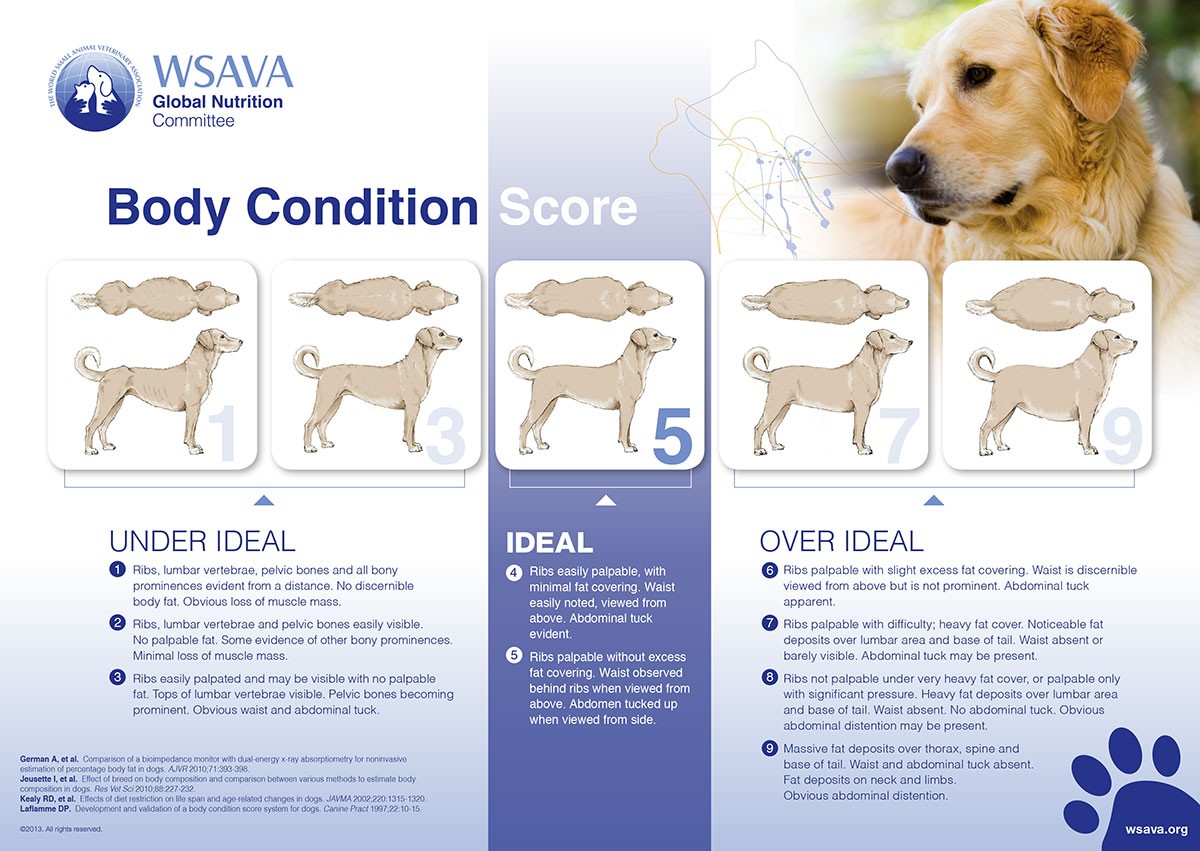
Some dogs need help to keep a healthy weight. Overweight dogs risk health problems like diabetes and joint pain. Feeding fewer calories and giving regular exercise helps control weight. Choose dog food labeled for weight control. Small, frequent meals prevent hunger and overeating.
Food Allergies And Sensitivities
Food allergies affect many dogs. Common allergens include beef, dairy, wheat, and chicken. Signs include itching, ear infections, and upset stomach. Limited ingredient diets can help identify allergies. Hypoallergenic dog food often uses novel proteins like duck or venison.
Health Conditions And Diet
Some dogs have health conditions needing special diets. Kidney disease, diabetes, and heart problems need tailored food. These diets reduce strain on organs and improve symptoms. Your vet can recommend the best food for your dog’s condition. Special diets help manage illness and improve quality of life.
Credit: goldenretrieverinsight.com
Choosing The Right Dog Food
Choosing the right dog food is key to keeping your pet healthy and happy. Dogs need a balanced diet with the right nutrients. Picking the best food means understanding different options and what your dog needs.
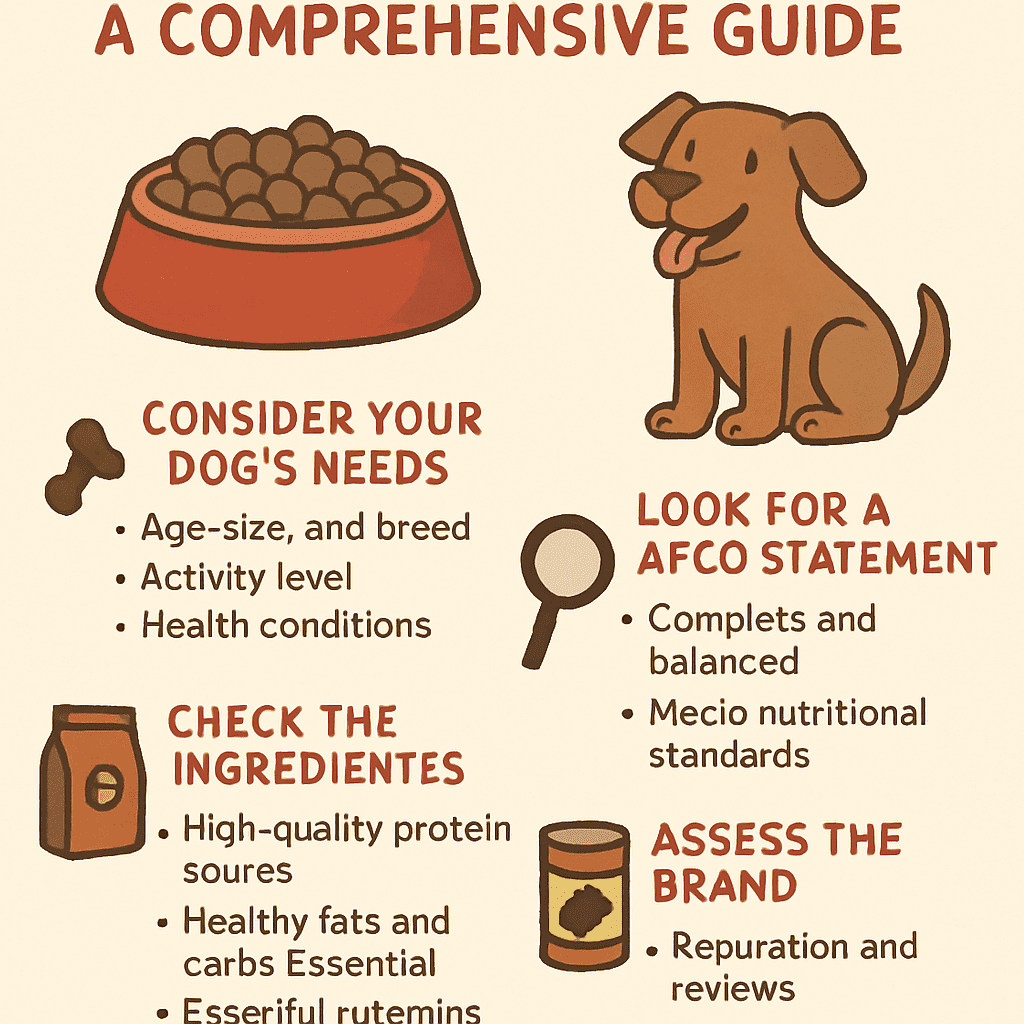
Every dog is different. Age, size, and activity level affect what food suits them best. Quality food supports their growth, energy, and immune system. Let’s explore how to choose the right dog food for your furry friend.
Commercial Vs. Homemade Diets
Commercial dog food is easy to find and comes in many varieties. It often contains all essential nutrients. Some types include dry kibble, canned, and semi-moist food. These foods are tested to meet dog nutrition standards.
Homemade diets let you control the ingredients. You can use fresh meat, vegetables, and grains. This option may suit dogs with allergies or special needs. But homemade meals require careful planning to be balanced and safe.
Reading Dog Food Labels
Labels on dog food packages show important information. Check the guaranteed analysis for protein, fat, and fiber content. Look for the feeding guidelines based on your dog’s weight and age. The label also lists the manufacturer and expiration date.
Make sure the food meets the Association of American Feed Control Officials (AAFCO) standards. This ensures the food provides complete nutrition. Avoid foods with vague terms like “meat by-product” or “animal digest.”
Understanding Ingredients
Ingredients tell you what is inside the dog food. The first ingredients are the most important as they make up most of the food. Look for named meats like chicken, beef, or fish. Whole grains and vegetables add fiber and vitamins.
Avoid foods with too many fillers like corn, wheat, or soy. These add little nutrition and may cause allergies. Natural preservatives like vitamin E are better than artificial ones. High-quality ingredients support your dog’s health and energy.
Feeding Tips For Optimal Health
Feeding a dog properly supports its health and happiness. Good feeding habits help dogs maintain a healthy weight and strong energy levels. Small changes in how and what you feed can make a big difference to your dog’s life.
Meal Frequency And Portion Control
Feed adult dogs twice a day. Puppies need three to four meals daily. Avoid free feeding to control portions well. Measure food with a cup or scale. Follow the feeding guide on dog food packages. Adjust portions based on your dog’s activity and age. Overfeeding leads to obesity and health problems.
Hydration And Water Intake
Fresh water must be available all the time. Dogs need water for digestion and body functions. Change water daily to keep it clean. Monitor your dog’s drinking habits. Increased thirst may indicate health issues. Use water bowls that are easy to clean and refill.
Supplements And Treats
Choose treats low in calories and healthy ingredients. Use treats to reward good behavior, not as main food. Consult a vet before adding supplements. Some dogs benefit from omega-3 or joint supplements. Avoid giving human food or unsafe treats. Treats should make up less than 10% of daily calories.
Signs Of Nutritional Deficiencies
Dogs need the right nutrients to stay healthy and active. Missing key vitamins or minerals can cause problems. Recognizing signs of nutritional deficiencies early helps prevent serious health issues. Watch your dog closely for changes in behavior or appearance. These signs often reveal what your dog lacks in its diet.
Behavioral Changes
Your dog may act differently if it lacks nutrients. It might seem tired or less playful than usual. Some dogs become more anxious or irritable. Loss of appetite or refusal to eat can also occur. Pay attention to any sudden mood shifts or unusual behavior.
Physical Symptoms
Look for visible changes in your dog’s body. A dull, dry coat might mean poor nutrition. Excessive shedding or bald patches can appear. Weight loss or gain without reason is a red flag. Weakness, slow healing wounds, and bad breath also signal problems.
When To Consult A Veterinarian
Do not wait if your dog shows signs of poor nutrition. A vet can diagnose the exact cause and suggest treatment. Early care improves your dog’s health and comfort. Regular checkups help catch problems before they grow worse. Always seek professional advice for your dog’s wellbeing.
Credit: dogfoodsy.com
Frequently Asked Questions
What Are The Essential Nutrients Dogs Need Daily?
Dogs need proteins, fats, carbohydrates, vitamins, and minerals daily. Proteins support muscle growth, fats provide energy, and carbs supply fiber. Vitamins and minerals maintain overall health and immunity. A balanced diet ensures all these nutrients meet a dog’s specific needs.
How Much Protein Does A Dog Require?
Dogs require around 18-25% protein in their daily diet. Protein is vital for muscle repair, growth, and immune function. Puppies and active dogs need higher protein levels. Always choose high-quality protein sources like meat, fish, or eggs for best results.
Can Dogs Eat Fruits And Vegetables Safely?
Yes, many fruits and vegetables are safe and healthy for dogs. They provide vitamins, minerals, and fiber. Avoid toxic ones like grapes, onions, and garlic. Always introduce new foods gradually to prevent digestive issues and consult your vet if unsure.
Why Is Water Important For A Dog’s Nutrition?
Water is essential for hydration, digestion, and temperature regulation in dogs. It supports nutrient absorption and waste elimination. Always provide fresh, clean water to keep your dog healthy. Dehydration can lead to serious health problems, so monitor their water intake daily.
Conclusion
Dogs need the right balance of nutrients to stay healthy and happy. Protein, fats, vitamins, and minerals all play a key role. Fresh water is also very important every day. Feeding your dog properly helps avoid illnesses and supports strong bones and muscles.
Every dog is different, so adjust food amounts as needed. Watch your dog’s energy and weight to keep them in good shape. Good nutrition leads to a longer, better life for your furry friend. Simple care and good food go a long way.


