

Are you wondering if feeding your adult dog puppy food could harm them? You might think puppy food is just a tasty treat or a safe option for your furry friend.
But could it actually make your adult dog sick? Understanding how different foods affect your dog’s health is key to keeping them happy and healthy. Keep reading to discover what happens when adult dogs eat puppy food and how you can make the best choices for your loyal companion.
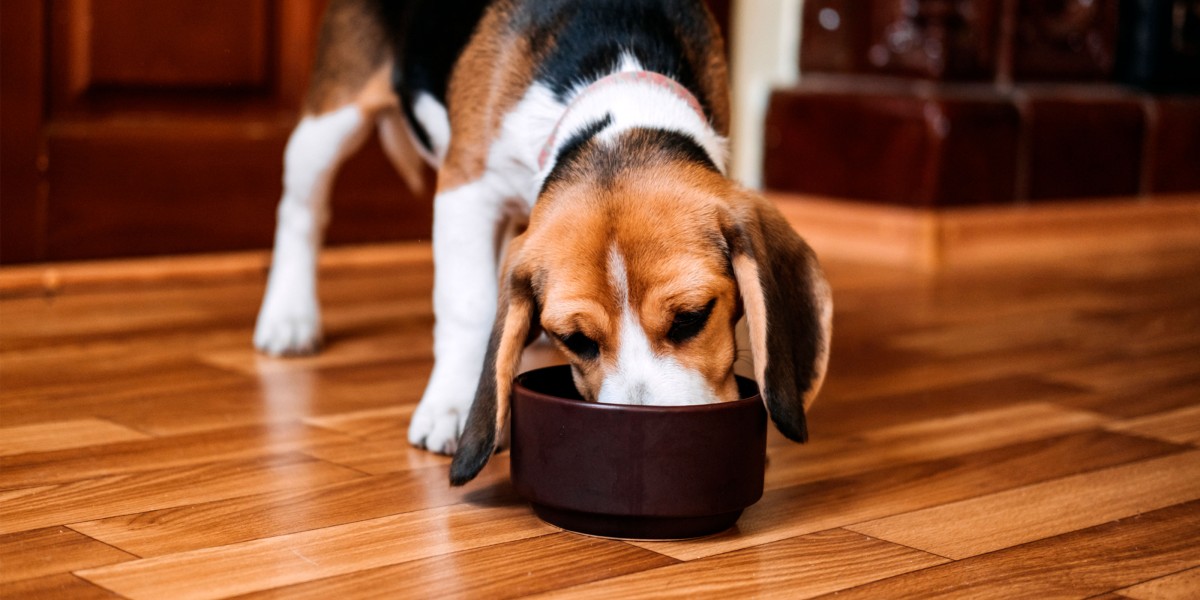
Credit: www.purina.com
Puppy Food Vs Adult Dog Needs
Choosing the right food for your dog is important for their health. Puppy food and adult dog food are made for different needs. Understanding these differences helps keep your dog healthy and happy.
Dogs need different nutrients at different life stages. A puppy’s body grows fast and needs more energy. Adult dogs need food to maintain their health and energy levels without gaining weight.
Nutritional Differences
Puppy food has more vitamins and minerals than adult food. These nutrients support strong bones and a healthy immune system. Adult dog food focuses on balanced nutrition for steady health. Too many nutrients can cause problems for adult dogs.
Calorie And Protein Levels
Puppy food contains higher calories and protein to fuel growth. Adult dogs need fewer calories to prevent weight gain. Excess calories can lead to obesity and health issues. Protein levels are lower in adult dog food but still enough to maintain muscle.
Growth Vs Maintenance Diets
Puppy diets support rapid growth and brain development. They include special ingredients to build strong joints. Adult diets maintain health and energy without promoting extra growth. Feeding adult dogs puppy food can cause digestive upset and weight gain.
Potential Risks Of Feeding Puppy Food To Adults
Feeding puppy food to adult dogs can cause health problems. Puppy food has nutrients designed for growing dogs. Adults have different needs. Giving them the wrong food can lead to risks. These problems may affect your dog’s health and happiness.
Weight Gain And Obesity
Puppy food has more calories than adult food. Adults need fewer calories to stay healthy. Eating too many calories causes weight gain. Extra weight can lead to obesity. Obesity raises the risk of joint pain and heart disease.
Digestive Issues
Puppy food has richer ingredients for growth. Adult dogs may find it hard to digest. This can cause stomach upset and diarrhea. Some adults develop gas or bloating. Digestive discomfort lowers their energy and mood.
Nutrient Imbalances
Puppy food contains higher protein and fat levels. Adults need balanced nutrients for maintenance. Too much protein can strain kidneys. Excess fat may affect the liver. Missing the right vitamins or minerals harms health over time.
When Puppy Food Might Be Beneficial
Puppy food has more calories and nutrients than adult dog food. It supports growth and energy needs in young dogs. But adult dogs may also benefit from puppy food in some cases. It provides extra nutrition that helps with special health needs.
Here are some situations where puppy food might be helpful for adult dogs.
Senior Dogs With Special Needs
Older dogs sometimes lose weight or muscle. Puppy food can provide extra protein and calories. This helps maintain their strength and energy. It supports joint health and overall vitality in seniors.
Dogs Recovering From Illness
After sickness, dogs need more nutrients to heal. Puppy food offers rich vitamins and minerals. It helps speed recovery and rebuild body tissues. The extra energy aids in regaining strength quickly.
Underweight Adult Dogs
Some adult dogs struggle to keep weight on. Puppy food’s high calorie content helps them gain weight. It provides balanced nutrition for a healthy body. Feeding puppy food can improve their condition safely.
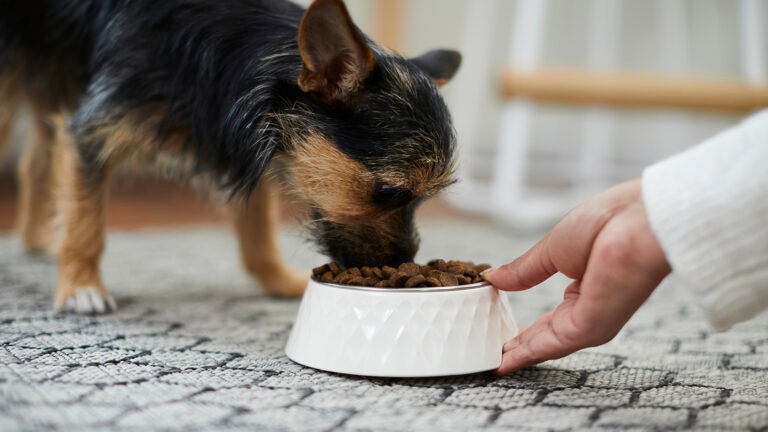
Credit: www.chewy.com
Signs Your Adult Dog Is Reacting Poorly
Adult dogs eating puppy food may show signs of poor reaction. These signs tell you if the food is causing trouble. Watch your dog closely after feeding puppy food. Early detection helps prevent serious health issues.
Digestive Distress
Digestive problems are common signs of poor reaction. Your dog may have diarrhea or loose stools. Vomiting can also occur after eating puppy food. Gas and bloating may make your dog uncomfortable. These symptoms show the food may not suit your dog’s needs.
Behavioral Changes
Your dog’s behavior can change when food causes issues. They may become less active or tired. Some dogs show irritability or restlessness. Loss of appetite is another key sign. These changes suggest the food may affect their well-being.
Physical Symptoms
Physical signs include skin problems or coat changes. Your dog might have itching or redness on the skin. Weight gain or loss can also happen unexpectedly. Weakness or limping could be linked to poor nutrition. These symptoms mean the food might harm your dog’s health.
Choosing The Right Food For Your Dog
Choosing the right food for your dog is important for their health. Adult dogs and puppies have different nutritional needs. Feeding an adult dog puppy food can cause stomach upset or other problems. Selecting the correct food helps keep your dog healthy and happy.
Reading Labels Correctly
Dog food labels show important details about ingredients and nutrients. Look for protein, fat, and fiber amounts. Check if the food meets the standards for your dog’s age. Avoid foods with too many fillers or artificial additives. Clear labels help you pick the best food for your dog.
Consulting Your Veterinarian
Your veterinarian knows your dog’s health history and needs. Ask them about the right food type and brand. They can suggest foods for allergies or special diets. Follow your vet’s advice to avoid feeding mistakes. This keeps your dog safe and well-nourished.
Transitioning Between Foods Safely
Switch dog food gradually over 7 to 10 days. Mix a small amount of new food with the old. Slowly increase new food while decreasing old food. This helps prevent stomach upset or diarrhea. A slow transition allows your dog to adjust comfortably.
Common Myths About Puppy Food And Adult Dogs
Puppy food and adult dog food are not the same. Many people have wrong ideas about feeding adult dogs puppy food. These myths can cause confusion and sometimes harm dogs. Understanding the truth helps keep dogs healthy and happy.
This section clears up some common myths about puppy food and adult dogs. Knowing facts helps you make better choices for your pet’s diet.
Puppy Food Is Always Better
Puppy food has more calories and nutrients for growing dogs. Adult dogs do not need extra calories. Feeding adult dogs puppy food can cause weight gain. Too much rich food may upset their stomach. Puppy food is not always better for adult dogs.
Adult Dogs Can Eat Anything
Adult dogs need balanced nutrition for their age and size. Not all foods are safe or healthy. Some human foods and treats can harm dogs. Feeding adult dogs random foods can cause illness. A proper diet is important for their health.
Switching Diets Has No Consequences
Changing a dog’s food suddenly can cause stomach upset. Diarrhea and vomiting can happen from quick changes. It is best to switch diets slowly over days. This helps the dog adjust without problems. Diet changes should be done carefully and with care.

Credit: www.amazon.com
Frequently Asked Questions
Can Adult Dogs Eat Puppy Food Safely?
Adult dogs can eat puppy food occasionally, but it’s not ideal. Puppy food has higher calories and nutrients, which may cause weight gain and digestive upset in adults if fed long-term.
What Symptoms Show If Adult Dogs Eat Puppy Food?
Symptoms include diarrhea, vomiting, gas, and bloating. Over time, excess calories can lead to obesity and related health problems in adult dogs.
How Long Can An Adult Dog Eat Puppy Food?
Feeding puppy food to adult dogs should be brief, ideally a few days. Extended feeding risks nutritional imbalances and gastrointestinal issues due to higher fat and protein.
Is Puppy Food Nutritionally Different From Adult Dog Food?
Yes, puppy food contains more protein, fat, and calories to support growth. Adult dog food has balanced nutrients to maintain health without excess energy.
Conclusion
Feeding puppy food to adult dogs can cause health issues. Adult dogs need different nutrients than puppies. Too much calcium and fat may upset their stomach. Watch for signs like vomiting or diarrhea. Always choose food made for your dog’s age.
Consult your vet for the best advice. Keeping your dog healthy means feeding the right diet. Small changes can make a big difference. Care for your dog with proper nutrition every day. Your dog will thank you with a happy life.


