Are you tired of sneezing and itchy eyes every time you’re around dogs? You’re not alone.
Many people love dogs but struggle with allergies. The good news? Some dog breeds are hypoallergenic, meaning they’re less likely to trigger your allergies. If you want a furry friend without the constant sniffles, this guide is for you. Keep reading to discover which dog breeds can fit perfectly into your life—and your home—without causing allergy problems.
Your perfect, allergy-friendly companion might be closer than you think.
Credit: www.pethonesty.com
Hypoallergenic Dog Traits
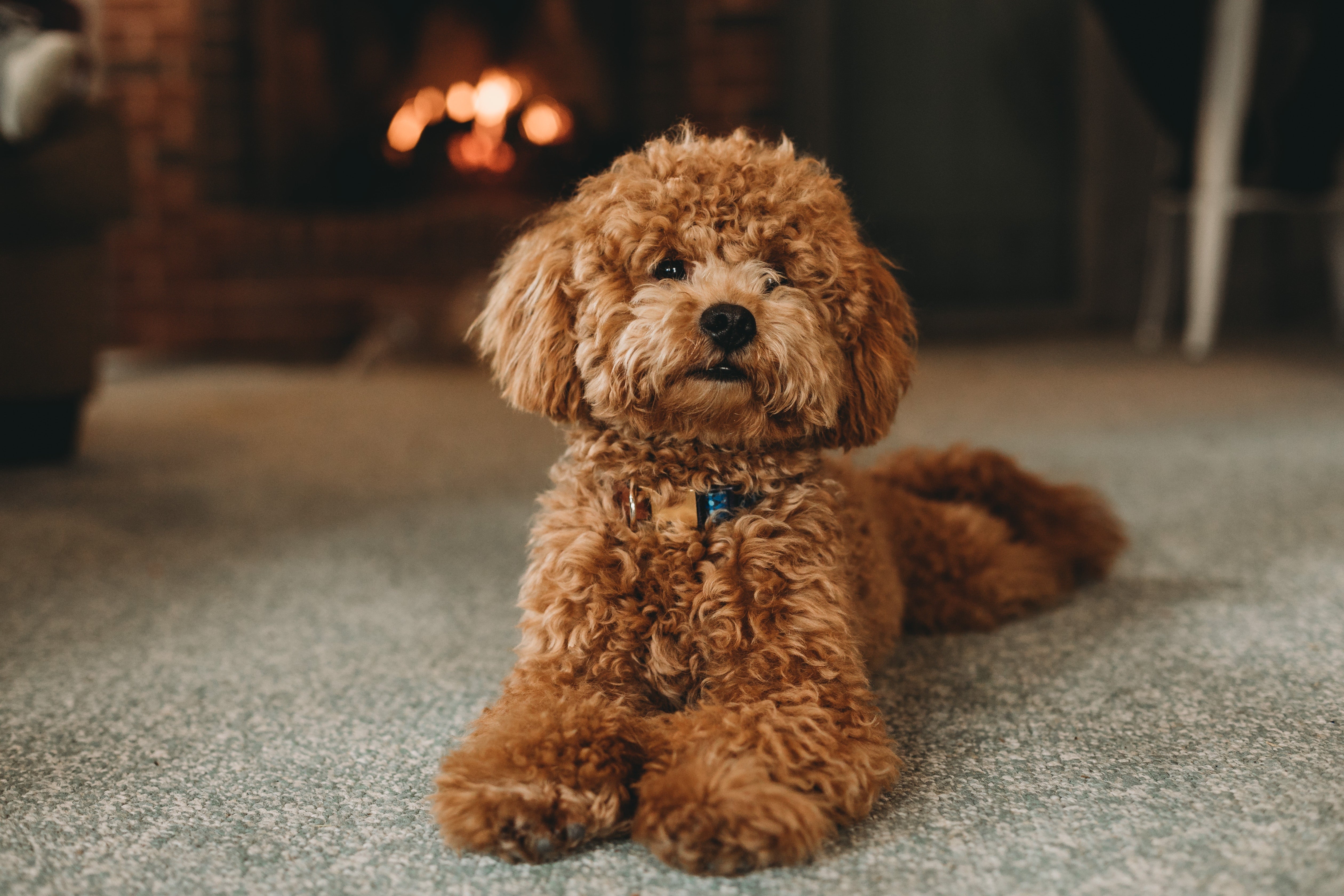
Hypoallergenic dogs have specific traits that make them easier for allergy sufferers. These traits reduce allergens in the home. Understanding these traits helps in choosing the right dog breed.
Low Shedding Coats
Dogs with low shedding coats lose less hair. Less hair means fewer allergens spread in the air. Breeds like Poodles and Bichon Frises shed very little. Their hair grows continuously and falls out less often. This trait helps keep your home cleaner and reduces allergic reactions.
Reduced Dander Production
Dander is tiny skin flakes that cause allergies. Some dogs produce less dander than others. Hypoallergenic breeds have skin that sheds fewer flakes. This lowers the amount of allergens in your space. Less dander means less irritation for sensitive noses.
Coat Maintenance Tips
Regular grooming controls shedding and dander. Brush your dog often to remove loose hair. Bathing helps wash away dander on the skin. Use gentle, hypoallergenic shampoos to avoid skin irritation. Clean bedding and vacuum frequently to reduce allergens further.
Popular Hypoallergenic Breeds
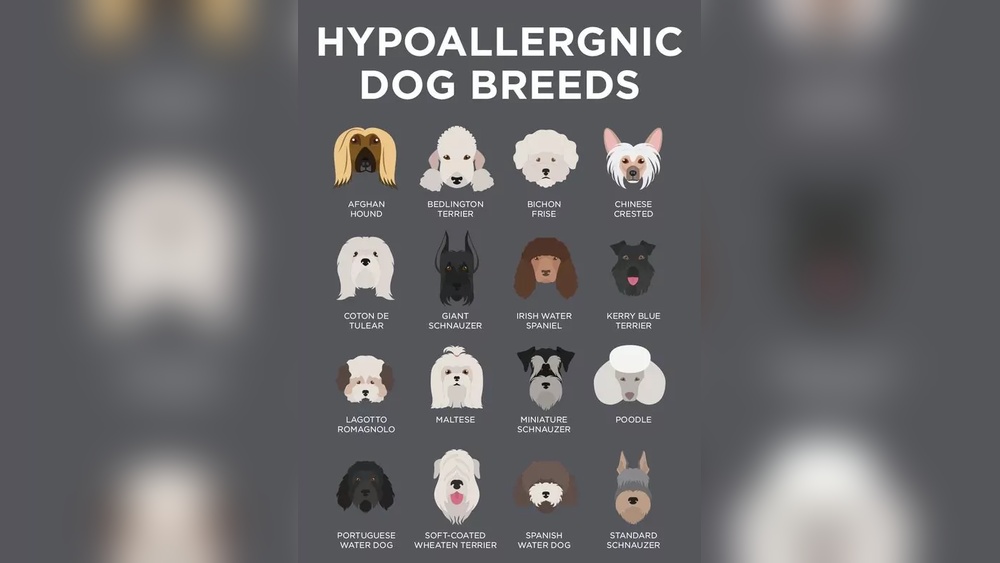
Some dog breeds cause fewer allergy problems. These breeds are called hypoallergenic dogs. They shed less hair and dander. Many people with allergies find them easier to live with. Below are some popular hypoallergenic dog breeds loved by many.
Poodle Varieties
Poodles come in toy, miniature, and standard sizes. Their curly fur traps dander and reduces shedding. Poodles are smart and easy to train. They enjoy active play and social time.
Bichon Frise
The Bichon Frise has a soft, curly coat. It sheds very little, which helps allergy sufferers. These dogs are friendly and playful. They fit well in small homes or apartments.
Maltese
Maltese dogs have long, silky hair that sheds less. They need regular grooming to avoid mats. These dogs are gentle and love to cuddle. They adapt well to quiet living spaces.
Portuguese Water Dog
This breed has curly or wavy fur that sheds little. Portuguese Water Dogs are energetic and love water. They need daily exercise and mental challenges. Their loyal nature makes them great family pets.
Schnauzer Breeds
Schnauzers come as miniature, standard, and giant sizes. Their wiry coat sheds minimally. These dogs are alert and protective. Schnauzers enjoy regular walks and playtime outdoors.
Lesser-known Allergy-friendly Dogs
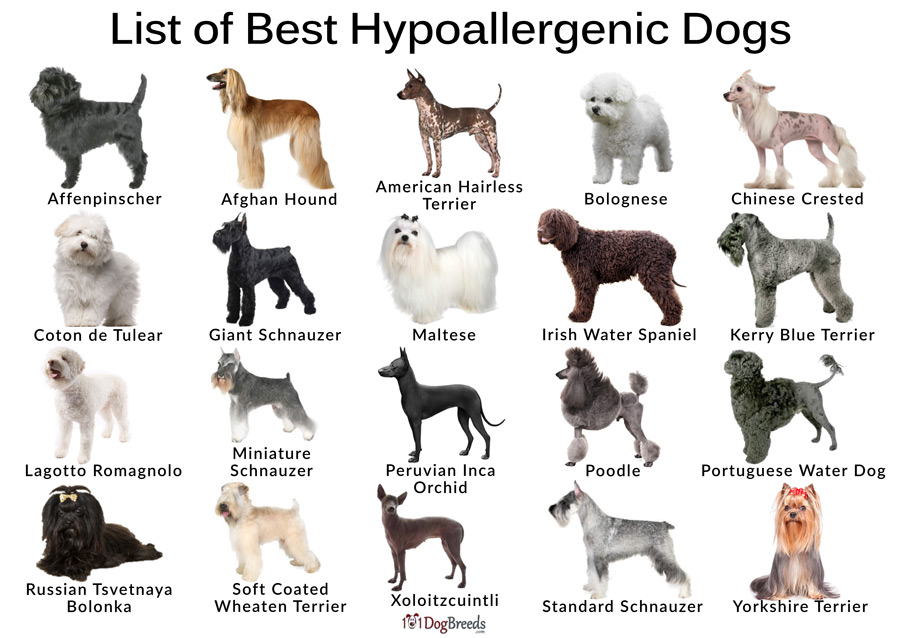
Many people know about popular hypoallergenic dogs like Poodles or Bichon Frises. But some lesser-known breeds also cause fewer allergy problems. These dogs shed less and produce less dander, which helps reduce allergic reactions. They make great pets for people with sensitive noses. Let’s explore three unique breeds that often surprise allergy sufferers.
Basenji
The Basenji is a small to medium dog with a short coat. It sheds very little, which helps keep allergies low. This breed is quiet and almost barkless, so it fits well in calm homes. Basenjis are active and intelligent, needing regular exercise and mental play.
Lagotto Romagnolo
The Lagotto Romagnolo has a curly, woolly coat that traps dander. This reduces allergens in the air. This breed is friendly and loves water. It is also known for its strong sense of smell and is used to find truffles. Lagottos need grooming to prevent mats in their coat.
Kerry Blue Terrier
Kerry Blue Terriers have soft, wavy fur that does not shed much. Their coat requires regular brushing and trimming. These dogs are loyal and protective, making good family pets. They enjoy playtime and stay active with daily walks or games.
Credit: www.shnakhat.com
Choosing The Right Hypoallergenic Dog
Choosing the right hypoallergenic dog is important for a happy life. These dogs shed less and cause fewer allergies. Not all hypoallergenic dogs fit every home or person. Think about your daily life and what dog suits it best. This helps avoid stress for you and your pet.
Lifestyle Compatibility
Consider your daily routine. Some dogs need lots of attention and play. Others prefer quiet time and short walks. Choose a dog that matches how active you are. Busy people may like calm breeds. Active people might enjoy energetic dogs. This match keeps both safe and happy.
Size And Activity Level
Small dogs fit well in apartments or small homes. Larger dogs need space to run and play. Think about your living space before choosing size. Also, check the dog’s energy. Some breeds like to run all day. Others rest more and need less exercise. Pick the right size and energy for your home.
Grooming Needs
Hypoallergenic dogs often need regular grooming. Some need daily brushing to stop mats and tangles. Others require less frequent care but still need baths. Grooming keeps them clean and reduces allergens. Know the grooming time before picking a dog. Choose a breed you can care for easily.
Managing Allergies With Pets
Managing allergies with pets is important for many families. Pets bring joy but can also cause allergy symptoms. Some dogs shed less and produce fewer allergens. Choosing the right breed helps, but managing allergies at home matters too. Simple steps can reduce allergens and make living with pets easier.
Home Cleaning Tips
Clean your home often to reduce pet dander. Vacuum floors and furniture with a HEPA filter vacuum. Wash pet bedding and blankets weekly in hot water. Dust surfaces regularly using a damp cloth. Keep pets out of bedrooms to limit allergens in sleeping areas. Clean pet toys and collars regularly to remove dust and dander.
Air Filtration Options
Use air purifiers with HEPA filters to trap allergens. Place purifiers in rooms where pets spend most time. Change filters regularly to keep them effective. Open windows for fresh air when weather allows. Avoid smoking indoors as it worsens allergy symptoms. Consider a dehumidifier if your home is humid, as moisture encourages allergens.
Personal Allergy Management
Wash hands after touching your pet to remove allergens. Use allergy medications as advised by your doctor. Bathe your dog regularly to reduce dander. Wear a mask during cleaning to avoid inhaling allergens. Avoid touching your face after pet contact. Talk to an allergist for personalized advice and treatments.
Credit: www.woofblankets.com
Frequently Asked Questions
What Makes A Dog Breed Hypoallergenic?
Hypoallergenic dog breeds shed less dander and fur, which reduces allergens. These breeds often have hair instead of fur, minimizing allergic reactions. However, no dog is completely allergen-free. Choosing a hypoallergenic breed helps allergy sufferers enjoy pets with fewer symptoms.
Which Are The Most Popular Hypoallergenic Dog Breeds?
Popular hypoallergenic breeds include Poodles, Bichon Frises, and Maltese. These dogs shed minimally and produce less dander. Other common options are Schnauzers and Portuguese Water Dogs. They are ideal for people with allergies who want friendly, low-shedding pets.
How Do Hypoallergenic Dogs Affect Allergy Sufferers?
Hypoallergenic dogs cause fewer allergic reactions by producing less dander. Their hair type traps allergens better, reducing airborne particles. While symptoms are often milder, some allergy sufferers may still experience mild reactions. Consulting with a doctor before adopting is recommended.
Can Hypoallergenic Dogs Still Shed Fur?
Yes, hypoallergenic dogs can shed, but much less than other breeds. Their hair grows continuously and falls out less frequently. Regular grooming helps control shedding and allergens. This makes them more suitable for allergy-sensitive homes.
Conclusion
Choosing a hypoallergenic dog breed can help reduce allergy problems. These dogs shed less and produce fewer allergens. Breeds like Poodles, Bichon Frises, and Schnauzers are popular choices. Remember, no dog is 100% allergy-free. Spend time with a dog before bringing it home.
This way, you can see how your allergies react. A hypoallergenic dog can still bring joy and love. They make great pets for many families. Consider your lifestyle and needs when picking a breed. Enjoy the company of a furry friend with fewer allergy worries.