Choosing the best food for your small breed dog isn’t always easy. You want to give your furry friend the right nutrients to keep them healthy, happy, and full of energy.
But with so many options out there, how do you know which one is truly the best? This guide will help you understand exactly what your small dog needs in their diet and how to pick the perfect food that fits their size, taste, and health.
Keep reading to discover the secrets to feeding your little companion the way they deserve.
Key Needs Of Small Breed Dogs
Small breed dogs have special needs that differ from larger dogs. Their size affects their diet, health, and energy. Feeding them right helps keep them strong and happy. Understanding these key needs makes it easier to choose the best food.
Nutritional Requirements
Small dogs need food rich in nutrients but in smaller amounts. Protein is important for muscle health and repair. Healthy fats provide energy and support a shiny coat. Vitamins and minerals help the immune system and bone strength. The right balance avoids obesity and keeps their weight steady.
Common Health Concerns
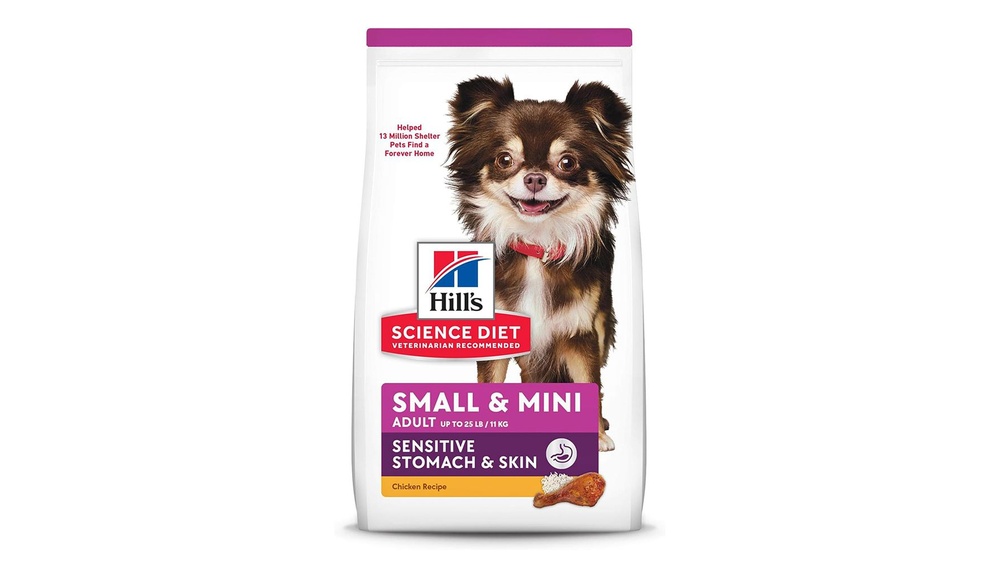
Small breeds often face dental problems because of their tiny mouths. Food that helps clean teeth is useful. They can also have fragile bones and joints. Nutrients like calcium and glucosamine support these areas. Some small dogs have sensitive stomachs, so gentle ingredients work best.
Energy Levels And Metabolism
Small dogs burn calories faster than big dogs. Their metabolism is quick and needs constant fuel. High-quality food with good calories keeps their energy up. Frequent, small meals fit their fast metabolism better than one big meal.
Credit: www.walmart.com
Ingredients To Look For
Choosing the right dog food for small breeds means knowing what ingredients matter most. These tiny dogs need food that supports their fast metabolism and energy needs. Quality ingredients help keep them healthy and active.
High-quality Proteins
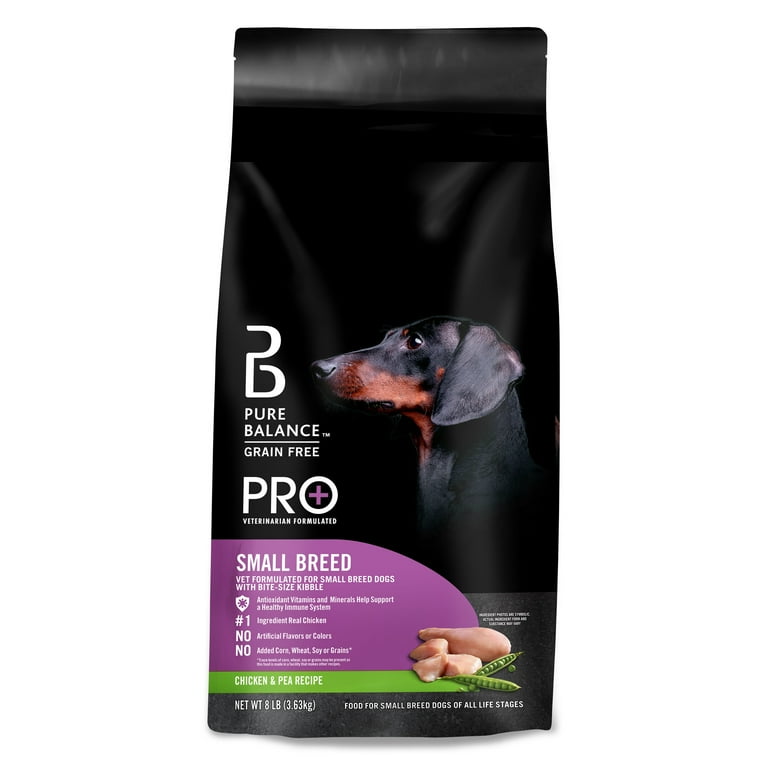
Proteins build strong muscles and support overall health. Look for named meat sources like chicken, beef, or fish. Avoid foods with vague terms like “meat meal” or “by-products.” Real meat provides better nutrients and is easier to digest.
Essential Fats And Oils
Fats give energy and keep the skin shiny. Omega-3 and omega-6 fatty acids are important. Ingredients like fish oil or flaxseed oil supply these healthy fats. They also help with brain function and joint health.
Vitamins And Minerals
Vitamins and minerals support bones, teeth, and the immune system. Look for foods with added vitamins like A, D, and E. Minerals such as calcium and phosphorus are vital too. These nutrients keep small dogs strong and active.
Ingredients To Avoid
Choosing the best food for small breed dogs means paying close attention to ingredients. Some ingredients can harm your dog’s health or cause allergies. Knowing what to avoid helps keep your pet happy and healthy. Here are key ingredients to watch out for in small breed dog food.
Fillers And Artificial Additives
Fillers like corn, wheat, and soy add little nutrition. They bulk up the food but offer no real benefits. Artificial colors, flavors, and preservatives can trigger allergies. These additives may cause digestive issues and skin problems. Choose foods without these unnecessary fillers and additives.
Excessive Grains And Sugars
Too many grains can upset your dog’s stomach. Small breeds often need less grain than larger dogs. Sugars and sweeteners add empty calories and may lead to weight gain. These ingredients can cause energy spikes followed by crashes. Avoid dog foods high in grains and sugars for steady health.
Harmful Preservatives
Preservatives keep food fresh but some are harmful. BHA, BHT, and ethoxyquin are linked to health risks. These chemicals may cause allergies or long-term problems. Look for dog food that uses natural preservatives like vitamin E or rosemary extract. Natural options keep food safe without harming your dog.
Top Small Breed Dog Food Brands
Choosing the right food for small breed dogs is important. Their needs differ from larger dogs. Small breeds need food that supports their fast metabolism and small mouths. Many brands offer special recipes for these tiny companions. Quality ingredients and balanced nutrition help keep them healthy and energetic.
Here are some top small breed dog food brands. These brands focus on small dogs with formulas that suit their unique needs. They offer dry and wet options, plus grain-free choices. Each type supports a healthy diet for small dogs.
Premium Dry Foods
Premium dry foods for small breeds are easy to serve and store. These foods have small kibble sizes that fit little mouths. Brands use high-quality protein, fats, and essential vitamins. They help maintain healthy skin, coat, and teeth. Popular options include Blue Buffalo Life Protection and Wellness CORE Small Breed.
Wet Food Options
Wet food is moist and tasty, perfect for picky eaters. It contains more water, which helps keep dogs hydrated. Brands like Merrick and Nutro offer small breed wet foods. These recipes include real meat and vegetables. Wet food can be served alone or mixed with dry food.
Grain-free Choices
Grain-free foods suit dogs with sensitive stomachs. They replace grains with vegetables and fruits for nutrients. Brands such as Taste of the Wild and Natural Balance provide grain-free options. These foods support digestion and reduce allergies. Always check with a vet before switching to grain-free diets.
Homemade Vs Commercial Food
Choosing the best food for small breed dogs often means deciding between homemade and commercial options. Each choice offers unique benefits and challenges. Understanding these can help you provide the best nutrition for your pet’s health and happiness.
Pros And Cons Of Homemade Meals
Homemade meals allow control over ingredients and freshness. You can avoid fillers and artificial additives. This suits dogs with allergies or special needs. Cooking at home may create stronger bonds with your pet.
Homemade food takes time to prepare and plan. It requires knowledge of balanced nutrition. Missing key nutrients can harm your dog’s health. Consistency may be hard to maintain every day.
Convenience And Nutrition In Commercial Brands
Commercial dog foods are easy to store and serve. They come in many formulas for small breeds. These foods meet nutritional standards set by experts. Many brands include vitamins and minerals for growth.
Some commercial foods contain fillers and preservatives. Not all products suit every dog’s digestion. Reading labels is important to avoid unwanted ingredients. Quality varies widely across brands and price ranges.
Balancing Both Approaches
Mixing homemade meals with commercial food offers flexibility. It can provide variety and balanced nutrition. Use commercial food for busy days or travel. Prepare homemade meals for special treats or dietary needs.
Consult a vet to create a proper feeding plan. Monitor your dog’s health and adjust food as needed. Balance keeps your small breed happy and strong.
:strip_icc()/eukanuba-puppy-small-breed-dry-dog-food-15-lb-4e512251731341ac884e9ba87de4fa43.jpg)
Credit: iruntheglobe.com
Feeding Tips For Small Breeds
Feeding small breed dogs needs special care. Their tiny bodies use energy fast. Proper feeding keeps them healthy and active. Follow these tips to feed your small dog right.
Portion Control
Small dogs need smaller meals. Too much food can cause weight gain. Use a measuring cup for accurate portions. Follow the feeding guide on the dog food package. Adjust portions based on your dog’s activity and age.
Feeding Frequency
Small breeds have fast metabolism. Feeding them more often helps maintain energy. Give two to three small meals a day. Avoid free feeding to control food intake. Regular meals help prevent low blood sugar.
Monitoring Weight And Health
Check your dog’s weight regularly. Watch for changes in appetite or energy. Visit the vet for health check-ups often. Keep an eye on your dog’s coat and teeth. Healthy dogs show bright eyes and shiny fur.
Special Diets For Small Dogs
Small dogs have unique needs in their diet. Their fast metabolism and tiny size require special food. Choosing the right diet helps keep them healthy and happy. Special diets meet these needs carefully. They focus on allergies, weight, and age to support small dogs well.
Allergies And Sensitivities
Some small dogs have food allergies or sensitivities. These can cause itching, upset stomach, or ear infections. Foods with limited ingredients help avoid triggers. Protein sources like fish or duck are gentle options. Grain-free formulas may reduce allergic reactions for some dogs.
Weight Management
Small dogs can gain weight easily. Extra pounds strain their joints and heart. Foods designed for weight control have fewer calories. They include fiber to keep dogs full longer. Balanced fat and protein help maintain muscle while losing fat.
Age-specific Nutrition
Nutrition needs change with age. Puppies need food rich in protein and fat. It supports growth and energy. Adult small dogs require balanced nutrients for maintenance. Senior dogs benefit from softer food and added joint support. Age-specific diets keep dogs strong at every stage.
Credit: www.dogfoodadvisor.com
Frequently Asked Questions
What Ingredients Are Best For Small Breed Dog Food?
Small breed dog food should include high-quality protein, healthy fats, and essential vitamins. Ingredients like chicken, fish, sweet potatoes, and brown rice support energy and digestion. Avoid fillers like corn and soy to ensure optimal nutrition for small dogs.
How Much Food Does A Small Breed Dog Need Daily?
Small breed dogs typically require ¼ to 1 cup of food daily, divided into two meals. The amount varies based on age, weight, and activity level. Always follow the feeding guidelines on the dog food packaging for best results.
Why Is Calorie Content Important In Small Breed Dog Food?
Small breeds have faster metabolisms and need calorie-dense food for energy. Proper calorie content helps maintain healthy weight and supports their active lifestyle. Low-calorie food may cause fatigue, while too many calories lead to obesity.
Are Grain-free Dog Foods Better For Small Breeds?
Grain-free foods can benefit dogs with allergies or sensitivities but aren’t necessary for all small breeds. Consult your vet to determine if a grain-free diet suits your dog’s health needs. Balanced nutrition is more important than simply avoiding grains.
Conclusion
Choosing the best small breed dog food helps keep your pet healthy and happy. Small dogs need food made just for their size and energy. Good nutrition supports their growth and lively spirit every day. Always check ingredients for quality proteins and essential nutrients.
Feeding the right food can prevent health problems later. Remember, every dog is unique and may prefer different tastes. Try a few options to see what your dog enjoys most. Healthy food means a joyful, energetic companion by your side.