

If your dog struggles with colitis, you know how tough it is to find the right food that soothes their sensitive stomach without needing a prescription. You want something safe, gentle, and effective—something that helps your furry friend feel better fast.
Choosing the best non-prescription dog food for colitis can make a huge difference in your dog’s comfort and health. You’ll discover simple, trusted options that support your dog’s digestive system and ease inflammation, so you can help your companion enjoy mealtime again.
Keep reading to find the perfect solution tailored for your dog’s needs.
Symptoms Of Colitis In Dogs
Colitis is a common digestive problem in dogs. It causes inflammation in the colon, leading to discomfort and changes in bowel habits. Recognizing the symptoms early helps in managing the condition effectively. Watch for signs that suggest your dog might have colitis.
Frequent Diarrhea
One clear sign of colitis is frequent diarrhea. The stool may be loose or watery. Sometimes, there is mucus in the stool. This happens because the colon is irritated.
Straining To Defecate
Your dog may strain or push hard during bowel movements. This can look like discomfort or pain. Straining happens because the colon is inflamed and sensitive.
Blood In Stool
Blood often appears in the stool with colitis. It can be bright red or dark. Blood shows the colon lining is damaged or bleeding.
Increased Urgency To Poop
A dog with colitis may need to poop more often. The urgency can come on suddenly. This happens as the colon reacts to irritation.
Lethargy And Loss Of Appetite
Some dogs become tired and eat less. These signs suggest the illness affects their overall health. Appetite loss can make recovery slower.

Credit: www.boosie.co
Causes Of Colitis
Colitis in dogs is an inflammation of the colon. It causes discomfort and digestive problems. Understanding what causes colitis helps in managing the condition better. Causes can be varied and sometimes linked to diet or infections. Identifying the root cause is important for choosing the right dog food.
Dietary Causes
Sudden changes in diet often trigger colitis. Foods that upset a dog’s stomach include fatty or spicy items. Some dogs are sensitive to certain proteins or grains. Poor-quality dog food can also cause inflammation. Feeding a consistent and gentle diet helps reduce flare-ups.
Infections
Bacterial infections are common causes of colitis. Parasites like giardia or worms can also inflame the colon. Viral infections sometimes affect the digestive system. These infections damage the colon lining and cause symptoms. Treating infections is crucial to ease colitis symptoms.
Stress And Anxiety
Stress affects dogs’ gut health too. Anxiety can change bowel movements and cause inflammation. Moving to a new home or loud noises may trigger stress. Managing stress helps improve the dog’s digestive health. Calm environments support better colon function.
Allergies And Immune Reactions
Some dogs develop allergies to food or environmental factors. Allergic reactions cause swelling and irritation in the colon. The immune system attacks the colon lining by mistake. Identifying allergens helps to avoid flare-ups. Hypoallergenic dog food often supports sensitive dogs.
Benefits Of Non Prescription Dog Food
Non prescription dog food offers a gentle way to support dogs with colitis. These foods often contain simple ingredients that are easy to digest. They help soothe the digestive tract and reduce discomfort. Many dog owners prefer these options for ongoing care and diet management.
Choosing non prescription dog food can also avoid unnecessary chemicals and additives. This makes mealtime safer and more natural for sensitive dogs. It supports better digestion and helps maintain regular bowel movements. The right food can improve your dog’s overall well-being without the need for medication.
Improved Digestive Comfort
Non prescription dog foods often include ingredients that calm the gut. They reduce inflammation and prevent irritation. This helps dogs feel less bloated and more comfortable after eating. Gentle formulas support healing and protect the intestines.
Easy Availability And Convenience
These dog foods are easy to find in stores and online. No special prescription is needed, making it simple for owners to buy. This convenience means you can quickly try different diets. It helps find the best match for your dog’s needs.
Cost-effective Choice
Non prescription dog foods usually cost less than prescription diets. They provide a budget-friendly way to manage colitis symptoms. This is helpful for long-term feeding plans. Saving money without sacrificing quality is a big benefit.
Supports Long-term Health
Regular use of non prescription dog food can improve gut health over time. It strengthens the digestive system and boosts nutrient absorption. This leads to better energy and a healthier coat. Feeding the right food daily supports lasting wellness.
Key Ingredients For Soothing Colitis
Colitis causes inflammation in a dog’s gut. This leads to discomfort and digestive issues. Choosing the right dog food can help soothe these symptoms. Certain ingredients calm the digestive tract and support gut health. Understanding these key ingredients helps pick the best non-prescription food for colitis.
Fiber Sources
Fiber helps regulate bowel movements and ease digestion. Soluble fiber absorbs water and forms a gel. This soothes the gut lining and reduces irritation. Common fiber sources include pumpkin, oats, and beet pulp. These fibers support healthy digestion and reduce diarrhea.
Probiotics And Prebiotics
Probiotics add good bacteria to the gut. These bacteria help balance the digestive system. Prebiotics feed these helpful bacteria, promoting growth. Together, they improve gut health and reduce inflammation. Yogurt, chicory root, and inulin provide natural prebiotics and probiotics.
Novel Proteins
Novel proteins are proteins your dog has not eaten before. These proteins lower the chance of food allergies. Common novel proteins include duck, venison, and rabbit. Using novel proteins reduces gut irritation and helps heal colitis.
Omega Fatty Acids
Omega fatty acids reduce inflammation throughout the body. They soothe the digestive tract and support immune health. Fish oil and flaxseed are rich sources of omega-3 and omega-6. Including these fatty acids helps calm colitis symptoms effectively.
Top Non Prescription Dog Foods For Colitis
Finding the right food helps dogs with colitis feel better. Non prescription dog foods offer gentle care without a vet’s special formula. These foods focus on easy digestion and reducing stomach irritation. Choosing the best option supports your dog’s health and comfort daily.
Different types of dog foods suit various needs. Some limit ingredients to avoid triggers. Others avoid grains or add fiber to help digestion. Some foods mimic prescription diets but are easier to buy. Understanding these options guides better choices for your dog.
Limited Ingredient Diets
Limited ingredient diets have fewer ingredients to reduce allergies. This lowers the chance of upsetting your dog’s gut. Common protein sources include turkey, duck, or fish. These diets often skip common allergens like beef or dairy. They help identify what foods your dog tolerates best.
Grain-free Options
Grain-free foods remove wheat, corn, and soy. These grains sometimes cause stomach issues or allergies. Grain-free recipes use potatoes, peas, or lentils instead. They provide energy without irritating the colon. This choice suits dogs sensitive to grains.
High Fiber Formulas
High fiber dog foods add more fiber for better digestion. Fiber supports healthy bowel movements and eases colitis symptoms. Ingredients like pumpkin, beet pulp, and rice bran add fiber naturally. These foods improve stool quality and reduce inflammation. They keep your dog’s digestive system balanced.
Prescription-like Alternatives
Prescription-like alternatives offer similar benefits without a vet’s script. These foods use gentle proteins and easy-to-digest carbs. They include added vitamins and minerals for gut health. These options provide relief for mild to moderate colitis. They are accessible and practical for many dog owners.
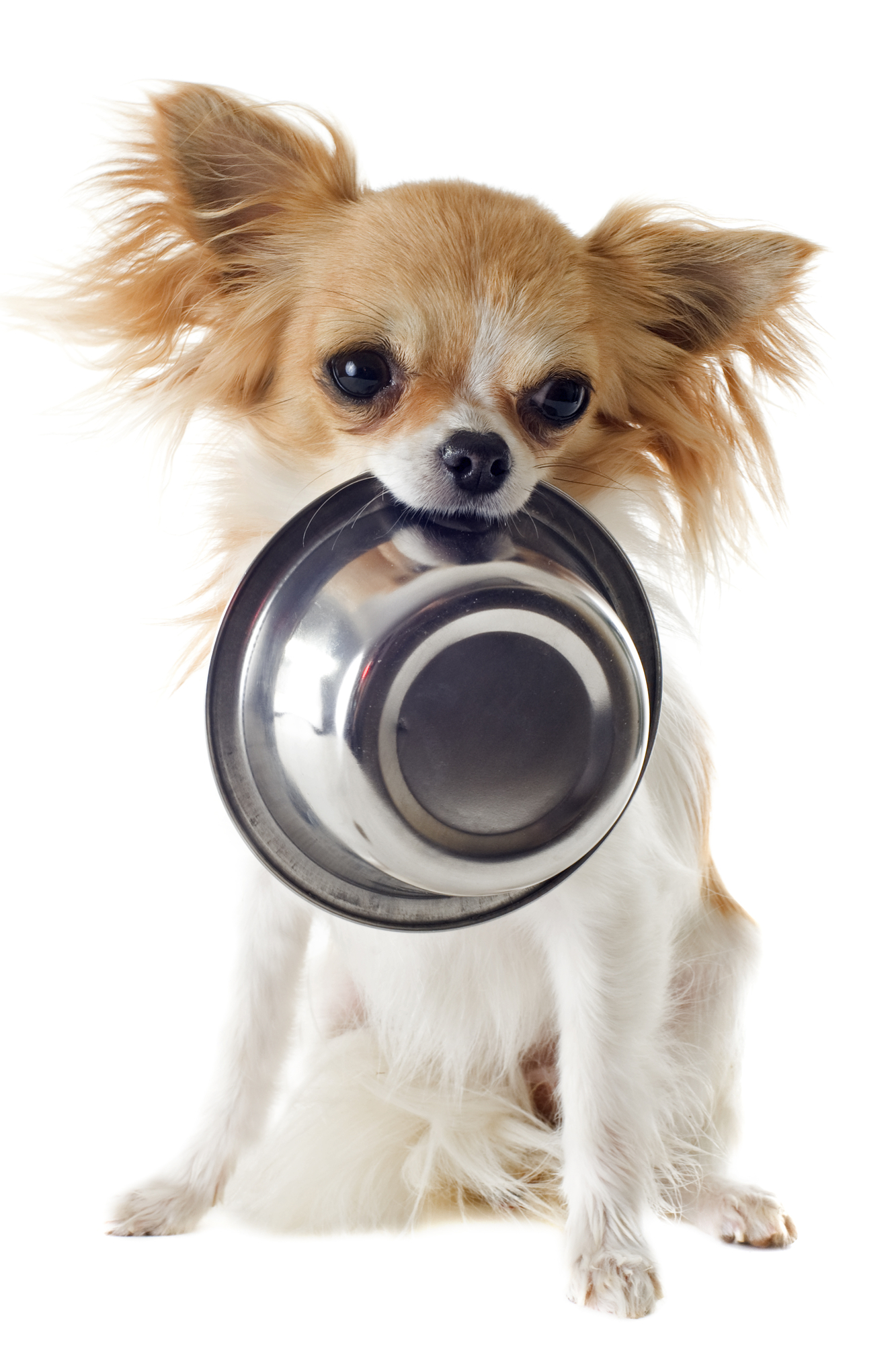
Credit: greentortoise.com
Feeding Tips For Dogs With Colitis
Feeding a dog with colitis requires care and attention. The right feeding habits can ease symptoms and support recovery. Dogs with colitis need gentle, steady nutrition to avoid stomach upset.
Changing feeding routines helps manage inflammation and aids digestion. Here are important feeding tips to follow for dogs with colitis.
Portion Control
Small portions reduce stress on your dog’s digestive system. Large meals can cause bloating and worsen colitis symptoms. Feed measured amounts to prevent overeating. This helps keep stool consistency more stable.
Meal Frequency
More frequent meals work better than fewer large ones. Feed your dog three to four small meals daily. This keeps digestion smooth and steady. Regular feeding times create a routine that supports gut health.
Introducing New Foods
New foods must be added slowly. Sudden changes can upset sensitive stomachs. Introduce one food at a time over several days. Watch for any signs of discomfort or diarrhea. This method helps identify any food triggers easily.
When To Consult A Veterinarian
Signs like persistent diarrhea, vomiting, or weight loss need a vet’s attention quickly. Sudden behavior changes or blood in stool also call for professional care. Early advice helps manage colitis and choose the best dog food.
Signs That Need Immediate Veterinary Attention
Colitis can cause serious discomfort for your dog. Watch for severe diarrhea lasting more than two days. Blood in the stool is a red flag. Sudden weight loss and vomiting also need quick action. Your dog may become weak or dehydrated. These signs mean it’s time to see a veterinarian.
When Diet Changes Don’t Help
Non-prescription dog foods can ease mild colitis symptoms. If symptoms stay the same or get worse after diet changes, consult a vet. Persistent diarrhea or tummy pain signals that a vet’s advice is necessary. A professional can suggest tests or treatments beyond diet.
Understanding Your Dog’s Overall Health
Colitis sometimes hides other health problems. A vet can check for infections or allergies causing symptoms. Dogs with other illnesses may need special care. Early veterinary consultation helps find the root cause and prevent complications.

Credit: www.avel.cz
Frequently Asked Questions
What Is The Best Non Prescription Dog Food For Colitis?
The best non prescription dog food for colitis is usually limited-ingredient, easily digestible, and low in fat. Look for formulas with novel proteins and added fiber to support gut health. Always choose high-quality brands known for gentle nutrition to ease colitis symptoms.
Can Non Prescription Dog Food Help Manage Colitis Symptoms?
Yes, non prescription dog food can help manage colitis by reducing digestive irritation. These foods often contain prebiotics and probiotics to balance gut flora, easing inflammation and improving stool quality. Consult your vet to select a suitable formula for your dog’s condition.
What Ingredients Should I Avoid In Colitis Dog Food?
Avoid foods with artificial preservatives, fillers, and common allergens like corn, wheat, and soy. High-fat or spicy ingredients can worsen colitis symptoms. Focus on natural, limited-ingredient dog foods with simple protein sources and added fiber for better digestion.
How Soon Can I See Improvements With Colitis Dog Food?
Improvements can appear within 1 to 2 weeks of switching to appropriate colitis dog food. Consistent feeding of gentle, digestible formulas helps reduce inflammation and normalize bowel movements. Monitor your dog’s response closely and consult your vet for ongoing care.
Conclusion
Choosing the right non prescription dog food helps manage colitis well. Gentle ingredients support your dog’s digestion and comfort. Consistency in diet can reduce flare-ups and improve health. Always watch your dog’s reaction to new food closely. Consult your vet for guidance tailored to your pet.
A happy dog starts with proper care and feeding. Keep your dog’s needs in mind for lasting wellness. Simple steps make a big difference in managing colitis.


