

If you love dogs, you want the best for your furry friend. But did you know some dog breeds face more health problems than others?
Knowing which dogs are more prone to illness can help you make smarter choices for your pet’s well-being. You’ll discover which dogs have the most health issues and what that means for you as a dog owner. Keep reading to protect your dog’s health and happiness.

Credit: www.goodhousekeeping.com
Common Health Issues In Dogs
Dogs can face many health problems during their lives. Some health issues are common across all breeds. Others happen more in certain breeds. Knowing common health problems helps owners care for their pets better.
Health problems may start early or develop with age. Some issues come from genetics. Others come from lifestyle or environment. This section explains common health issues in dogs.
Genetic Disorders
Some dogs inherit diseases from their parents. These are genetic disorders. They include problems like hip dysplasia, heart defects, and eye diseases. Breeds with small gene pools have higher risks. Early testing can spot many genetic problems.
Chronic Conditions
Chronic conditions last a long time or come back often. Arthritis is common in older dogs. Diabetes and allergies also affect many dogs. These conditions need ongoing care and medicine. Regular vet visits help manage symptoms well.
Breed-specific Problems
Each breed can have unique health problems. Large breeds often face joint issues. Small breeds may have dental problems. Brachycephalic breeds, like pugs, struggle with breathing. Knowing breed risks guides better health checks and care.

Credit: beyondpets.com
Breeds With High Health Risks
Some dog breeds face more health problems than others. These breeds often have genetic traits that cause issues. Understanding these risks helps owners give better care. Here are some common breeds with high health risks.
Bulldogs And Respiratory Problems
Bulldogs often struggle to breathe well. Their short noses and flat faces block airways. This causes noisy breathing and snoring. It can lead to serious breathing issues. Bulldogs need calm exercise and cool environments.
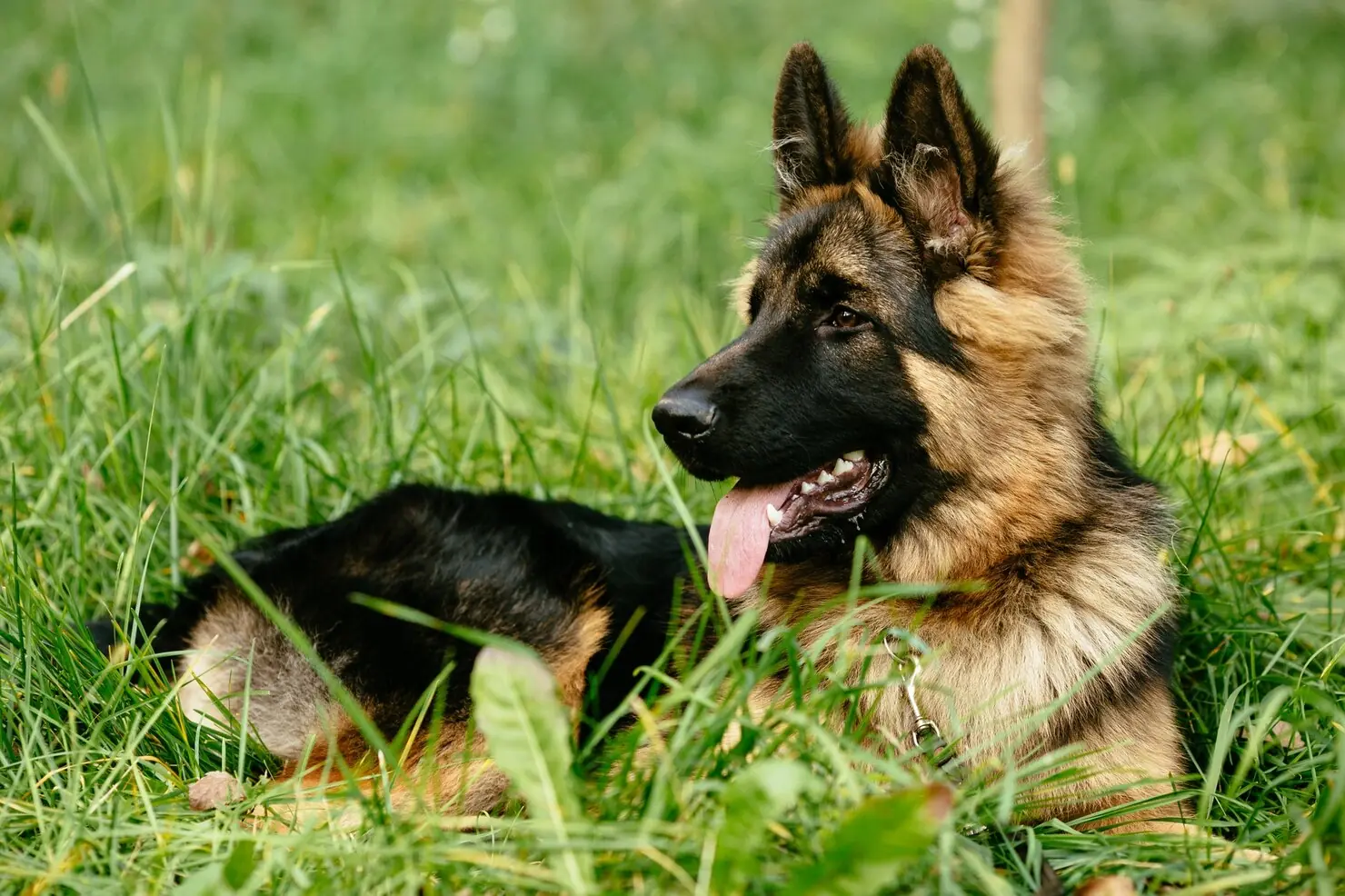
German Shepherds And Hip Dysplasia
German Shepherds often suffer from hip dysplasia. This means their hip joints don’t fit right. It causes pain and trouble walking. Large, active dogs like this need healthy joints. Proper diet and exercise help reduce risks.
Boxers And Heart Conditions
Boxers are prone to heart diseases. They may develop heart muscle problems or irregular beats. Early signs include coughing and tiring easily. Regular vet check-ups can catch issues early. Healthy lifestyle supports their heart health.
Dachshunds And Spinal Issues
Dachshunds often have spinal problems due to their long backs. They can get slipped discs or nerve damage. Jumping or rough play can worsen this. Owners should prevent high-impact activities. Gentle handling protects their spine.
Factors Increasing Health Risks
Many dogs face health challenges that affect their quality of life. Certain factors increase these health risks. Understanding these factors helps owners keep their pets healthier. Some causes come from inside the dog, others from outside.
Genetics And Breeding Practices
Genes play a big role in a dog’s health. Some breeds inherit diseases from their parents. Breeding for looks can cause weak bones or breathing problems. Inbreeding raises the chance of genetic disorders. Responsible breeders test for health issues before mating dogs. Poor breeding leads to many health problems in certain breeds.
Environmental Influences
A dog’s surroundings affect its health greatly. Dirty or unsafe places can cause infections or injuries. Exposure to chemicals or pollution harms their body. Stress from loud noises or lack of social contact lowers immunity. Proper shelter and a clean home reduce risks. Dogs in bad environments often get sick more easily.
Diet And Exercise
What a dog eats impacts its health a lot. Poor diets cause obesity, weak bones, and poor energy. Too little or too much food both cause problems. Regular exercise keeps muscles strong and controls weight. Lack of movement leads to joint and heart issues. Balanced meals and daily walks help prevent many health risks.
Signs Of Health Problems To Watch
Dogs cannot tell us when they feel unwell. Owners must watch for signs of health problems. Early detection helps treat issues faster. Knowing what to look for can save your dog’s life. Here are key signs to watch closely.
Changes In Behavior
Dogs may act differently if they feel sick. They might become less active or hide more. Look for sudden mood changes like irritability or confusion. Loss of interest in play or eating is a warning sign. Pay attention if your dog seems tired all the time.
Physical Symptoms
Physical changes often show health problems. Check for unusual lumps, bumps, or swelling. Notice any limping or trouble moving. Watch for coughing, sneezing, or difficulty breathing. Changes in skin, coat, or eyes can also signal illness. Keep an eye on your dog’s weight and appetite.
Regular Vet Checkups
Routine vet visits catch problems early. Vets can find signs you might miss. Regular exams help keep your dog healthy longer. Vaccines and tests prevent common diseases. Follow your vet’s advice on diet and exercise. Consistent checkups support your dog’s well-being every year.
Preventive Measures And Care
Preventive measures and care play a key role in keeping dogs healthy. Many breeds face common health problems. Taking simple steps helps reduce risks. A well-planned routine supports a dog’s well-being. Focus on proper nutrition, exercise, and health checks. These three areas build a strong foundation for a healthy life.
Proper Nutrition
Good food fuels a dog’s body and mind. Balanced meals provide essential vitamins and minerals. Avoid overfeeding to prevent obesity and related diseases. Choose high-quality dog food suited for your pet’s age and breed. Fresh water must be available all day. Healthy eating improves immunity and energy levels.
Regular Exercise
Exercise keeps muscles strong and joints flexible. Daily walks, playtime, and activities reduce stress. Tailor exercise to your dog’s breed and health condition. Active dogs maintain a healthy weight and heart function. Avoid strenuous activities for older or sick dogs. Consistent movement boosts overall health and mood.
Routine Health Screenings
Regular vet visits catch health issues early. Screenings include vaccinations, dental checks, and blood tests. Early detection prevents serious problems from developing. Keep a schedule for exams and vaccinations. Monitor your dog’s behavior and appetite. Prompt attention saves lives and lowers treatment costs.
Choosing A Healthy Dog Breed
Choosing a healthy dog breed is important for a happy pet and family. Some breeds have more health problems than others. Picking the right breed can reduce vet visits and heartache. It means more years of fun and love with your dog.
Learn about breeds before making a choice. Understand what health issues they might face. This helps you prepare and care for your new friend better. Healthy dogs often live longer and enjoy life more.
Researching Breed Traits
Start by studying the traits of different dog breeds. Look for breeds known for good health and strong bodies. Some breeds have risks for certain diseases. Knowing this helps you avoid unexpected health costs.
Check breed guides and veterinary advice. Read about common health problems in each breed. Pay attention to lifespan and activity levels. Choose a breed that fits your lifestyle and care abilities.
Adopting From Responsible Sources
Find a responsible breeder or shelter when adopting. Good breeders screen their dogs for health issues. They provide health certificates and clear histories. This reduces the chance of inherited diseases.
Adopt from shelters that care for animals well. They often check the dog’s health before adoption. Ask questions about the dog’s medical history. Responsible sources help you get a healthy pet.
Considering Mixed Breeds
Mixed breed dogs often have fewer health problems. They get a mix of genes, which can lower risks. Many mixed dogs live long, healthy lives. They can be great companions and easier to care for.
Think about adopting a mixed breed for better health chances. They come in many sizes and temperaments. You might find the perfect dog without breed-specific health issues.
Credit: beyondpets.com
Frequently Asked Questions
Which Dog Breeds Have The Most Health Problems?
Breeds like Bulldogs, Dachshunds, and German Shepherds often face more health issues. These include joint problems, respiratory issues, and genetic disorders. Regular vet check-ups are crucial for early detection and management.
Why Do Some Dog Breeds Have More Health Issues?
Selective breeding for appearance often reduces genetic diversity. This increases inherited diseases and health problems in certain breeds. Responsible breeding practices help minimize these risks and promote healthier dogs.
How Can I Prevent Health Problems In My Dog?
Provide a balanced diet, regular exercise, and routine vet visits. Early vaccinations and parasite control also protect your dog. Choosing a reputable breeder reduces the risk of inherited health issues.
Are Mixed Breed Dogs Healthier Than Purebreds?
Mixed breeds often have greater genetic diversity. This can lower the risk of inherited diseases. However, all dogs can develop health issues regardless of breed, so proper care is essential.
Conclusion
Certain dog breeds face more health challenges than others. Knowing these breeds helps owners prepare better care. Regular vet visits can catch problems early. Good diet and exercise support a dog’s health. Choosing a healthy breed can reduce future worries.
Love and attention also play a big role. Every dog deserves a happy, healthy life. Stay informed to keep your pet safe and well. Caring for a dog means understanding its needs fully.


