

Does your dog get restless, drool excessively, or even vomit every time you take a car ride? Watching your furry friend struggle with car sickness can be heartbreaking—and it often makes trips stressful for both of you.
But what if you could make those rides calm, comfortable, and even enjoyable? You’ll discover simple, effective ways to help your dog overcome car sickness. Keep reading, because a happier journey for your pet is just a few steps away.
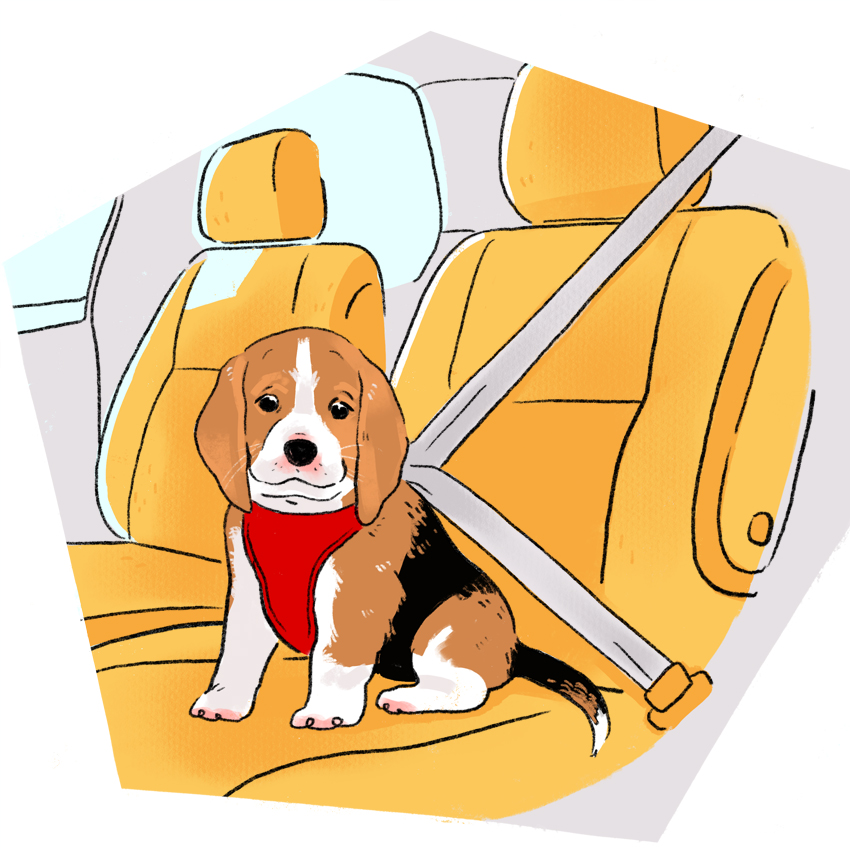
Credit: littlethings.com
Causes Of Car Sickness In Dogs
Car sickness is common in dogs during travel. It can make trips stressful for pets and owners. Understanding the causes helps in managing and reducing symptoms. Different factors can lead to car sickness in dogs.
Motion Sensitivity
Dogs sense motion through their inner ear. Rapid or jerky movements confuse this sense. Their brain gets mixed signals from eyes and inner ear. This mismatch causes nausea and discomfort. Some dogs are naturally more sensitive than others.
Anxiety And Stress
Travel can trigger fear in dogs. Strange sounds and sights add to their stress. Anxiety worsens feelings of nausea and dizziness. Nervous dogs often show restlessness or drooling. Stress makes car sickness symptoms stronger.
Previous Negative Experiences
Past bad trips affect a dog’s behavior. If a dog vomited before, it may fear cars. This fear can cause more sickness during travel. Negative memories build a cycle of anxiety and nausea. Breaking this cycle is key to improvement.
Recognizing Symptoms
Knowing the signs of car sickness in dogs helps you act fast. Dogs cannot tell you how they feel. You must watch their behavior and body closely. Early recognition can make travel easier for your dog. It also prevents stress for both of you.
Behavioral Signs
Dogs with car sickness often behave differently. They may seem restless or anxious. Some dogs try to hide or avoid the car. Others may whine or bark more than usual. You might notice pacing inside the vehicle. Loss of interest in treats or toys also stands out. These signs show your dog feels uneasy.
Physical Symptoms
Physical signs of car sickness are clear to see. Drooling is a common symptom in many dogs. You might spot yawning or licking lips often. Some dogs vomit or retch during the ride. Shaking or trembling is another sign to watch. Pale gums or heavy panting can also appear. These symptoms show your dog feels sick inside.
Preparing Your Dog For The Ride
Preparing your dog for the ride helps reduce car sickness. Dogs get anxious or scared during trips. Getting them ready makes travel easier. Start by slowly introducing your dog to car rides. Create a calm and safe space for travel. Keep fresh air moving inside the car. These steps help your dog feel better and enjoy the ride more.
Short Practice Trips
Begin with short car rides around the block. Let your dog get used to the car’s movement. Keep these trips calm and positive. Offer treats or praise after the ride. Gradually increase the trip length over time. This helps your dog adjust without feeling sick.
Comfortable Travel Space
Make a cozy spot for your dog in the car. Use a soft blanket or pet bed. Secure your dog with a harness or crate. This keeps them safe and still during the drive. Familiar items like toys help reduce stress. A calm space can lower the chance of sickness.
Proper Ventilation
Keep air flowing inside the car. Open windows slightly or use air conditioning. Fresh air helps reduce nausea and dizziness. Avoid strong smells that may upset your dog. Good ventilation keeps the car cool and comfortable. It helps your dog breathe easy and feel better.

Credit: www.amazon.com
Diet And Hydration Tips
Managing your dog’s diet and hydration can reduce car sickness. Proper feeding and water intake help keep your dog comfortable during trips. Small changes in meals and water timing can make a big difference.
Feeding Schedule
Feed your dog a light meal at least two hours before travel. Avoid heavy or rich foods before the ride. A full stomach may cause nausea or vomiting. Smaller, frequent meals are better than one large meal. This prevents discomfort and keeps energy steady.
Hydration Management
Offer water in small amounts before and during the trip. Avoid giving too much water all at once. Dehydration can worsen car sickness, but too much water can cause discomfort. Use a spill-proof bowl to prevent messes. Keep water accessible but controlled for the best results.
Calming Techniques During Travel
Travel can be stressful for dogs with car sickness. Using calming techniques helps reduce their anxiety and discomfort. These methods create a peaceful environment inside the car. A calm dog is less likely to feel sick during trips.
Soothing Music
Soft music can help relax your dog’s mind. Choose gentle tunes with slow rhythms. This lowers stress and makes the ride smoother. Play music at a low volume to avoid startling your pet. Many dogs respond well to classical or nature sounds.
Comfort Items
Bring your dog’s favorite blanket or toy. Familiar smells provide comfort and reduce fear. Place these items where your dog can easily reach them. A cozy spot helps your dog feel safe. Comfort items create a sense of home on the road.
Natural Remedies
Some natural remedies ease nausea and calm nerves. Ginger and chamomile are gentle options for dogs. Use these in treats or as supplements after checking with a vet. Aromatherapy with lavender oil may also help. Always use natural products safely and in small amounts.
Training Strategies To Reduce Sickness
Training helps dogs feel calm and safe during car rides. It reduces anxiety and sickness. Small, steady steps make a big difference. Dogs learn to enjoy the car instead of fearing it. Patience and consistency are key to success.
Desensitization Methods
Start by sitting with your dog in a parked car. Let them explore without moving. Give treats and praise to create good memories. Gradually turn on the engine for short times. Next, take very short drives around the block. Increase ride time slowly over days or weeks. This helps your dog get used to car motion. Avoid rushing the process to prevent stress.
Positive Reinforcement
Use treats and gentle words to reward calm behavior. Praise your dog when they stay relaxed in the car. Bring a favorite toy or blanket for comfort. Reward your dog after every successful ride. This makes car travel a happy experience. Avoid punishment, as it raises anxiety. Positive reinforcement builds trust and reduces sickness symptoms.
When To Consult A Veterinarian
Car sickness can be tough for dogs and their owners. Sometimes, home care is not enough. Knowing when to see a vet is important. A professional can help find the best solution for your dog’s comfort and health.
Medication Options
Vets can prescribe medicine to ease car sickness. These drugs reduce nausea and help your dog stay calm. Some medicines work best if given before travel. Always follow the vet’s instructions carefully to keep your dog safe.
Health Checkups
Regular vet visits check your dog’s overall health. Car sickness might be linked to other medical issues. A health checkup can find hidden problems that cause nausea. Early detection leads to better care and fewer trips with discomfort.
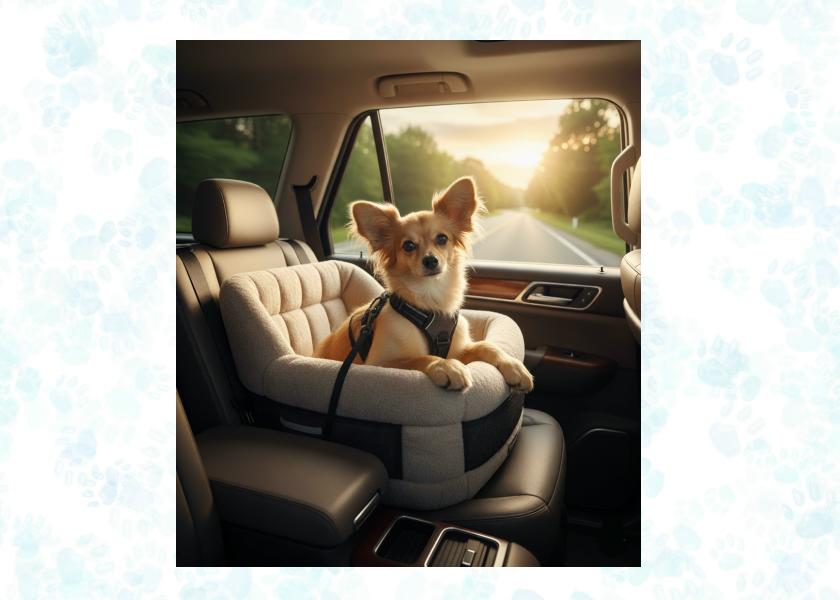
Credit: petsmartify.com
Frequently Asked Questions
What Causes Car Sickness In Dogs?
Car sickness in dogs is caused by motion affecting their inner ear. Anxiety and stress can also worsen symptoms like drooling, vomiting, and restlessness during car rides.
How Can I Prevent My Dog’s Car Sickness?
To prevent car sickness, feed your dog a light meal before travel. Use calming techniques, take short rides, and ensure proper ventilation in the car.
Are There Natural Remedies For Dog Car Sickness?
Yes, natural remedies like ginger, peppermint, and chamomile can help soothe your dog’s stomach. Always consult your vet before trying any new treatment.
When Should I See A Vet For Car Sickness?
Visit a vet if your dog vomits frequently, loses appetite, or shows extreme anxiety during car rides. Persistent symptoms may require medical treatment.
Conclusion
Helping dogs with car sickness takes patience and care. Try short trips first to build comfort. Keep the car cool and quiet for them. Use treats and praise to create positive feelings. Talk to your vet about safe medicines if needed.
Remember, every dog is different and needs time. Small steps lead to happier car rides. Your dog will thank you with calm and joy. Keep trying and stay patient throughout the process. Safe travels and happy pets make great memories.


