

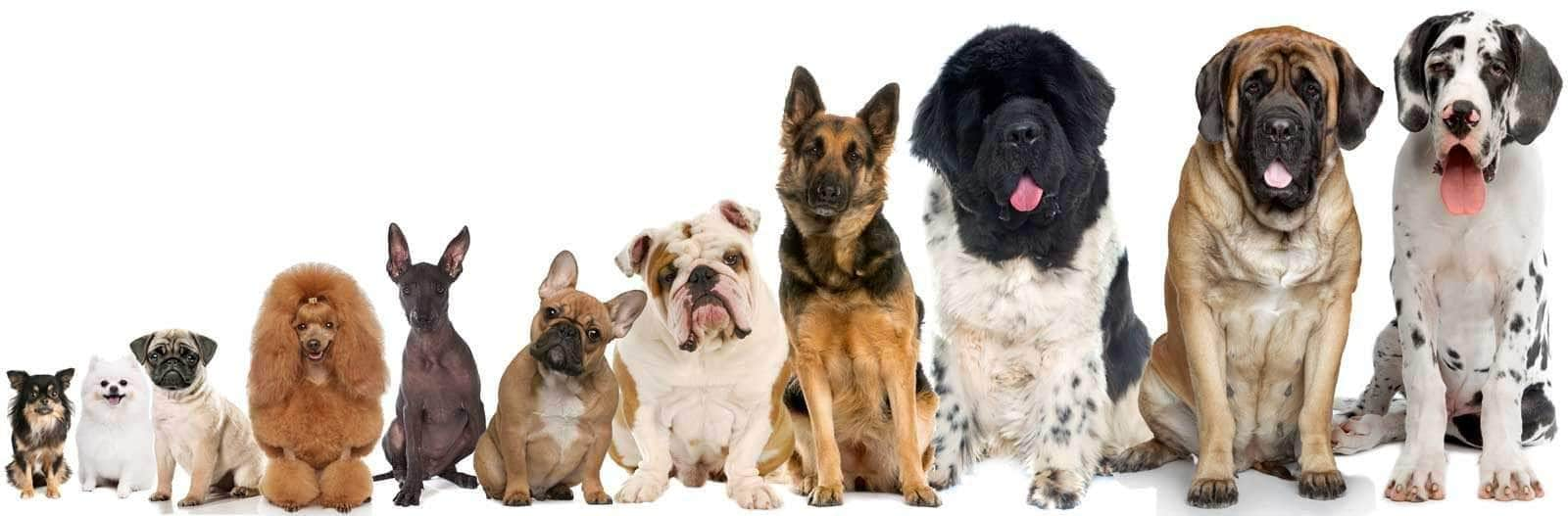
Have you ever wondered why there are so many different dog breeds? From tiny Chihuahuas to massive Great Danes, the variety can be surprising.
You might think it’s just about looks, but there’s a deeper story behind how all these breeds came to be. Understanding this can change the way you see dogs and even help you find the perfect companion for your lifestyle.
Keep reading to discover the fascinating reasons behind the incredible diversity in dog breeds—and why it matters to you.
Credit: theblissfuldog.com
Origins Of Dog Breeds
Dog breeds have a long history that explains their great variety today. Each breed started with different needs and environments. Humans helped shape these breeds by choosing traits they liked. This process took thousands of years and created many unique dogs.
Understanding where dog breeds come from helps us see why they look and act so differently. It all began with early domestication and the wild ancestors of dogs.
Early Domestication
Dogs were the first animals humans tamed. This happened over 15,000 years ago. Wolves that were less afraid of people stayed near human camps. They helped by hunting and guarding. Humans gave them food and safety in return.
Over time, these early dogs changed. People picked dogs that had useful skills or gentle behavior. This created the first types of dogs, each with special traits. These early choices laid the foundation for many breeds.
Wild Ancestors
The wild ancestor of all dogs is the gray wolf. Wolves lived in many places and had different features. When humans started taming some wolves, those dogs began to look and act differently.
As humans moved to new areas, dogs adapted too. Some became good at hunting, others at herding or guarding. This led to the development of many breeds. Each breed kept some traits from its wild ancestor but also changed to fit human needs.
Role Of Selective Breeding
Selective breeding shaped the many dog breeds we see today. Humans chose dogs with certain traits to mate. This process took hundreds of years. It helped develop dogs for specific jobs and looks.
Breeders focused on traits like size, color, and behavior. These choices created breeds that fit different needs. From hunting to guarding, dogs were bred for their skills.
Purposeful Traits
Breeders picked traits that helped dogs do certain tasks. For example, strong legs for running or a keen nose for tracking. Some dogs were bred to be gentle and good with kids. Others needed to be tough and protective.
These purposeful traits made each breed unique. Traits passed down through generations became more clear and strong. This is why dog breeds have such wide variety.
Human Influence
Humans played a big role in creating dog breeds. They decided which dogs would mate based on looks and skills. This control helped keep traits steady over time.
Human needs and culture influenced dog breeds too. Different places needed dogs for herding, hunting, or companionship. This led to many breeds suited to specific environments and roles.
Geographic Impact
Geography played a big role in creating the many dog breeds we see today. Different lands have different needs for dogs. These needs shaped the dogs over many years. Dogs changed to fit the climate, work, and lifestyle of each region. This made unique breeds appear in different parts of the world.
Isolation of dog groups in certain areas helped this process. With little mixing of dogs from other places, traits became stronger. These traits helped dogs survive and work better in their home regions. This is how geography shaped the rich variety of dog breeds.
Regional Variations
Different regions have their own dog breeds. For example, cold places needed dogs with thick fur. These dogs could stay warm and work in snow. Hot regions needed dogs with thin coats to stay cool. Each area shaped dogs to fit its climate and needs. This created clear differences between dog breeds worldwide.
Isolation And Adaptation
Groups of dogs stayed isolated in certain places for many years. This stopped dogs from mixing with others. Isolated dogs adapted to local food, weather, and tasks. This made strong, unique breeds. Over time, these breeds became very different from dogs elsewhere. Isolation helped breeds keep their special traits.
Credit: foreverhusky.org
Breed Classification Systems
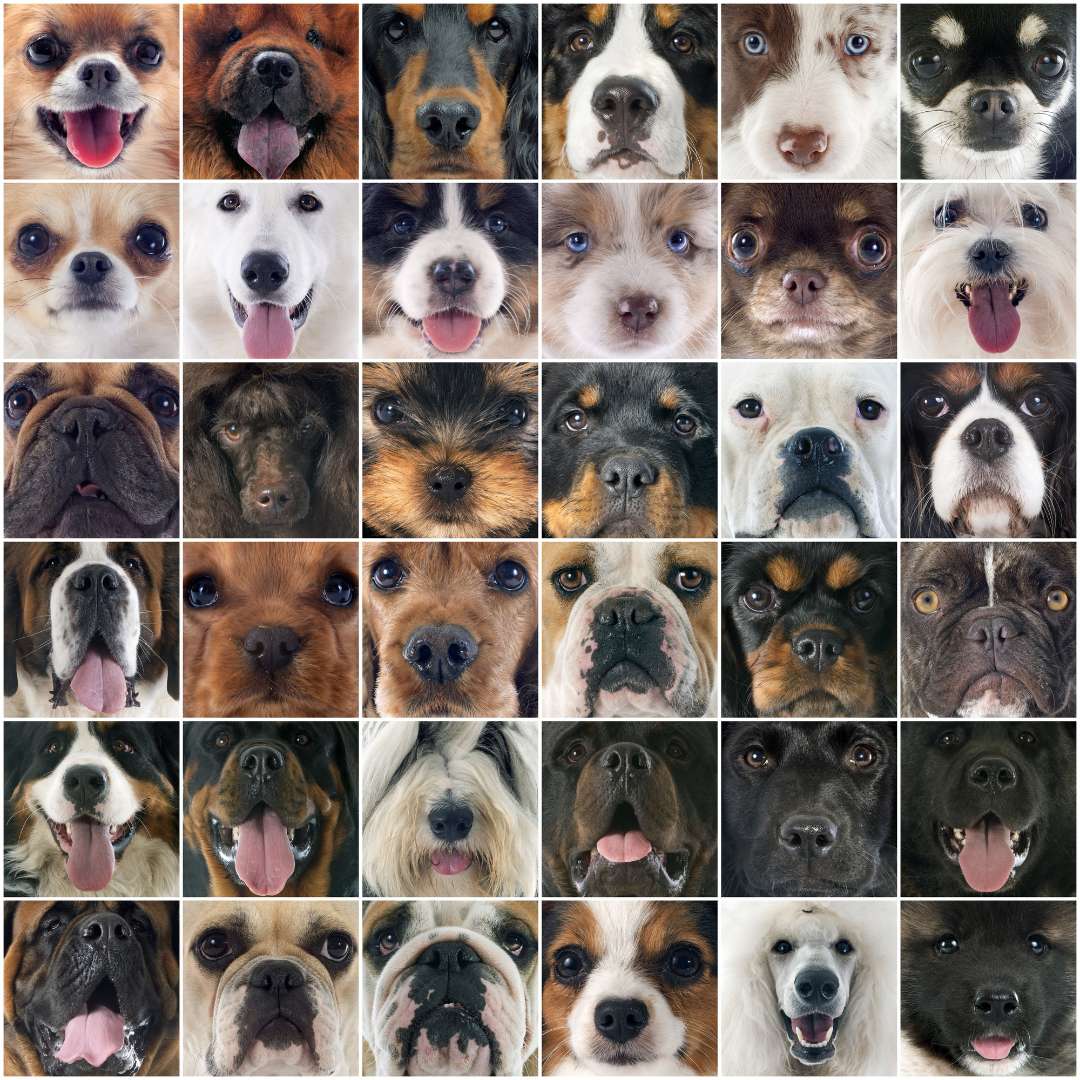
Breed classification systems help organize the many dog breeds we see today. These systems group dogs by traits like size, shape, or job. They make it easier to understand the huge variety of dogs. Different organizations use their own systems to classify breeds.
Kennel Clubs
Kennel clubs play a big role in classifying dog breeds. They register dogs and keep breed records. Each club has its own rules and breed groups. Groups can be based on hunting, herding, or companion dogs. Kennel clubs hold dog shows to judge breed qualities. These shows keep breed standards alive and clear.
Breed Standards
Breed standards are detailed descriptions of each dog breed. They explain ideal size, coat, color, and behavior. Standards help breeders keep dogs true to their breed. They guide judges during dog shows. Breed standards also help people know what to expect from a breed. These standards maintain the diversity of dog breeds worldwide.
Crossbreeding And Hybrid Breeds
Crossbreeding has shaped many dog breeds over time. Mixing different dog types creates hybrid breeds with unique traits. This process helps develop new looks, sizes, and temperaments. It gives dog lovers more choices for pets that fit their lifestyle. Breeders carefully select parents to combine the best qualities. The result is a wide variety of dogs available today.
Designer Dogs
Designer dogs are hybrids made by crossing two purebred dogs. These dogs often have fun names like Labradoodle or Cockapoo. People want designer dogs for their friendly nature or low-shedding coats. Breeders aim to blend good traits from both breeds. These dogs can be healthier than purebreds due to mixed genes. Designer dogs have grown popular in recent years.
Genetic Diversity
Crossbreeding increases genetic diversity in dogs. More diverse genes mean fewer inherited health problems. It also helps maintain strong immune systems. Mixing breeds reduces risks linked to closed gene pools. Genetic diversity supports dogs that adapt well to different environments. Hybrid breeds benefit from this natural advantage. This diversity helps explain the large number of dog breeds today.
Modern Trends In Breeding
Modern dog breeding has changed a lot over the years. Breeders now focus on many new factors. These trends shape the variety and quality of dog breeds today. The goal is to meet different needs and keep dogs healthy and happy.
Health Considerations
Health is a top priority in modern breeding. Breeders test dogs for genetic diseases. They avoid mating dogs with health problems. This helps reduce risks for puppies. Breeding for strong immune systems is common. Dogs with good health live longer and feel better.
Popularity And Demand
Popular dog breeds often grow quickly in number. People want dogs that fit their lifestyle. Small dogs are popular for city living. Big dogs attract outdoor lovers. Breeders respond fast to these trends. New breeds or mixes may appear to meet demand. This creates more variety for dog lovers.
Surprising Facts About Dog Breeds
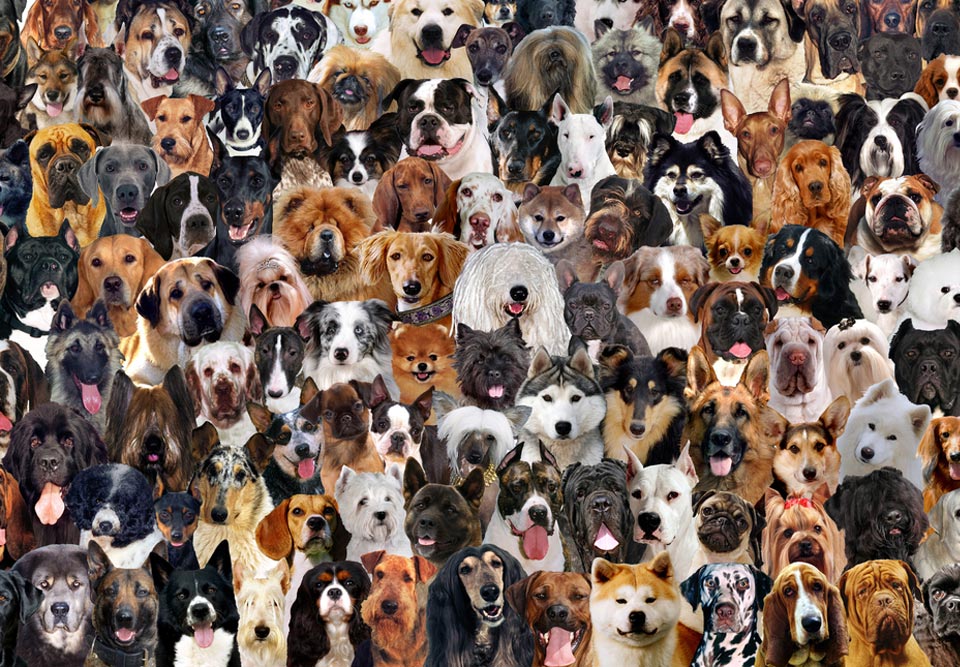
Dogs come in many shapes and sizes. The variety of dog breeds surprises many people. Each breed has a unique story and special traits. Some breeds are common, but others are rare and less known. The history of dog breeds shows how humans shaped them for different tasks and places. This section explores surprising facts about dog breeds, revealing rare breeds and their unexpected origins.
Rare Breeds
Some dog breeds are very rare today. These breeds might have only a few hundred members worldwide. Their rarity makes them special and sometimes hard to find. Rare breeds often come from isolated areas or small communities. They usually have traits that helped them survive in tough environments. Examples include the Azawakh from Africa and the Norwegian Lundehund. These dogs have unique skills and appearances that make them stand out.
Unexpected Origins
Many dog breeds have surprising origins. Some breeds did not start where we expect. For example, the Dalmatian is linked to a region in Croatia, not just a fancy pet. The Shiba Inu comes from Japan and was originally a hunting dog. Some breeds developed by accident when people bred dogs for work, not looks. Others came from mixing wild and domestic dogs. These origins show how dogs adapted to human needs and local conditions over time.
Credit: www.caninecommander.com
Frequently Asked Questions
Why Are There So Many Different Dog Breeds?
Dog breeds vary due to selective breeding for traits like size, coat, and behavior. Humans bred dogs for tasks such as hunting, herding, and guarding. This created many distinct breeds adapted to specific needs and environments over thousands of years.
How Did Selective Breeding Create Diverse Dog Breeds?
Selective breeding involves choosing dogs with specific traits to reproduce. This process enhances desired characteristics over generations. It led to many unique breeds with specialized skills, appearances, and temperaments suited for various roles and climates.
What Factors Influence The Development Of New Dog Breeds?
New breeds develop through geographic isolation, human preferences, and breeding goals. Changes in lifestyle and environment cause breeders to select traits for work, appearance, or companionship. This ongoing process increases breed diversity worldwide.
How Long Does It Take To Develop A New Dog Breed?
Developing a new dog breed typically takes several decades. Consistent breeding for specific traits over many generations is essential. It requires patience to stabilize traits and gain official recognition from breed organizations.
Conclusion
Dogs come in many shapes and sizes for several reasons. People bred dogs for different jobs and traits. Over time, this created many unique breeds. Each breed has special skills or looks. Nature and human choices both helped dogs change.
This variety shows how much dogs can adapt. Understanding why there are many breeds helps us appreciate dogs more. Every dog breed has a story to tell. This diversity makes the dog world exciting and full of surprises.


