

Have you ever wondered what a dog groomer really does? If you care about your furry friend’s health and happiness, understanding their role is key.
A dog groomer does much more than just make your pet look good—they help keep your dog clean, comfortable, and healthy. Curious to find out how they do it and why it matters for your dog’s well-being? Keep reading, and you’ll discover everything you need to know about the important work of a dog groomer.
Credit: www.petsmart.com
Role Of A Dog Groomer
The role of a dog groomer is important for a dog’s care and well-being. Groomers help dogs stay clean, healthy, and comfortable. They use special tools and techniques to take care of dogs’ coats and skin. Groomers also pay attention to each dog’s unique needs. They work with dogs of all sizes and breeds.
Dog groomers do more than just make dogs look nice. They check for health issues and keep dogs feeling good. Grooming helps prevent problems like mats, skin infections, and parasites. A good groomer knows how to handle dogs with care and patience. This job requires skill, knowledge, and a love for animals.
Daily Grooming Tasks
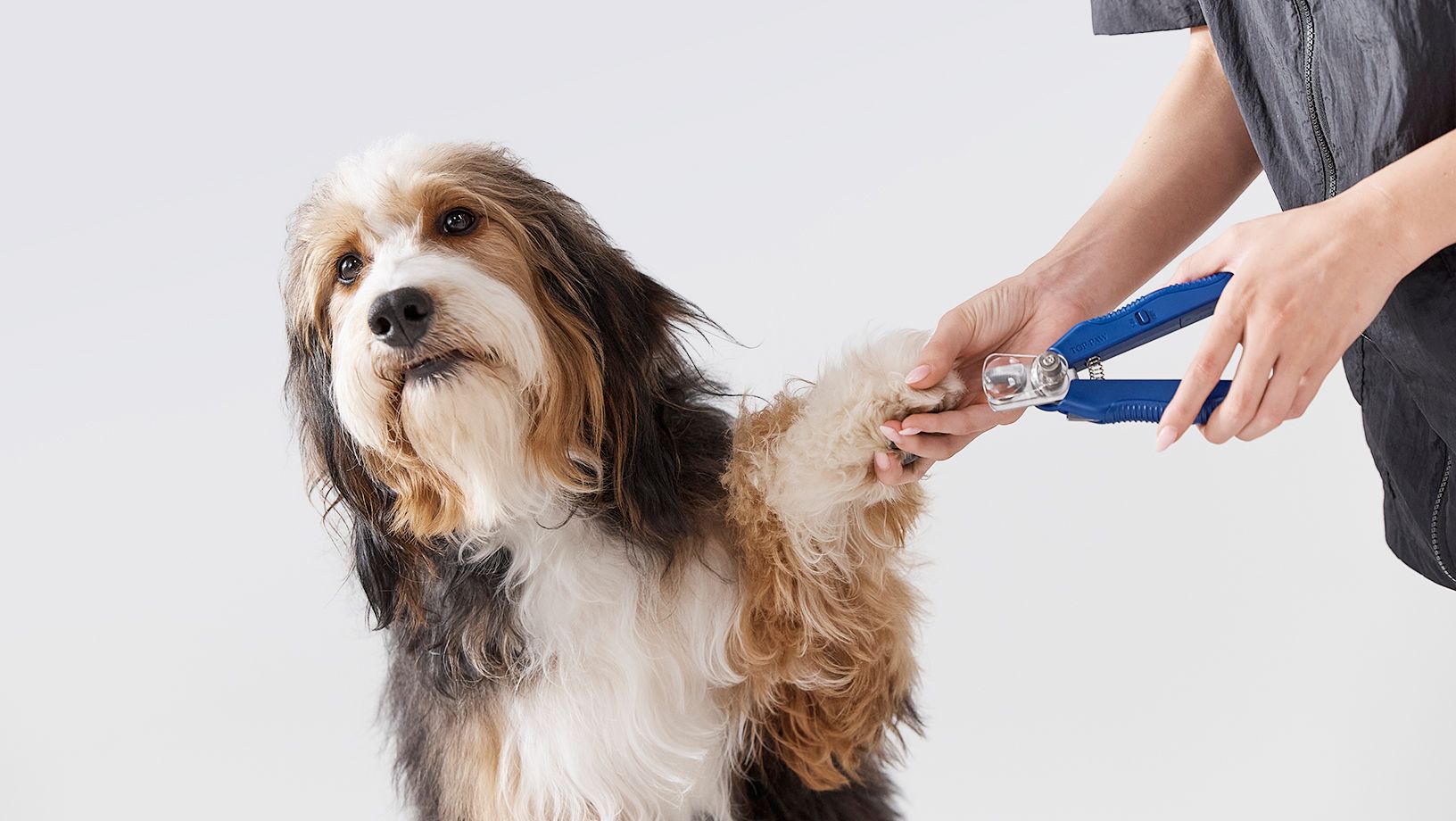
Dog groomers wash dogs with pet-safe shampoo. They dry the coat using towels and blow dryers. Brushing removes loose hair and prevents tangles. Nail trimming is done carefully to avoid hurting the dog. Groomers clean ears to stop infections. They also remove dirt and debris from the coat.
Health And Hygiene Checks
Groomers look for signs of skin problems like redness or bumps. They check for fleas, ticks, and other parasites. Groomers notice changes in a dog’s coat, such as thinning or dry patches. They watch for unusual smells that might mean infection. Groomers can alert owners to health issues early. This helps dogs get treatment fast.
Breed-specific Styling
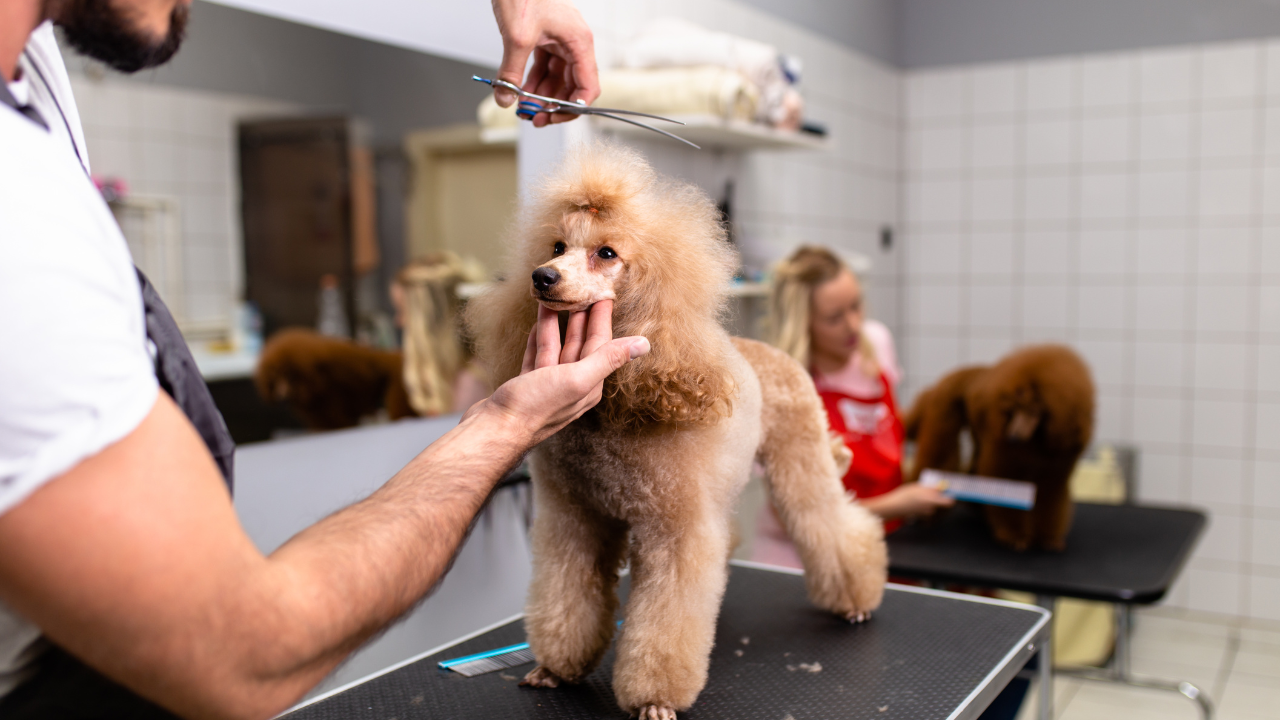
Different dog breeds need different grooming styles. Groomers know the standard cuts for each breed. They trim hair to keep the breed’s look and comfort. Some breeds need extra care for long or thick coats. Groomers shape the coat to fit the dog’s body. They also style around the face, paws, and tail.
Credit: www.pdga.online
Essential Grooming Tools
Dog groomers use many tools to keep pets clean and healthy. Each tool has a special job. These tools help groomers remove dirt, tangles, and loose hair. They also keep dogs comfortable during grooming sessions. Understanding these tools shows how much care goes into grooming.
Brushes And Combs
Brushes and combs remove loose fur and dirt from a dog’s coat. Different brushes suit different fur types. Soft brushes work well for short hair. Slicker brushes help with long or curly fur. Combs find small mats and tangles. They also help smooth the coat for a neat finish.
Clippers And Scissors
Clippers cut through thick or long fur quickly. They come with different blade sizes for precise cuts. Scissors help trim areas clippers cannot reach. Groomers use scissors around the face, paws, and tail. Sharp tools ensure a clean, even cut without pulling hair.
Bathing Supplies
Bathing supplies include shampoos, conditioners, and towels. Shampoos clean the skin and coat gently. Conditioners soften fur and make it easier to brush. Towels dry the dog after a bath. Some groomers use dryers to remove moisture faster. Clean fur feels fresh and looks shiny.
Key Grooming Techniques
Dog groomers use many techniques to keep pets clean and healthy. These methods help dogs look good and feel comfortable. Good grooming stops problems like mats, infections, and nail pain. Here are some key grooming techniques groomers use every day.
Brushing And Detangling
Brushing removes loose hair and dirt from a dog’s coat. It stops tangles and mats from forming. Groomers use different brushes for each coat type. Gentle brushing keeps skin healthy and spreads natural oils. Detangling needs patience and care. It helps avoid pulling and hurting the dog.
Nail Trimming And Care
Short nails help dogs walk better and avoid pain. Groomers trim nails carefully to prevent bleeding. They use special clippers or grinders for smooth edges. Nail care also checks for cracks or infections. Regular trimming keeps nails strong and healthy.
Ear Cleaning Tips
Clean ears prevent infections and bad smells. Groomers check ears for wax, dirt, and redness. They use safe solutions to clean inside the ear canal. Gentle wiping keeps ears dry and healthy. Proper ear care stops irritation and discomfort in dogs.
Health Benefits Of Grooming
Grooming does more than make dogs look good. It helps keep them healthy and happy. Regular grooming supports their skin and coat, keeps parasites away, and can spot health problems early.
Skin And Coat Health
Grooming removes dirt, dead hair, and loose fur. This helps prevent mats and tangles that hurt the skin. Clean fur lets the skin breathe and stay healthy. Brushing spreads natural oils, making the coat shiny and soft. A healthy coat means a happy dog.
Parasite Prevention
Groomers check for fleas, ticks, and other pests during grooming. Removing these pests stops infections and diseases. Regular baths and grooming reduce the risk of parasite infestations. Clean skin and fur make it hard for pests to live.
Early Detection Of Issues
Groomers notice lumps, bumps, or sores on the skin. They can spot signs of allergies or infections early. Early detection means quick treatment and less pain for the dog. Grooming helps catch problems before they get worse.
Expert Tips For At-home Grooming
Grooming your dog at home can save time and money. It also strengthens your bond with your pet. Following expert tips helps make grooming safer and more pleasant. These tips cover calming your dog, picking the right tools, and managing tough situations.
Creating A Calm Environment
Start by choosing a quiet space. Avoid loud noises and distractions. Soft lighting helps your dog relax. Speak in a gentle, soothing voice. Give your dog breaks if it seems stressed. Use treats to reward good behavior. Calm energy helps your dog stay still. Consistency in routine also reduces anxiety.
Choosing The Right Products
Pick grooming tools made for your dog’s size and coat. Use a gentle shampoo designed for pets. Avoid human shampoos; they can irritate skin. Brushes should suit your dog’s hair type. Clippers must be sharp and safe. Test products on a small skin area first. Replace old or worn tools regularly. Safe products protect your dog’s skin and coat.
Handling Difficult Dogs
Patience is key with nervous or fidgety dogs. Use slow, steady movements to avoid startling. Break tasks into small steps to ease stress. Hold your dog gently but firmly. Ask a helper to support if needed. Praise and reward after each step. Never force your dog into grooming. Gentle care builds trust over time.
Credit: www.alldogsgym.com
When To Visit A Professional Groomer
Knowing when to visit a professional dog groomer helps keep your pet healthy and happy. Groomers do more than just make dogs look nice. They check for skin problems, nail issues, and ear infections. Regular grooming can prevent many health problems.
Some dogs need grooming more often than others. Dogs with long or thick fur may require frequent visits. Short-haired dogs might only need occasional care. Paying attention to your dog’s needs is key to deciding when to schedule a visit.
Signs Your Dog Needs Grooming Help
Your dog may need grooming if the coat feels matted or dirty. Unpleasant odors can show that a bath is overdue. Watch for scratching or biting the skin, which could mean irritation. Overgrown nails can cause discomfort and affect walking. Red or swollen ears are a sign to seek professional care.
Frequency Of Professional Grooming
Most dogs benefit from grooming every four to eight weeks. Puppies and older dogs might need special care more often. Active dogs that spend time outdoors may require more frequent baths. Discuss your dog’s lifestyle and coat type with the groomer for best results.
What To Expect During A Visit
The groomer will start by examining your dog’s coat and skin. Bathing and drying follow, using products safe for dogs. Next comes nail trimming and ear cleaning to prevent infections. The groomer may trim or style the fur as needed. Finally, a quick health check helps spot any concerns early.
Frequently Asked Questions
What Services Does A Dog Groomer Provide?
A dog groomer offers services like bathing, hair trimming, nail clipping, ear cleaning, and brushing. These help keep dogs clean, healthy, and comfortable. Groomers also check for skin issues and parasites, ensuring overall pet wellness.
How Often Should Dogs Visit A Groomer?
Most dogs benefit from grooming every 4 to 8 weeks. Frequency depends on the breed, coat type, and lifestyle. Regular visits prevent matting, skin problems, and maintain a tidy appearance.
Can Groomers Handle Special Needs Dogs?
Yes, professional groomers are trained to handle dogs with special needs. They use gentle techniques and customized care. This ensures safety and comfort for anxious, elderly, or medically sensitive pets.
Why Is Professional Dog Grooming Important?
Professional grooming maintains a dog’s hygiene and health. It prevents infections, mats, and nail overgrowth. Groomers also spot early signs of health issues, helping owners address problems promptly.
Conclusion
Dog groomers help keep pets clean, healthy, and happy. They trim fur, clean ears, and clip nails carefully. Grooming also checks for skin problems or fleas. Regular care can prevent many health issues. A well-groomed dog feels comfortable and looks great.
Trusting a groomer means your dog gets the best care. Simple steps make a big difference in pet health. Good grooming supports a dog’s well-being every day. Caring for your dog this way shows love and respect.

