

Are you thinking about becoming a dog groomer but not sure where to start? You might wonder what skills, tools, or training you really need to succeed.
Imagine turning your love for dogs into a rewarding career that lets you work with furry friends every day. You’ll discover exactly what it takes to become a confident and skilled dog groomer. Keep reading, and by the end, you’ll know the essential steps to make this dream a reality.
Key Skills For Dog Groomers
Becoming a dog groomer requires more than just love for animals. It needs specific skills to care for dogs properly. These skills help ensure each dog looks good and feels comfortable. Understanding key skills is important for anyone starting in dog grooming.
Animal Handling Techniques
Dog groomers must handle animals gently and safely. Knowing how to calm a nervous dog is crucial. Good handling prevents injuries and stress for both dogs and groomers. It builds trust with the animals during grooming sessions.
Knowledge Of Dog Breeds
Different dog breeds need different grooming styles. A groomer must know breed-specific haircuts and skin care. This knowledge helps keep each dog healthy and looking its best. It also avoids mistakes that could harm the dog’s coat.
Attention To Detail
Grooming requires careful attention to small things. Checking for ticks, mats, and skin issues is part of the job. Precise trimming improves the dog’s appearance. Good detail skills lead to happy pets and satisfied owners.
Physical Stamina
Grooming can be physically demanding. Groomers stand for many hours and handle dogs of all sizes. Strength and endurance help maintain energy throughout the day. Physical stamina is key to working efficiently and safely.
Communication Skills
Clear communication with pet owners is important. Groomers explain care instructions and discuss the dog’s needs. Good listening helps understand owner requests fully. Communication builds strong relationships and trust with clients.

Credit: www.doglyness.com
Essential Grooming Tools
Essential grooming tools are the backbone of every dog groomer’s kit. They help keep dogs clean, healthy, and looking their best. Each tool has a special purpose. Using the right tools makes grooming easier and safer for both the dog and groomer.
Choosing quality tools ensures better results. It also saves time and reduces stress for dogs. Let’s explore the key tools every dog groomer needs.
Brushes And Combs
Brushes and combs remove dirt, loose hair, and tangles. Different coat types need different brushes. Slicker brushes work well for curly or thick fur. Pin brushes suit long, straight hair. Combs help find mats and remove small knots.
Clippers And Blades
Clippers trim a dog’s coat quickly and evenly. Various blade sizes cut different hair lengths. Sharp blades prevent pulling and skin irritation. Regular maintenance of clippers keeps them working smoothly.
Nail Clippers And Grinders
Nail clippers cut a dog’s nails safely. Grinders smooth rough edges after clipping. Both tools keep nails at a healthy length. Proper nail care prevents pain and injuries.
Shampoos And Conditioners
Shampoos clean the dog’s coat and skin gently. Conditioners soften fur and make brushing easier. Choose products made for dogs to avoid irritation. Some shampoos target fleas, odors, or skin issues.
Dryers And Towels
Towels remove most water after a bath. Dryers finish drying the coat quickly. They reduce stress by avoiding cold or damp dogs. Use low heat settings to protect the skin and fur.
Safety And Hygiene Practices
Safety and hygiene are the backbone of dog grooming. Keeping dogs and groomers safe protects health and builds trust. Clean tools and careful handling prevent many problems. Every groomer must know key practices to work well and stay safe.
Sanitizing Equipment
Clean tools stop the spread of germs and diseases. Use disinfectants after each grooming session. Wash brushes, combs, and scissors with hot water and soap. Dry equipment fully to avoid rust and bacteria growth. Regular sanitizing keeps dogs healthy and reduces skin infections.
Handling Aggressive Dogs
Some dogs show fear or aggression during grooming. Stay calm and use gentle movements to ease stress. Use muzzles or restraints if the dog might bite. Always watch the dog’s body language closely. Proper handling protects both the dog and groomer from harm.
Preventing Cross-contamination
Cross-contamination spreads germs between dogs and surfaces. Change towels and grooming capes for every dog. Clean the grooming table after each use. Avoid using the same tools on sick dogs and healthy ones. Keep the workspace tidy to reduce infection risks.
Personal Protective Gear
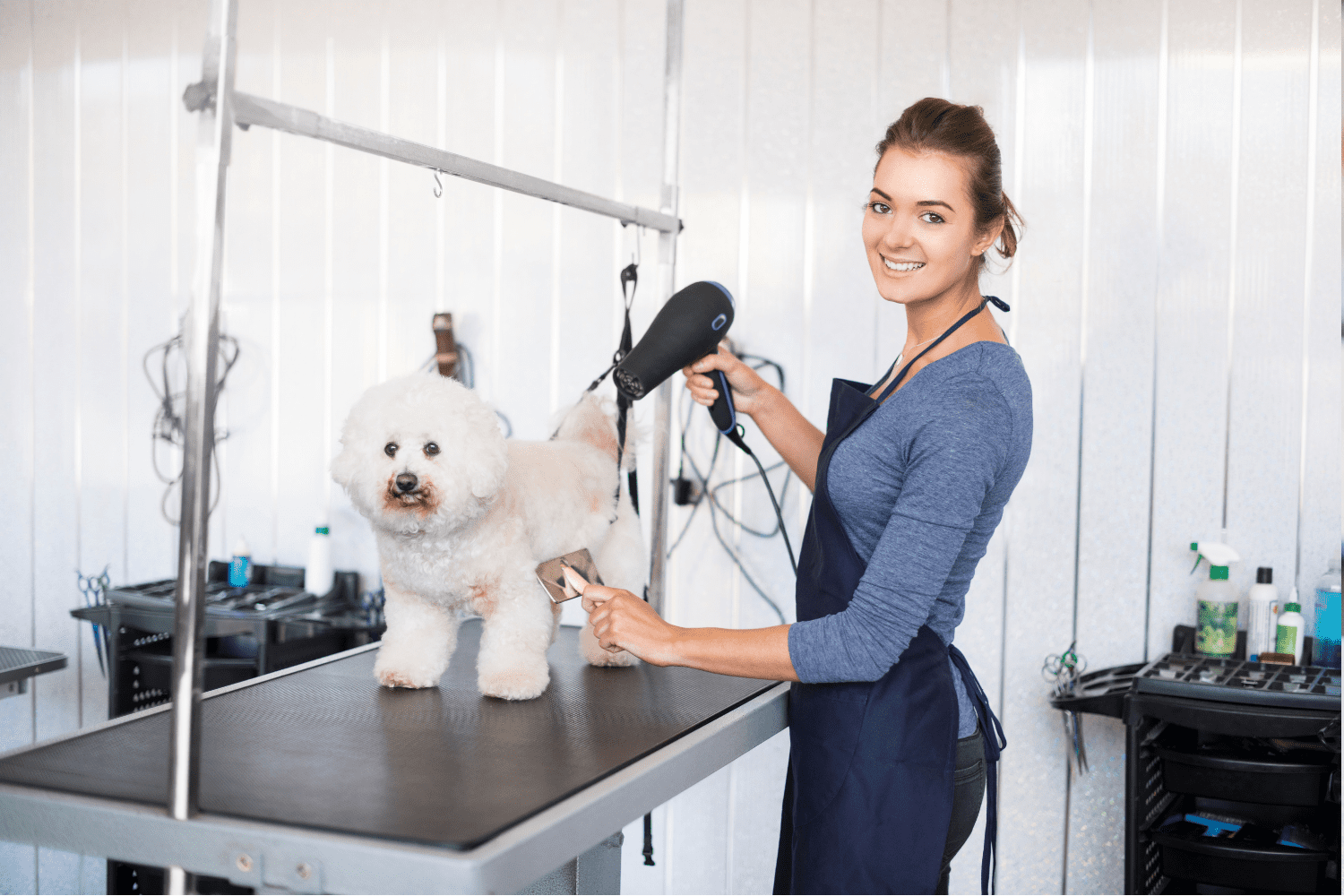
Wear gloves to protect your hands from dirt and scratches. Use aprons or smocks to keep clothes clean. Consider masks if dust or hair causes irritation. Good protective gear keeps groomers safe and comfortable. It also shows professionalism to clients.
Credit: www.theacademyofpetcareers.com
Training And Certification Options
Training and certification are key steps to become a skilled dog groomer. They help you learn the right techniques and safety measures. Many options exist for gaining knowledge and proving your skills. Understanding these paths helps you choose the best fit for your career goals.
Professional Grooming Schools
Professional grooming schools offer structured courses. They teach grooming basics and advanced skills. Classes include hands-on practice with different dog breeds. Schools often provide certification after course completion. This option suits those who want formal education and quick learning.
Apprenticeships And Mentorships
Apprenticeships let you learn by working with an expert groomer. You gain real-world experience and watch professional techniques. Mentorships provide personalized guidance and feedback. This path suits people who prefer learning on the job. It builds confidence and practical skills gradually.
Certification Programs
Certification programs test your knowledge and skills. Passing exams shows you meet industry standards. Many organizations offer certifications for dog groomers. Certified groomers often attract more clients and job offers. This credential boosts trust and proves your professionalism.
Continuing Education
Continuing education keeps your skills updated. Workshops and seminars introduce new tools and trends. Staying current improves service quality and safety. It also helps you handle different dog breeds better. Regular learning supports long-term success in grooming.
Setting Up A Grooming Workspace
Setting up a grooming workspace is a key step for any dog groomer. The right space helps work flow smoothly and keeps dogs calm. A good setup improves safety and comfort for both groomer and pet. Thoughtful planning makes grooming easier and more efficient. Below are important points to consider for your grooming workspace.
Choosing The Right Location
Select a spot with enough room for all grooming activities. It should have good lighting and ventilation. Avoid noisy or busy areas that might stress dogs. A quiet, clean space helps pets feel safe. Easy access to water and power outlets is important. Consider a location with non-slip floors for safety.
Organizing Tools And Supplies
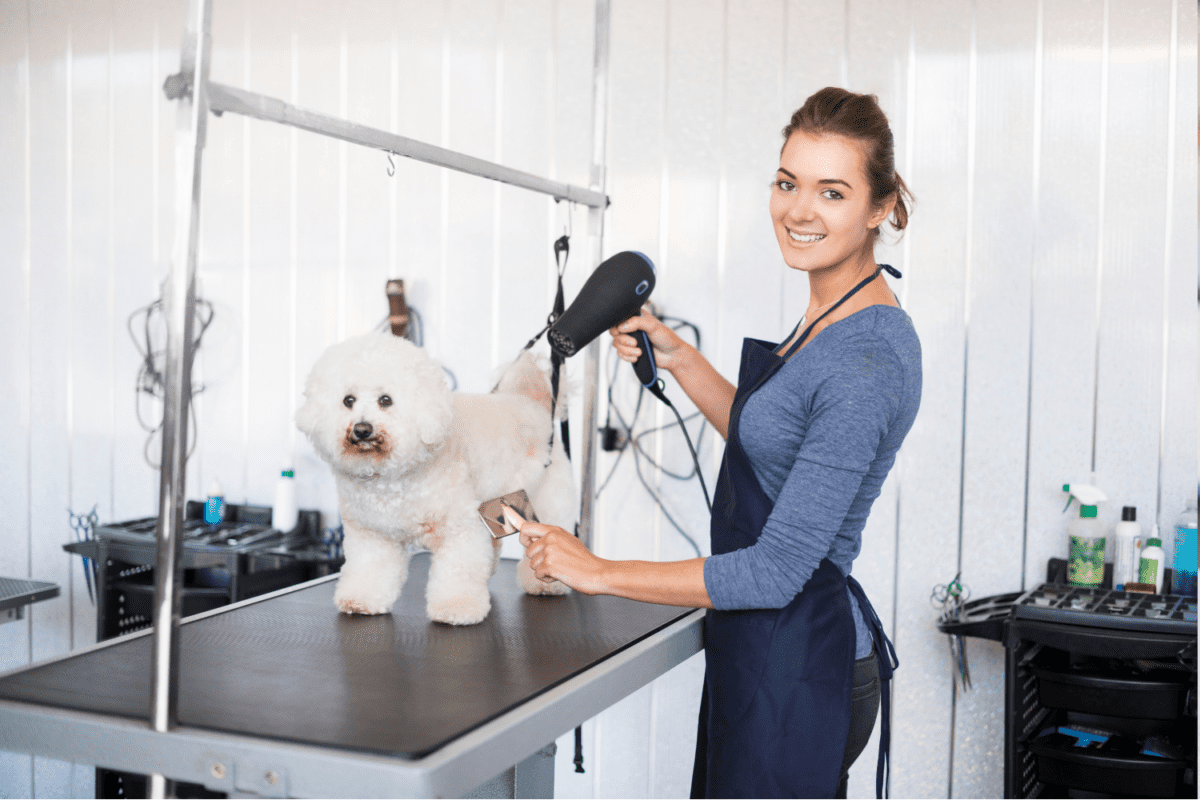
Keep all grooming tools within easy reach. Use shelves, drawers, or carts to store brushes, scissors, and clippers. Organize supplies by type to save time. Clean and disinfect tools after every use. Label containers to find items quickly. A tidy workspace reduces accidents and stress.
Creating A Comfortable Environment
Make the space calm and welcoming for dogs. Use soft mats or tables to reduce strain on pets. Control room temperature to avoid overheating or chills. Play soft music or use calming scents to relax animals. Avoid harsh lighting that can scare dogs. Comfort helps pets stay still and happy during grooming.
Compliance With Regulations
Follow local health and safety rules for pet grooming. Ensure proper disposal of hair and waste. Use approved cleaning products to maintain hygiene. Obtain any necessary licenses or permits. Stay updated on laws affecting grooming businesses. Compliance protects your clients and your business.
Credit: www.theacademyofpetcareers.com
Frequently Asked Questions
What Qualifications Are Needed To Be A Dog Groomer?
Most dog groomers need a high school diploma and professional training. Certification programs improve skills and job prospects. Practical experience through internships or apprenticeships is highly valuable for mastering grooming techniques and animal handling.
How Much Does Dog Groomer Training Cost?
Training costs vary from $1,000 to $5,000 depending on the program length and location. Online courses are often cheaper. Investing in quality training ensures proper skills, safety knowledge, and better career opportunities in dog grooming.
What Skills Are Essential For Dog Grooming?
Patience, attention to detail, and good communication are key skills. Groomers must handle dogs safely and recognize breed-specific needs. Physical stamina is important due to the job’s active nature. Customer service skills help build strong client relationships.
Do I Need Certification To Work As A Dog Groomer?
Certification is not always mandatory but highly recommended. Certified groomers often gain clients’ trust and higher pay. Certifications prove expertise and commitment to industry standards, improving job security and career advancement.
Conclusion
Becoming a dog groomer takes patience and care. You need to learn grooming skills and understand dog behavior. Good tools and training help you do a great job. Love for animals is very important. Keep practicing to improve every day.
This career can be rewarding and fun. Start with small steps and stay confident. Your hard work will make dogs happy and healthy.

