

Are you worried about allergies but still dreaming of having a furry friend? You’re not alone.
Many dog lovers hesitate because of shedding and allergic reactions. But what if you could find a dog that doesn’t trigger your allergies and barely sheds? Imagine enjoying the warmth and companionship of a dog without the constant sneezing or endless cleaning.
You’ll discover the top hypoallergenic dog breeds that keep shedding to a minimum. Keep reading to find the perfect match for your home and lifestyle—your ideal pet might be closer than you think.
Hypoallergenic Dog Traits
Hypoallergenic dog traits help people with allergies enjoy pets without discomfort. These dogs usually produce fewer allergens. They also shed less fur, which lowers allergen spread. Understanding these traits helps choose the right dog for sensitive homes.
What Makes A Dog Hypoallergenic
A hypoallergenic dog often has hair that grows continuously. This hair traps fewer allergens than fur that sheds. These dogs produce less dander. Dander is tiny skin flakes that cause allergies. Their saliva and urine may also contain fewer proteins that trigger allergies.
Common Allergens In Dogs
Dog allergens mainly come from skin flakes, saliva, and urine. Dander is the biggest cause. It sticks to hair and surfaces. Saliva allergens spread when dogs lick themselves. Urine allergens can dry on fur and floors. These allergens cause sneezing, itching, and watery eyes.
Shedding And Allergies Connection
Shedding spreads dander and allergens around the home. More shedding means more allergens in the air. Dogs that shed less keep allergens contained. This reduces allergy symptoms. Hypoallergenic breeds shed little or no hair. This helps keep homes cleaner and allergy-free.
Credit: www.chewy.com
Top Hypoallergenic Breeds That Don’t Shed
Many people want dogs that do not trigger allergies or leave fur everywhere. Hypoallergenic breeds that don’t shed help keep homes clean. These dogs are great for allergy sufferers and those who prefer low-maintenance pets.
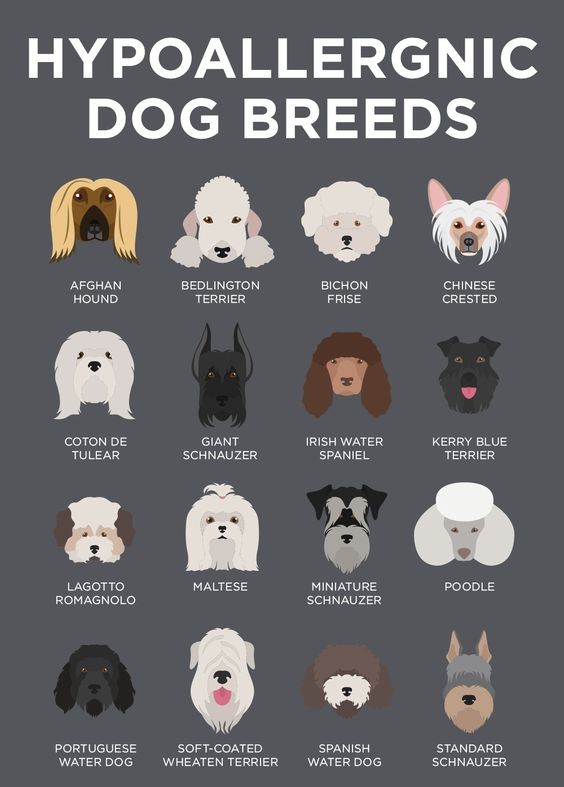
Below are some popular hypoallergenic dog breeds. Each one has unique traits and minimal shedding. They make friendly and loyal companions for many families.
Poodle
Poodles come in three sizes: standard, miniature, and toy. Their curly coats trap dander and reduce shedding. Poodles are smart, trainable, and very active.
Bichon Frise
Bichon Frises have soft, fluffy coats that shed very little. They are cheerful and gentle dogs. Their small size fits well in apartments or houses.
Portuguese Water Dog
This breed has a curly, water-resistant coat that does not shed much. Portuguese Water Dogs are energetic and love swimming. They need regular exercise and grooming.
Maltese
Maltese dogs have long, silky hair but shed very little. They are affectionate and enjoy being close to their owners. Maltese dogs do well in small living spaces.
Schnauzer
Schnauzers come in miniature, standard, and giant sizes. Their wiry coats shed minimally and require regular grooming. They are alert, protective, and playful dogs.
Shih Tzu
Shih Tzus have dense coats that shed little. They are friendly and social dogs. Shih Tzus enjoy indoor play and short walks.
Yorkshire Terrier
Yorkshire Terriers have fine, silky hair that sheds very little. They are brave and energetic despite their small size. Yorkies adapt well to different living environments.
Basenji
Basenjis have short, fine coats that shed very little. They are quiet dogs that rarely bark. Basenjis are independent and require regular exercise.
Care Tips For Low-shedding Dogs
Caring for low-shedding dogs requires special attention to keep their coat healthy. These dogs still need regular care to avoid skin problems and keep their fur soft. Proper care helps reduce the amount of loose hair around the house.
Good grooming habits keep your dog comfortable and looking great. It also helps catch any issues early before they get worse. Let’s explore some simple care tips for these special breeds.
Grooming Essentials
Use a slicker brush or a comb designed for fine hair. Brush your dog’s coat gently at least twice a week. This removes loose fur and prevents mats. Pay extra attention to areas behind the ears and under the legs. Regular grooming keeps the skin clean and healthy.
Bathing Frequency
Bathe your low-shedding dog every 4 to 6 weeks. Use a mild shampoo made for dogs to avoid drying their skin. Too many baths can cause itchiness and irritation. After bathing, dry your dog well to prevent skin infections.
Diet And Coat Health
A balanced diet rich in omega-3 and omega-6 fatty acids supports a shiny coat. High-quality dog food with vitamins and minerals helps reduce shedding. Fresh water is essential to keep your dog hydrated and healthy. Healthy skin means less fur loss and a happier pet.
Choosing The Right Hypoallergenic Dog
Choosing the right hypoallergenic dog matters a lot for your home and health. Not all hypoallergenic dogs fit every lifestyle. Each breed has unique needs and traits. Picking a dog that matches your life makes living together happy and easy.
Lifestyle Considerations
Think about your daily routine before choosing a dog. Some breeds need lots of attention and exercise. Others are happy with short walks and quiet time. Hypoallergenic dogs that shed less still need regular grooming. Make sure you can spend time caring for your dog’s coat and health.
Size And Energy Levels
Small dogs fit well in apartments or small homes. Larger breeds need more space to move. Energy levels vary by breed. Some hypoallergenic dogs are calm and relaxed. Others are playful and need active play. Match the dog’s size and energy to your living space and activity level.
Temperament And Training
Every dog has its personality. Some are friendly and social. Others are shy or protective. Training needs also differ by breed. Some dogs learn commands quickly. Others need more patience and time. Choose a hypoallergenic dog with a temperament that suits your family.
Myths About Hypoallergenic Dogs
Many people believe certain dog breeds do not cause allergies or shed at all. These ideas often confuse pet lovers. It is important to clear up these myths to help you choose the right dog. Understanding the truth helps manage allergies better and sets realistic expectations.
No Dog Is 100% Hypoallergenic
No dog breed is completely hypoallergenic. All dogs produce allergens in their skin, saliva, and urine. Some breeds shed less hair or dander, but they still release allergens. People with allergies may react differently to various breeds. Finding a dog that suits you means testing your allergy response first.
Shedding Vs Allergens
Shedding is the loss of fur, while allergens are proteins that cause reactions. A dog can shed a lot but cause fewer allergies. Some low-shedding dogs still produce allergens that affect sensitive people. Cleaning your home often reduces allergens, no matter the breed. Do not confuse less fur with no allergens.
Allergy Management Tips
Keep your dog clean by bathing regularly. Use a vacuum with a HEPA filter to remove dander. Wash your hands after petting your dog. Keep your dog out of bedrooms to reduce allergen exposure. Consider air purifiers to improve air quality. These steps help control allergies better than breed alone.
Credit: suburban-k9.com
Credit: animology.co.uk
Frequently Asked Questions
What Dog Breeds Are Truly Hypoallergenic?
Breeds like Poodles, Bichon Frises, and Maltese are truly hypoallergenic. They produce fewer allergens and shed minimally, making them ideal for allergy sufferers.
Which Hypoallergenic Dogs Shed The Least?
Poodles, Shih Tzus, and Portuguese Water Dogs shed very little. Their hair grows continuously and traps dander, reducing allergen spread in the home.
Are Hypoallergenic Dogs Better For Allergy Sufferers?
Yes, hypoallergenic dogs produce fewer allergens like dander and saliva proteins. They help reduce allergic reactions but no dog is 100% allergen-free.
How Do Hypoallergenic Breeds Affect Indoor Cleanliness?
Hypoallergenic breeds shed less hair and dander, keeping homes cleaner. This means less vacuuming and fewer allergens on furniture and floors.
Conclusion
Choosing a hypoallergenic dog breed helps reduce allergies and mess. These dogs shed less, making cleaning easier. Small or large, many breeds fit different lifestyles. Spend time with a dog before adopting to see how you react. Remember, each dog has a unique personality and needs care.
A good match means happy pets and owners. Keep in mind, no dog is 100% allergy-free. Still, some breeds offer a better experience for allergy sufferers. Enjoy the love and joy a dog can bring to your home.


