

Are you looking for a loyal protector to keep your home and loved ones safe? Choosing the right guard dog breed can make all the difference in feeling secure.
But with so many breeds out there, how do you know which ones are truly dependable and alert? You’ll discover the best guard dog breeds that combine strength, intelligence, and loyalty. Keep reading to find the perfect furry guardian tailored just for you.

Credit: www.countryliving.com
Traits Of Effective Guard Dogs
Effective guard dogs share specific traits that make them reliable protectors. These traits help them guard homes, families, and properties efficiently. Understanding these qualities helps in choosing the right breed for security needs.
Loyalty And Protective Instincts
Loyalty is the heart of a good guard dog. These dogs form strong bonds with their owners. They naturally protect their family and territory. Their protective instincts alert them to danger. This makes them trustworthy and dependable guardians.
Intelligence And Trainability
Smart dogs learn commands quickly and follow rules well. Good guard dogs must understand training easily. Intelligence helps them decide when to act or stay calm. They can recognize real threats from normal situations. This skill keeps everyone safe without unnecessary aggression.
Physical Strength And Agility
Strong and agile dogs can handle physical challenges. Guard dogs need power to protect and control threats. Agility allows quick movement to respond to danger. These traits help them cover large areas fast. Strength and speed boost their effectiveness in guarding roles.
Alertness And Vigilance
Guard dogs stay alert to sounds and movements. Vigilance means they notice changes in their surroundings. They warn owners with barks or body language. This early warning system prevents problems before they grow. Alert dogs provide peace of mind around the clock.
Top Powerful Guard Dog Breeds
Powerful guard dogs protect homes and families with strength and loyalty. They have keen senses and strong instincts to alert owners of danger. Choosing the right breed depends on size, temperament, and training ability. These breeds are known for their protective nature and courage.
German Shepherd
German Shepherds are smart and highly trainable. They have a strong protective instinct. These dogs are loyal and alert, making them excellent guards. Their agility helps them respond quickly to threats.
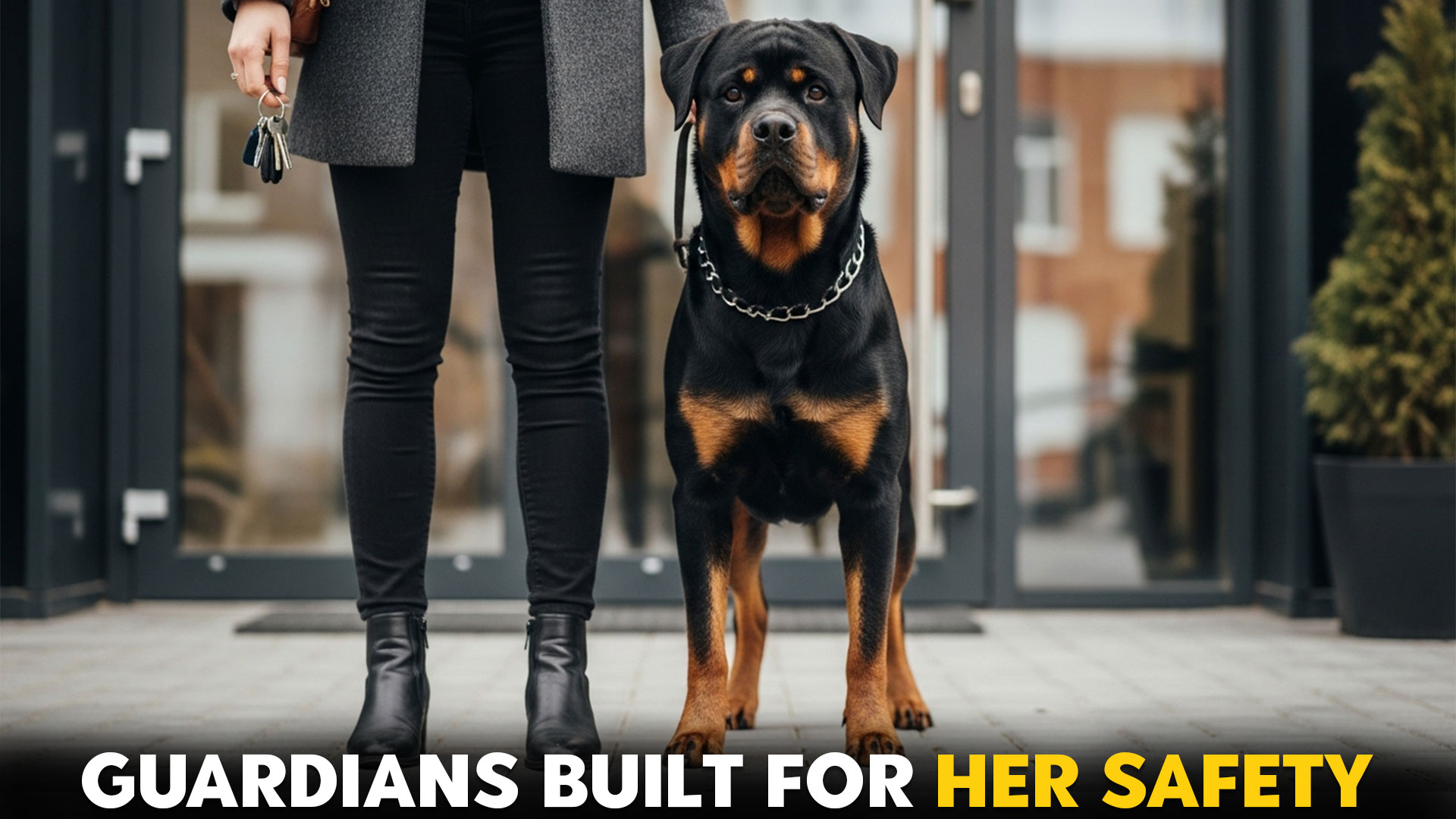
Rottweiler
Rottweilers are strong and confident dogs. They have a natural guarding ability. Their calm but powerful presence deters intruders. They need proper training to control their strength.
Doberman Pinscher
Dobermans are fast and fearless. They bond closely with their families. Their alertness makes them excellent watchdogs. They respond quickly to any sign of danger.
Bullmastiff
Bullmastiffs are large and strong protectors. They are calm but very protective of their home. Their size alone can scare away threats. These dogs are gentle with family members.
Belgian Malinois
Belgian Malinois are energetic and intelligent. They work well in police and military roles. Their sharp senses help detect danger early. These dogs need lots of exercise and training.
Cane Corso
Cane Corsos are powerful and loyal dogs. They protect their family with great devotion. Their muscular build makes them strong guards. They require firm and consistent training.
Great Dane
Great Danes are tall and imposing dogs. Their size alone can stop intruders. They are gentle giants with their families. They need space to move and regular exercise.
Akita
Akitas are brave and independent dogs. They protect their home with great loyalty. These dogs are quiet but watchful. Early socialization is important for their behavior.
Choosing The Right Guard Dog For Your Needs
Choosing the right guard dog means matching the dog’s traits to your needs. Each breed has unique qualities. Some dogs are better for big homes, others for families. Training needs and health also play a big role. Think carefully about your lifestyle and environment. This helps you pick a dog that fits well.
Living Environment Considerations
Space matters for guard dogs. Large breeds need room to move and play. Small homes suit smaller guard dogs. Outdoor yards help active dogs stay healthy. Urban areas may require calmer breeds. Noise levels and neighbors affect dog choice. A dog comfortable in its space protects better.
Family And Social Compatibility
Guard dogs must get along with family members. Some breeds are gentle with kids. Others may be more protective or wary. Social dogs enjoy meeting visitors and other pets. Guard dogs that are too aggressive may cause problems. Choose a breed that fits your family’s nature.
Training Requirements
Training is key for guard dogs. Some breeds learn commands quickly. Others need more patience and time. Consistent training builds trust and control. Basic obedience is a must for safety. Well-trained dogs respond better to threats. Training style should match the dog’s intelligence and temperament.
Health And Lifespan Factors
Health affects a guard dog’s performance. Some breeds face genetic issues more often. Lifespan varies widely between breeds. Choose a dog with good health history. Regular vet care extends a dog’s life. Healthy dogs stay alert and active longer.
Training Tips For Guard Dogs
Training guard dogs requires patience and clear methods. These dogs need to follow commands quickly and protect without causing harm. Proper training builds trust and control between the dog and owner. It also helps the dog understand its role as a protector. Below are key tips to train guard dogs effectively.
Basic Obedience Skills
Start with simple commands like sit, stay, and come. These skills form the foundation for all other training. Use short training sessions to keep the dog focused. Reward good behavior immediately with treats or praise. This helps the dog learn fast and stay motivated.
Socialization Techniques
Expose the dog to different people, animals, and places early. This reduces fear and aggression in new situations. Controlled socialization teaches the dog when to be friendly and when to be alert. It stops the dog from becoming overly aggressive or shy.
Controlled Aggression Training
Teach the dog to protect only on command. Use clear signals for alert and attack. Practice with a professional trainer to avoid mistakes. Controlled aggression keeps the dog safe and prevents unwanted attacks. Always reward calm behavior after the training.
Consistency And Positive Reinforcement
Train daily to build strong habits. Use the same words and gestures for commands. Praise and treats encourage the dog to repeat good actions. Avoid punishment, as it can cause fear and confusion. Consistency and kindness create a confident and reliable guard dog.
Common Myths About Guard Dogs
Many people believe wrong things about guard dogs. These myths can confuse those who want a good protector for their home. Knowing the truth helps in choosing the right dog.
Understanding these myths also helps in training and caring for guard dogs properly. Let’s clear up some common wrong ideas about guard dogs.
Aggression Equals Protection
Many think a guard dog must be aggressive to protect. Real protection comes from control and alertness, not anger. Aggressive dogs can be dangerous to everyone, including family. Good guard dogs listen and act only when needed.
All Large Dogs Make Good Guards
Size alone does not make a dog a good guard. Some big dogs are gentle and not protective. Smaller dogs can be alert and brave too. The right breed has natural guarding traits, not just big size.
Guard Dogs Don’t Need Training
Guard dogs need training like any other dog. Without training, they may not know how to protect properly. Training teaches them when to be calm and when to act. It also keeps them safe and friendly with family.
Guard Dogs Are Not Family Pets
Some believe guard dogs cannot be family pets. Many guard dogs are loving and loyal to their family. They can protect and be gentle with children and adults. Good training helps them balance protection and affection.

Credit: worldanimalfoundation.org
Credit: worldanimalfoundation.org
Frequently Asked Questions
What Are The Top Guard Dog Breeds?
Top guard dog breeds include German Shepherds, Rottweilers, Doberman Pinschers, Bullmastiffs, and Belgian Malinois. These breeds are known for loyalty, strength, and protective instincts, making them ideal for home security and personal protection.
How Do Guard Dogs Protect Your Home?
Guard dogs protect homes by alerting owners to strangers through barking. They use their size and strength to deter intruders. Their natural instincts help them recognize threats and act accordingly to keep the household safe.
Are Large Dogs Better Guard Dogs?
Large dogs often make better guard dogs due to their intimidating size and strength. However, temperament and training are equally important. A well-trained medium-sized dog can be an effective guard dog as well.
How Important Is Training For Guard Dogs?
Training is crucial for guard dogs to respond correctly to threats. Proper training ensures they distinguish between friend and foe. It helps control aggressive behaviors and enhances their protective skills safely.
Conclusion
Choosing the right guard dog breed depends on your needs and lifestyle. Strong, alert dogs like German Shepherds and Rottweilers protect homes well. Training and socializing these dogs is very important. A good guard dog stays loyal and watches closely.
Remember, every dog needs care and love to do its best. Think about your space and family before deciding. A well-chosen guard dog brings safety and peace of mind. Trust and respect build a strong bond with your guard dog.


