
Are you wondering which bones are safe and healthy for your dog to chew on? Choosing the right bones can keep your furry friend happy, entertained, and even improve their dental health.
But not all bones are created equal—some can be harmful or cause serious problems. You’ll discover the best types of bones that are not only tasty for your dog but also safe and beneficial. Keep reading to learn how to make the best choice for your pet’s well-being.
Benefits Of Giving Bones To Dogs
Giving bones to dogs offers several benefits that support their health and happiness. Bones help keep dogs busy and improve their overall well-being. They serve as natural tools for dental care and mental exercise. Bones also provide important nutrients that dogs need.
Dental Health Improvement
Chewing on bones helps clean dogs’ teeth. It removes plaque and tartar buildup naturally. This reduces bad breath and prevents gum disease. Strong teeth and healthy gums improve dogs’ eating comfort. Regular chewing can lower vet visits for dental problems.
Mental Stimulation
Bones keep dogs entertained for long periods. Chewing challenges their minds and reduces boredom. This activity can lower stress and destructive behavior. Mental exercise supports better mood and focus in dogs. It provides a healthy outlet for their natural chewing instincts.
Nutritional Advantages
Bones contain minerals like calcium and phosphorus. These nutrients support strong bones and teeth. Some marrow inside bones offers fats and vitamins. These help maintain energy and a shiny coat. Giving bones adds natural nutrition to a dog’s diet.
Types Of Safe Bones For Dogs
Choosing the right bones for dogs is important for their health and safety. Not all bones are safe to chew. Some bones can break or splinter and harm dogs. Knowing the types of safe bones helps keep dogs happy and healthy.
Raw Bones Vs Cooked Bones
Raw bones are safer than cooked bones for dogs. Cooked bones become brittle and can break easily. These broken pieces can hurt a dog’s mouth or throat. Raw bones stay softer and less likely to splinter. They also help clean teeth naturally.
Beef Bones
Beef bones are strong and large. They are good for big dogs that chew hard. Raw beef bones are best because they do not splinter. Avoid giving cooked beef bones to dogs. They can break and cause injuries.
Pork Bones
Pork bones are softer than beef bones. They work well for medium and small dogs. Always give pork bones raw and fresh. Cooked pork bones can splinter and cause choking. Keep an eye on dogs while chewing pork bones.
Lamb Bones
Lamb bones are smaller and softer than beef and pork bones. They are good for small dogs or puppies. Raw lamb bones provide a tasty treat. Cooked lamb bones can break and hurt dogs. Always choose raw lamb bones for safety.
Recreational Bones
Recreational bones are large, raw bones meant for chewing fun. They keep dogs busy and help reduce stress. These bones are not for eating but for chewing only. Recreational bones come from beef or lamb. They are safe and durable for long chewing sessions.
Bones To Avoid For Dog Safety
Not all bones are safe for dogs to chew. Some bones can cause serious health issues. Knowing which bones to avoid protects your dog’s health and safety. Avoiding risky bones reduces choking, splintering, and digestive problems.
Cooked Bones And Splinter Risks
Cooked bones become hard and brittle. They can easily splinter into sharp pieces. These sharp pieces can cut your dog’s mouth or throat. Splinters can also cause blockages or tears inside the intestines. Always avoid giving cooked bones to dogs.
Small Bones That Pose Choking Hazards
Small bones can get stuck in your dog’s throat. This causes choking and breathing problems. Bones from small animals or fish often break into small parts. These parts are dangerous for dogs to swallow. Keep small bones away from your dog’s reach.
Bones From Poultry
Poultry bones, like chicken or turkey, are thin and fragile. They break easily into sharp fragments. These fragments can injure your dog’s mouth, throat, or stomach. Poultry bones pose a high risk of choking and internal damage. It is best to avoid giving poultry bones to dogs.
Choosing The Right Bone Based On Dog Size
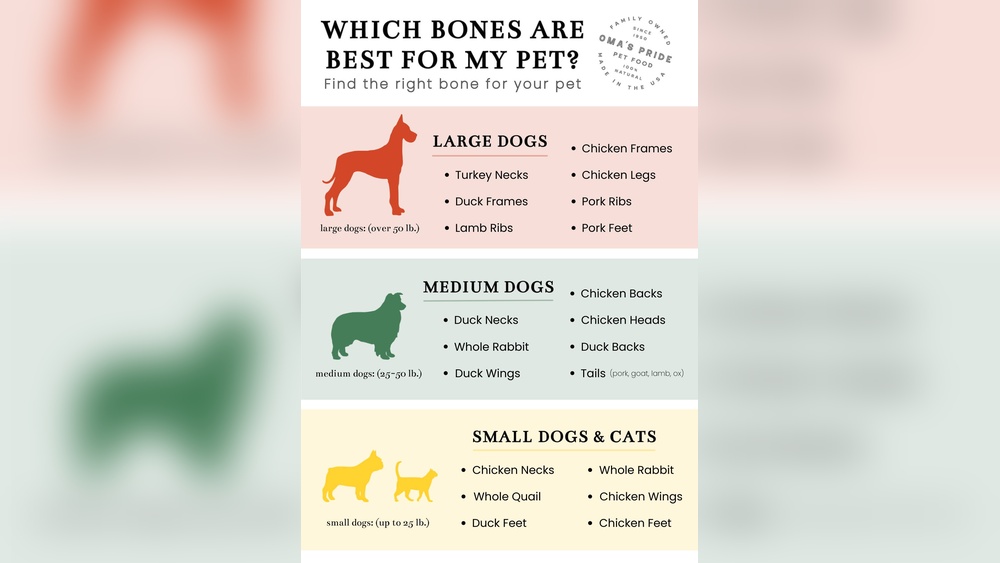
Choosing the right bone for a dog depends on the dog’s size. Small, medium, and large breeds have different needs. Giving the correct bone keeps dogs safe and happy. It also helps protect their teeth and jaw. Dogs enjoy chewing, but the wrong bone can cause problems. This guide helps pick the best bone based on dog size.
Bones For Small Breeds
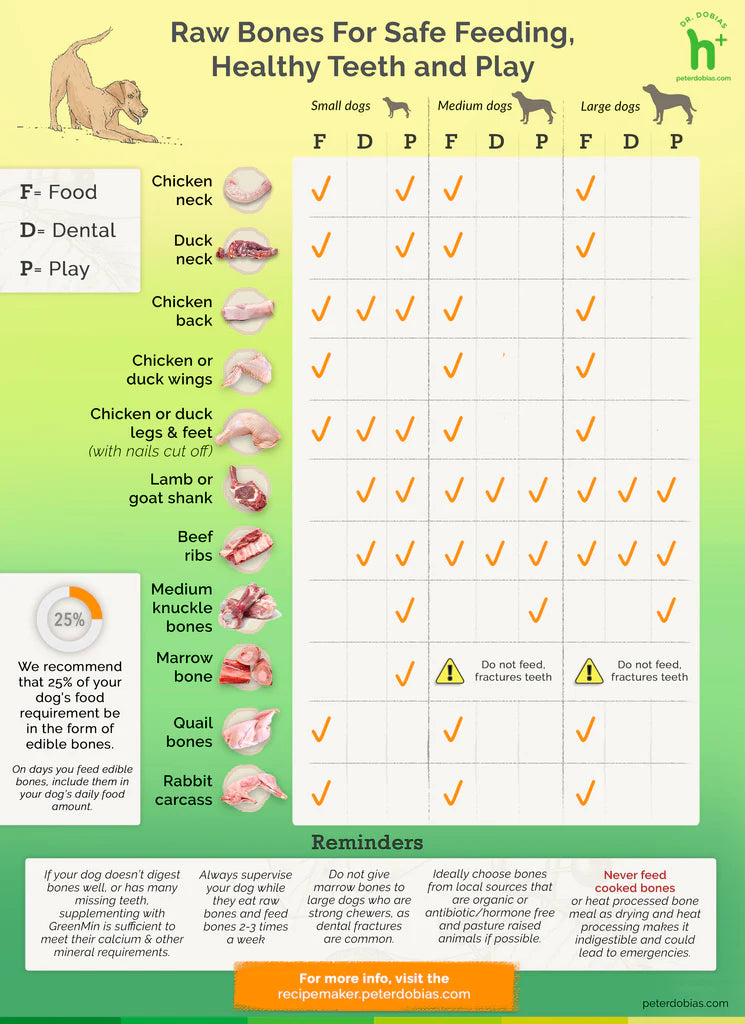
Small dogs need smaller, softer bones. Hard, large bones may break their teeth. Raw chicken wings or small marrow bones work well. Avoid weight-bearing bones from big animals. These bones can splinter and hurt tiny mouths. Chew toys designed for small dogs also help keep teeth clean.
Bones For Medium Breeds
Medium-sized dogs need bones that match their strength. Beef knuckle bones and lamb bones are good choices. These bones are strong but not too hard. Avoid cooked bones, which can splinter easily. Choose bones that last long but do not cause damage.
Bones For Large Breeds
Large dogs need big, durable bones. Large beef femur or bison bones fit well. These bones can handle strong jaws. They help reduce boredom and stress. Avoid small bones that can break or choke. Always supervise large dogs with bones to prevent accidents.
How To Prepare Bones Safely
Giving bones to dogs can be fun and healthy. But safety matters most. Preparing bones correctly stops risks. It helps keep dogs strong and happy. Follow simple steps to prepare bones safely.
Freezing To Kill Bacteria
Freeze bones before giving them to dogs. Freezing kills many harmful bacteria. Keep bones in the freezer at least 24 hours. This lowers the chance of infections. Always thaw bones fully before use. Never give frozen bones directly to dogs.
Supervising Chewing Sessions
Watch dogs closely while they chew bones. Chewing can cause choking or broken teeth. Stop chewing if bones get too small or sharp. Take bones away before dogs swallow large pieces. Supervised chewing keeps dogs safe and happy.
Cleaning And Storage Tips
Clean bones with warm water before giving them. Avoid soap or chemicals on bones. Store bones in the fridge if not used right away. Use airtight containers to keep bones fresh. Throw away bones if they smell bad or break easily.
Credit: peterdobias.com
Signs Of Bone-related Issues In Dogs
Bones can be a great treat for dogs, but they sometimes cause problems. Knowing the signs of bone-related issues helps keep your dog safe and healthy. Watch your dog closely after giving any bone. Early signs can prevent serious harm.
Choking And Blockages
Dogs may choke on small bone pieces. It blocks their throat or windpipe. Signs include gagging, coughing, or difficulty breathing. Your dog might paw at its mouth or drool a lot. Blockages in the intestines cause vomiting and stomach pain. Immediate care is needed to avoid danger.
Dental Damage
Hard bones can crack or break teeth. Dogs may avoid chewing or eating hard food. Look for bleeding gums or bad breath. Swelling around the mouth or drooling also signals pain. Dental damage can lead to infections and long-term problems.
Digestive Problems
Bone fragments can irritate the stomach or intestines. Your dog might vomit or have diarrhea. Constipation or straining to poop is another sign. Watch for signs of pain or discomfort in the belly. Digestive issues need quick treatment to prevent worsening.
Alternatives To Natural Bones
Natural bones can be risky for dogs. They may splinter and cause harm. Many dog owners want safer options. Alternatives to natural bones offer fun and safety. These choices can keep dogs busy and healthy.
Synthetic Chew Toys
Synthetic chew toys are made from durable materials. They last longer than natural bones. These toys do not splinter or break easily. Many come in different shapes and sizes. Dogs enjoy chewing them without hurting their teeth. Some toys also help clean teeth as dogs chew.
Dental Chews
Dental chews are designed to improve dog’s oral health. They reduce plaque and freshen breath. These chews are edible and safe to digest. Most dental chews come with vet approval. They help keep gums strong and clean teeth. Dental chews are tasty treats that support health.
Edible Treats
Edible treats made for dogs provide a tasty option. They come in many flavors and textures. Some treats are soft, while others are crunchy. These treats satisfy chewing urges safely. Many edible treats include vitamins and minerals. They are a good choice for training and rewards.

Credit: www.acabonacfarms.com

Credit: thekindpet.com
Frequently Asked Questions
What Types Of Bones Are Safe For Dogs To Chew?
Raw, meaty bones like beef or lamb are generally safe. Avoid cooked bones as they can splinter and harm dogs. Always supervise your dog when giving bones to prevent choking or injury.
Can Dogs Eat Chicken Bones Safely?
No, cooked chicken bones are unsafe as they splinter easily. Raw chicken bones can be risky too. It’s best to avoid chicken bones and opt for safer alternatives.
How Do Bones Benefit A Dog’s Dental Health?
Chewing bones helps remove plaque and tartar buildup. It also massages gums and strengthens jaw muscles. This natural chewing supports better dental hygiene and fresher breath.
What Size Bone Is Best For Large Dogs?
Choose bones larger than your dog’s mouth to prevent choking. Large beef or bison femur bones are ideal. Avoid small or brittle bones that can break easily.
Conclusion
Choosing the right bones keeps dogs happy and healthy. Safe bones help clean teeth and satisfy chewing urges. Avoid cooked or small bones that can break or choke. Always watch your dog while chewing to prevent accidents. Giving the right bones strengthens your bond and promotes good health.
Simple, safe choices make all the difference for your dog’s joy.


